An Adaptive Cooperative Localization Method for Heterogeneous Air-to-Ground Robots Based on Relative Distance Constraints in a Satellite-Denial Environment
Shidong Han, Zhi Xiong, Chenfa Shi

TL;DR
This paper introduces an adaptive method for air-to-ground robot localization that works even when satellite signals are unavailable.
Contribution
A novel adaptive cooperative localization method using relative distance constraints for heterogeneous robots in satellite-denied environments.
Findings
The method adapts to varying numbers of known-position UAVs in the network.
It achieves high-precision localization for UGVs using optimal spatial configurations and historical constraints.
Experimental results confirm the method's effectiveness in dynamic scenarios.
Abstract
Cooperative localization (CL) for air-to-ground robots in a satellite-denial environment has become a current research hotspot. The traditional distance-based heterogeneous multiple-robot CL method requires at least four unmanned aerial vehicles (UAVs) with known positions. When the number of known-position UAVs in a cluster collaborative network is insufficient, the traditional distance-based CL method has a certain inapplicability. A novel adaptive CL method for air-to-ground robots based on relative distance constraints is proposed in this paper. Based on a dynamically changing number of known-position UAVs in the cluster collaborative network, the adaptive fusion estimation threshold is set. When the number of known-position UAVs in the cluster cooperative network is large, the real-time dynamic topology characteristics of multiple robots’ spatial geometric configurations are…
Genes, proteins, chemicals, diseases, species, mutations and cell lines named across the full text — each resolved to its canonical identifier and authoritative record.
Click any figure to enlarge with its caption.
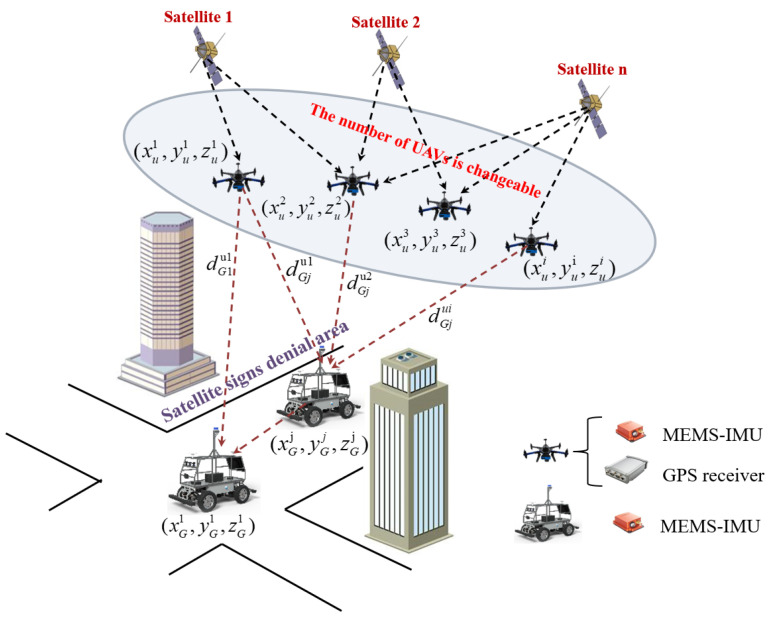 Figure 1
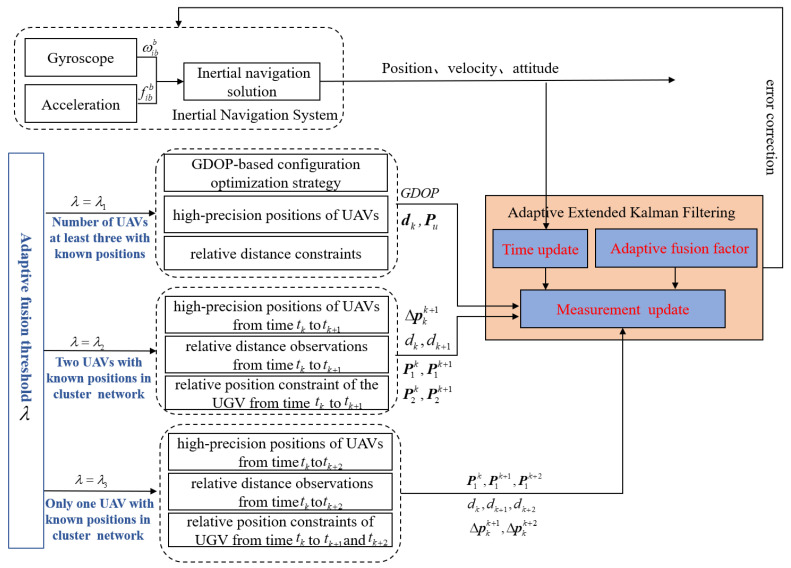 Figure 2
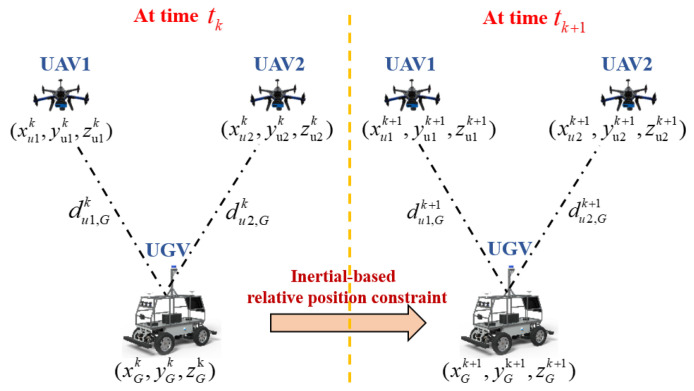 Figure 3
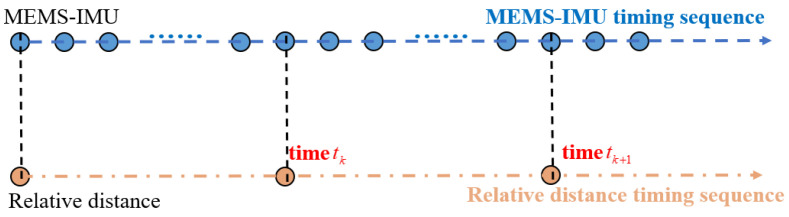 Figure 4
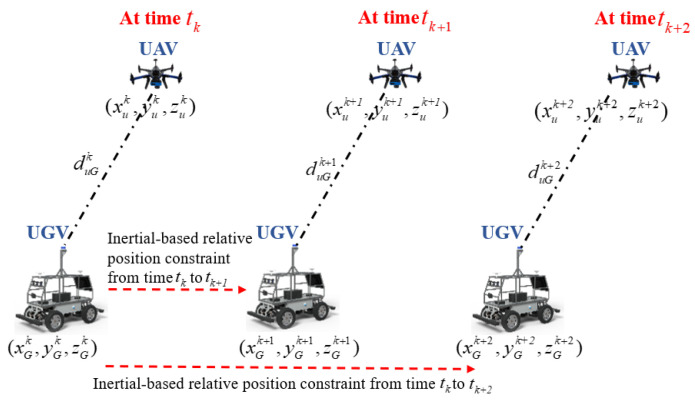 Figure 5
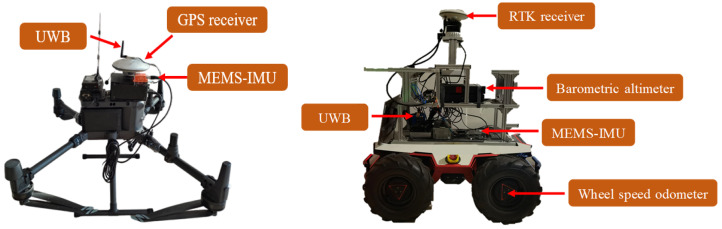 Figure 6
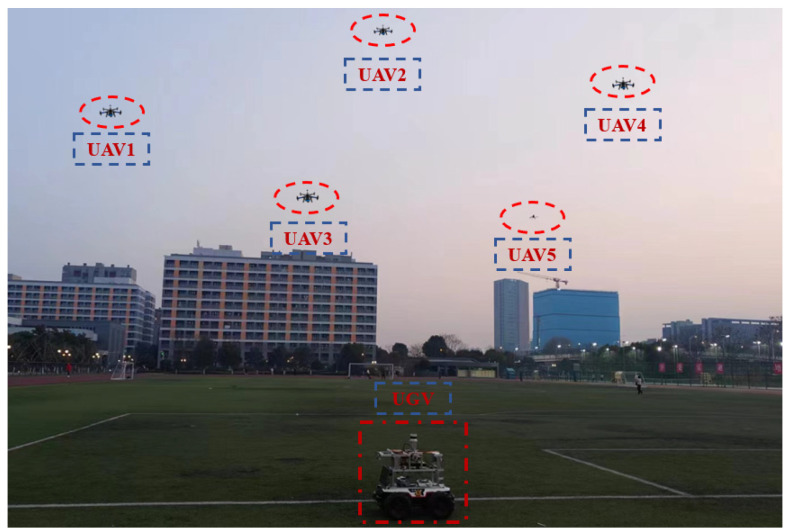 Figure 7
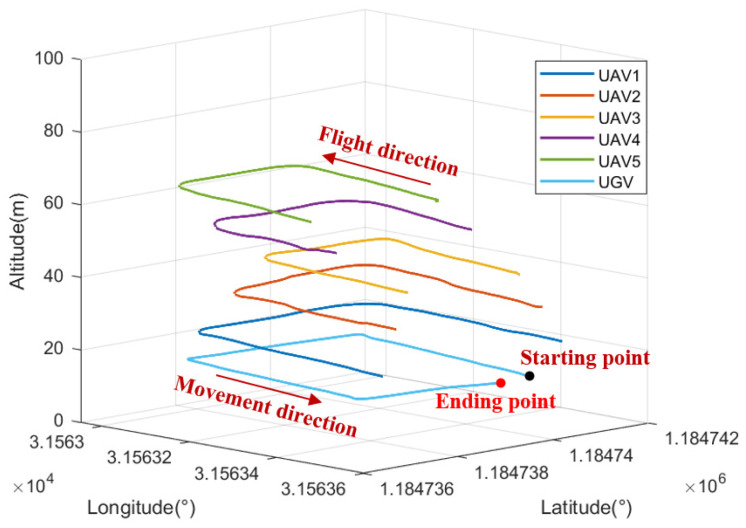 Figure 8
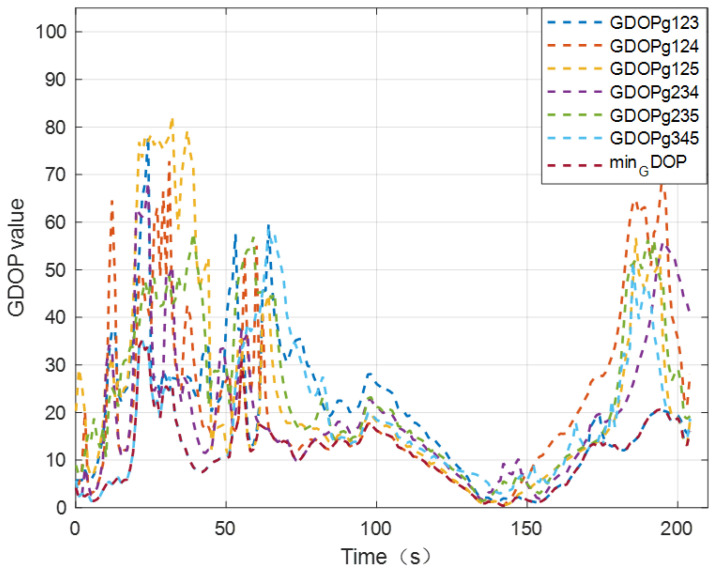 Figure 9
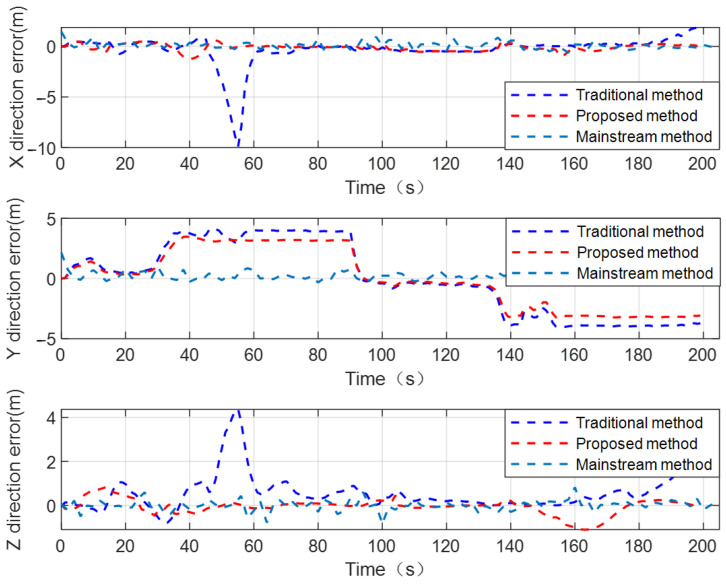 Figure 10
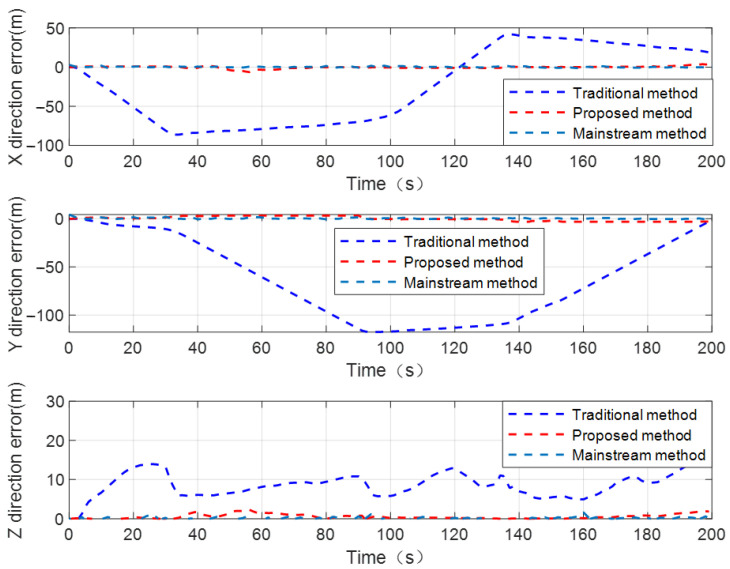 Figure 11
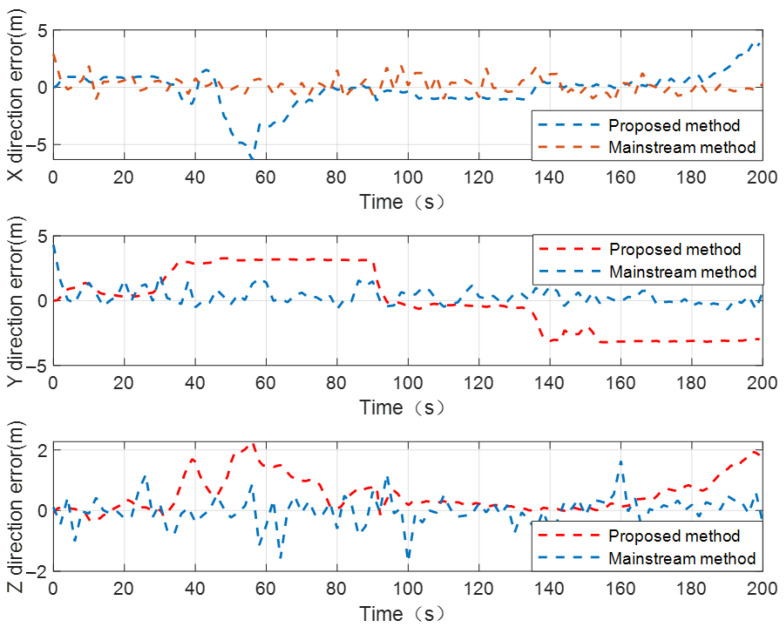 Figure 12
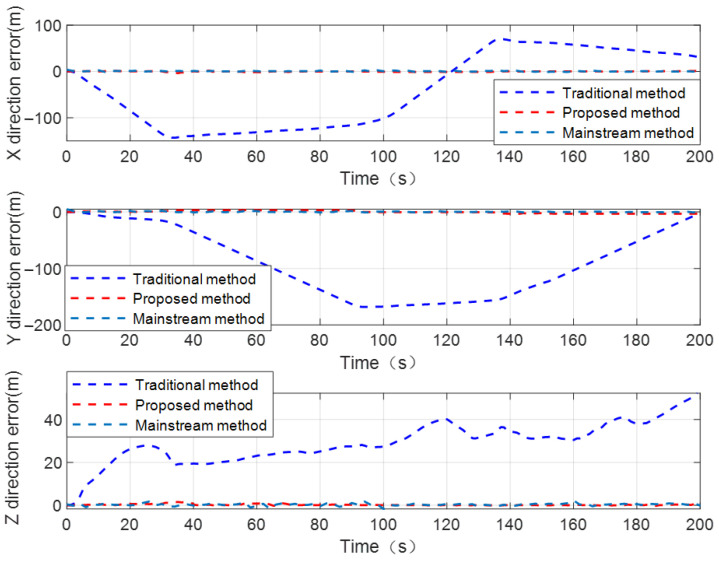 Figure 13
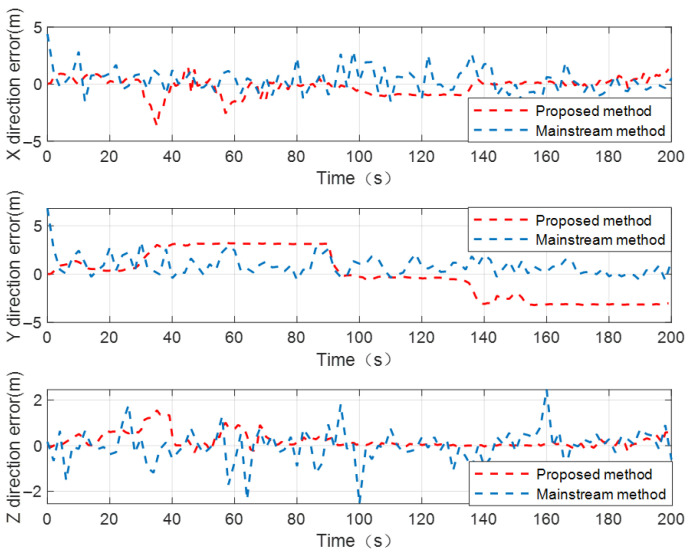 Figure 14
Peer Reviews
No public reviews on file for this paper yet. If you reviewed it on a platform where reviews are public (OpenReview, ICLR, NeurIPS, ICML), you can paste yours below so the community can read it here.
Videos
No videos yet. Explain this paper in a talk, walkthrough, or lecture? Add one.
Taxonomy
TopicsRobotics and Sensor-Based Localization · Indoor and Outdoor Localization Technologies · UAV Applications and Optimization