A [3+3] Aldol-SNAr-Dehydration Approach to 2-Naphthol and 7-Hydroxyquinoline Derivatives
Kwabena Fobi, Ebenezer Ametsetor, Richard A. Bunce

TL;DR
A new chemical method efficiently creates complex compounds like 2-naphthol and 7-hydroxyquinoline derivatives through a one-pot reaction sequence.
Contribution
A novel [3+3] aldol-SNAr-dehydration approach is introduced for synthesizing substituted naphthols and quinolines.
Findings
The reaction forms polysubstituted 2-naphthols and 7-hydroxyquinolines from acetone derivatives and 2-fluorobenzaldehyde.
The process is regioselective, favoring the most stable anionic center for aldehyde addition.
In specific cases, a Grob-type fragmentation leads to cinnamate ester products.
Abstract
A one-pot [3+3] aldol-SNAr-dehydration annulation sequence was utilized to fuse hindered phenols onto aromatic substrates. The transformation joins doubly activated 1,3-disubstituted acetone derivatives (dinucleophiles) with C5-activated 2-fluorobenzaldehyde SNAr acceptors (dielectrophiles) in the presence of K2CO3 in DMF at 65–70 °C to form polysubstituted 2-naphthols and 7-hydroxyquinolines. The reaction is regioselective in adding the most stable anionic center to the aldehyde followed by SNAr closure of the less stabilized anion to the electron-deficient aromatic ring. Twenty-seven examples are reported, and a probable mechanism is presented. In two cases where SNAr activation on the acceptor ring was lower (a C5 trifluoromethyl group on the aromatic ring or a 2-fluoropyridine), diethyl 1,3-acetonedicarboxylate initiated an interesting Grob-type fragmentation to give cinnamate…
Genes, proteins, chemicals, diseases, species, mutations and cell lines named across the full text — each resolved to its canonical identifier and authoritative record.
Click any figure to enlarge with its caption.
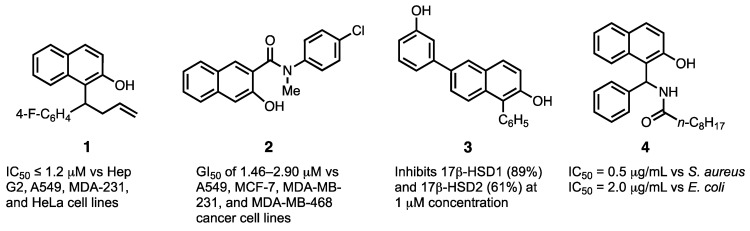 Figure 1
 Figure 2
 Figure 3
 Figure 4
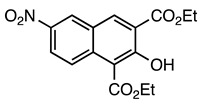 Figure 5
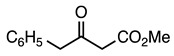 Figure 6
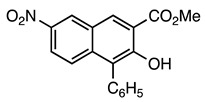 Figure 7
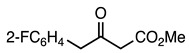 Figure 8
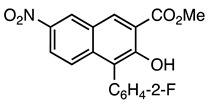 Figure 9
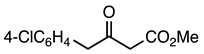 Figure 10
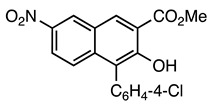 Figure 11
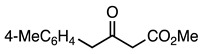 Figure 12
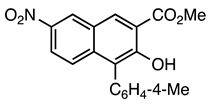 Figure 13
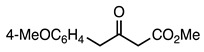 Figure 14
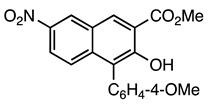 Figure 15
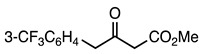 Figure 16
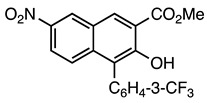 Figure 17
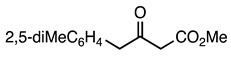 Figure 18
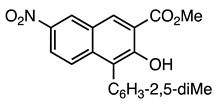 Figure 19
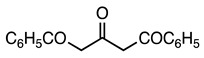 Figure 20
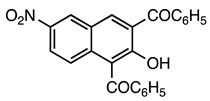 Figure 21
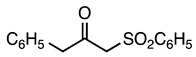 Figure 22
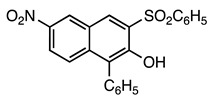 Figure 23
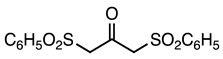 Figure 24
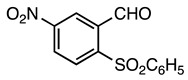 Figure 25
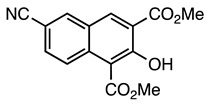 Figure 26
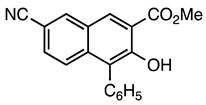 Figure 27
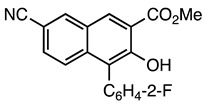 Figure 28
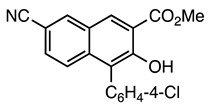 Figure 29
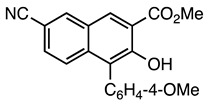 Figure 30
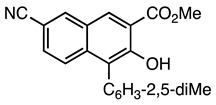 Figure 31
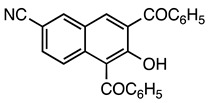 Figure 32
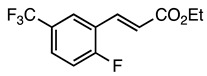 Figure 33
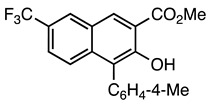 Figure 34
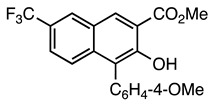 Figure 35
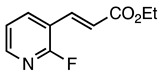 Figure 36
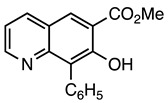 Figure 37
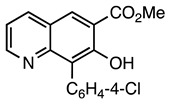 Figure 38
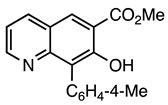 Figure 39
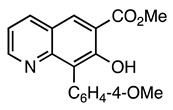 Figure 40
 Figure 41
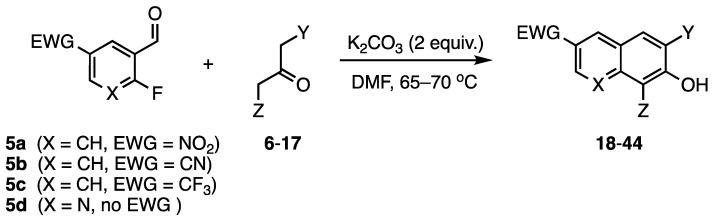 Figure 42
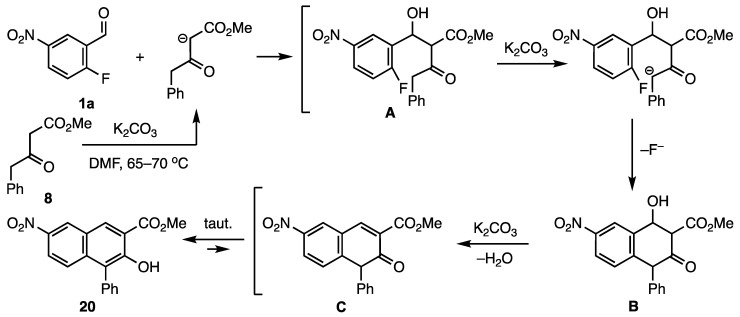 Figure 43
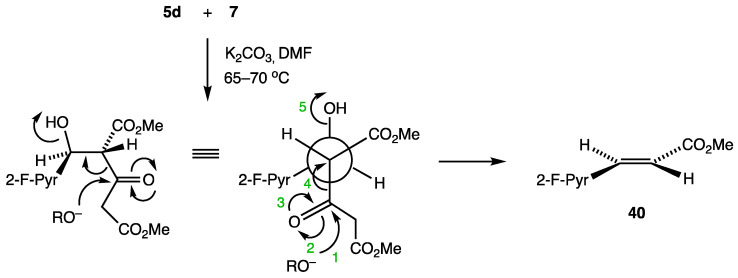 Figure 44
Peer Reviews
No public reviews on file for this paper yet. If you reviewed it on a platform where reviews are public (OpenReview, ICLR, NeurIPS, ICML), you can paste yours below so the community can read it here.
Videos
No videos yet. Explain this paper in a talk, walkthrough, or lecture? Add one.
Taxonomy
TopicsAxial and Atropisomeric Chirality Synthesis · Chemical synthesis and alkaloids · Asymmetric Synthesis and Catalysis