Recombinant Ixodes scapularis Calreticulin Binds Complement Proteins but Does Not Protect Borrelia burgdorferi from Complement Killing
Moiz Ashraf Ansari, Thu-Thuy Nguyen, Klaudia Izabela Kocurek, William Tae Heung Kim, Tae Kwon Kim, Albert Mulenga

TL;DR
This study explores how a tick protein interacts with human complement proteins but does not protect Lyme disease bacteria from immune attack.
Contribution
The novel finding is that recombinant tick calreticulin binds complement proteins but does not protect Borrelia burgdorferi from complement killing.
Findings
Recombinant Ixodes scapularis calreticulin binds to C1 complex and intermediate complement proteins.
Despite binding, it does not protect Borrelia burgdorferi from complement-induced killing.
rIxsCRT promotes B. burgdorferi replication in culture.
Abstract
Ixodes scapularis is a blood-feeding obligate ectoparasite responsible for transmitting the Lyme disease (LD) agent, Borrelia burgdorferi. During the feeding process, I. scapularis injects B. burgdorferi into the host along with its saliva, facilitating the transmission and colonization of the LD agent. Tick calreticulin (CRT) is one of the earliest tick saliva proteins identified and is currently utilized as a biomarker for tick bites. Our recent findings revealed elevated levels of CRT in the saliva proteome of B. burgdorferi-infected I. scapularis nymphs compared to uninfected ticks. Differential precipitation of proteins (DiffPOP) and LC-MS/MS analyses were used to identify the interactions between Ixs (I. scapularis) CRT and human plasma proteins and further explore its potential role in shielding B. burgdorferi from complement killing. We observed that although yeast-expressed…
Genes, proteins, chemicals, diseases, species, mutations and cell lines named across the full text — each resolved to its canonical identifier and authoritative record.
Click any figure to enlarge with its caption.
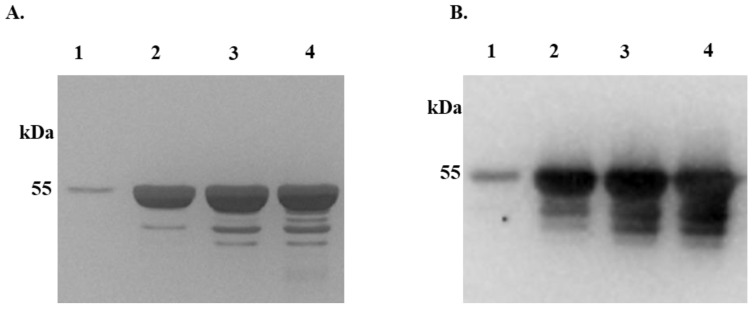 Figure 1
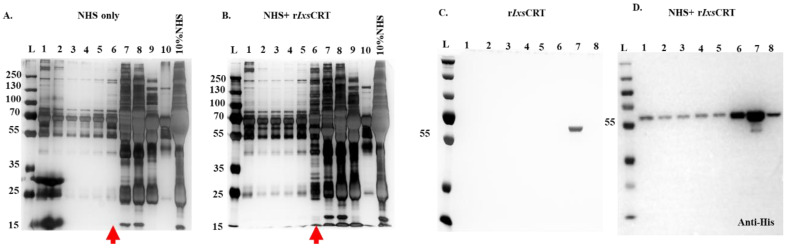 Figure 2
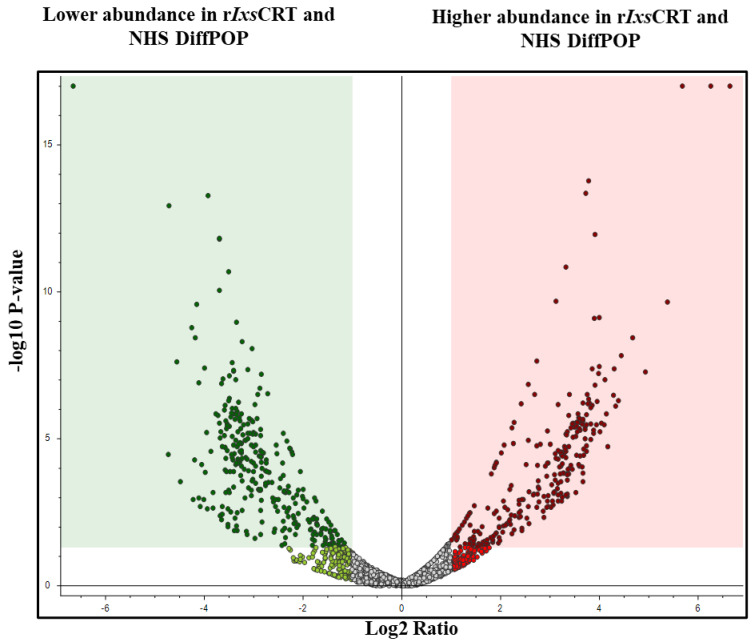 Figure 3
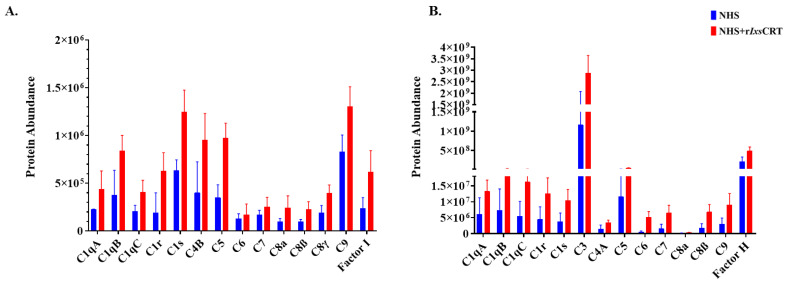 Figure 4
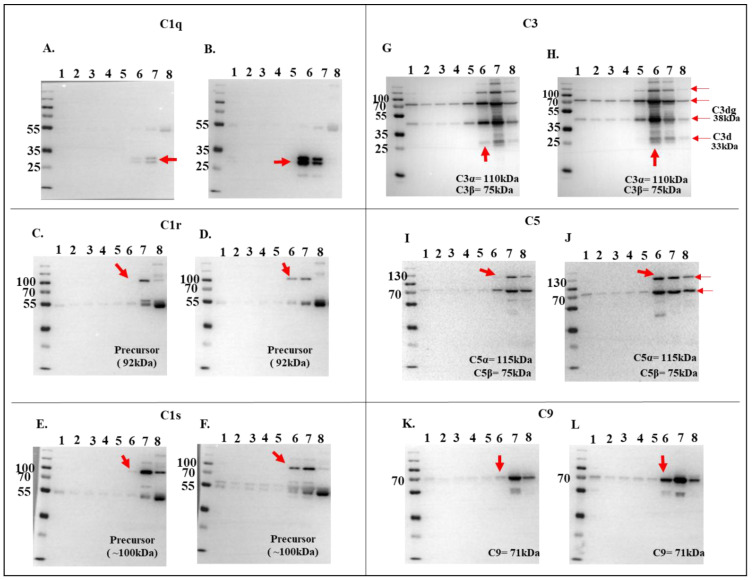 Figure 5
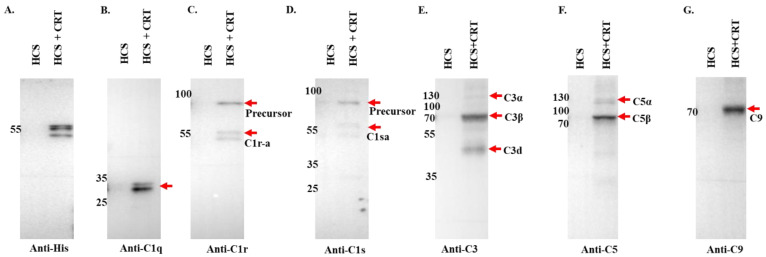 Figure 6
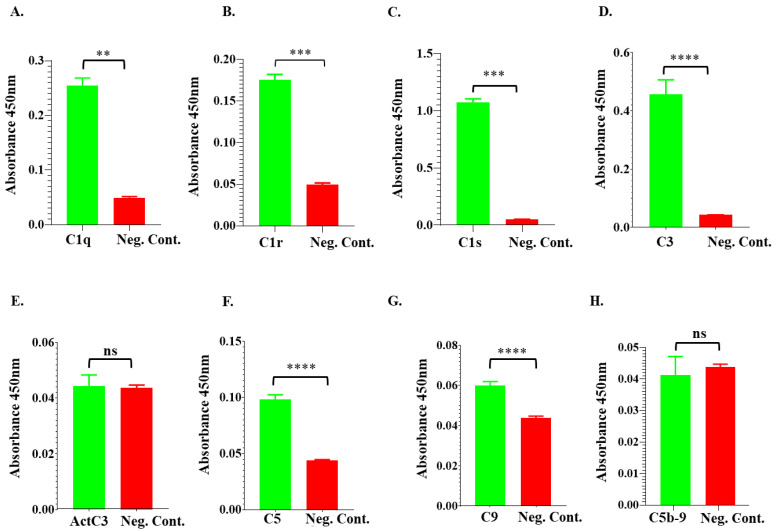 Figure 7
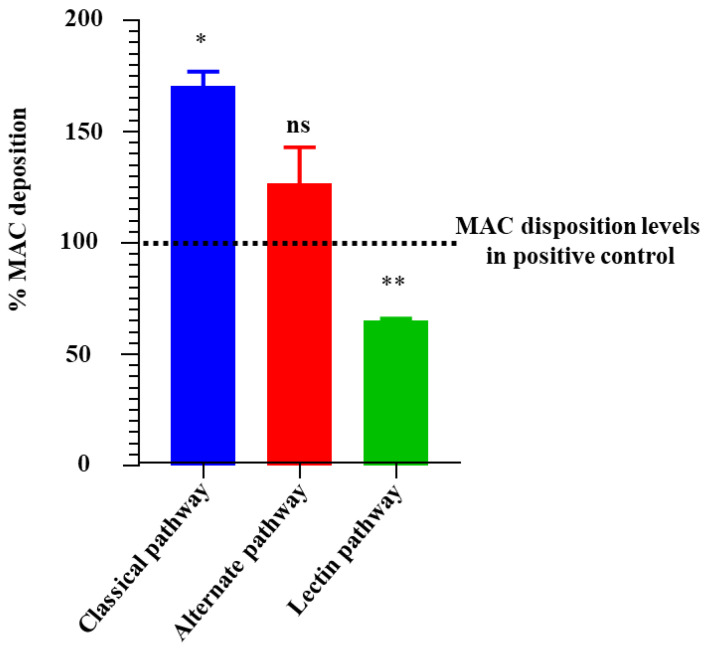 Figure 8
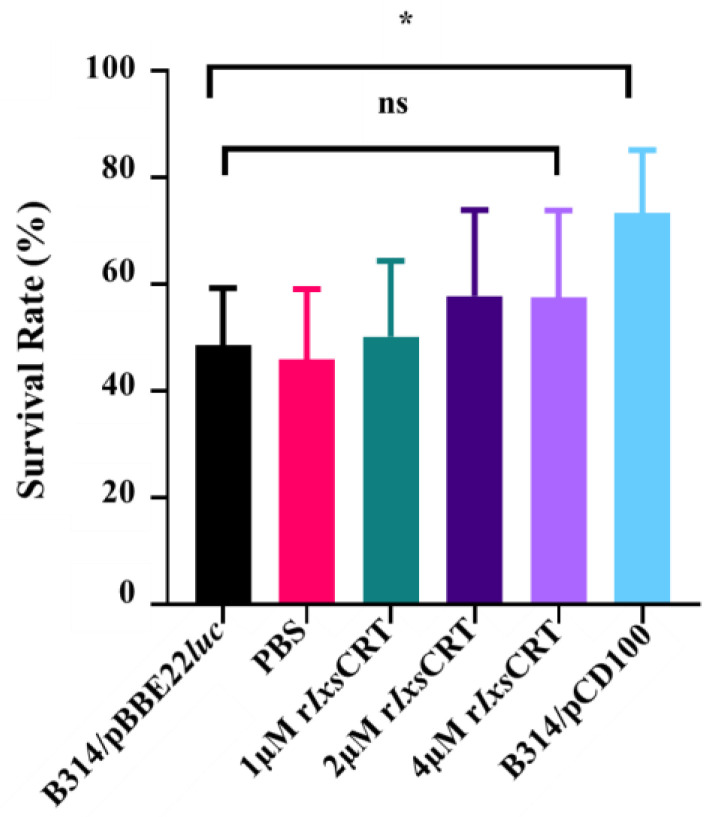 Figure 9
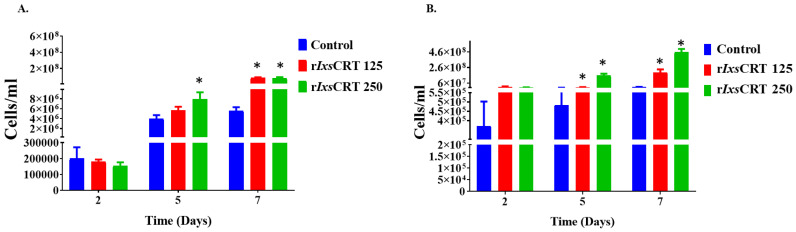 Figure 10
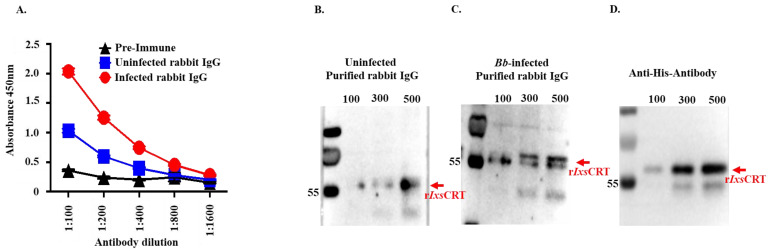 Figure 11
Peer Reviews
No public reviews on file for this paper yet. If you reviewed it on a platform where reviews are public (OpenReview, ICLR, NeurIPS, ICML), you can paste yours below so the community can read it here.
Videos
No videos yet. Explain this paper in a talk, walkthrough, or lecture? Add one.
Taxonomy
TopicsVector-borne infectious diseases · Viral Infections and Vectors · Insect symbiosis and bacterial influences