Hepatic transcript profiling in beef cattle: Effects of feeding endophyte-infected tall fescue seeds
Gastón F. Alfaro, Valentino Palombo, MariaSilvia D’Andrea, Wenqi Cao, Yue Zhang, Jonathan E. Beever, Russell B. Muntifering, Wilmer J. Pacheco, Soren P. Rodning, Xu Wang, Sonia J. Moisá

TL;DR
This study shows how feeding endophyte-infected tall fescue seeds affects liver gene activity in beef cattle, revealing changes in metabolism and energy use.
Contribution
The study provides new insights into hepatic transcriptomic responses to endophyte-infected tall fescue in beef cattle.
Findings
E+ tall fescue consumption upregulates metabolic pathways like oxidative phosphorylation and protein synthesis.
The thermogenesis pathway is activated, indicating increased energy expenditure in liver tissue.
E+ diet triggers mechanisms to counteract liver function impairment in cattle.
Abstract
The objective of our study was to evaluate the effect of endophyte-infected tall fescue (E+) seeds intake on liver tissue transcriptome in growing Angus × Simmental steers and heifers through RNA-seq analysis. Normal weaned calves (~8 months old) received either endophyte-free tall fescue (E-; n = 3) or infected tall fescue (E+; n = 6) seeds for a 30-d period. The diet offered was ad libitum bermudagrass (Cynodon dactylon) hay combined with a nutritional supplement of 1.61 kg (DM basis) of E+ or E- tall fescue seeds, and 1.61 kg (DM basis) of energy/protein supplement pellets for a 30-d period. Dietary E+ tall fescue seeds were included in a rate of 20 μg of ergovaline/kg BW/day. Liver tissue was individually obtained through biopsy at d 30. After preparation and processing of the liver samples for RNA sequencing, we detected that several metabolic pathways were activated (i.e.,…
Genes, proteins, chemicals, diseases, species, mutations and cell lines named across the full text — each resolved to its canonical identifier and authoritative record.
Click any figure to enlarge with its caption.
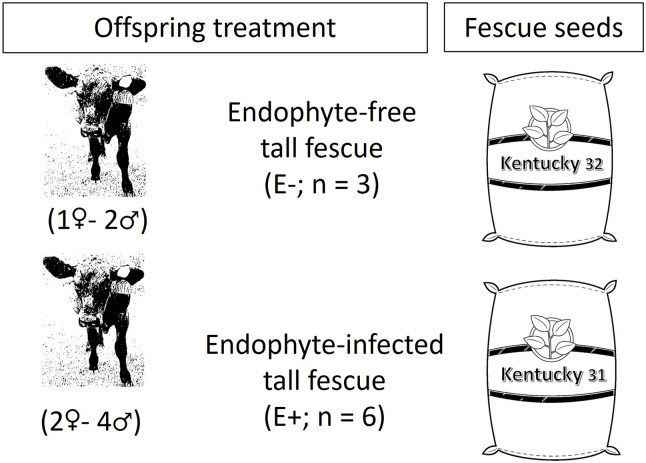 Figure 1
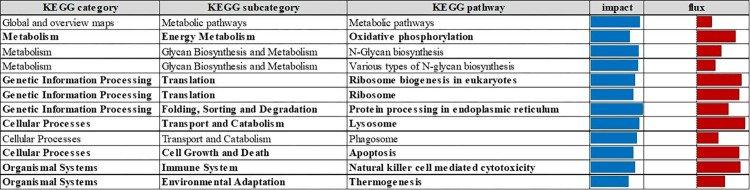 Figure 2
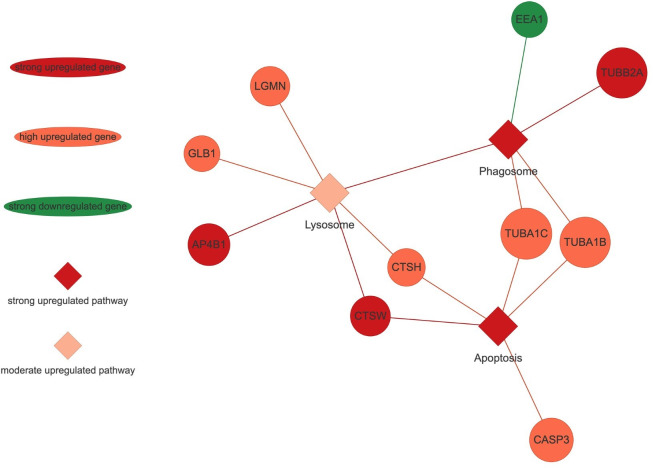 Figure 3
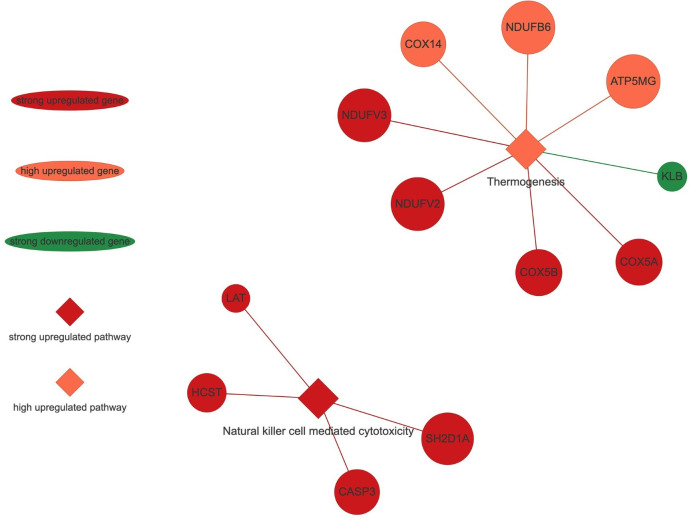 Figure 4
Peer Reviews
No public reviews on file for this paper yet. If you reviewed it on a platform where reviews are public (OpenReview, ICLR, NeurIPS, ICML), you can paste yours below so the community can read it here.
Videos
No videos yet. Explain this paper in a talk, walkthrough, or lecture? Add one.
Taxonomy
TopicsPlant and fungal interactions · Ruminant Nutrition and Digestive Physiology · Plant Toxicity and Pharmacological Properties