Early detection of human impacts using acoustic monitoring: An example with forest elephants
Peter H. Wrege, Frelcia Bien-Dorvillon Bambi, Phael Jackel Ferdy Malonga, Onesi Jared Samba, Terry Brncic

TL;DR
This study shows how acoustic monitoring can detect early signs of human impact on forest elephants, helping improve conservation strategies.
Contribution
The paper introduces using acoustic monitoring to detect early behavioral changes in elephants due to human activity.
Findings
Forest elephants become more nocturnal when exposed to perceived risks like poaching.
Logging is perceived as a moderate risk but does not significantly affect elephant density.
Increased nocturnal vocal activity indicates early responses to human intrusion.
Abstract
The impacts of human activities and climate change on animal populations often take considerable time before they are reflected in typical measures of population health such as population size, demography, and landscape use. Earlier detection of such impacts could enhance the effectiveness of conservation strategies, particularly for species with slow population growth. Passive acoustic monitoring is increasingly used to estimate occupancy and population size, but this tool can also monitor subtle shifts in behavior that might be early indicators of changing impacts. Here we use data from an acoustic grid, monitoring 1250 km2 of forest in northern Republic of Congo, to study how forest elephants (Loxodonta cyclotis) assess risk associated with human impacts across a landscape that includes a national park as well as active and inactive logging concessions. By quantifying emerging…
Genes, proteins, chemicals, diseases, species, mutations and cell lines named across the full text — each resolved to its canonical identifier and authoritative record.
Click any figure to enlarge with its caption.
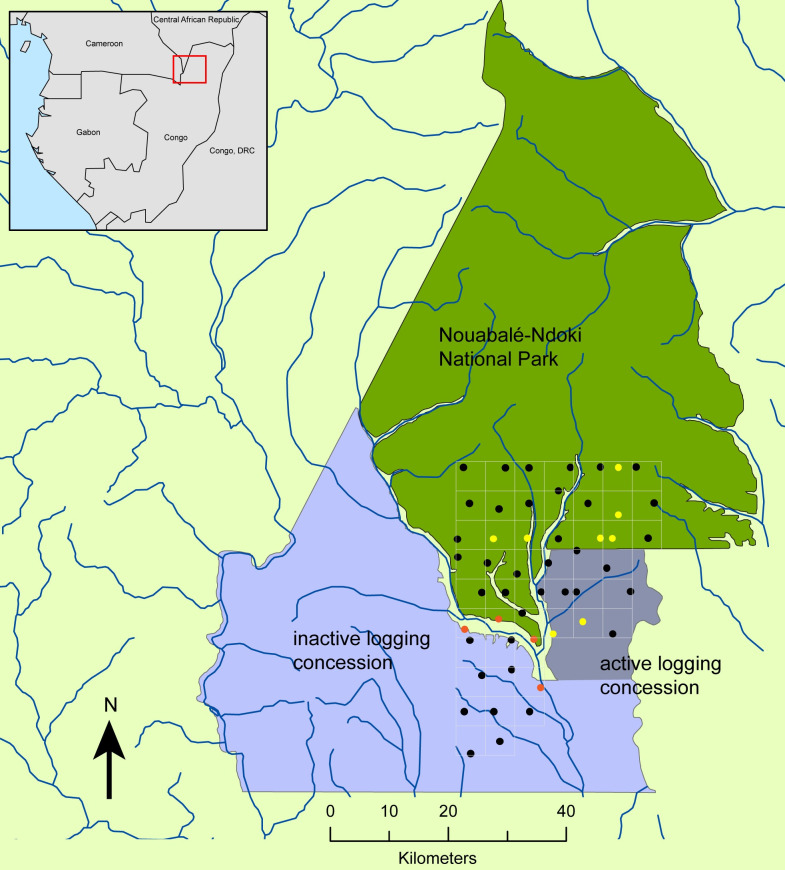 Figure 1
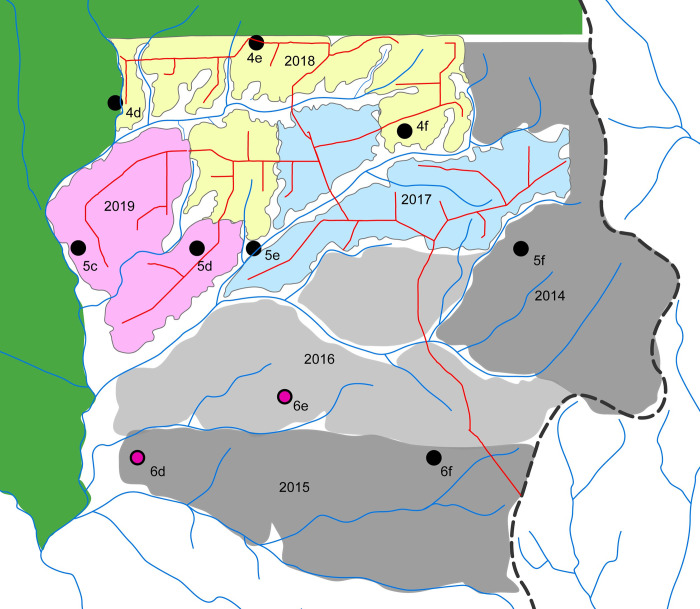 Figure 2
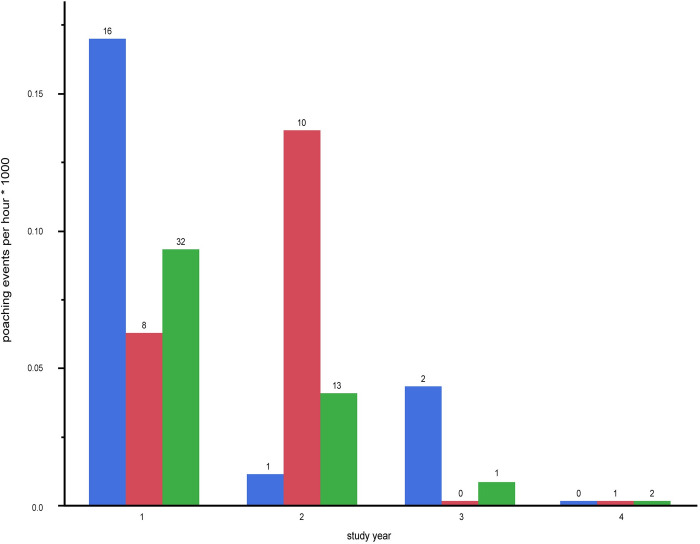 Figure 3
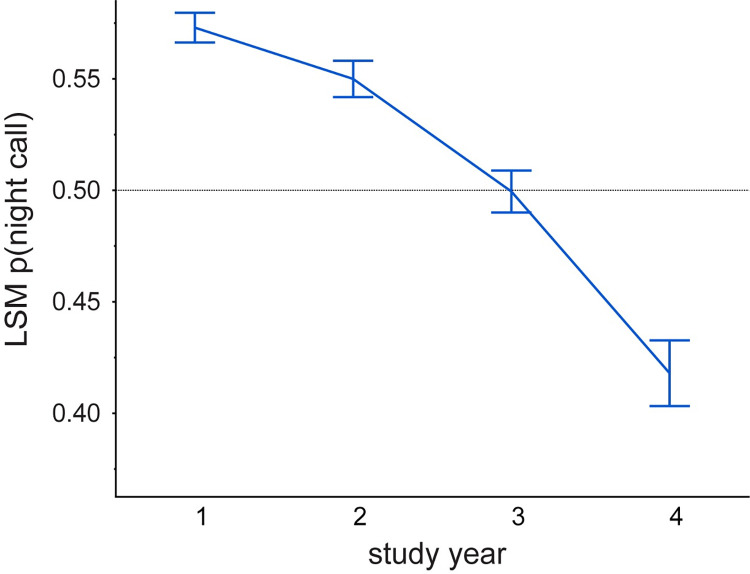 Figure 4
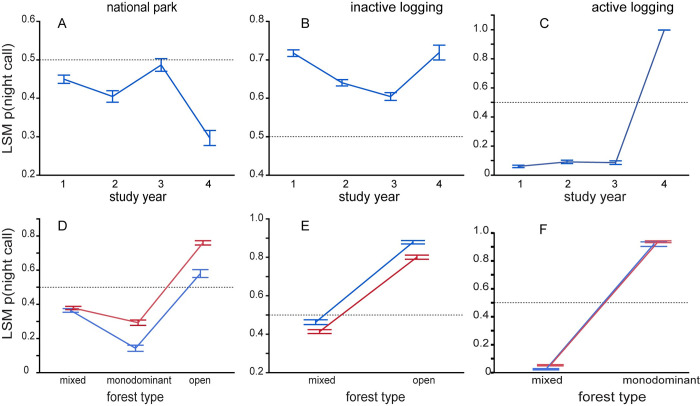 Figure 5
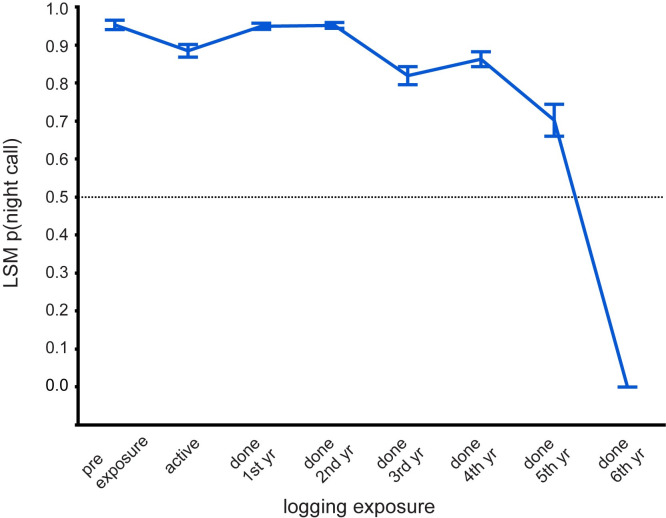 Figure 6
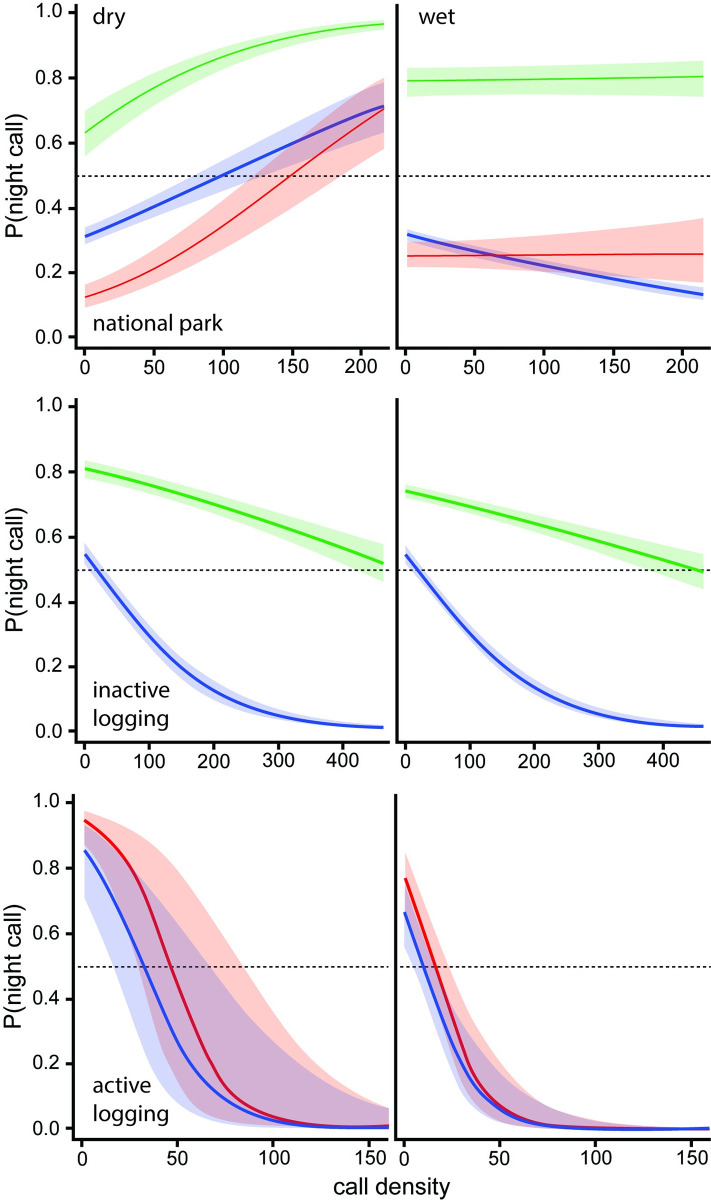 Figure 7
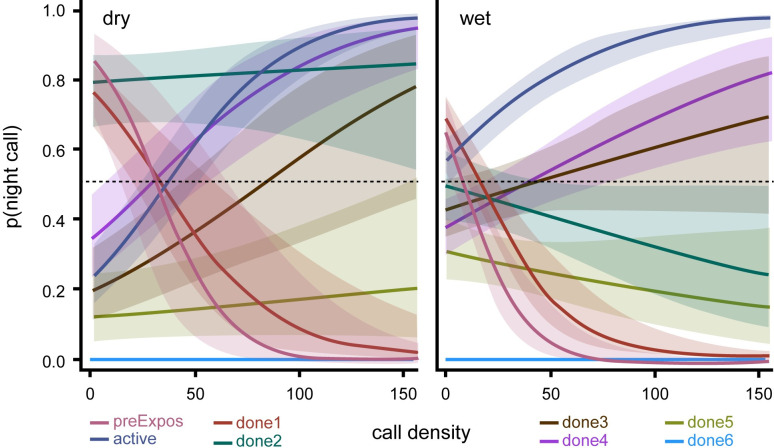 Figure 8
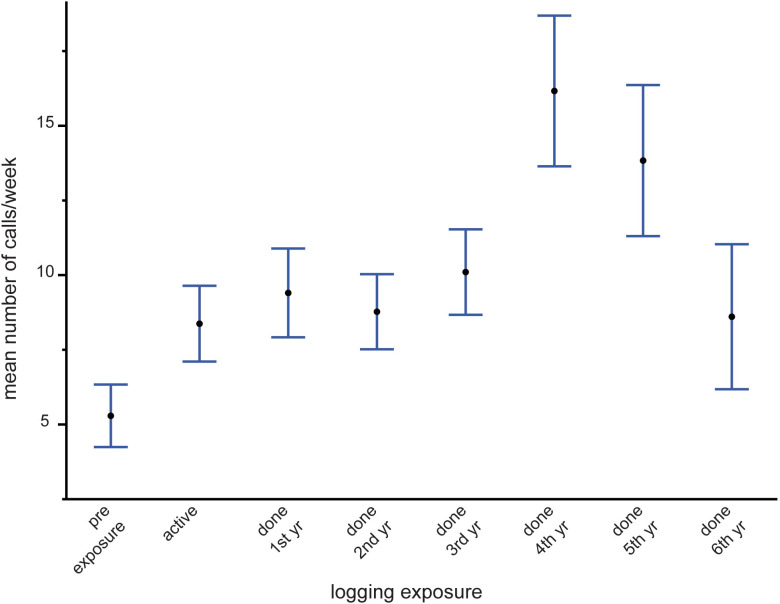 Figure 9
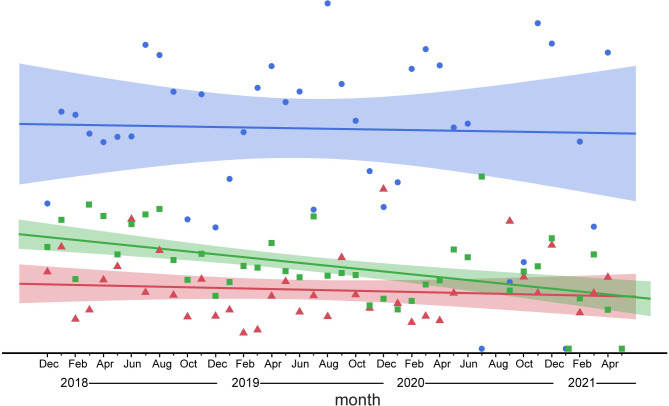 Figure 10
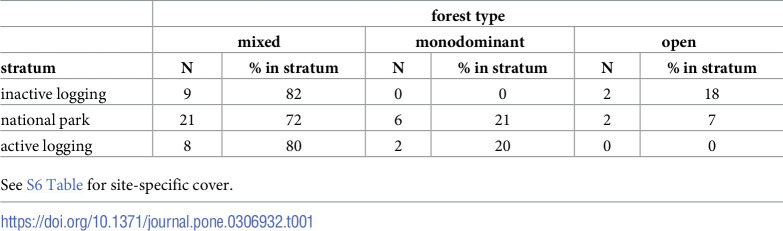 Figure 11
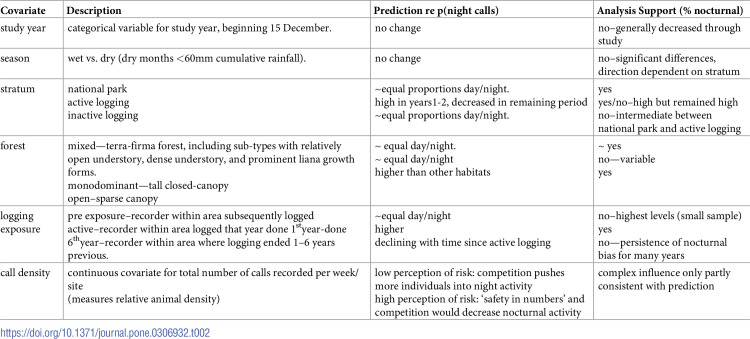 Figure 12
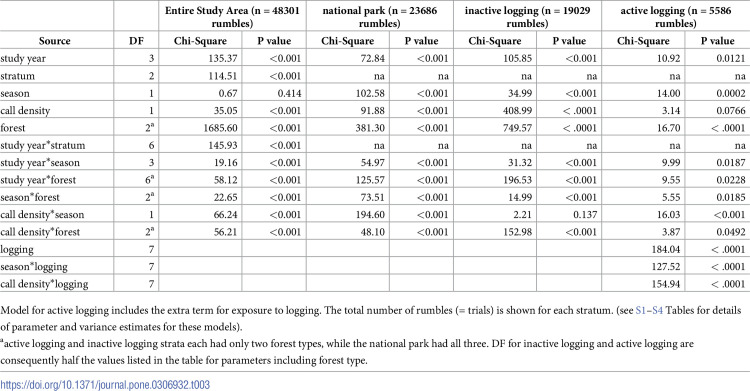 Figure 13
Peer Reviews
No public reviews on file for this paper yet. If you reviewed it on a platform where reviews are public (OpenReview, ICLR, NeurIPS, ICML), you can paste yours below so the community can read it here.
Videos
No videos yet. Explain this paper in a talk, walkthrough, or lecture? Add one.
Taxonomy
TopicsLinguistic, Cultural, and Literary Studies