A Rare Case of Cleidocranial Dysplasia Causing Unilateral Lung Herniation in the Setting of an Acute Viral Infection
Mona Ghias, Kevin Bogdansky, Dana Murray, Lindsay Sunzeri, Casandra Arevalo Marcano

TL;DR
A 77-day-old infant with cleidocranial dysplasia developed a lung herniation during a viral infection, emphasizing the need to consider this condition in neonates with breathing difficulties.
Contribution
This paper presents a rare clinical case linking cleidocranial dysplasia with unilateral lung herniation during an acute viral infection.
Findings
A 77-day-old male with cleidocranial dysplasia presented with respiratory distress due to unilateral lung herniation.
The lung herniation was secondary to an acute viral illness in a patient with known skeletal abnormalities.
The case underscores the importance of considering CCD in neonates with unexplained respiratory distress.
Abstract
Cleidocranial dysplasia (CCD) is a skeletal disorder with potential respiratory complications. We report a case of a 77-day-old male child with CCD who presents in respiratory distress. The infant was found to have a unilateral lung herniation secondary to an acute viral illness. This case highlights the importance of keeping CCD in the differential diagnosis of a neonate in respiratory distress.
Genes, proteins, chemicals, diseases, species, mutations and cell lines named across the full text — each resolved to its canonical identifier and authoritative record.
Click any figure to enlarge with its caption.
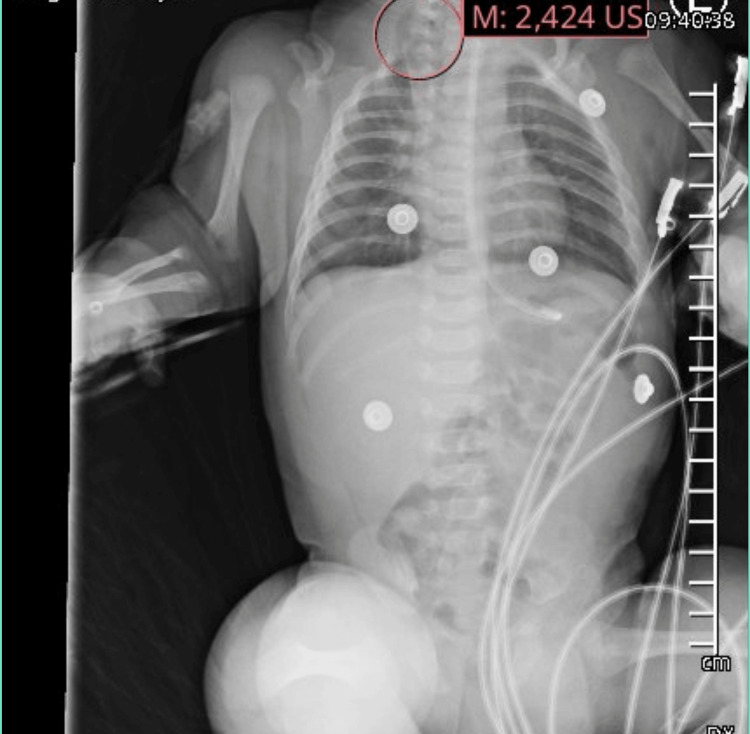 Figure 1
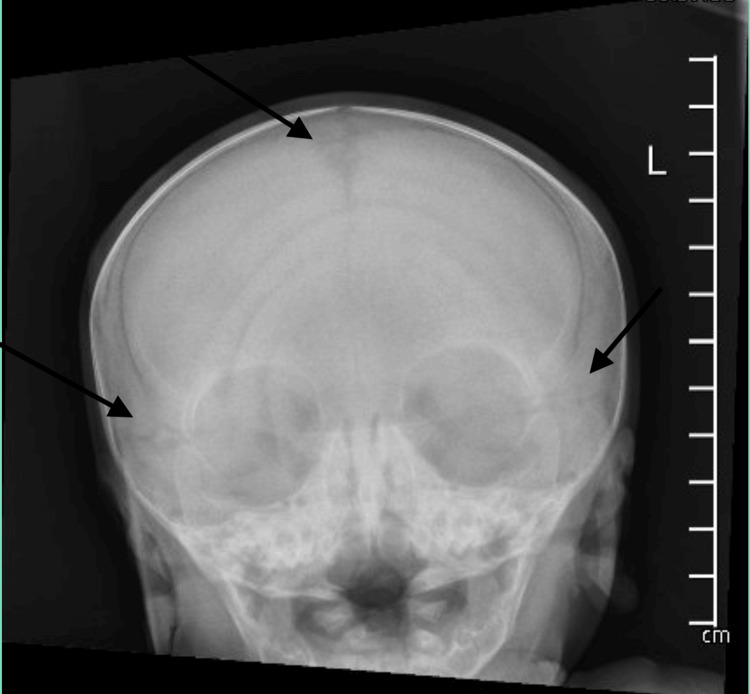 Figure 2
Peer Reviews
No public reviews on file for this paper yet. If you reviewed it on a platform where reviews are public (OpenReview, ICLR, NeurIPS, ICML), you can paste yours below so the community can read it here.
Videos
No videos yet. Explain this paper in a talk, walkthrough, or lecture? Add one.
Taxonomy
TopicsBone Metabolism and Diseases · Bone health and treatments · Osteomyelitis and Bone Disorders Research