Ethnomedicinal Usage, Phytochemistry and Pharmacological Potential of Solanum surattense Burm. f
Kamrul Hasan, Shabnam Sabiha, Nurul Islam, João F. Pinto, Olga Silva

TL;DR
This paper reviews the traditional uses, chemical composition, and medicinal potential of Solanum surattense, highlighting its role in treating various ailments and its rich bioactive compounds.
Contribution
The study systematically compiles ethnomedicinal, phytochemical, and pharmacological data on Solanum surattense from 1753 to 2023.
Findings
Solanum surattense is traditionally used for skin diseases, piles, and toothache, with the fruit and whole plant being most commonly used.
The plant contains 338 metabolites, including terpenoids, phenols, and lipids, with steroidal alkaloids and triterpenoids showing high biological activity.
Clinical trials show the plant's efficacy as an anti-asthmatic agent, and it exhibits antioxidant, anti-inflammatory, and antitumoral properties.
Abstract
Solanum surattense Burm. f. is a significant member of the Solanaceae family, and the Solanum genus is renowned for its traditional medicinal uses and bioactive potential. This systematic review adheres to PRISMA methodology, analyzing scientific publications between 1753 and 2023 from B-on, Google Scholar, PubMed, Science Direct, and Web of Science, aiming to provide comprehensive and updated information on the distribution, ethnomedicinal uses, chemical constituents, and pharmacological activities of S. surattense, highlighting its potential as a source of herbal drugs. Ethnomedicinally, this species is important to treat skin diseases, piles complications, and toothache. The fruit was found to be the most used part of this plant (25%), together with the whole plant (22%) used to treat different ailments, and its decoction was found to be the most preferable mode of herbal drug…
Genes, proteins, chemicals, diseases, species, mutations and cell lines named across the full text — each resolved to its canonical identifier and authoritative record.
Click any figure to enlarge with its caption.
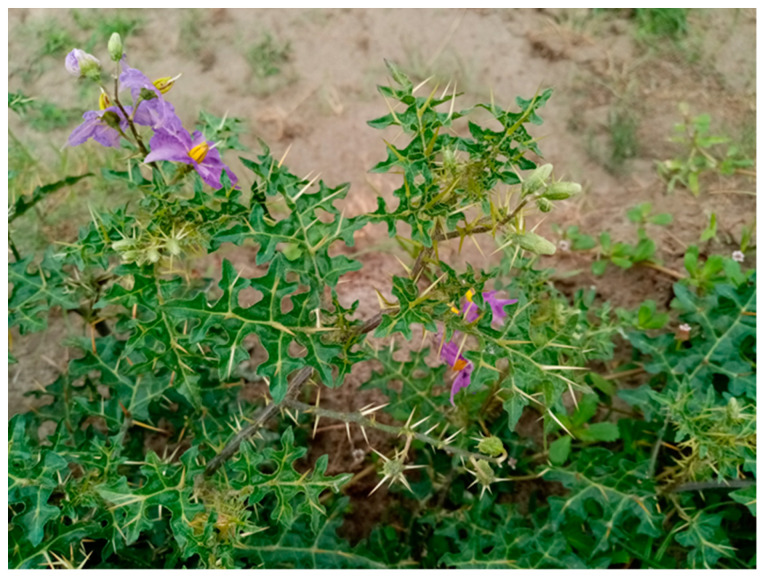 Figure 1
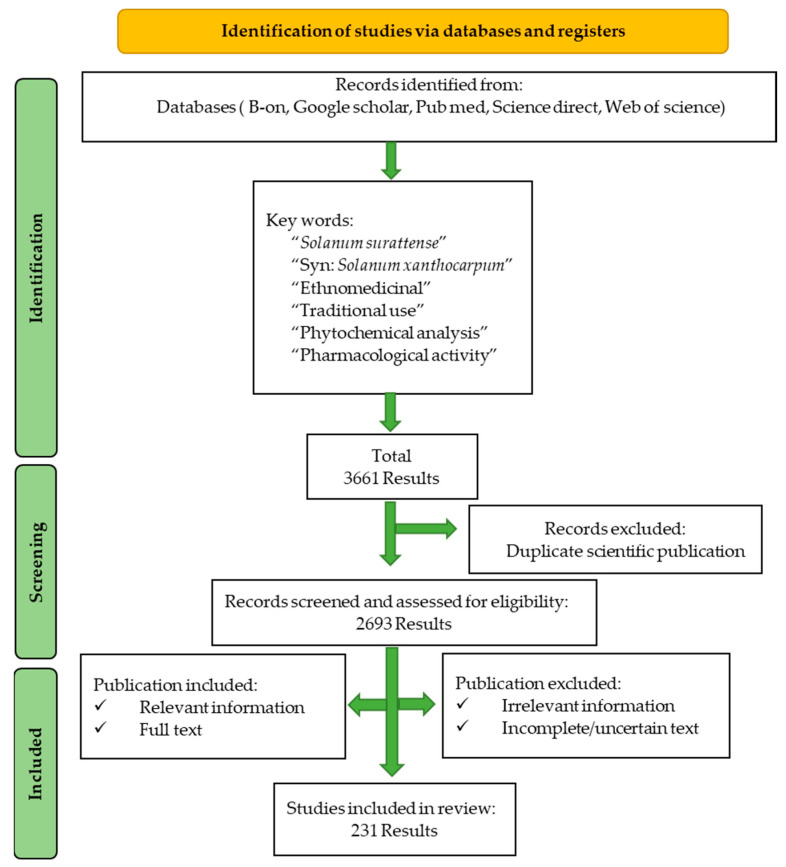 Figure 2
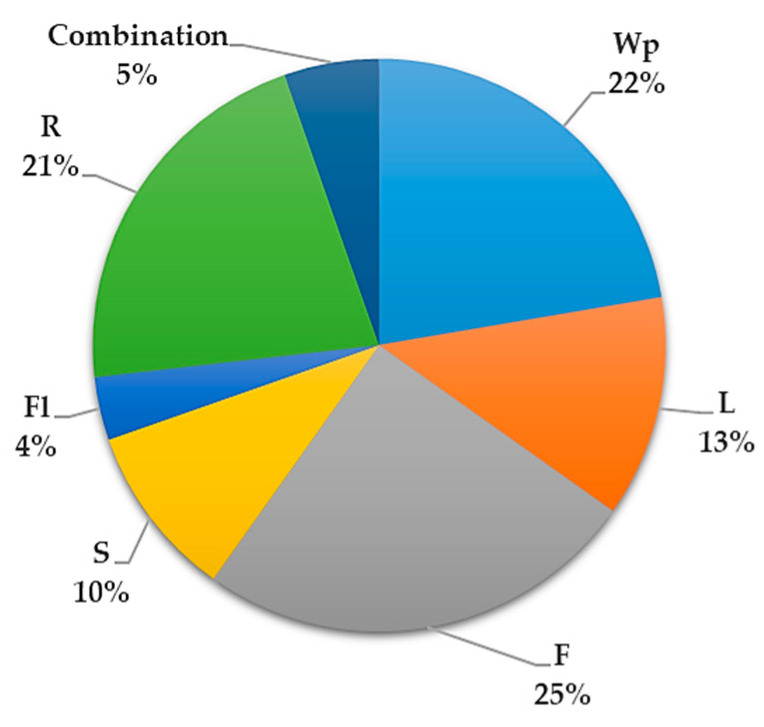 Figure 3
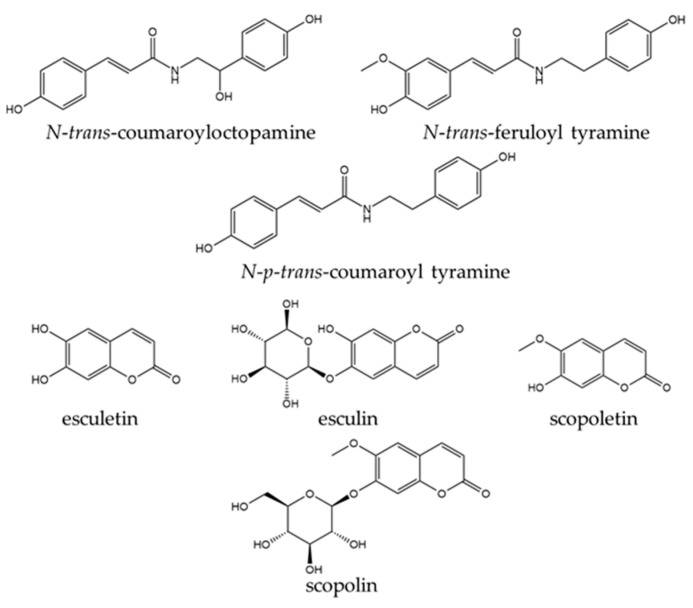 Figure 4
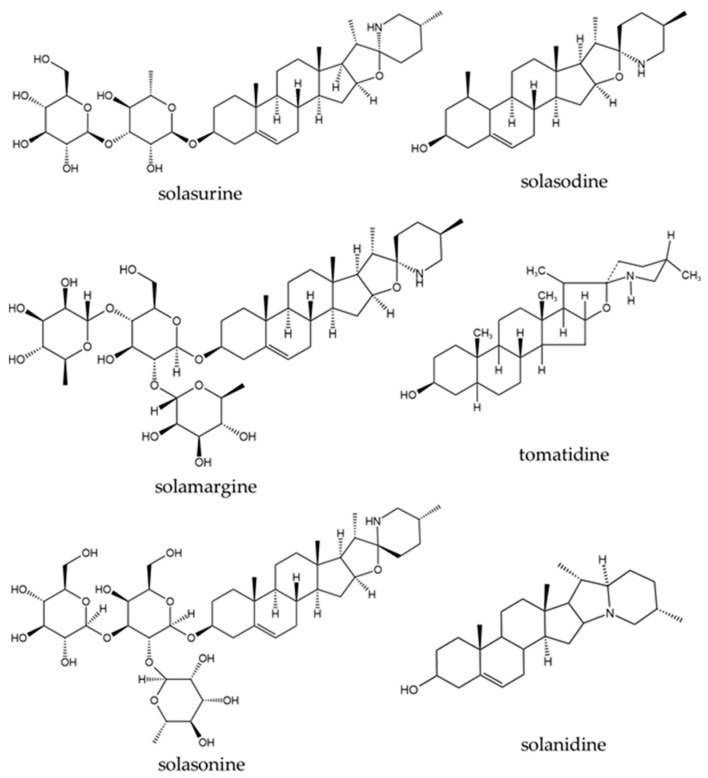 Figure 5
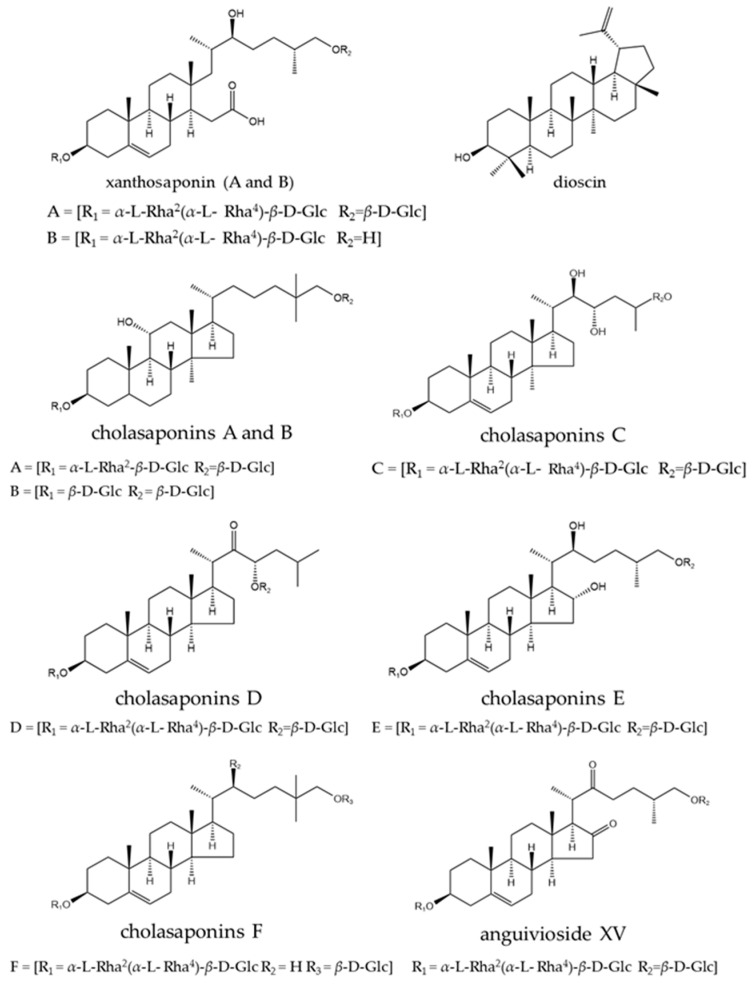 Figure 6
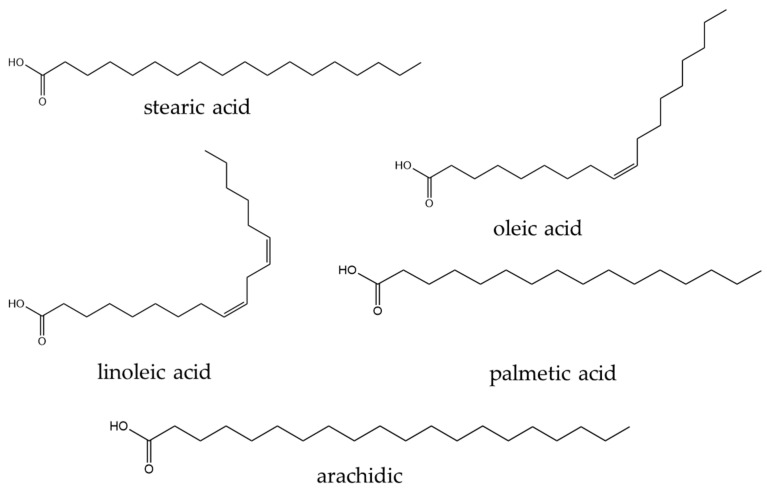 Figure 7
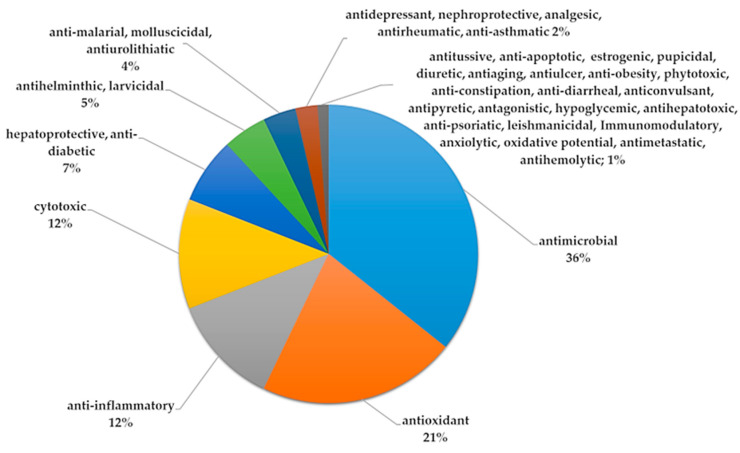 Figure 8
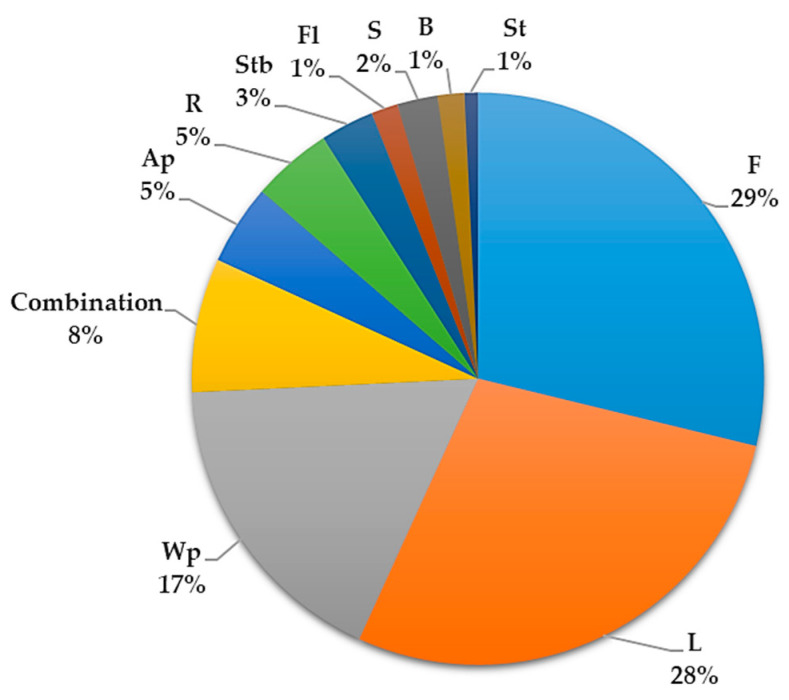 Figure 9
Peer Reviews
No public reviews on file for this paper yet. If you reviewed it on a platform where reviews are public (OpenReview, ICLR, NeurIPS, ICML), you can paste yours below so the community can read it here.
Videos
No videos yet. Explain this paper in a talk, walkthrough, or lecture? Add one.
Taxonomy
TopicsPhytochemical Studies and Bioactivities · Traditional and Medicinal Uses of Annonaceae · Potato Plant Research