Plasma Photoinactivation of Bacterial Isolated from Blood Donors Skin: Potential of Security Barrier in Transfusional Therapy
Yanet Ventura-Enríquez, Antonio Casas-Guerrero, María de Jesús Sánchez-Guzmán, Miguel Ángel Loyola-Cruz, Clemente Cruz-Cruz, Andres Emmanuel Nolasco-Rojas, Emilio Mariano Durán-Manuel, Dulce Milagros Razo Blanco-Hernández, Francisco Álvarez-Mora, Gabriela Ibáñez-Cervantes

TL;DR
This study explores using plasma photoinactivation to kill virulent bacteria from blood donors' skin, improving transfusion safety while preserving key blood components.
Contribution
The study demonstrates photoinactivation's potential as a safety barrier against virulent bacteria in transfusion therapy.
Findings
Photoinactivation effectively eliminated biofilm-producing, antibiotic-resistant bacteria from plasma.
Coagulation factors FVIII and FI retained 61% and 69% activity after treatment.
Effectiveness of photoinactivation varied with bacterial load and species.
Abstract
The presence of skin bacteria capable of forming biofilm, exhibiting antibiotic resistance, and displaying virulence represents a significant challenge in the field of transfusion medicine. This underscores the necessity of enhancing the microbiological safety of blood and blood components against pathogens with virulent characteristics. The aim of this work was to demonstrate bacterial inactivation in plasma by using a photoinactivation method against virulent bacteria and to evaluate coagulation factors before and after treatment. Logarithmic loads of biofilm-producing, antibiotic-resistant, and virulent bacteria isolated from skin (Enterobacter cloacae, Klebsiella ozaenae, and Staphylococcus epidermidis) were used in artificial contamination assays of fresh frozen plasma bags and subjected to photoreduction. FVIII and FI activity were evaluated before and after photoinactivation. The…
Genes, proteins, chemicals, diseases, species, mutations and cell lines named across the full text — each resolved to its canonical identifier and authoritative record.
Click any figure to enlarge with its caption.
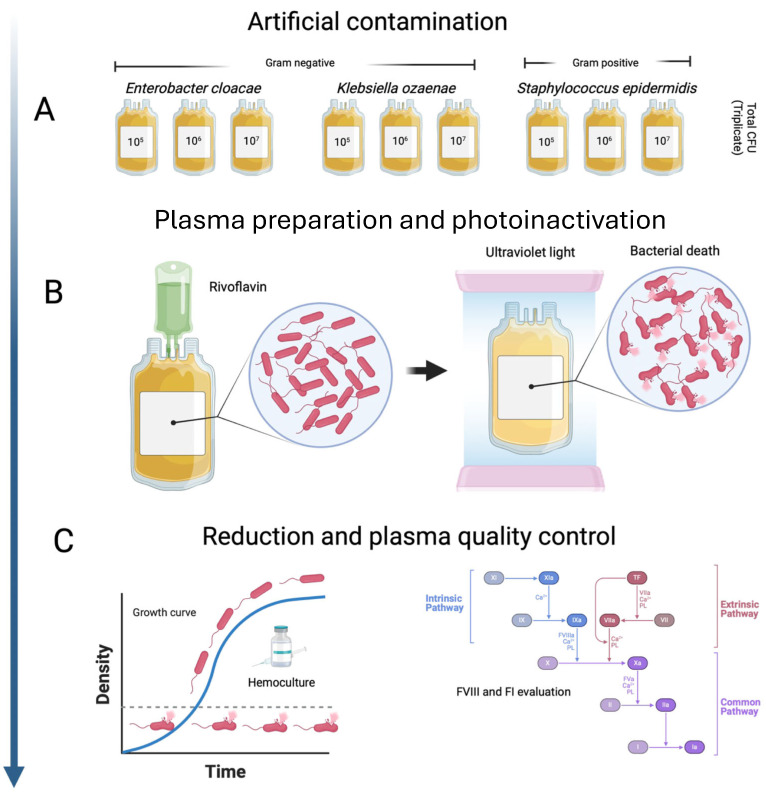 Figure 1
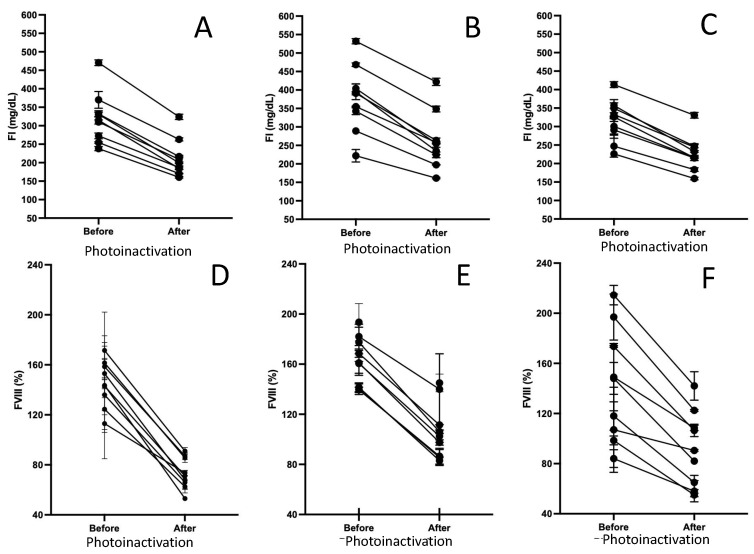 Figure 2
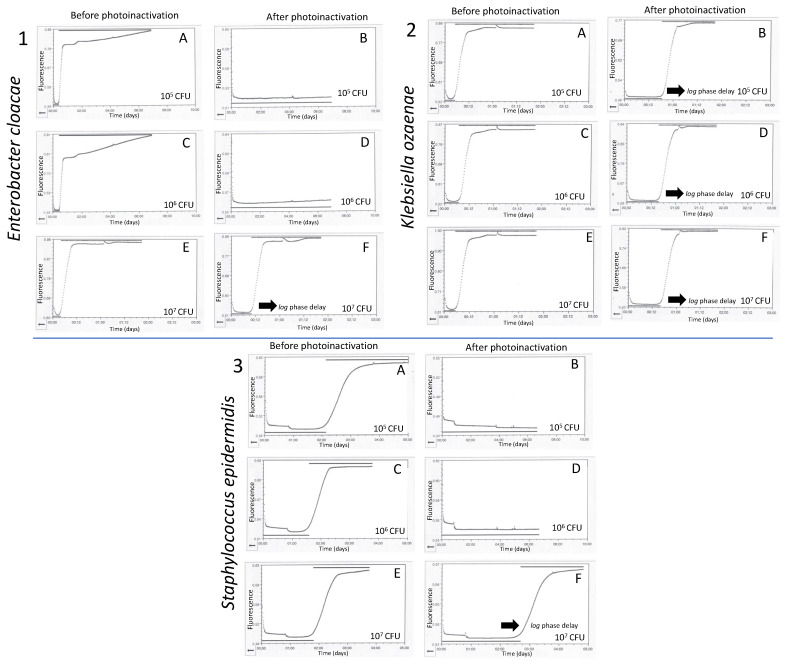 Figure 3
Peer Reviews
No public reviews on file for this paper yet. If you reviewed it on a platform where reviews are public (OpenReview, ICLR, NeurIPS, ICML), you can paste yours below so the community can read it here.
Videos
No videos yet. Explain this paper in a talk, walkthrough, or lecture? Add one.
Taxonomy
TopicsPhotodynamic Therapy Research Studies · Skin Protection and Aging · Advancements in Transdermal Drug Delivery