Uncovering the Therapeutic Potential of Lithium Chloride in Type 2 Diabetic Cardiomyopathy: Targeting Tau Hyperphosphorylation and TGF-β Signaling via GSK-3β Inhibition
Layal Abou Assi, Sahar Alkhansa, Rachel Njeim, Jaafar Ismail, Mikel Madi, Hilda E. Ghadieh, Sarah Al Moussawi, Tanya S. Azar, Maurice Ayoub, William S. Azar, Sarah Hamade, Rashad Nawfal, Nina-Rossa Haddad, Frederic Harb, Wissam Faour, Mahmoud I. Khalil, Assaad A. Eid

TL;DR
This study explores how lithium chloride may help treat heart complications in type 2 diabetes by targeting tau and TGF-β signaling.
Contribution
The study reveals a novel link between tau hyperphosphorylation and TGF-β signaling in diabetic cardiomyopathy, suggesting lithium as a potential therapy.
Findings
Lithium chloride reduced cardiac fibrosis and improved heart function in diabetic rats.
Tau hyperphosphorylation was associated with TGF-β activation and inflammation in diabetic hearts.
Inhibiting GSK-3β suppressed tau phosphorylation and reduced TGF-β expression.
Abstract
Diabetic cardiomyopathy (DCM) is a major complication of type 2 diabetes mellitus (T2DM) that leads to significant morbidity and mortality. The alteration in the signaling mechanism in diabetes leading to cardiomyopathy remains unclear. The purpose of this study is to investigate the role of tauopathy in myocardial dysfunction observed in T2DM. In that regard, diabetic Sprague Dawley rats were treated with intraperitoneal injections of lithium chloride (LiCl), inhibiting tau phosphorylation. Cardiac function was evaluated, and molecular markers of myocardial fibrosis and the TGF-β signaling were analyzed. T2DM rats exhibited a decline in ejection fraction and fractional shortening that revealed cardiac function abnormalities and increased myocardial fibrosis. These changes were associated with tau hyperphosphorylation. Treating diabetic rats with LiCl attenuated cardiac fibrosis and…
Genes, proteins, chemicals, diseases, species, mutations and cell lines named across the full text — each resolved to its canonical identifier and authoritative record.
Click any figure to enlarge with its caption.
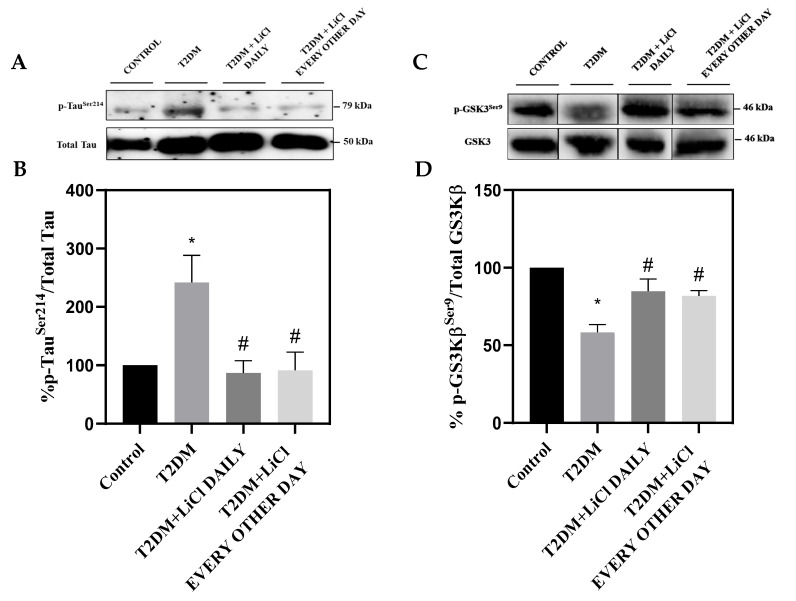 Figure 1
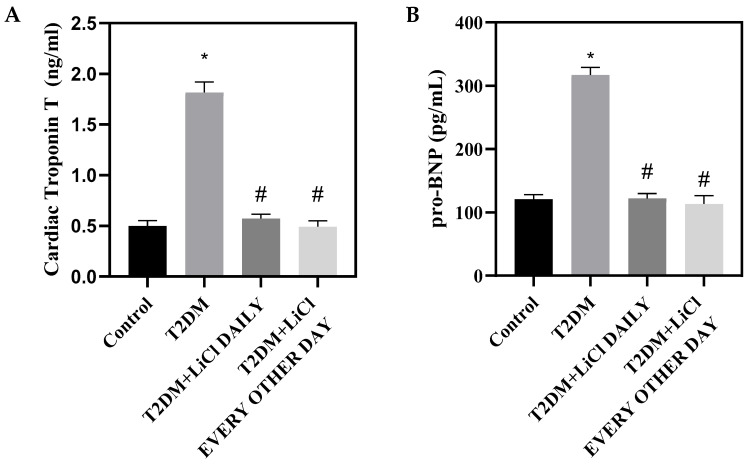 Figure 2
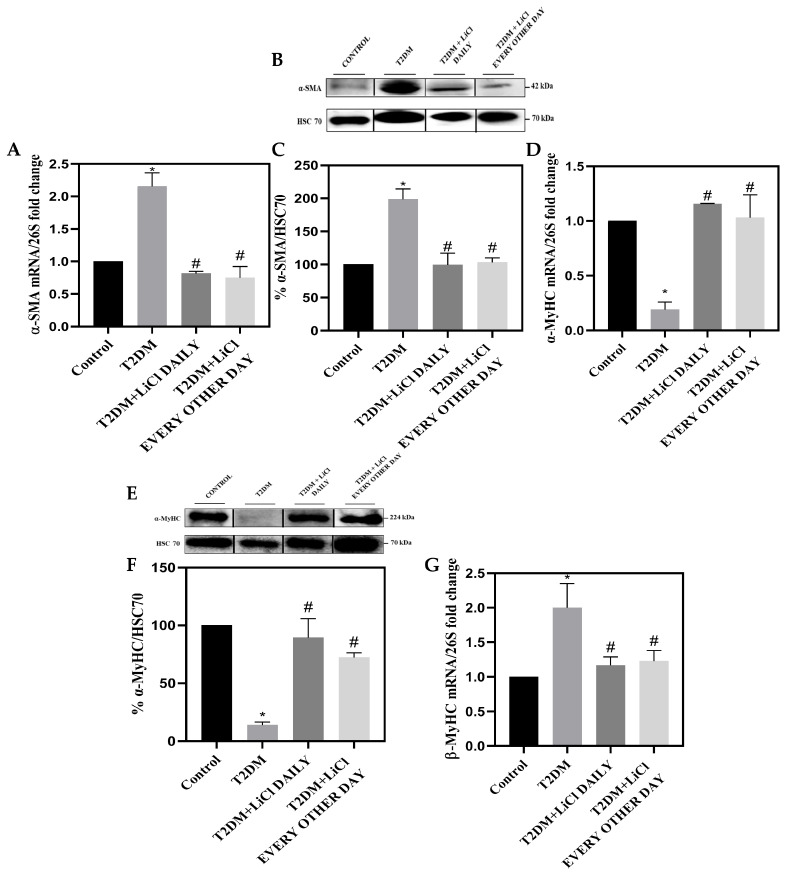 Figure 3
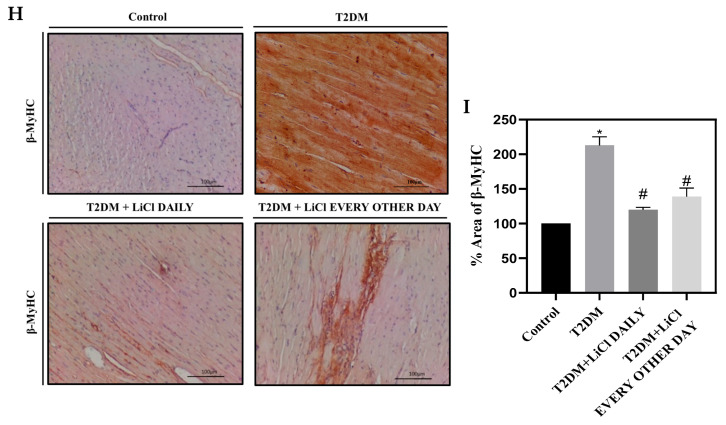 Figure 4
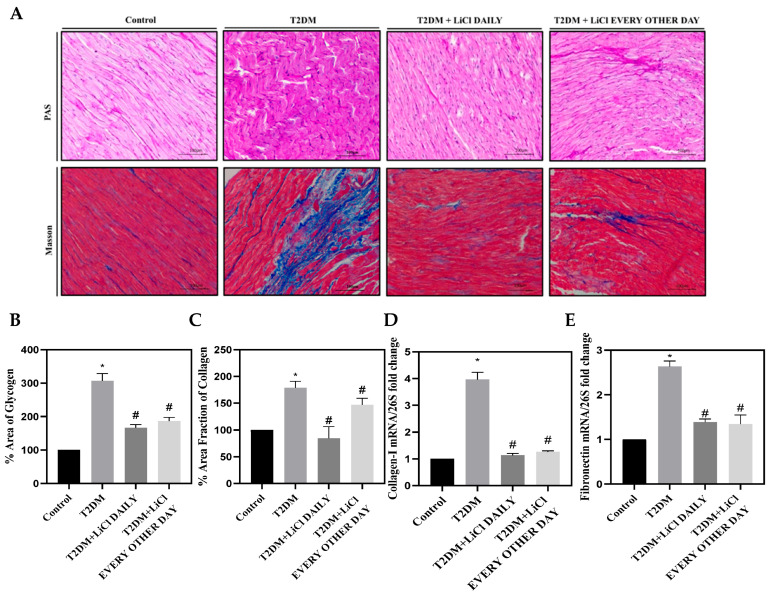 Figure 5
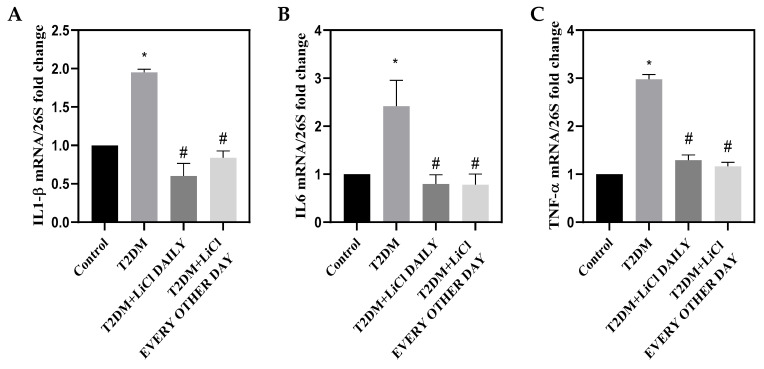 Figure 6
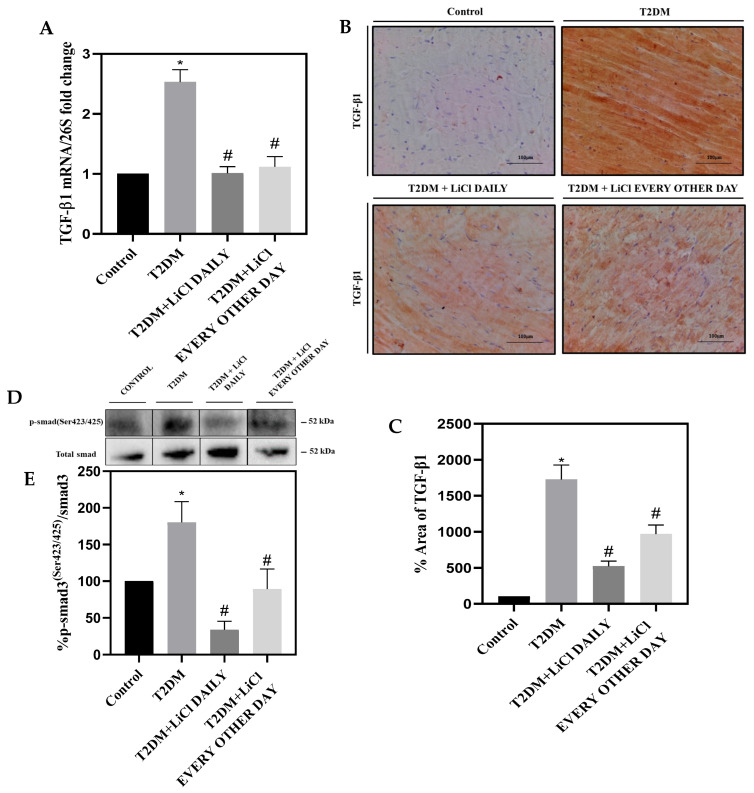 Figure 7
 Figure 8
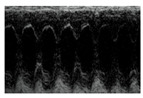 Figure 9
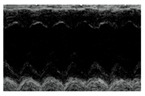 Figure 10
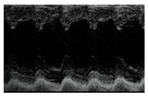 Figure 11
Peer Reviews
No public reviews on file for this paper yet. If you reviewed it on a platform where reviews are public (OpenReview, ICLR, NeurIPS, ICML), you can paste yours below so the community can read it here.
Videos
No videos yet. Explain this paper in a talk, walkthrough, or lecture? Add one.
Taxonomy
TopicsCardiovascular Function and Risk Factors · Parkinson's Disease Mechanisms and Treatments · Cardiac Fibrosis and Remodeling