Synthesis, Radiolabeling, and Biodistribution Study of a Novel DOTA-Peptide for Targeting Vascular Endothelial Growth Factor Receptors in the Molecular Imaging of Breast Cancer
Fatemeh Ebrahimi, Nooshin Reisi Zargari, Mehdi Akhlaghi, S. Mohsen Asghari, Khosrou Abdi, Saeed Balalaie, Mahboobeh Asadi, Davood Beiki

TL;DR
This study develops a new radiolabeled peptide for imaging breast cancer by targeting VEGFR receptors, showing high tumor targeting and rapid excretion.
Contribution
A novel DOTA-peptide conjugate is synthesized and radiolabeled for VEGFR imaging in breast cancer with high tumor targeting and radiochemical purity.
Findings
The radiolabeled peptide [68Ga]Ga-DOTA-Ahx-VGB3 achieved high radiochemical purity (98%) and tumor targeting in mice.
The peptide was rapidly excreted via the renal system, making it suitable for noninvasive imaging.
Approximately 17% of the radiopeptide was internalized in 4T1 cells within 2 hours.
Abstract
As angiogenesis plays a pivotal role in tumor progression and metastasis, leading to more cancer-related deaths, the angiogenic process can be considered as a target for diagnostic and therapeutic applications. The vascular endothelial growth factor receptor-1 (VEGR-1) and VEGFR-2 have high expression on breast cancer cells and contribute to angiogenesis and tumor development. Thus, early diagnosis through VEGFR-1/2 detection is an excellent strategy that can significantly increase a patient’s chance of survival. In this study, the VEGFR1/2-targeting peptide VGB3 was conjugated with 1,4,7,10-tetraazacyclododecane-1,4,7,10-tetraacetic acid (DOTA), using 6-aminohexanoic acid (Ahx) as a spacer to prevent steric hindrance in binding. DOTA-Ahx-VGB3 was radiolabeled with Gallium-68 (68Ga) efficiently. An in vitro cell binding assay was assessed in the 4T1 cell line. The tumor-targeting…
Genes, proteins, chemicals, diseases, species, mutations and cell lines named across the full text — each resolved to its canonical identifier and authoritative record.
Click any figure to enlarge with its caption.
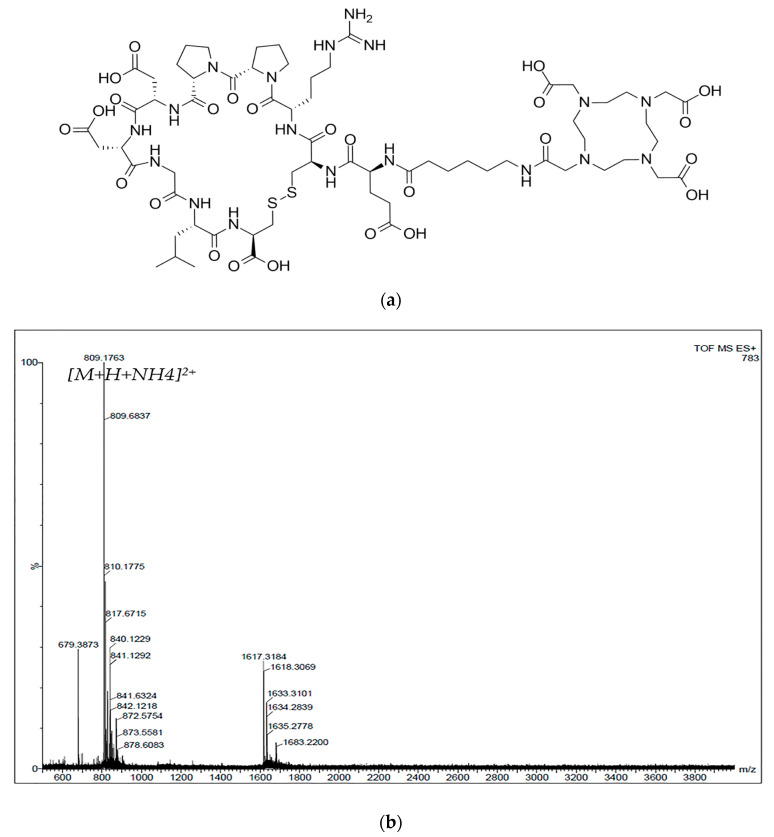 Figure 1
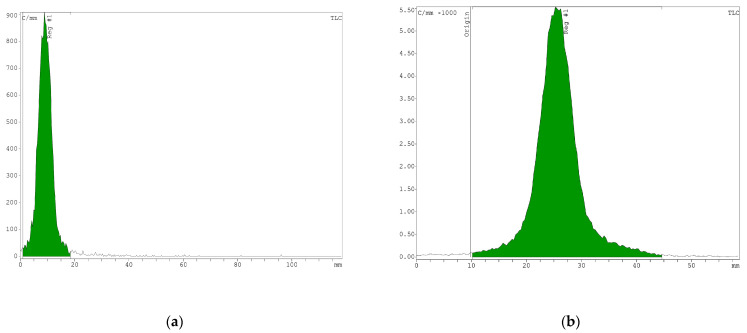 Figure 2
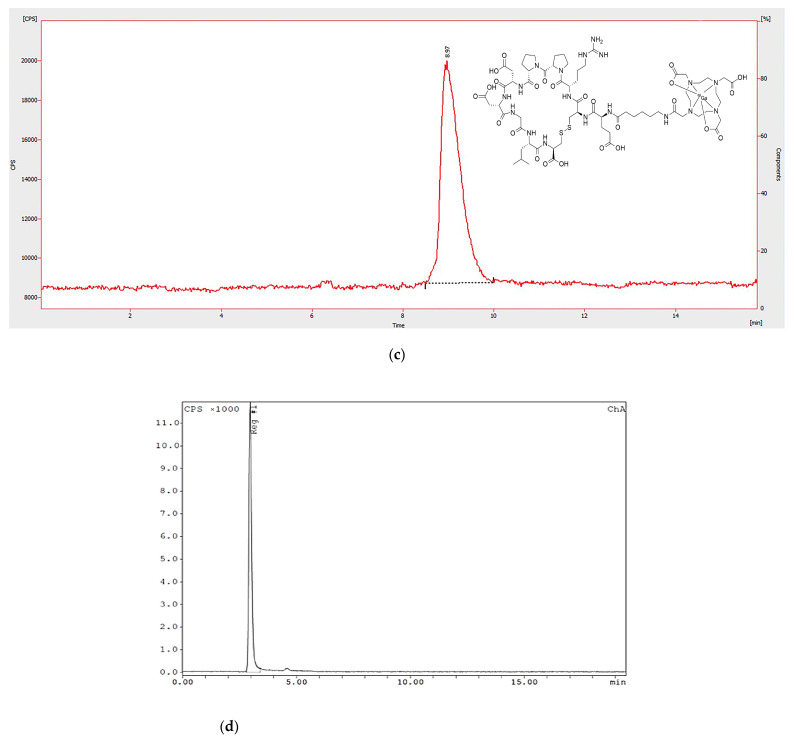 Figure 3
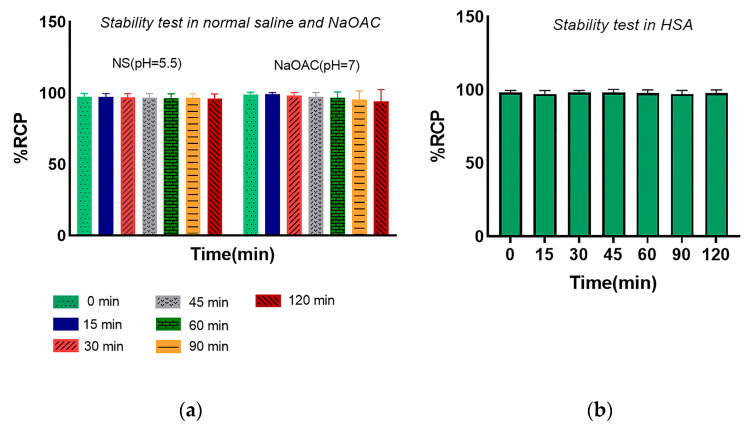 Figure 4
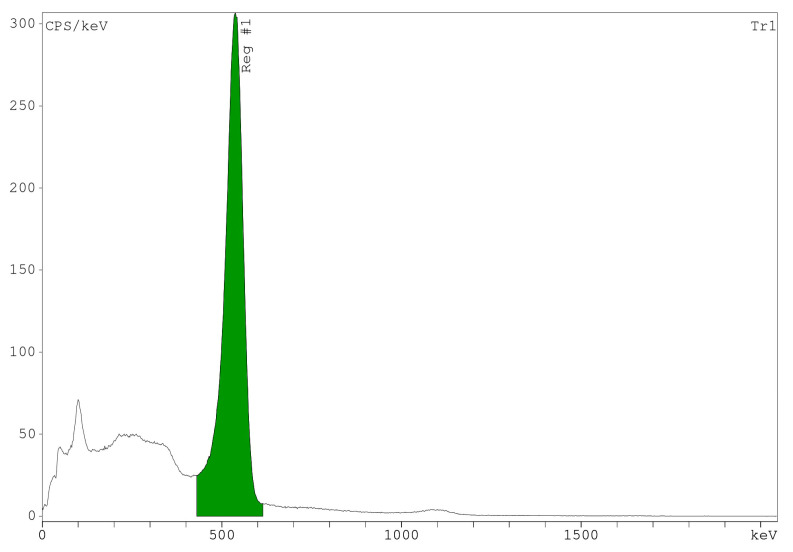 Figure 5
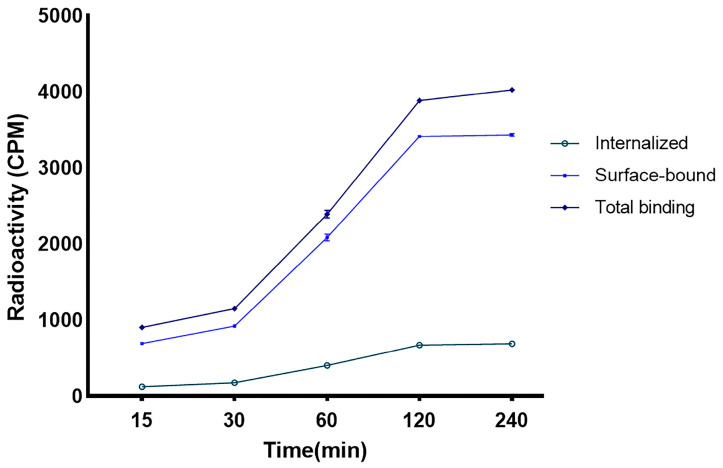 Figure 6
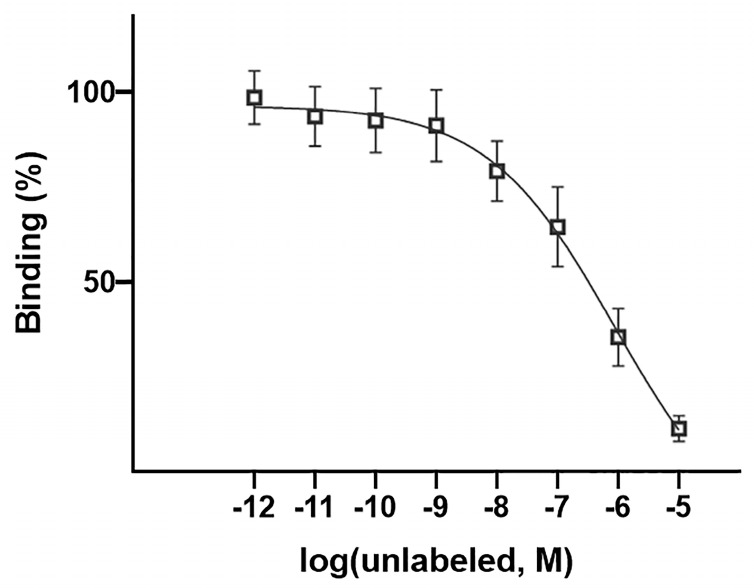 Figure 7
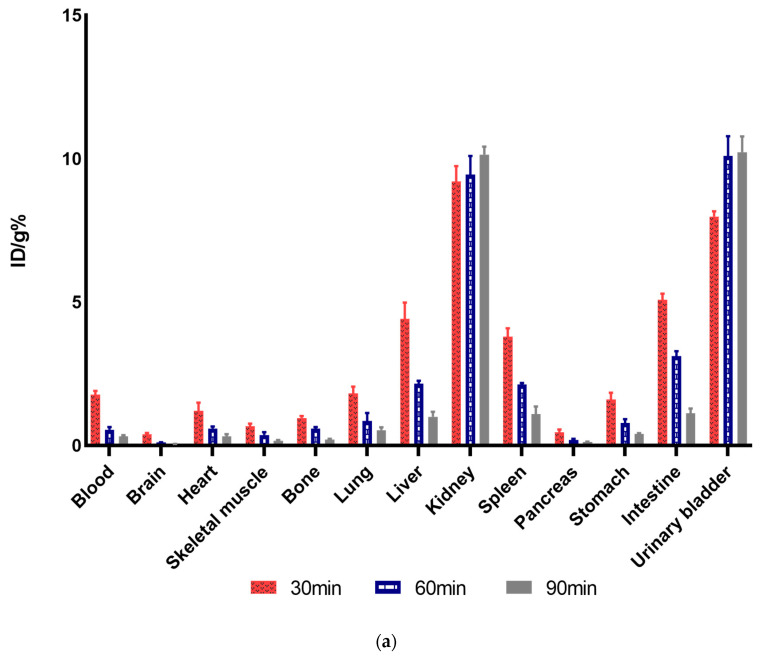 Figure 8
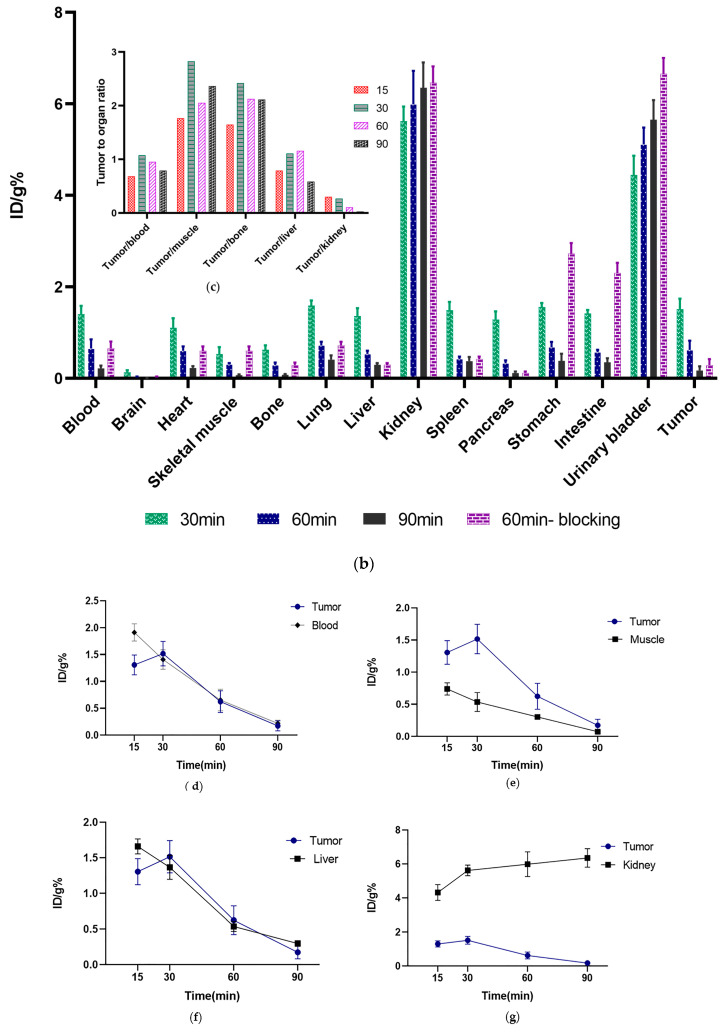 Figure 9
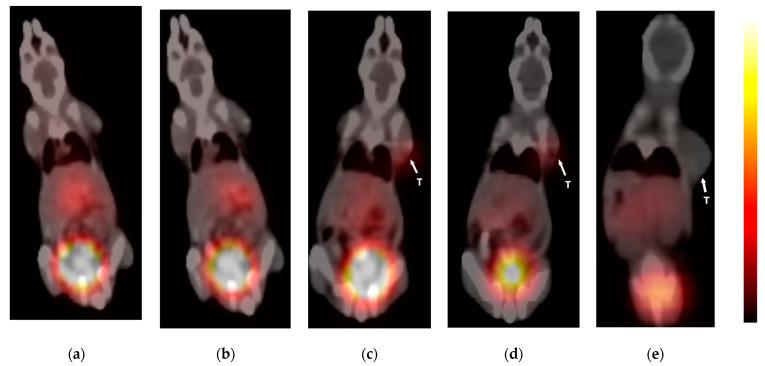 Figure 10
Peer Reviews
No public reviews on file for this paper yet. If you reviewed it on a platform where reviews are public (OpenReview, ICLR, NeurIPS, ICML), you can paste yours below so the community can read it here.
Videos
No videos yet. Explain this paper in a talk, walkthrough, or lecture? Add one.
Taxonomy
TopicsAngiogenesis and VEGF in Cancer · Radiopharmaceutical Chemistry and Applications · Nanoplatforms for cancer theranostics