Shifting Mycobacterial Serine Hydrolase Activity Visualized Using Multi-Layer In-Gel Activity Assays
Allison L. Goss, Renee E. Shudick, R. Jeremy Johnson

TL;DR
This study uses a new method to visualize how mycobacteria change their enzyme activity in response to different growth conditions, which could help identify new drug targets.
Contribution
A novel multi-layer in-gel activity assay is introduced to rapidly and concurrently analyze mycobacterial serine hydrolase activity under various conditions.
Findings
Mycobacterial hydrolases show dynamic activity shifts across growth conditions and ester substrates.
Longer ester chain lengths reveal distinct hydrolase activity patterns, likely linked to lipid breakdown.
High-stress growth conditions induce robust hydrolase activity, suggesting potential for new drug targets.
Abstract
The ability of Mycobacterium tuberculosis to derive lipids from the host, store them intracellularly, and then break them down into energy requires a battery of serine hydrolases. Serine hydrolases are a large, diverse enzyme family with functional roles in dormant, active, and reactivating mycobacterial cultures. To rapidly measure substrate-dependent shifts in mycobacterial serine hydrolase activity, we combined a robust mycobacterial growth system of nitrogen limitation and variable carbon availability with nimble in-gel fluorogenic enzyme measurements. Using this methodology, we rapidly analyzed a range of ester substrates, identified multiple hydrolases concurrently, observed functional enzyme shifts, and measured global substrate preferences. Within every growth condition, mycobacterial hydrolases displayed the full, dynamic range of upregulated, downregulated, and constitutively…
Genes, proteins, chemicals, diseases, species, mutations and cell lines named across the full text — each resolved to its canonical identifier and authoritative record.
Click any figure to enlarge with its caption.
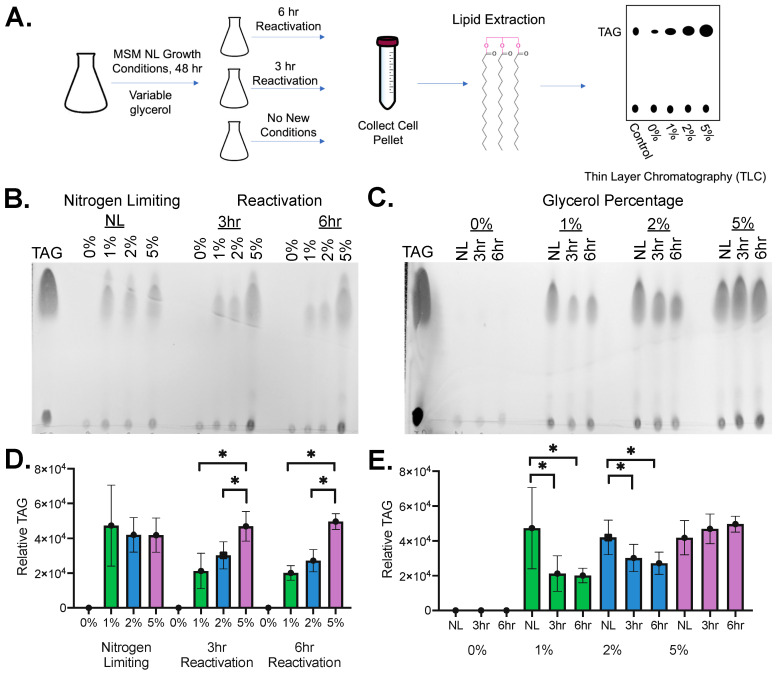 Figure 1
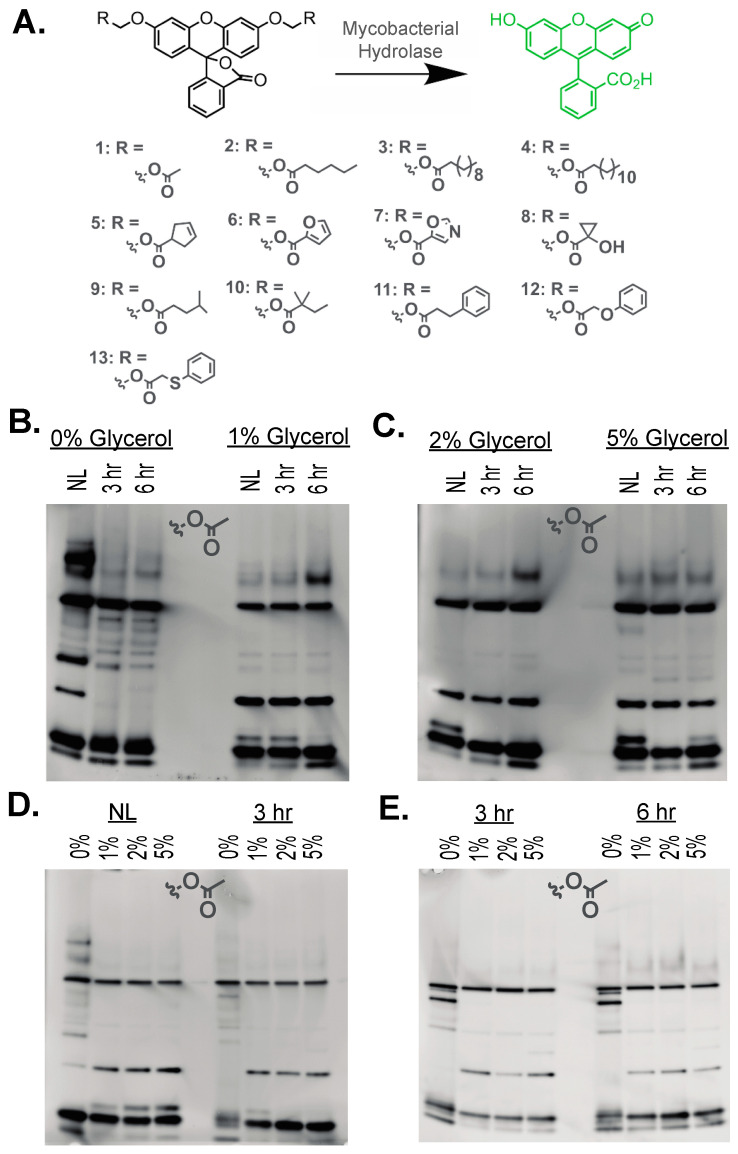 Figure 2
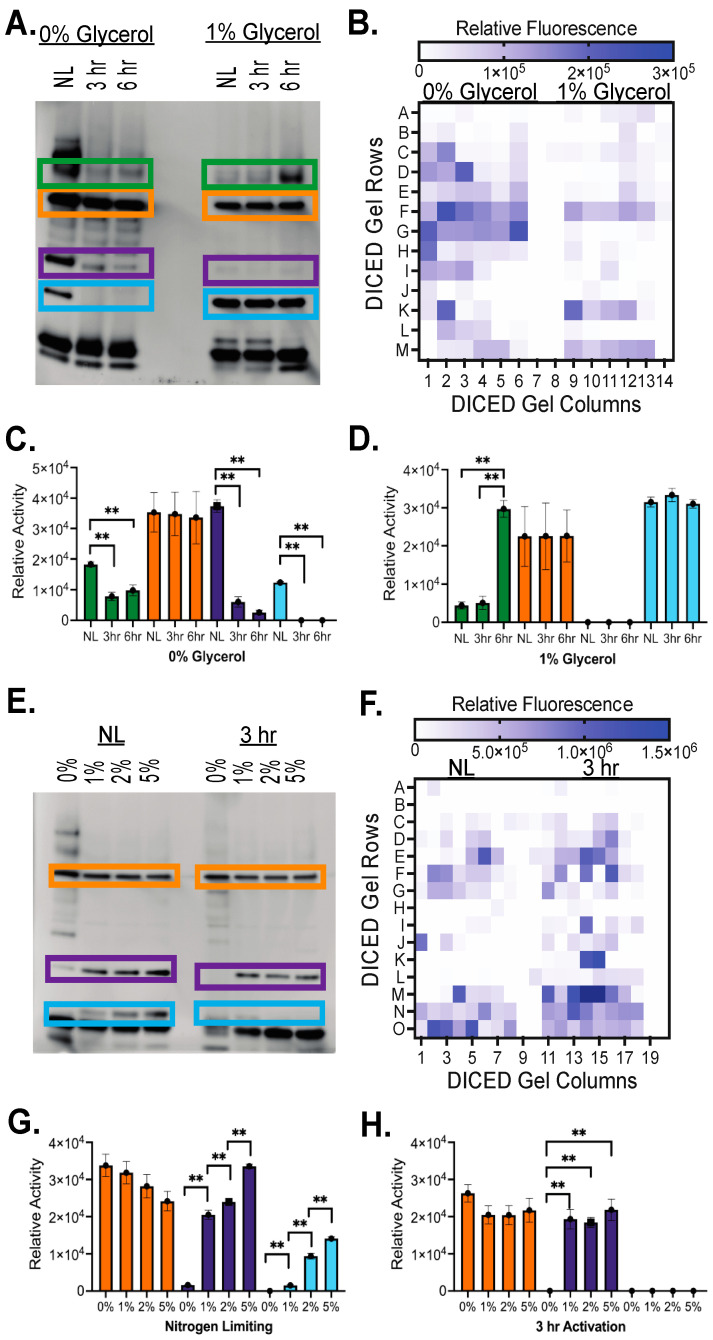 Figure 3
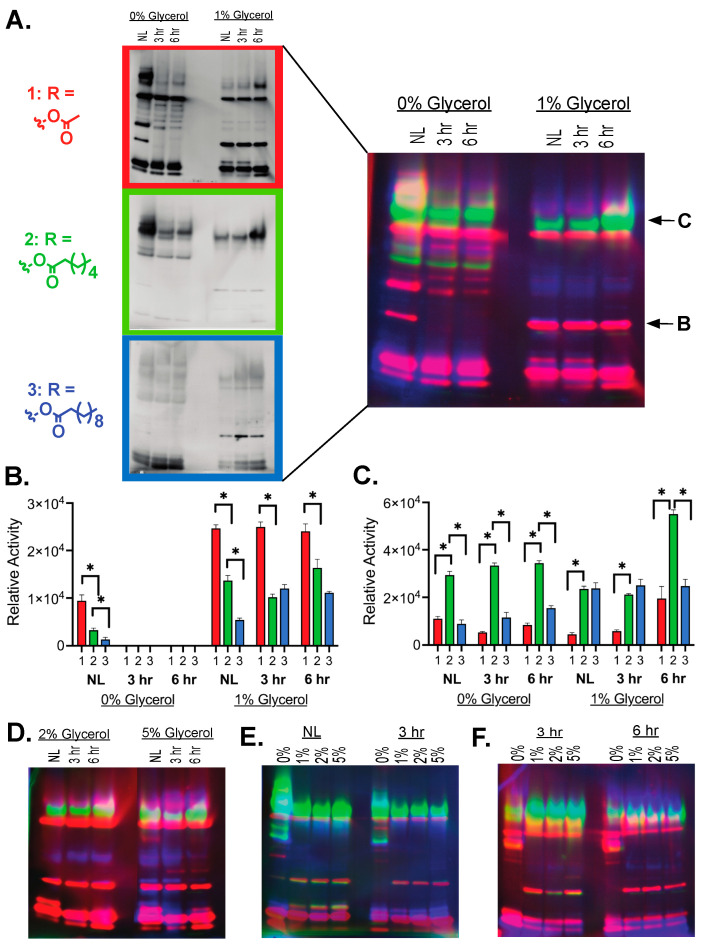 Figure 4
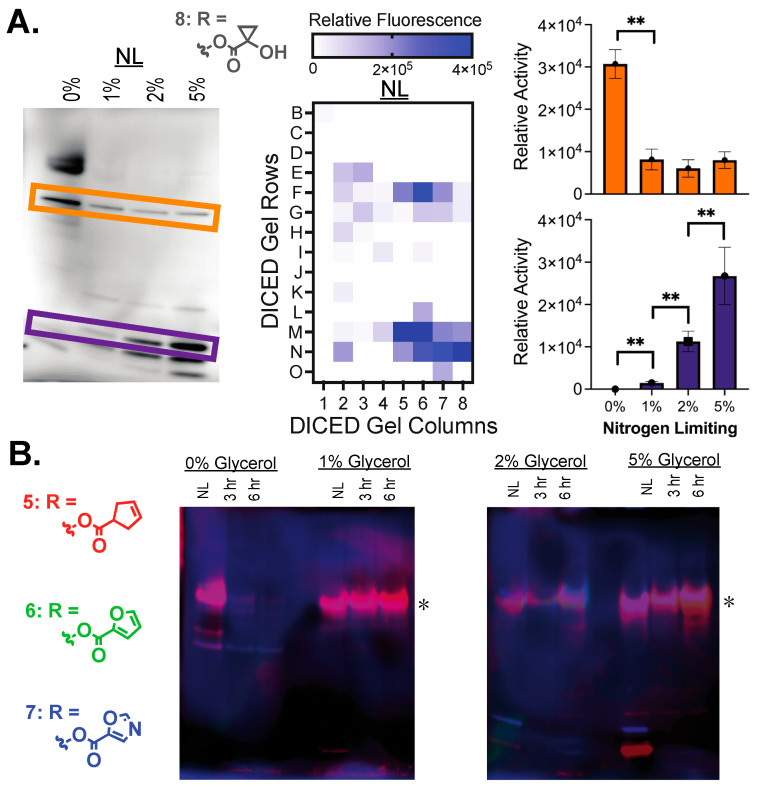 Figure 5
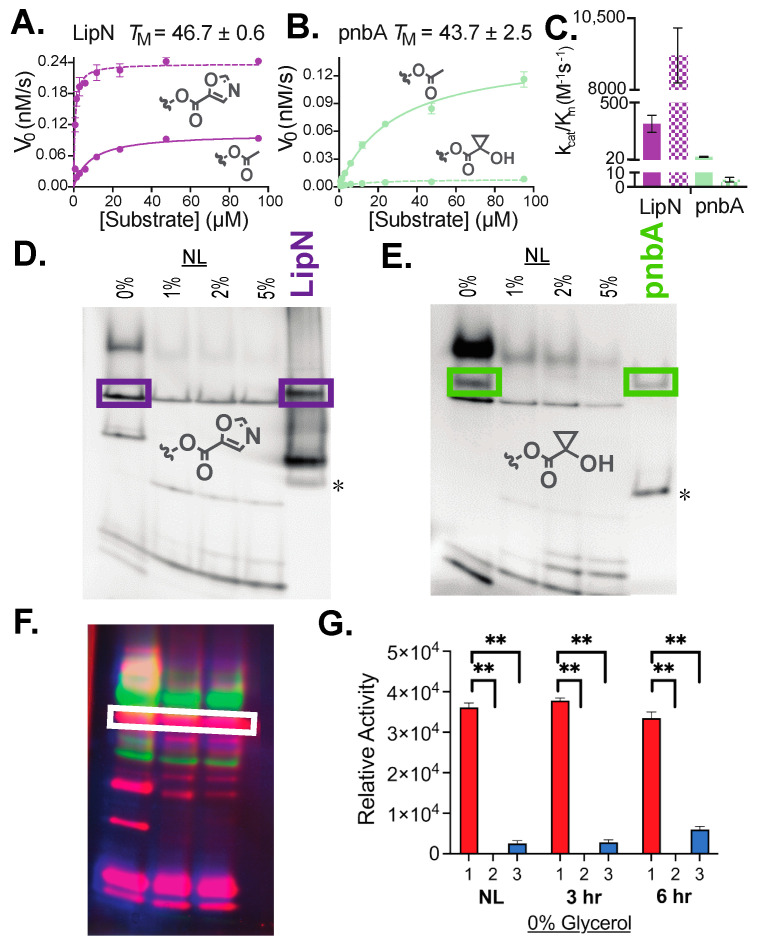 Figure 6
Peer Reviews
No public reviews on file for this paper yet. If you reviewed it on a platform where reviews are public (OpenReview, ICLR, NeurIPS, ICML), you can paste yours below so the community can read it here.
Videos
No videos yet. Explain this paper in a talk, walkthrough, or lecture? Add one.
Taxonomy
TopicsBiochemical and Molecular Research · Carbohydrate Chemistry and Synthesis · Chemical Synthesis and Analysis