Exploring Selenide Synthesis Pathways for Optimizing Energy Conversion
Anna Kusior, Fabian Wieczorek, Jakub Dechnik, Andrzej Mikuła

TL;DR
This paper explores how different combinations of nickel, cobalt, and iron selenides affect their structure and electrochemical performance, aiming to improve energy conversion.
Contribution
The study reveals how varying d-block metal ratios influences structural stability and electrochemical behavior of selenides.
Findings
Quaternary selenides with higher d-block metal content show increased structural entropy and stability.
Nickel selenide-based samples have the highest electrochemically active surface area.
Balanced ratios of nickel, cobalt, and iron enhance electrode stability.
Abstract
This study investigated the structural and electrochemical characteristics of binary and quaternary systems comprising nickel, cobalt, and iron selenides. The powders were obtained via a solvothermal route. X-ray diffraction (XRD) and Raman spectroscopy revealed significant phase diversity. It was observed that increasing the proportion of d-block metals in quaternary systems enhances structural entropy, potentially leading to more homogeneous and stable structures dominated by energetically preferred components such as nickel. The electrochemical analysis indicated that the binary system exhibited a reversible redox reaction, with nickel selenide-based samples demonstrating the highest electrochemically active surface area. Quaternary systems display varying degrees of electrochemical stability. An equal contribution of nickel, cobalt, and iron appears beneficial in achieving stable…
Genes, proteins, chemicals, diseases, species, mutations and cell lines named across the full text — each resolved to its canonical identifier and authoritative record.
Click any figure to enlarge with its caption.
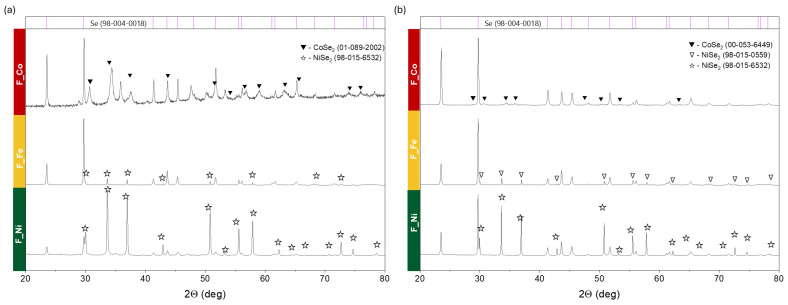 Figure 1
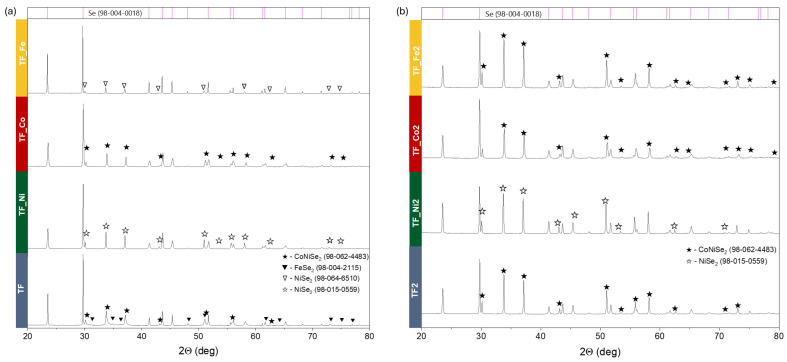 Figure 2
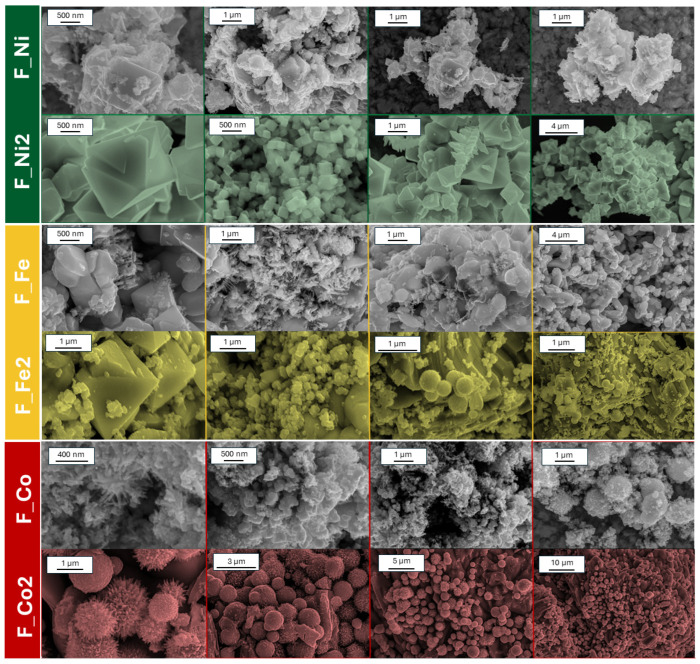 Figure 3
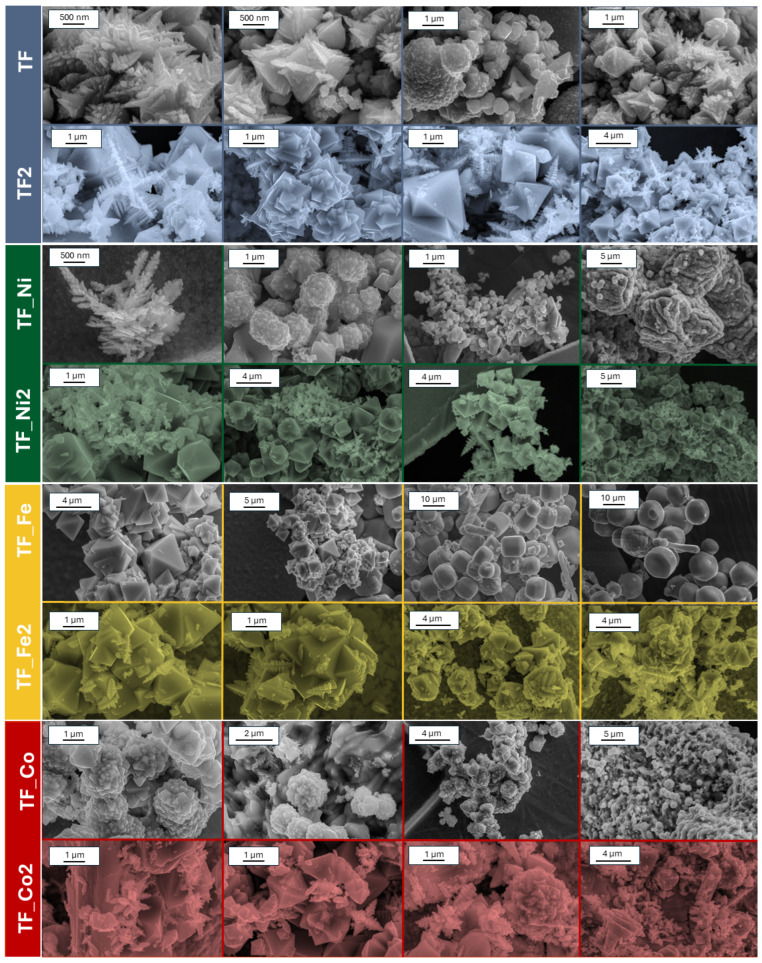 Figure 4
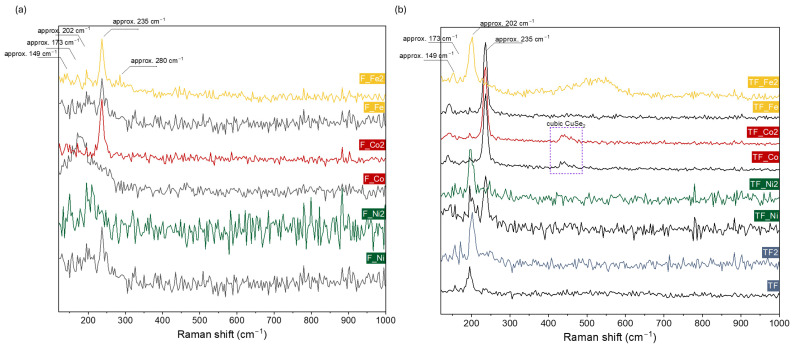 Figure 5
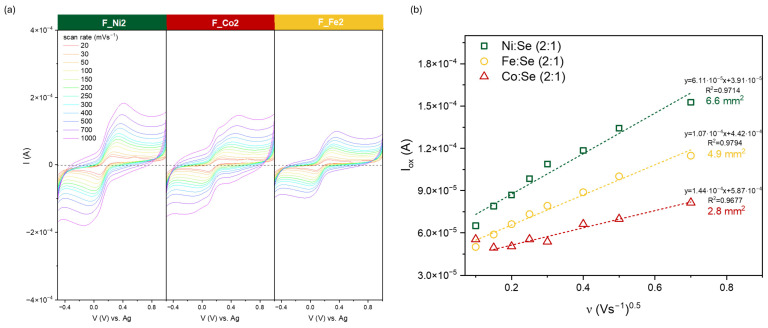 Figure 6
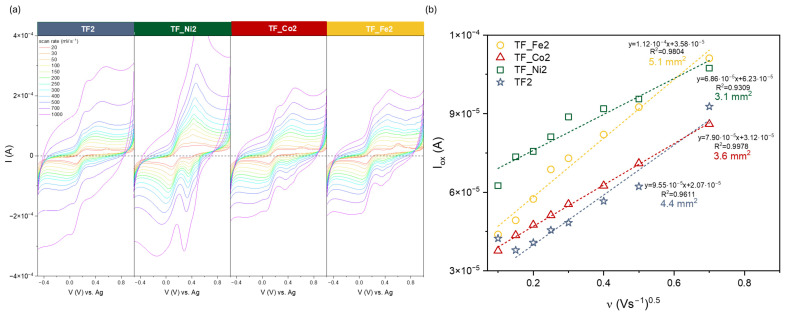 Figure 7
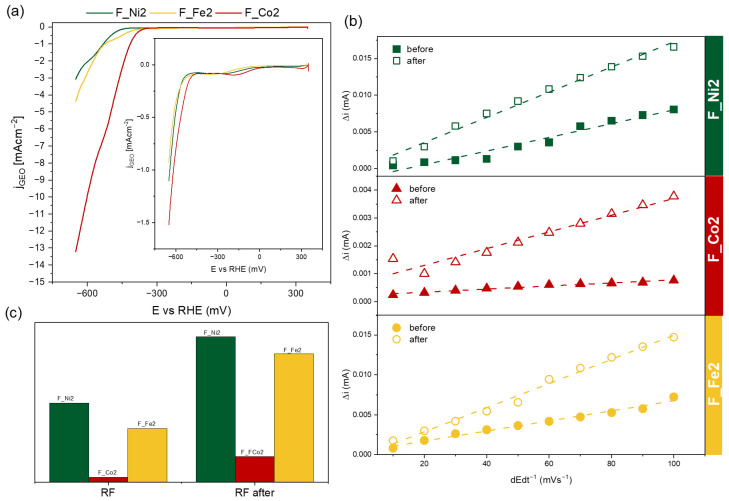 Figure 8
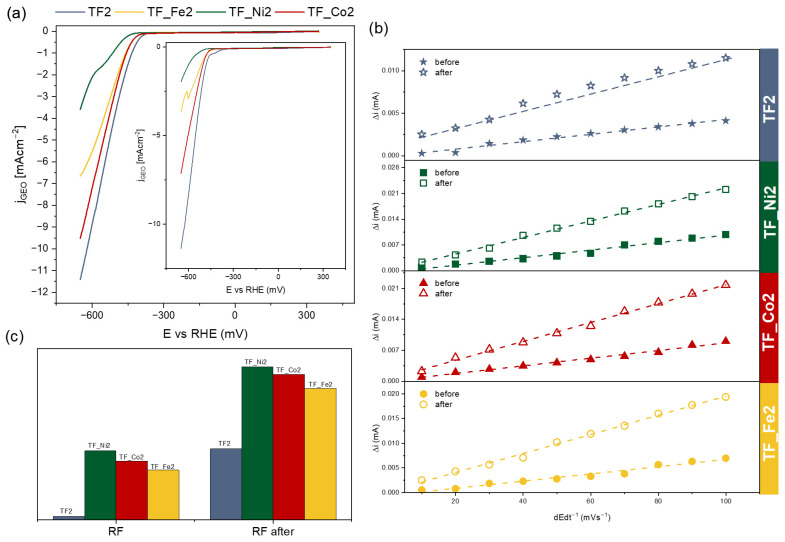 Figure 9
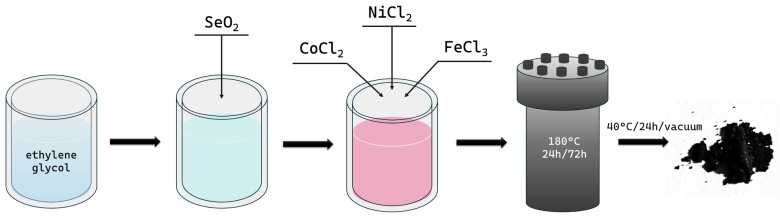 Figure 10
Peer Reviews
No public reviews on file for this paper yet. If you reviewed it on a platform where reviews are public (OpenReview, ICLR, NeurIPS, ICML), you can paste yours below so the community can read it here.
Videos
No videos yet. Explain this paper in a talk, walkthrough, or lecture? Add one.
Taxonomy
TopicsChalcogenide Semiconductor Thin Films · Organoselenium and organotellurium chemistry · Electrocatalysts for Energy Conversion