Complexes of Zinc-Coordinated Heteroaromatic N-Oxides with Pyrene: Lewis Acid Effects on the Multicenter Donor–Acceptor Bonding
Yakov P. Nizhnik, Erin Hansen, Cayden Howard, Matthias Zeller, Sergiy V. Rosokha

TL;DR
This study explores how zinc coordination affects the bonding between N-oxides and pyrene, revealing stronger interactions through electrostatic and orbital effects.
Contribution
The paper introduces new insights into how Lewis acids like ZnCl2 enhance multicenter donor–acceptor bonding in N-oxide–pyrene complexes.
Findings
Coordination with ZnCl2 increases the positive electrostatic potential on π-acceptor surfaces.
ZnCl2 coordination strengthens multicenter bonding through electrostatic and molecular-orbital interactions.
Dark co-crystals form from Zn-coordinated N-oxides and pyrene, similar to protonated or BF3-bonded systems.
Abstract
4-Nitroquinoline-N-oxide (NQO) and 4-nitropyridine-N-oxide (NPO) are important precursors for the synthesis of substituted heterocycles while NQO is a popular model mutagen and carcinogen broadly used in cancer research; intermolecular interactions are critical for their reactions or functioning in vivo. Herein, the effects of the coordination of N-oxide’s oxygen atom to Lewis acids on multicenter donor–acceptor bonding were explored via a combination of experimental and computational studies of the complexes of NQO and NPO with a typical π-electron donor, pyrene. Coordination with ZnCl2 increased the positive electrostatic potentials on the surfaces of these π-acceptors and lowered the energy of their LUMO. Analogous effects were observed upon the protonation of the N-oxides’ oxygen or bonding with boron trifluoride. The interaction of ZnCl2, NPO, or NQO and pyrene resulted in the…
Genes, proteins, chemicals, diseases, species, mutations and cell lines named across the full text — each resolved to its canonical identifier and authoritative record.
Click any figure to enlarge with its caption.
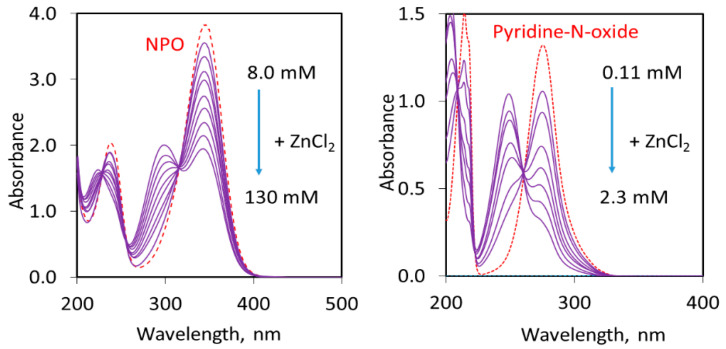 Figure 1
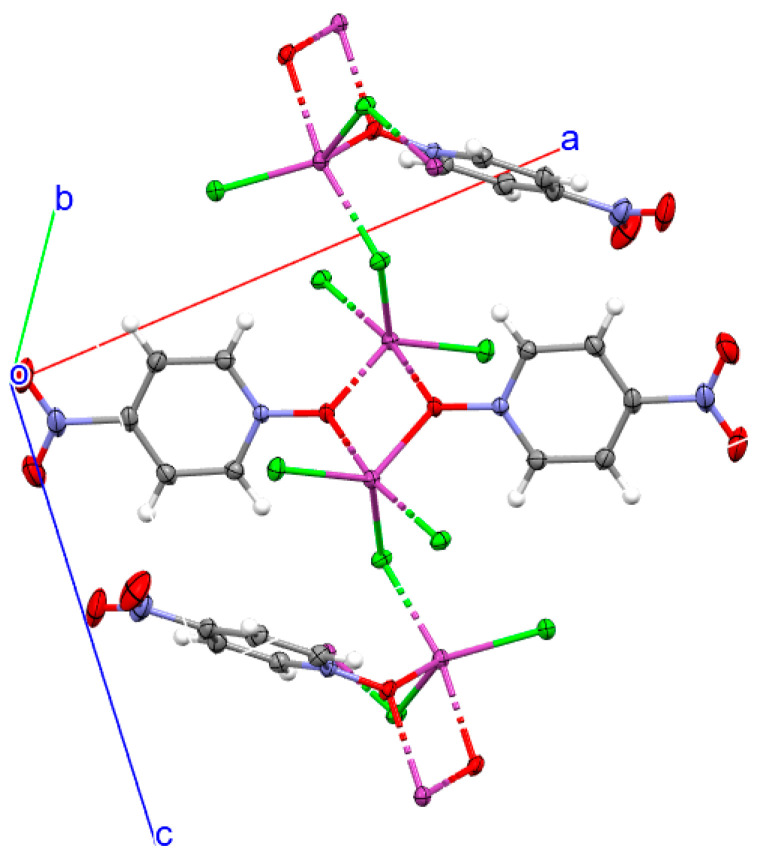 Figure 2
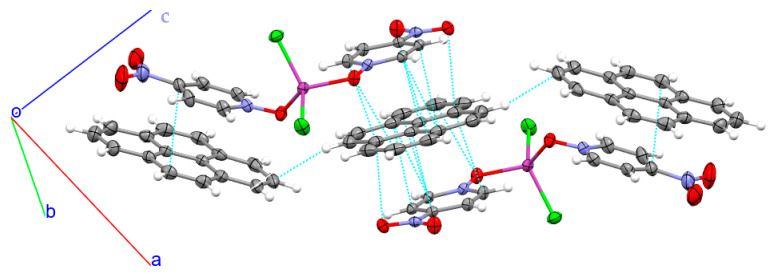 Figure 3
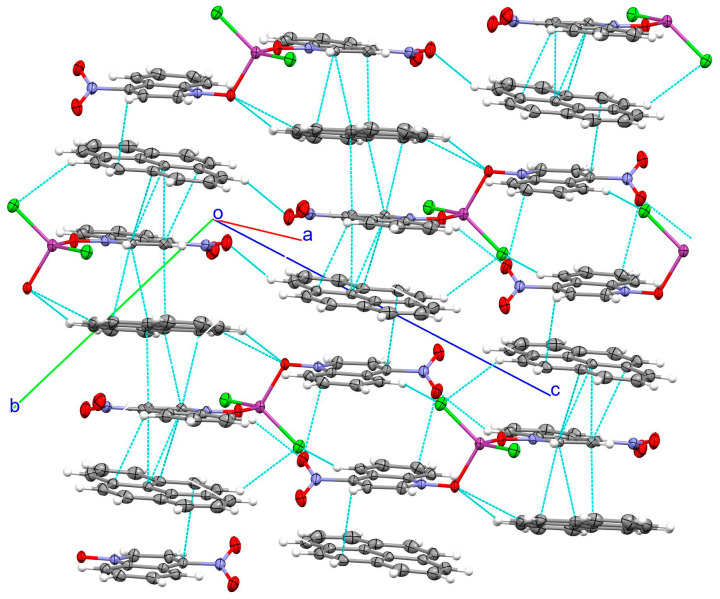 Figure 4
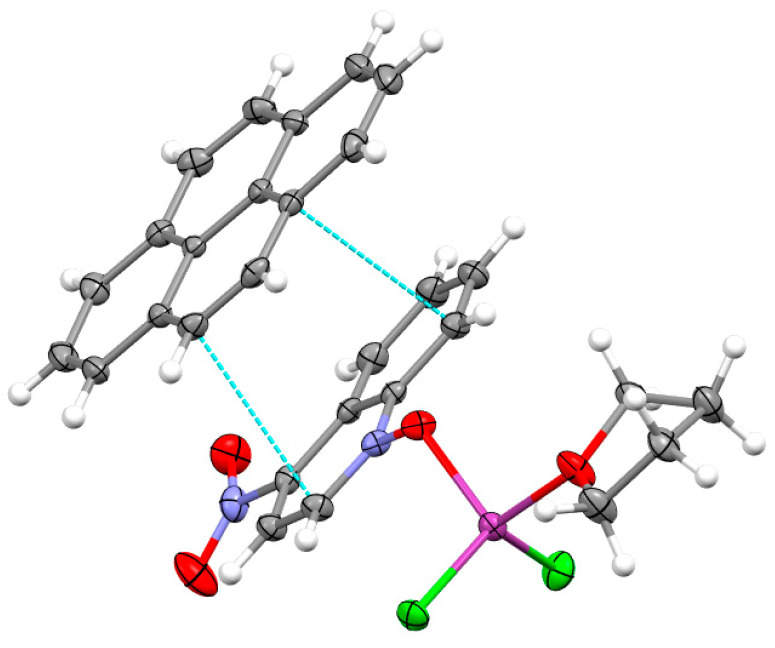 Figure 5
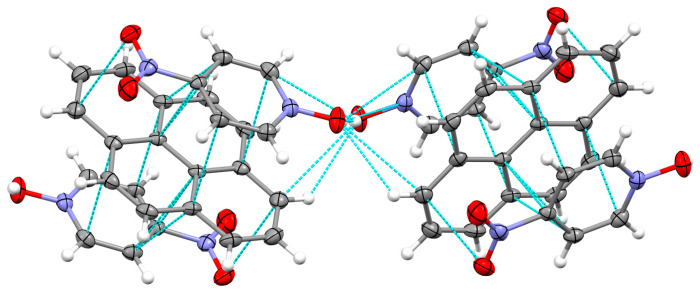 Figure 6
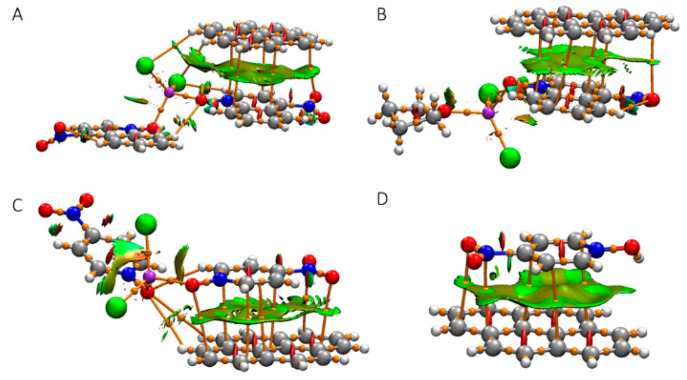 Figure 7
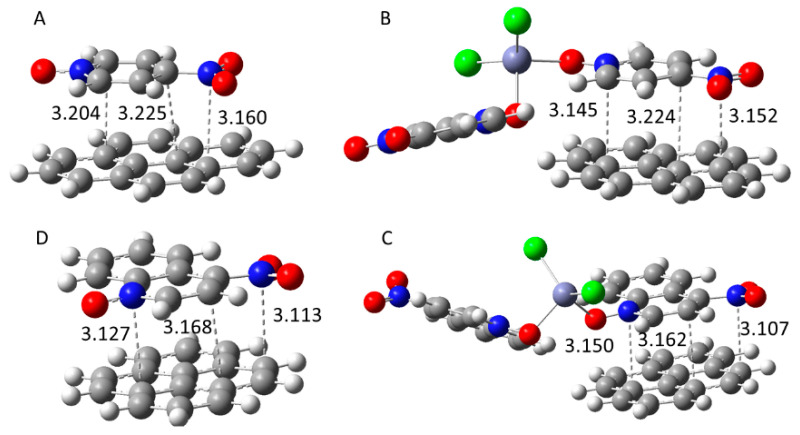 Figure 8
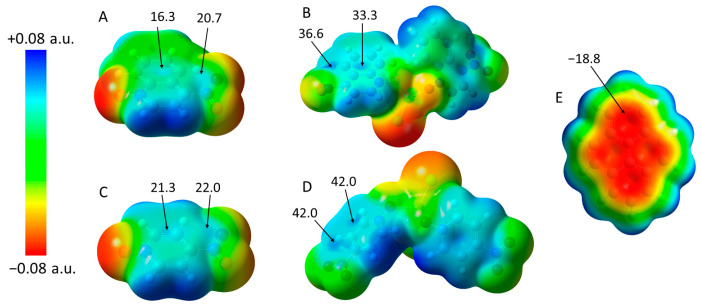 Figure 9
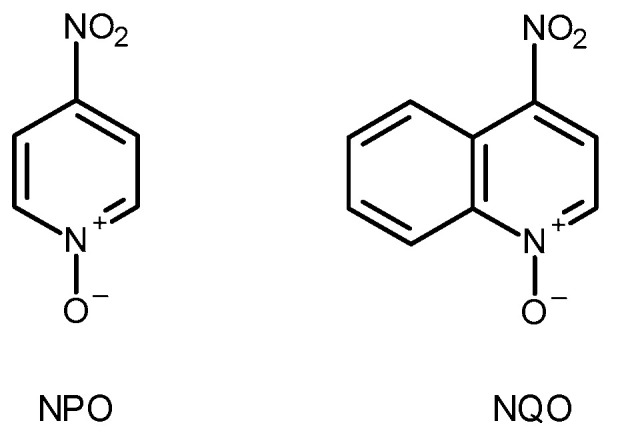 Figure 10
Peer Reviews
No public reviews on file for this paper yet. If you reviewed it on a platform where reviews are public (OpenReview, ICLR, NeurIPS, ICML), you can paste yours below so the community can read it here.
Videos
No videos yet. Explain this paper in a talk, walkthrough, or lecture? Add one.
Taxonomy
TopicsOrganic Chemistry Cycloaddition Reactions · Crystallography and molecular interactions · Chemical Reaction Mechanisms