Prospective Audit and Feedback for Antimicrobial Treatment of Patients Receiving Renal Replacement Therapy in Community-Based University Hospitals: A before-and-after Study
Namgi Park, Jiyeon Bae, Soo Yeon Nam, Ji Yun Bae, Kang-Il Jun, Jeong-Han Kim, Chung-Jong Kim, Kyunghee Kim, Sun Ah Kim, Hee Jung Choi, Sandy Jeong Rhie

TL;DR
A study in South Korea found that a program to monitor and adjust antibiotic use in dialysis patients reduced infections and deaths.
Contribution
This study demonstrates the effectiveness of prospective audit and feedback in reducing antimicrobial resistance and mortality in renal replacement therapy patients.
Findings
Targeted PAF reduced vancomycin-resistant Enterococcus and mortality in renal therapy patients.
Incorrect antimicrobial dosing rates significantly decreased after implementing PAF.
Multidrug-resistant organism rates decreased in renal therapy patients despite limited resources.
Abstract
In South Korea, because of manpower and budgetary limitations, antimicrobial stewardship programs have relied on preauthorization. This study analyzed the impact of a prospective audit and feedback (PAF) program targeting inpatients undergoing intermittent hemodialysis or continuous renal replacement therapy, which was implemented at two community-based university hospitals. During three years of PAF, 27,906 antimicrobial prescriptions were reviewed, with 622 (2.2%) interventions. The mean incidence density per 1000 patient days of multidrug-resistant organisms, except for carbapenem-resistant Acinetobacter baumannii, decreased in the study population, whereas it increased among inpatients. Multivariable Poisson regression analysis revealed that after PAF, the incidences of vancomycin-resistant Enterococcus and mortality decreased (incidence risk ratio, 95% confidence interval: 0.53,…
Genes, proteins, chemicals, diseases, species, mutations and cell lines named across the full text — each resolved to its canonical identifier and authoritative record.
Click any figure to enlarge with its caption.
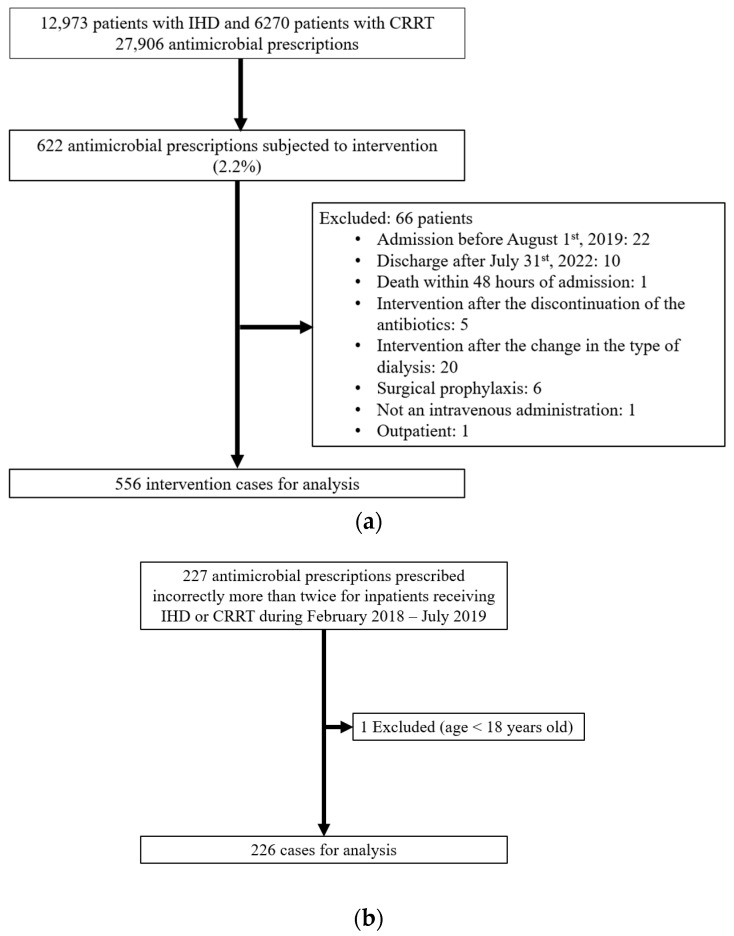 Figure 1
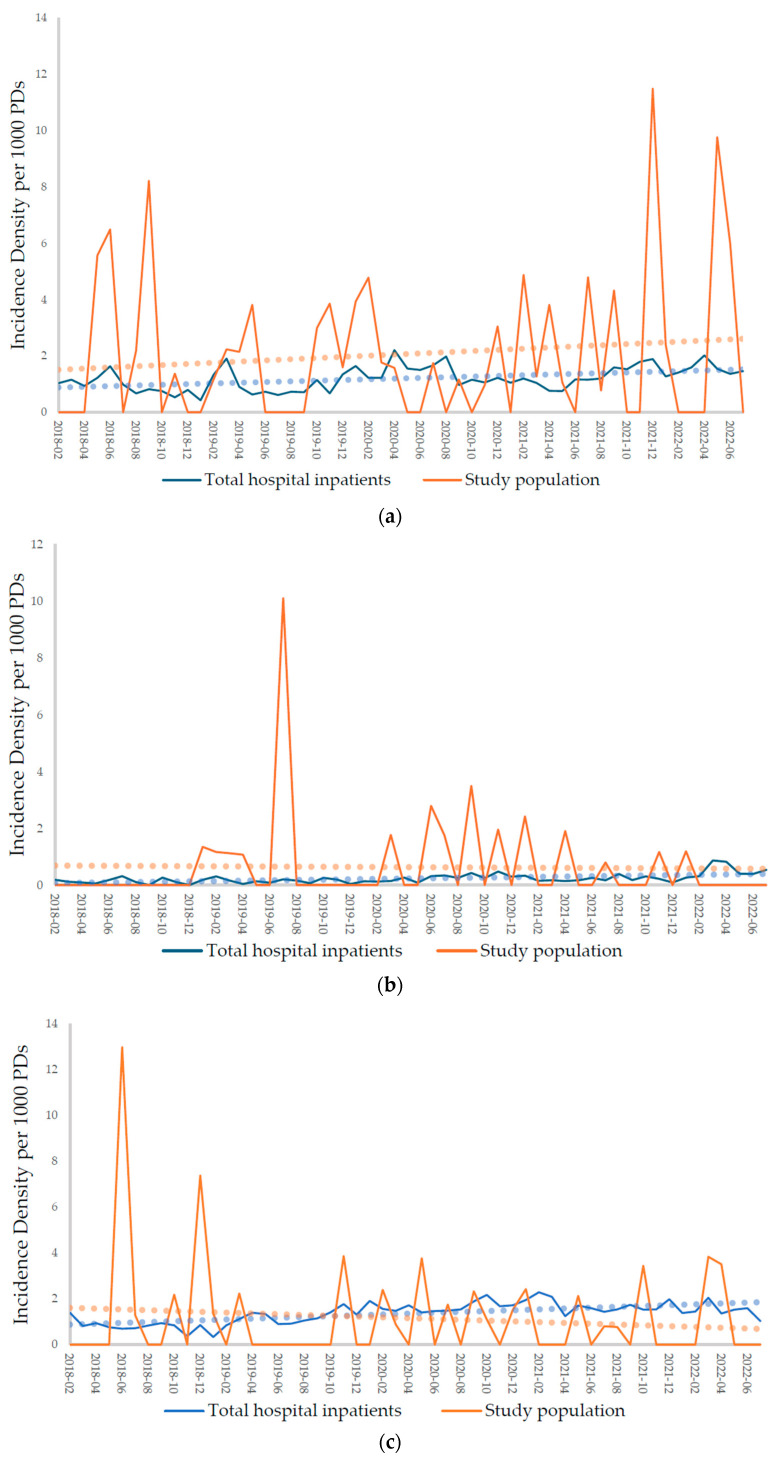 Figure 2
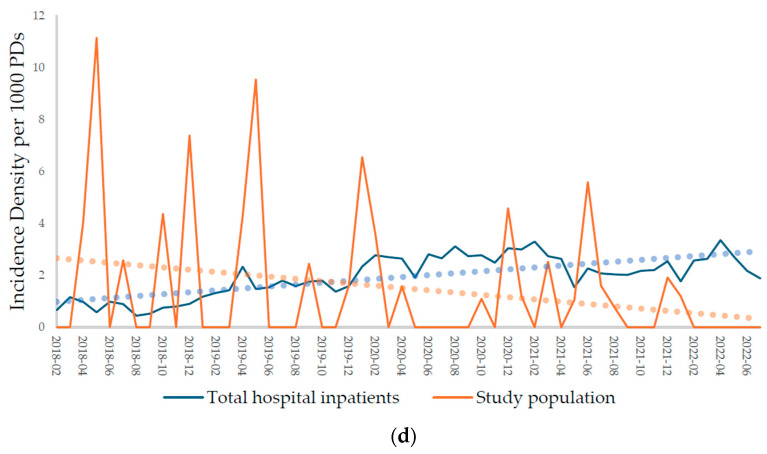 Figure 3
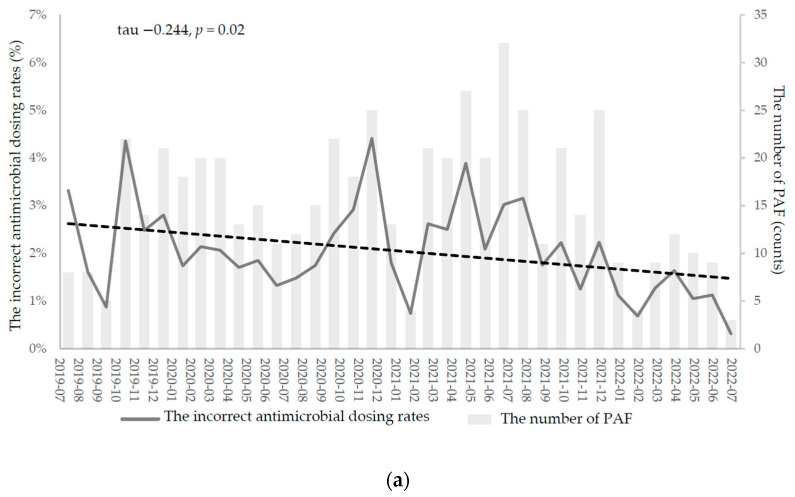 Figure 4
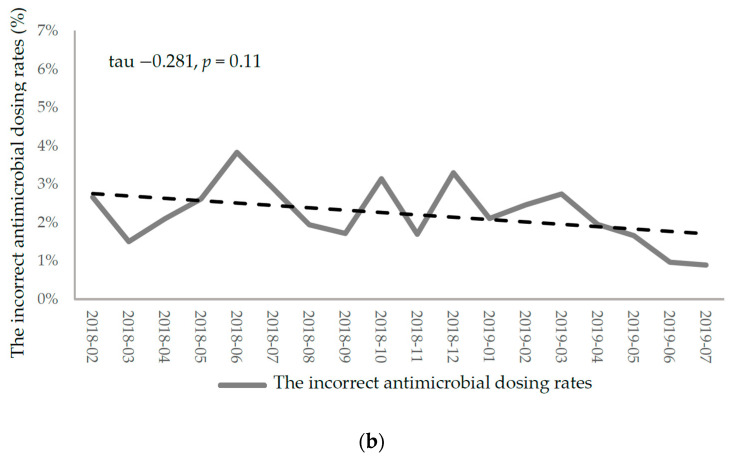 Figure 5
Peer Reviews
No public reviews on file for this paper yet. If you reviewed it on a platform where reviews are public (OpenReview, ICLR, NeurIPS, ICML), you can paste yours below so the community can read it here.
Videos
No videos yet. Explain this paper in a talk, walkthrough, or lecture? Add one.
Taxonomy
TopicsAntibiotic Use and Resistance · Antibiotic Resistance in Bacteria · Urinary Tract Infections Management