Dual Inhibitors of P-gp and Carbonic Anhydrase XII (hCA XII) against Tumor Multidrug Resistance with Piperazine Scaffold
Laura Braconi, Chiara Riganti, Astrid Parenti, Marta Cecchi, Alessio Nocentini, Gianluca Bartolucci, Marta Menicatti, Marialessandra Contino, Nicola Antonio Colabufo, Dina Manetti, Maria Novella Romanelli, Claudiu T. Supuran, Elisabetta Teodori

TL;DR
Researchers developed new piperazine-based compounds that can inhibit two proteins involved in cancer drug resistance, potentially improving cancer treatment effectiveness.
Contribution
The study introduces dual inhibitors of P-gp and hCA XII with a synergistic mechanism to overcome multidrug resistance in cancer cells.
Findings
Compound 33 showed the best activity in reversing multidrug resistance by enhancing doxorubicin's cytotoxicity and accumulation in resistant cells.
Compounds 13, 27, and 32 induced collateral sensitivity in multidrug-resistant cancer cells.
The compounds demonstrated good inhibitory activity against both P-gp and hCA XII proteins individually.
Abstract
A new series of piperazine derivatives were synthesized and studied with the aim of obtaining dual inhibitors of P-glycoprotein (P-gp) and carbonic anhydrase XII (hCA XII) to synergistically overcome the P-gp-mediated multidrug resistance (MDR) in cancer cells expressing the two proteins, P-gp and hCA XII. Indeed, these hybrid compounds contain both P-gp and hCA XII binding groups on the two nitrogen atoms of the heterocyclic ring. All compounds showed good inhibitory activity on each protein (P-gp and hCA XII) studied individually, and many of them showed a synergistic effect in the resistant HT29/DOX and A549/DOX cell lines which overexpress both the target proteins. In particular, compound 33 displayed the best activity by enhancing the cytotoxicity and intracellular accumulation of doxorubicin in HT29/DOX and A549/DOX cells, thus resulting as promising P-gp-mediated MDR reverser…
Genes, proteins, chemicals, diseases, species, mutations and cell lines named across the full text — each resolved to its canonical identifier and authoritative record.
Click any figure to enlarge with its caption.
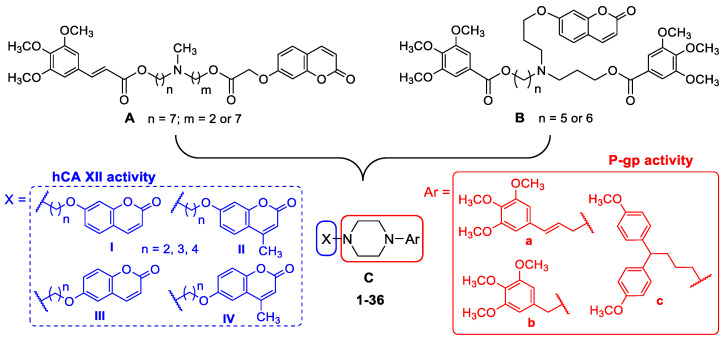 Figure 1
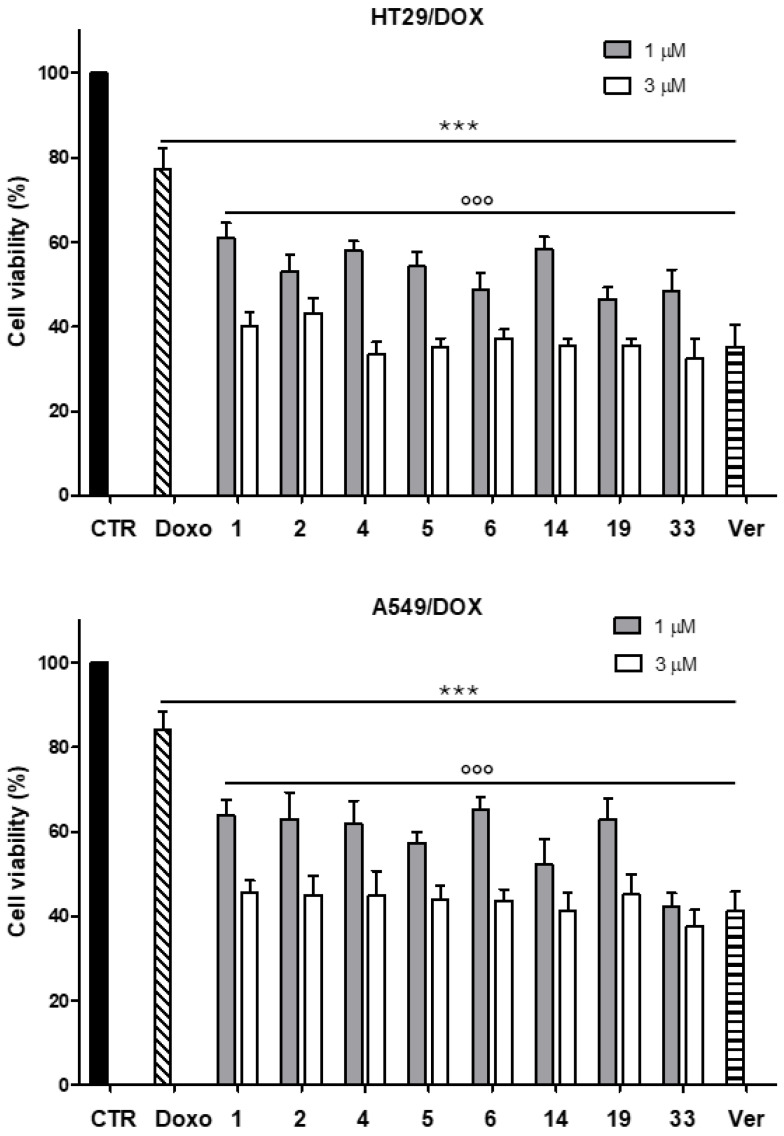 Figure 2
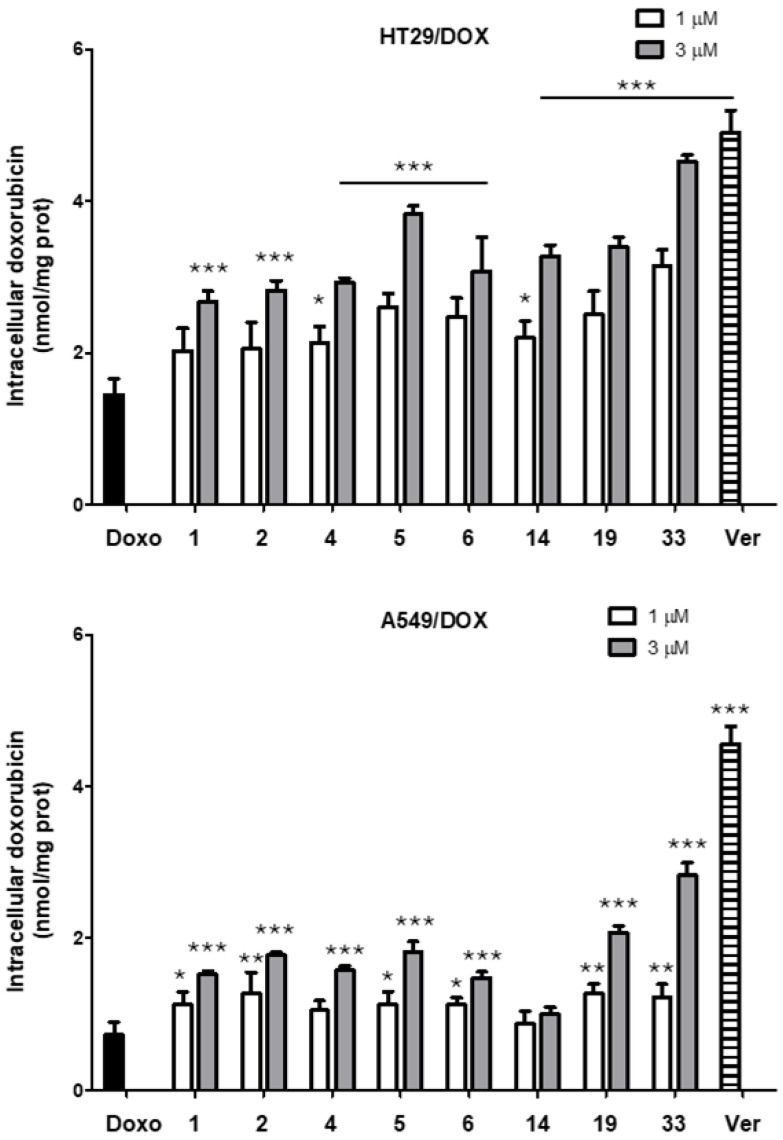 Figure 3
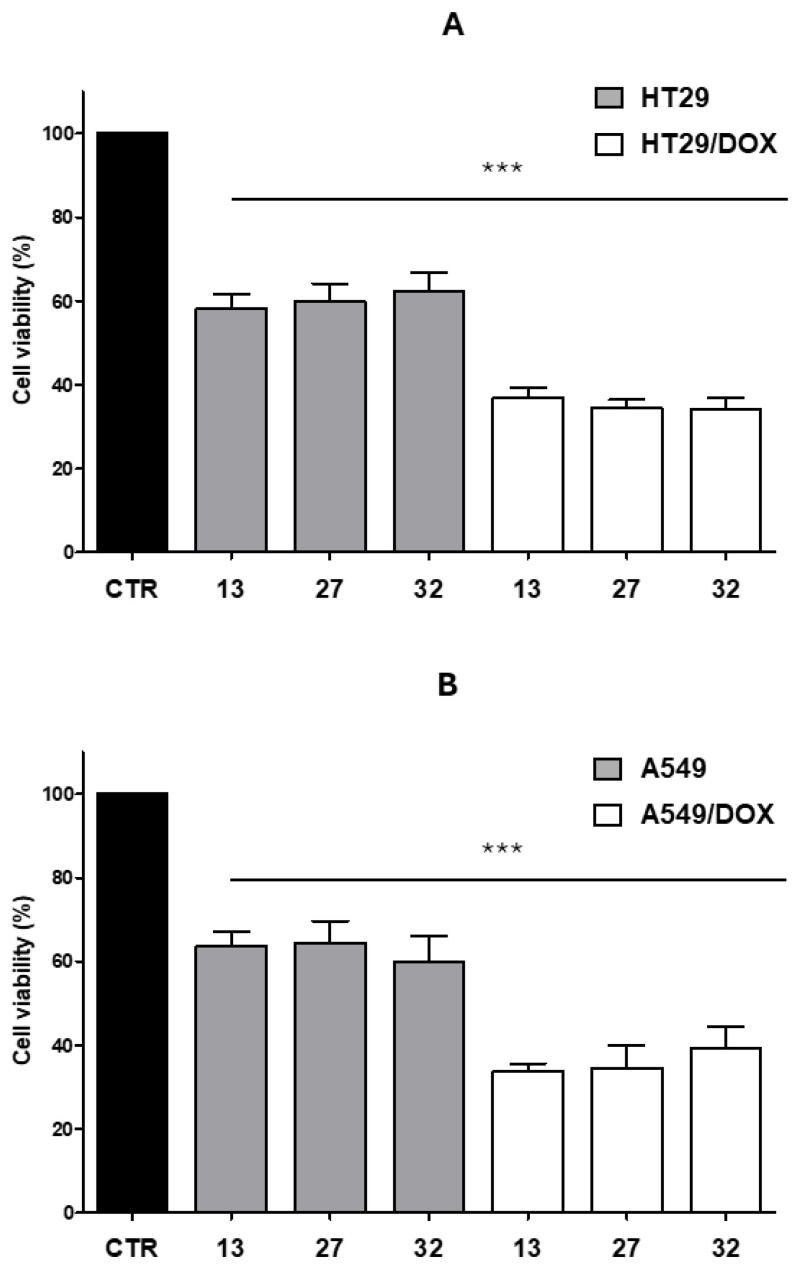 Figure 4
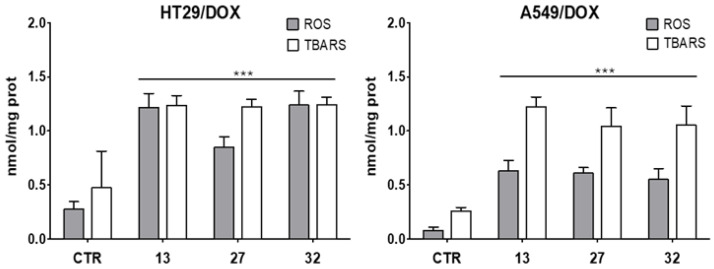 Figure 5
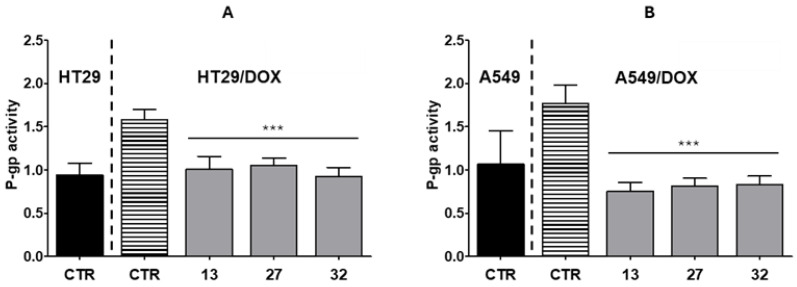 Figure 6
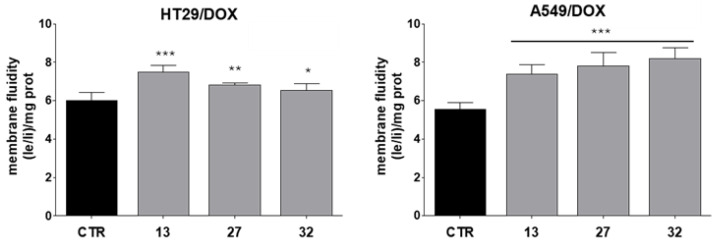 Figure 7
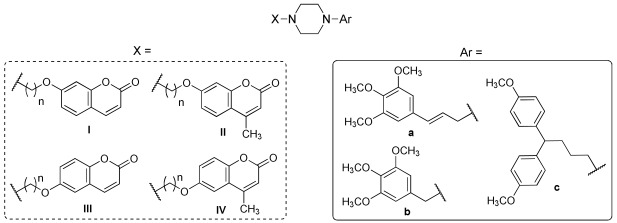 Figure 8
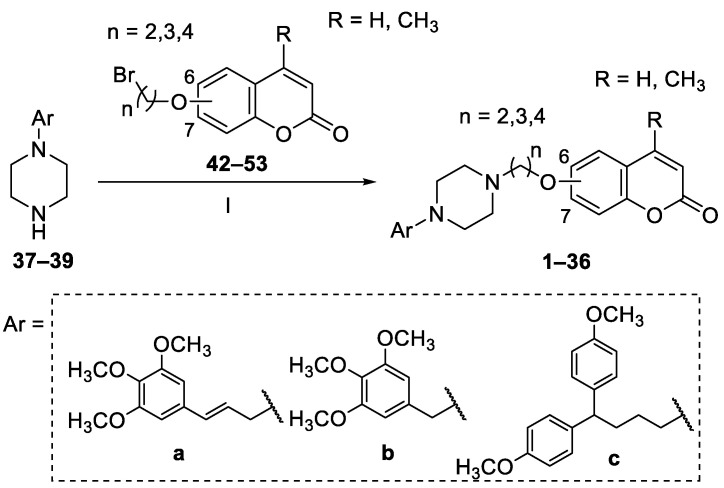 Figure 9
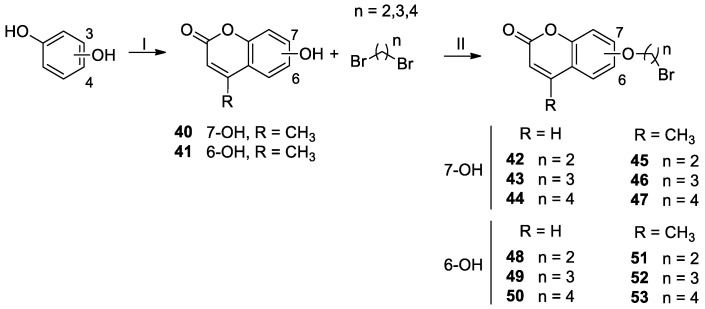 Figure 10
Peer Reviews
No public reviews on file for this paper yet. If you reviewed it on a platform where reviews are public (OpenReview, ICLR, NeurIPS, ICML), you can paste yours below so the community can read it here.
Videos
No videos yet. Explain this paper in a talk, walkthrough, or lecture? Add one.
Taxonomy
TopicsCultural Insights and Digital Impacts