Cationic Imidazolium-Urethane-Based Poly(Ionic Liquids) Membranes for Enhanced CO2/CH4 Separation: Synthesis, Characterization, and Performance Evaluation
Guilherme Dias, Laura Rocca, Henrique Z. Ferrari, Franciele L. Bernard, Fernando G. Brandão, Leonardo Pereira, Sandra Einloft

TL;DR
This paper introduces new poly(ionic liquid) membranes that show improved CO2 capture and separation performance compared to traditional materials.
Contribution
The study presents a novel cationic imidazolium-urethane-based PIL membrane with enhanced CO2/CH4 separation performance.
Findings
PIL-BF4 membranes achieved CO2 sorption capacities of 33.5 mg CO2/g at 1 bar and 104.8 mg CO2/g at 10 bar.
PIL-BF4 membranes showed CO2 permeability of 41 barrer and ideal CO2/CH4 selectivity of 44, outperforming commercial cellulose acetate membranes.
Abstract
The escalating emissions of CO2 into the atmosphere require the urgent development of technologies aimed at mitigating environmental impacts. Among these, aqueous amine solutions and polymeric membranes, such as cellulose acetate and polyimide are commercial technologies requiring improvement or substitution to enhance the economic and energetic efficiency of CO2 separation processes. Ionic liquids and poly(ionic liquids) (PILs) are candidates to replace conventional CO2 separation technologies. PILs are a class of materials capable of combining the favorable gas affinity exhibited by ionic liquids (ILs) with the processability inherent in polymeric materials. In this context, the synthesis of the IL GLYMIM[Cl] was performed, followed by ion exchange processes to achieve GLYMIM variants with diverse counter anions (NTf2−, PF6−, and BF4). Subsequently, PIL membranes were fabricated from…
Genes, proteins, chemicals, diseases, species, mutations and cell lines named across the full text — each resolved to its canonical identifier and authoritative record.
Click any figure to enlarge with its caption.
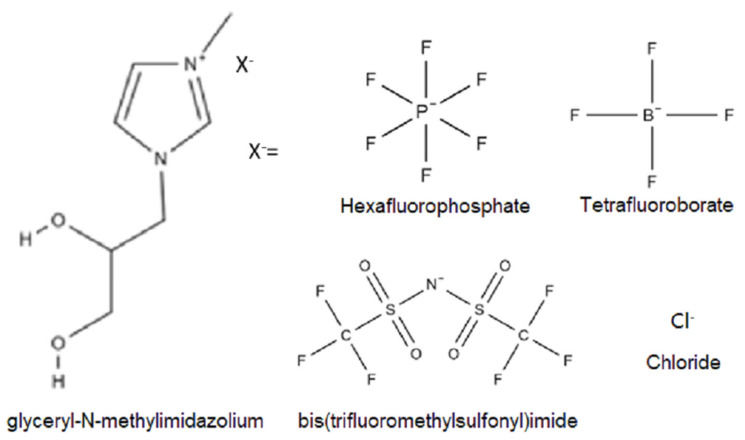 Figure 1
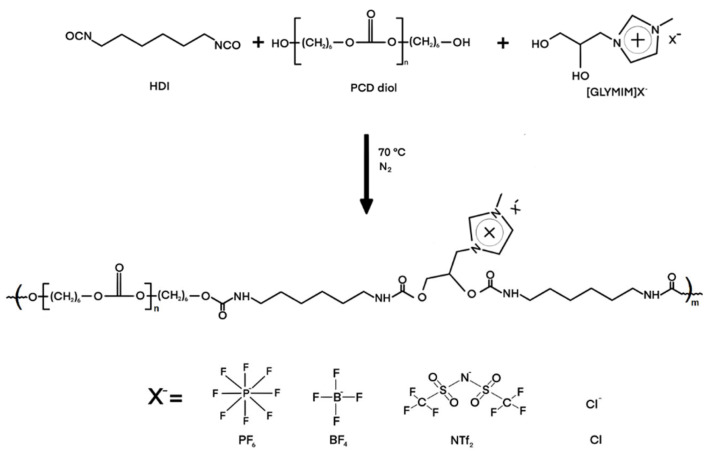 Figure 2
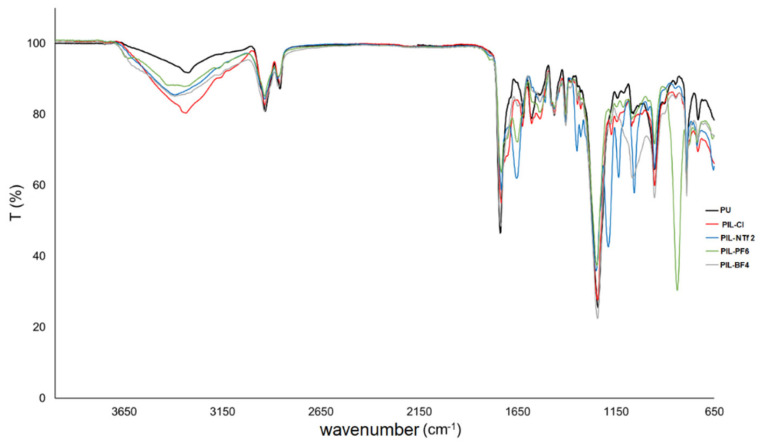 Figure 3
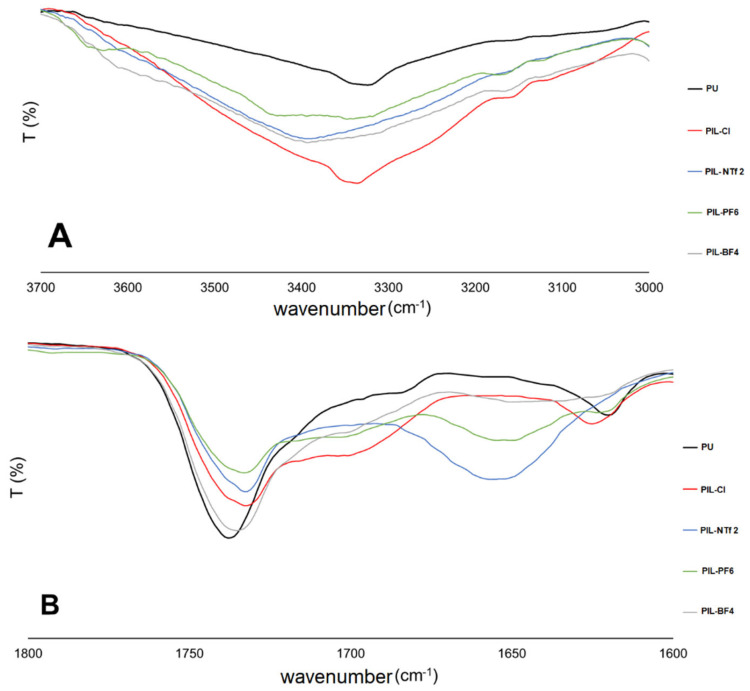 Figure 4
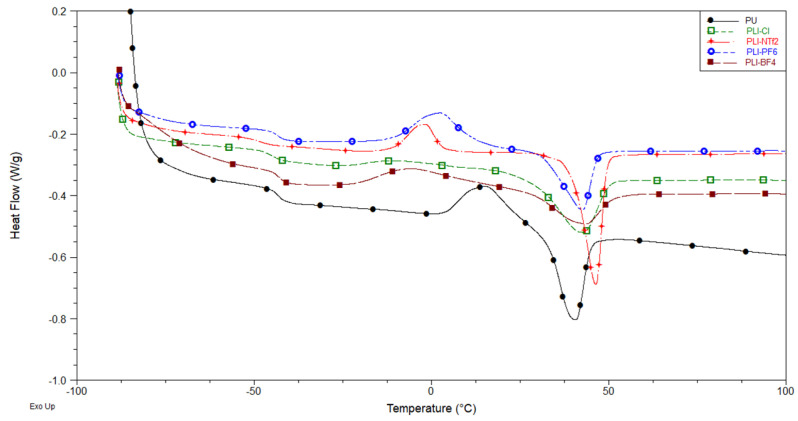 Figure 5
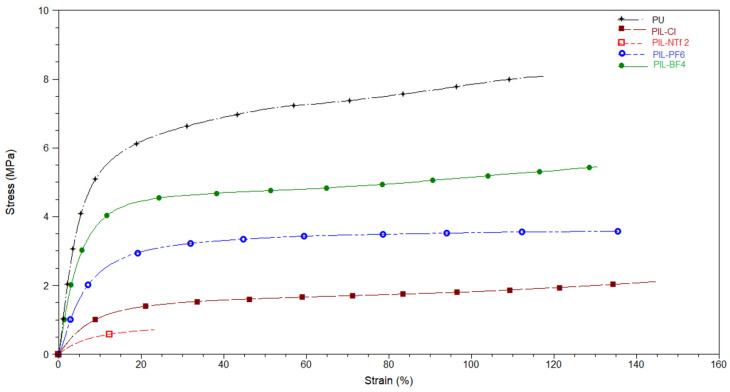 Figure 6
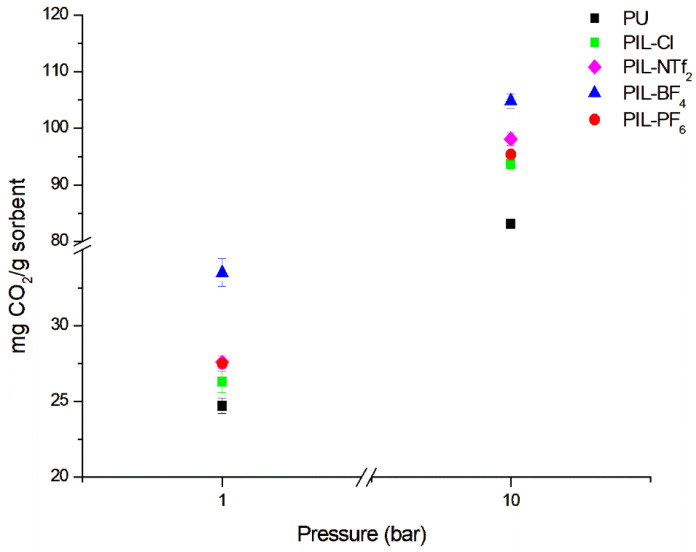 Figure 7
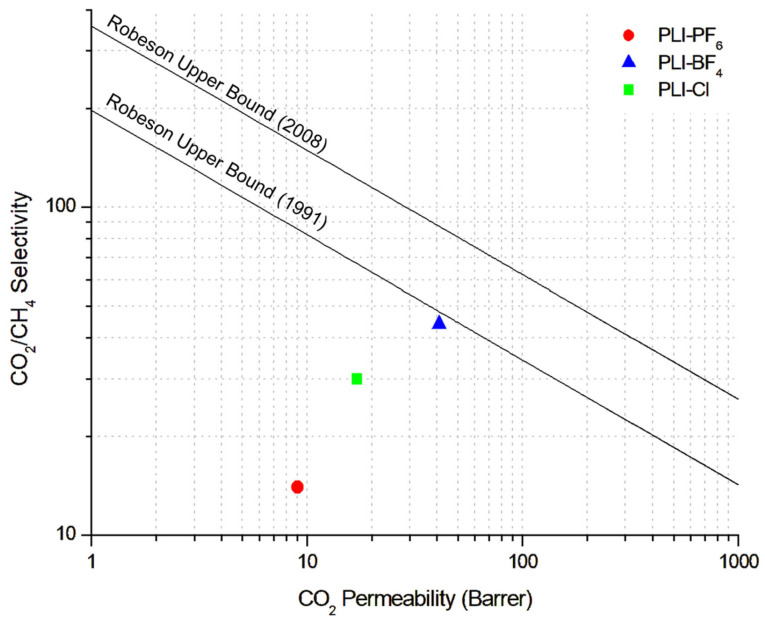 Figure 8
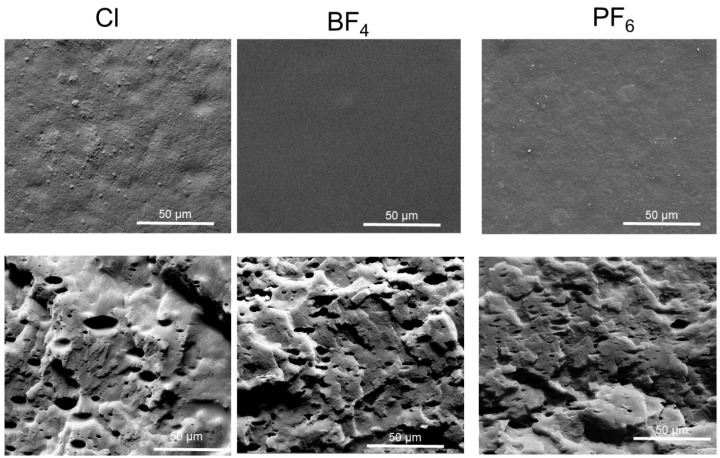 Figure 9
Peer Reviews
No public reviews on file for this paper yet. If you reviewed it on a platform where reviews are public (OpenReview, ICLR, NeurIPS, ICML), you can paste yours below so the community can read it here.
Videos
No videos yet. Explain this paper in a talk, walkthrough, or lecture? Add one.
Taxonomy
TopicsBioeconomy and Sustainability Development