Kinetic Study and Reaction Mechanism of the Gas-Phase Thermolysis Reaction of Methyl Derivatives of 1,2,4,5-Tetroxane
Alexander G. Bordón, Mariela I. Profeta, Jorge M. Romero, María J. Jorge, Lilian C. Jorge, Nelly L. Jorge, C. Ignacio Sainz-Díaz, Juliana Cuéllar-Zuquin, Daniel Roca-Sanjuán, César Viseras Iborra, André Grand, Alfonso Hernández-Laguna

TL;DR
This study investigates the thermal decomposition of tetroxane compounds, revealing how methyl groups affect reaction mechanisms and kinetics.
Contribution
The paper provides a detailed kinetic and mechanistic analysis of tetroxane thermolysis, including the effect of methyl substitution on reaction pathways.
Findings
Activation energy and frequency factors decrease linearly with the number of methyl groups in tetroxane derivatives.
The stepwise mechanism, not the concerted one, governs the decomposition of ACDP and TMT.
Triplet state reactions are more exothermic than singlet state reactions in tetroxane thermolysis.
Abstract
Tetroxane derivatives are interesting drugs for antileishmaniasis and antimalaric treatments. The gas-phase thermal decomposition of 3,6,-dimethyl-1,2,4,5-tetroxane (DMT) and 3,3,6,6,-tetramethyl-1,2,4,5-tetroxane (acetone diperoxide (ACDP)) was studied at 493–543 K by direct gas chromatography by means of a flow reactor. The reaction is produced in the injector chamber at different temperatures. The resulting kinetics Arrhenius equations were calculated for both tetroxanes. Including the parent compound of the series 1,2,4,5-tetroxane (formaldehyde diperoxide (FDP)), the activation energy and frequency factors decrease linearly with the number of methyl groups. The reaction mechanisms of ACDP and 3,6,6-trimethyl-1,2,4,5-tetroxane (TMT) decomposition have been studied by means of the DFT method with the BHANDHLYP functional. Our calculations confirm that the concerted mechanism should…
Genes, proteins, chemicals, diseases, species, mutations and cell lines named across the full text — each resolved to its canonical identifier and authoritative record.
Click any figure to enlarge with its caption.
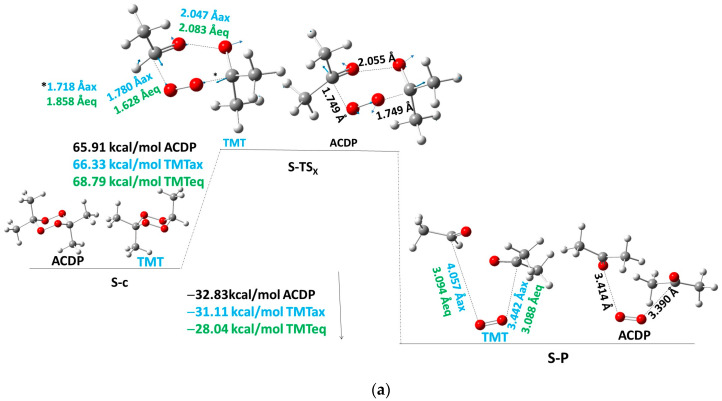 Figure 1
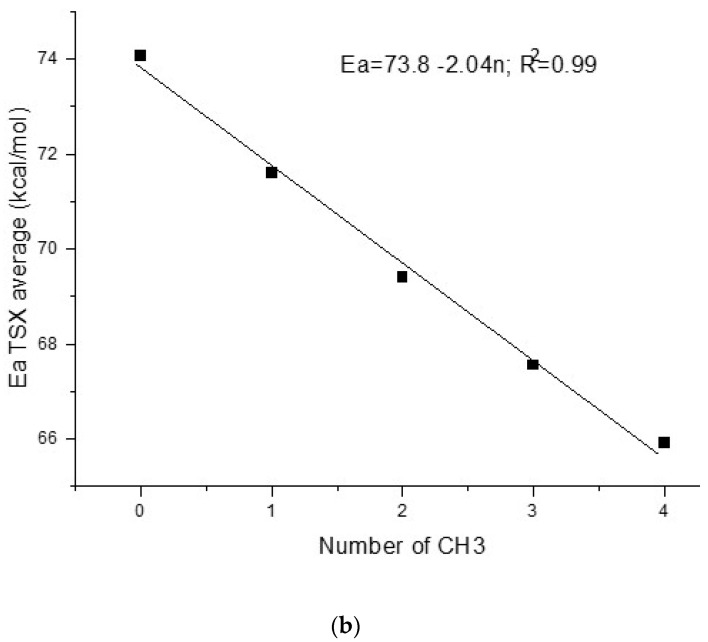 Figure 2
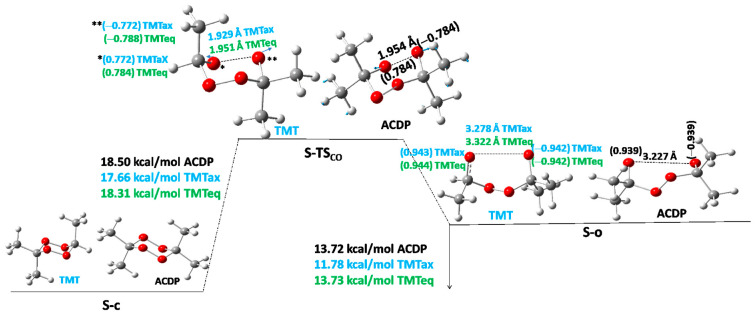 Figure 3
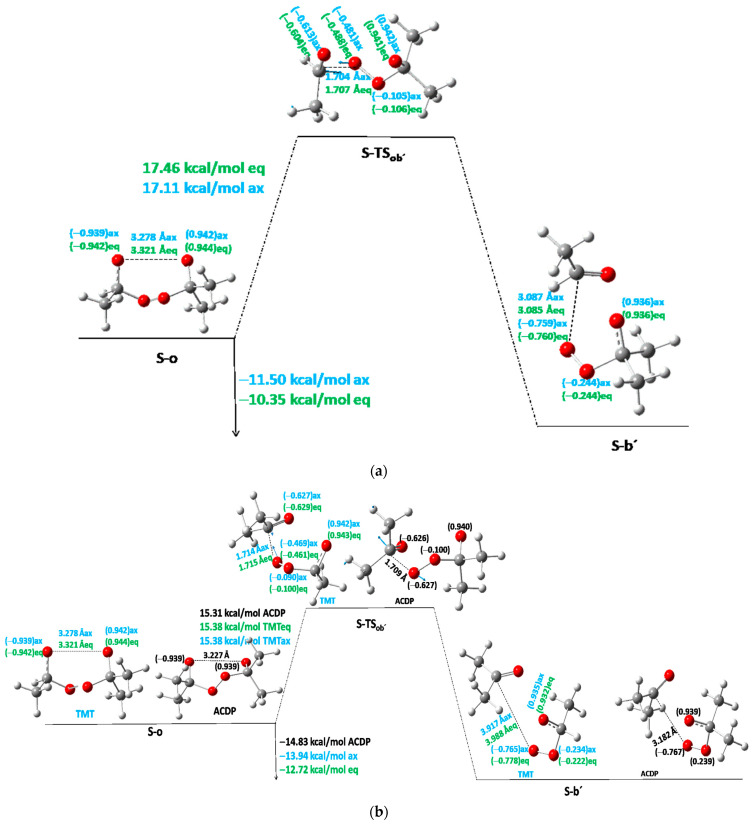 Figure 4
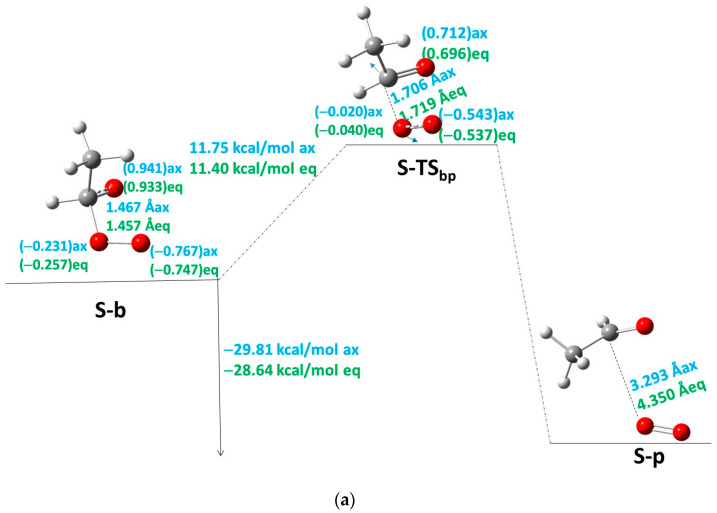 Figure 5
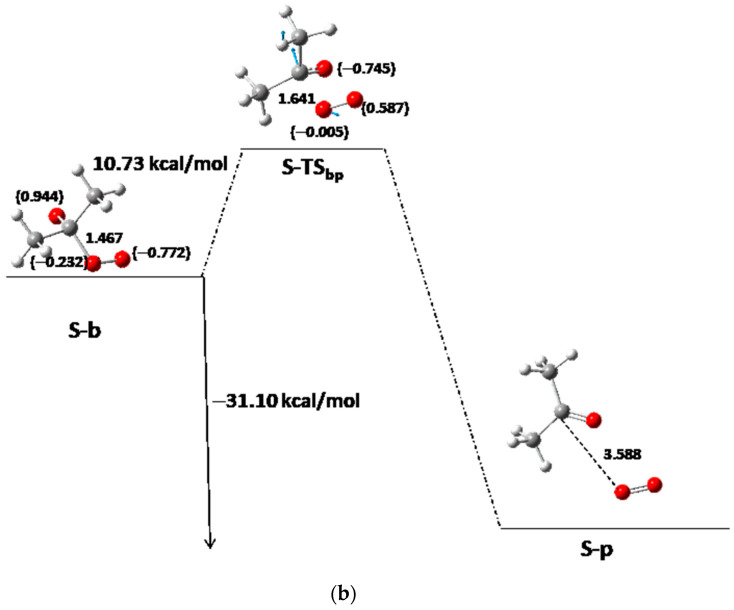 Figure 6
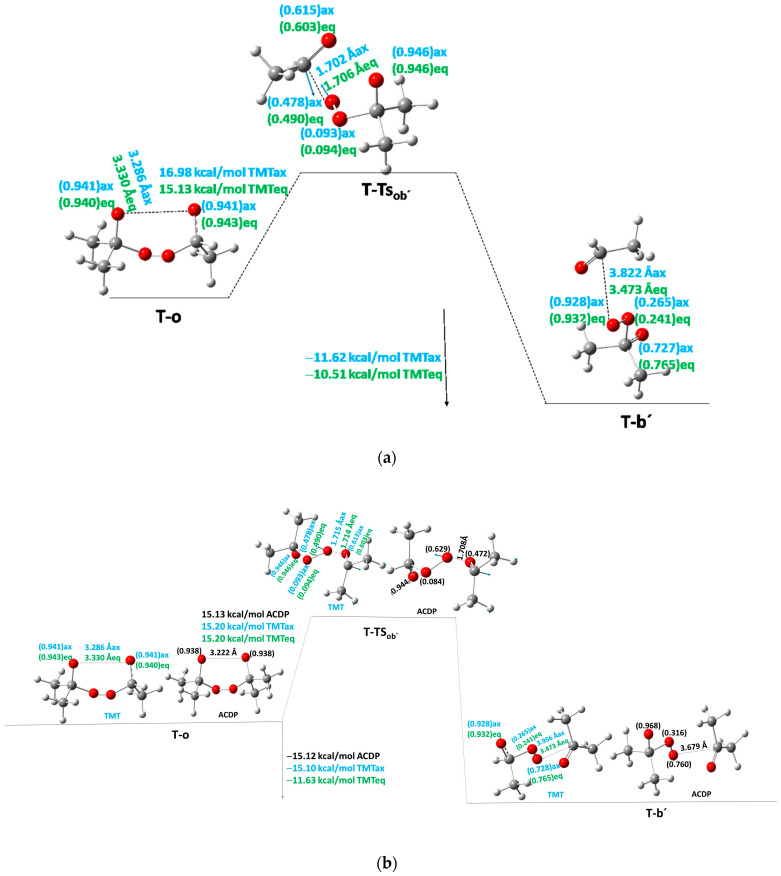 Figure 7
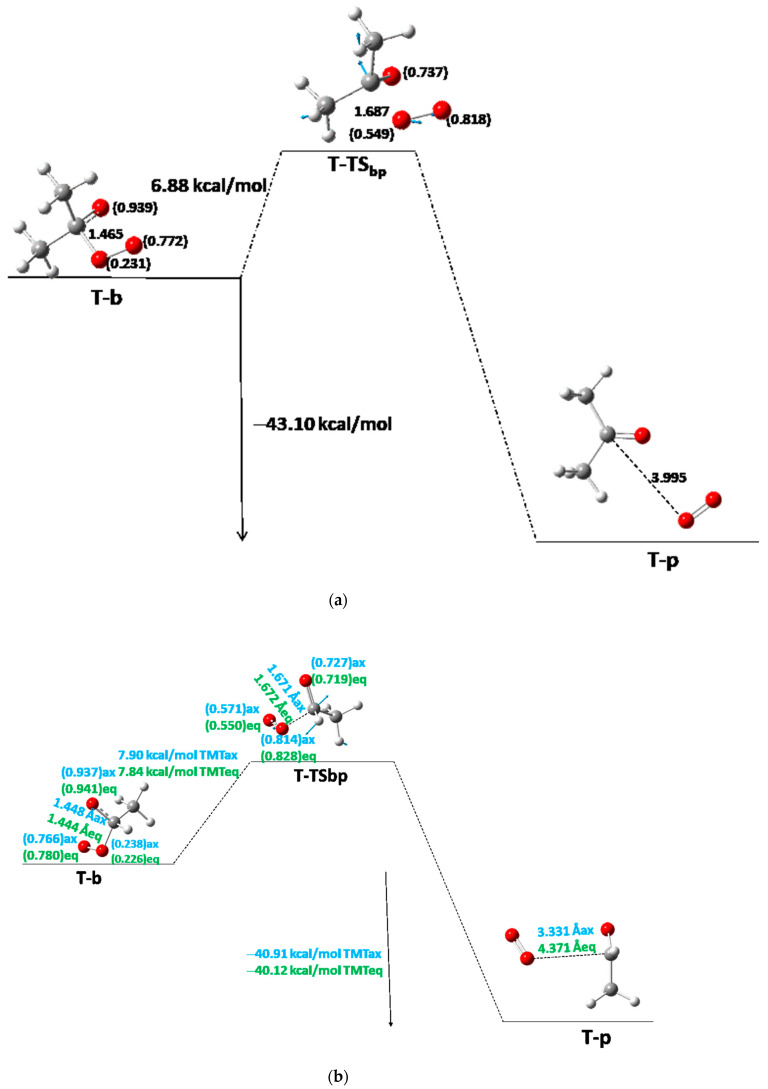 Figure 8
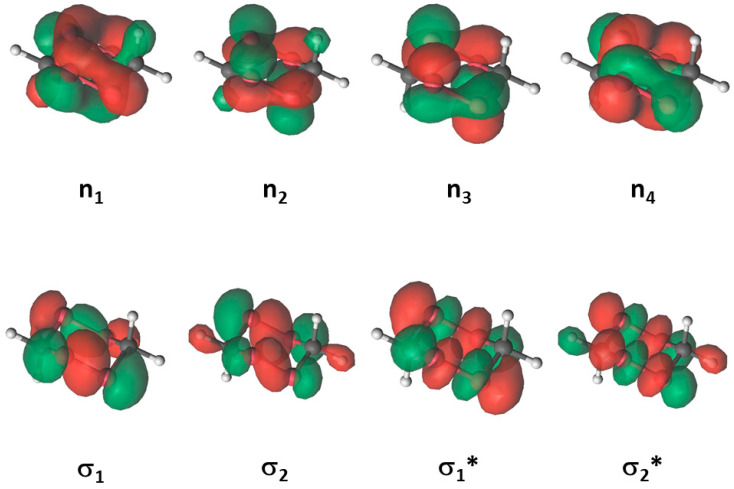 Figure 9
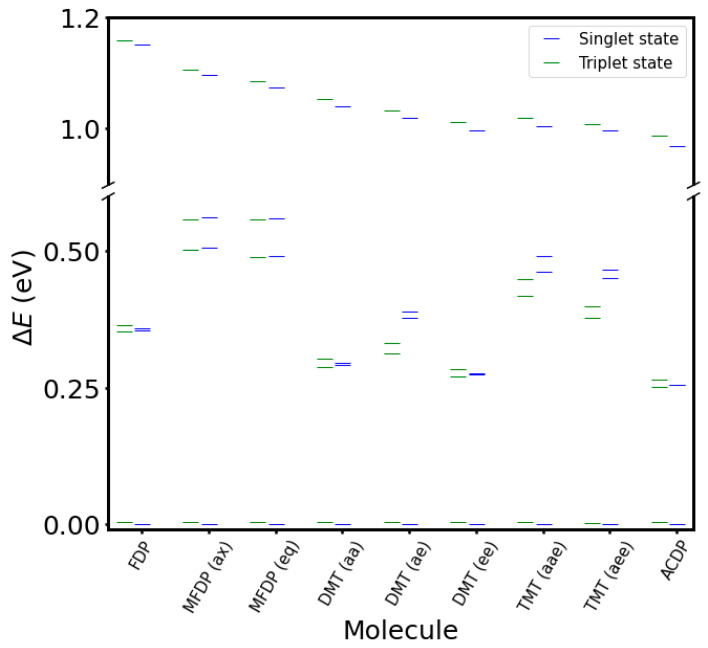 Figure 10
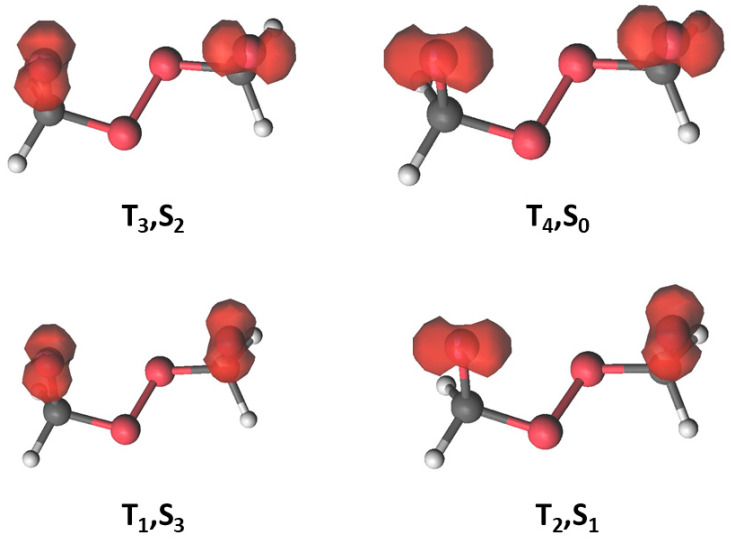 Figure 11
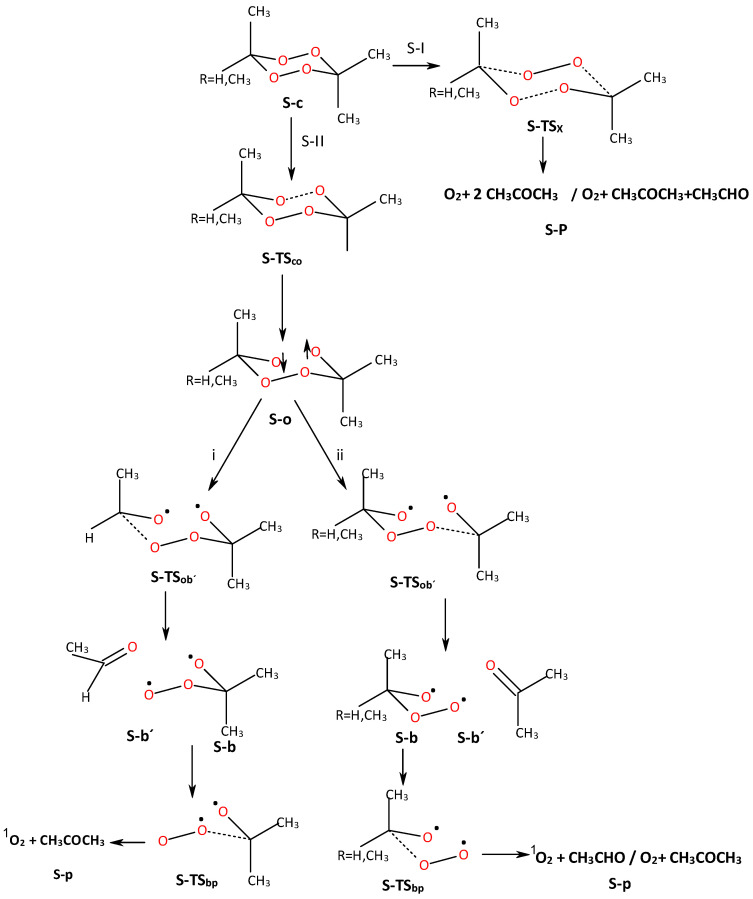 Figure 12
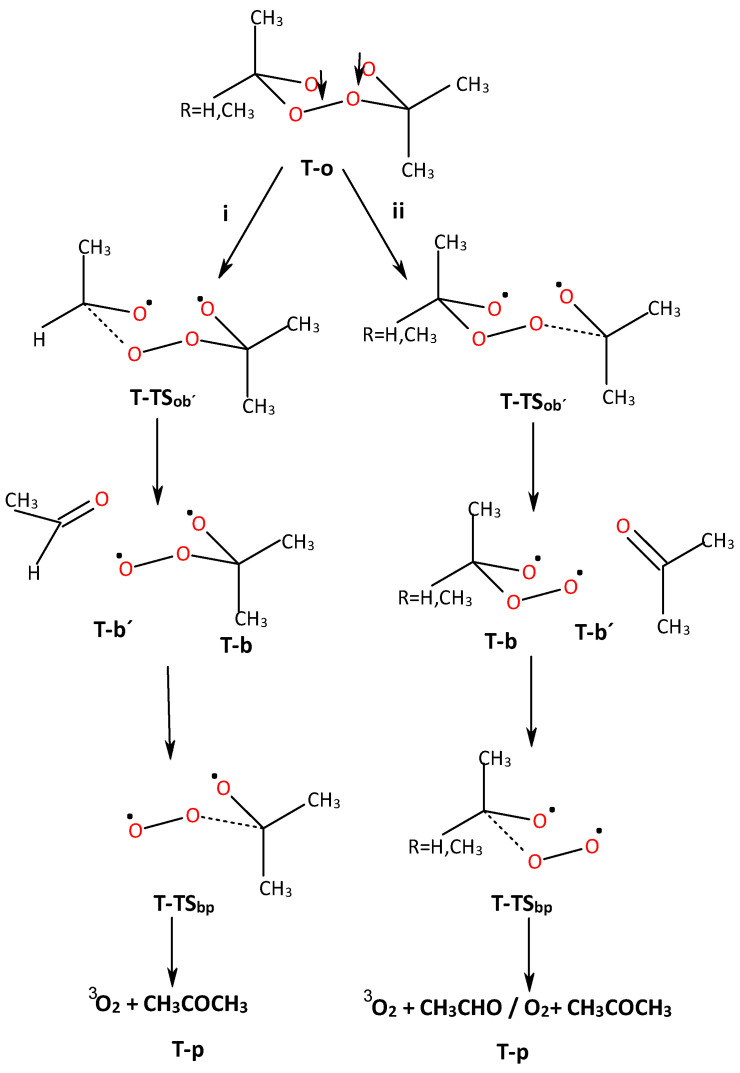 Figure 13
Peer Reviews
No public reviews on file for this paper yet. If you reviewed it on a platform where reviews are public (OpenReview, ICLR, NeurIPS, ICML), you can paste yours below so the community can read it here.
Videos
No videos yet. Explain this paper in a talk, walkthrough, or lecture? Add one.
Taxonomy
TopicsChemical Reactions and Mechanisms · Chemical Reaction Mechanisms · Free Radicals and Antioxidants