Brain Abscesses in Domestic Ruminants: Clinicopathological and Bacteriological Approaches
Lucas Vinícius de Oliveira Ferreira, Thaís Gomes Rocha, Regina Kiomi Takahira, Renée Laufer-Amorim, Vânia Maria de Vasconcelos Machado, Márcio Garcia Ribeiro, Wanderson Adriano Biscola Pereira, José Paes Oliveira-Filho, Alexandre Secorun Borges, Rogério Martins Amorim

TL;DR
This study examines brain abscesses in domestic ruminants, focusing on clinical signs, imaging, and bacterial causes to improve diagnosis and understanding.
Contribution
The study provides clinicopathological and bacteriological insights into brain abscesses in ruminants using a multi-modal diagnostic approach.
Findings
Common neurological signs include apathy, compulsive walking, decreased facial sensitivity, and seizures.
Advanced imaging and CSF analysis help diagnose brain abscesses, but confirmation requires postmortem evaluation.
Bacterial co-infections were frequently identified in abscess samples and cerebrospinal fluid.
Abstract
Brain abscesses in ruminants often arise from primary infection foci, leading to an unfavorable prognosis for affected animals. This highlights the need for comprehensive studies on brain abscesses across different ruminant species. We retrospectively investigated medical records of epidemiological, clinical, neuroimaging, anatomopathological, and bacteriological findings in six ruminants (three goats, two cows, and one sheep) diagnosed with brain abscesses. All animals studied were female. Apathy (50%), compulsive walking (33%), decreased facial sensitivity (33%), head pressing (33%), seizures (33%), semicomatous mental status (33%), strabismus (33%), unilateral blindness (33%), and circling (33%) represented the most common neurologic signs. Leukocytosis and neutrophilia were the main findings in the hematological evaluation. Cerebrospinal fluid (CSF) analysis revealed predominant…
Genes, proteins, chemicals, diseases, species, mutations and cell lines named across the full text — each resolved to its canonical identifier and authoritative record.
Click any figure to enlarge with its caption.
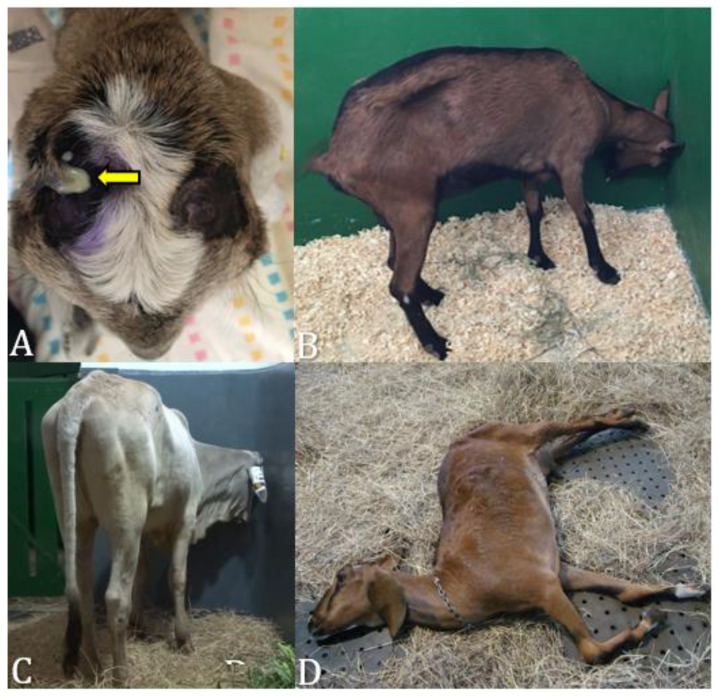 Figure 1
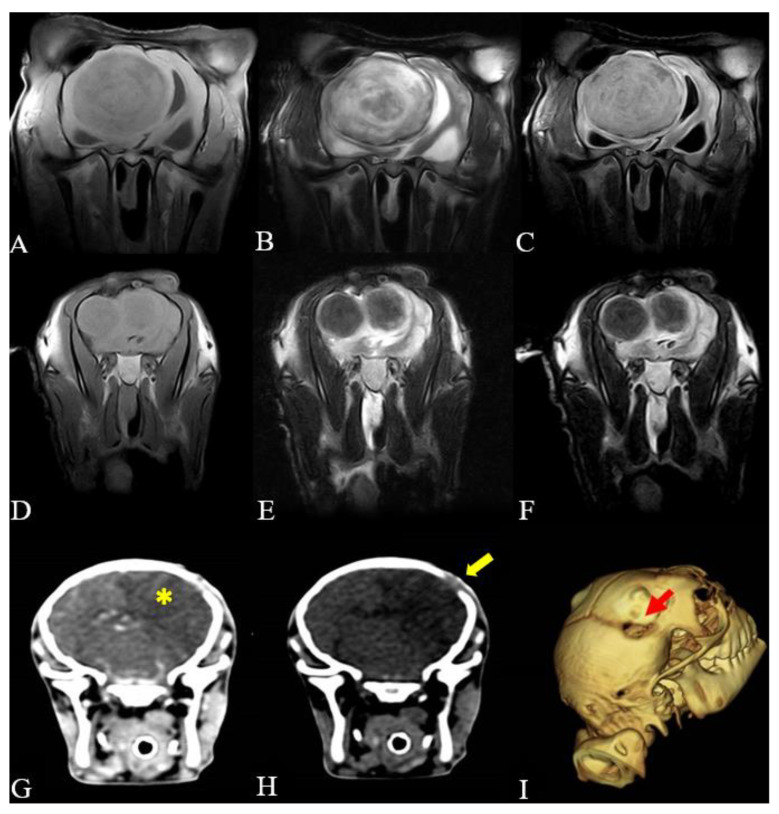 Figure 2
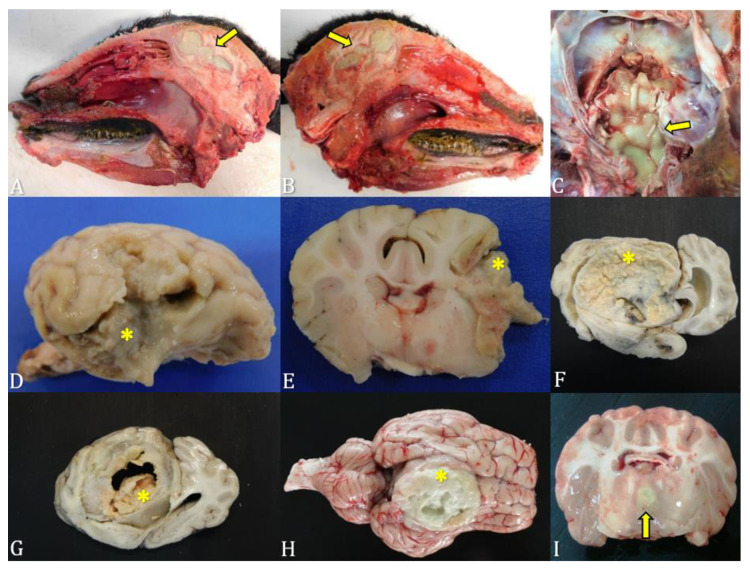 Figure 3
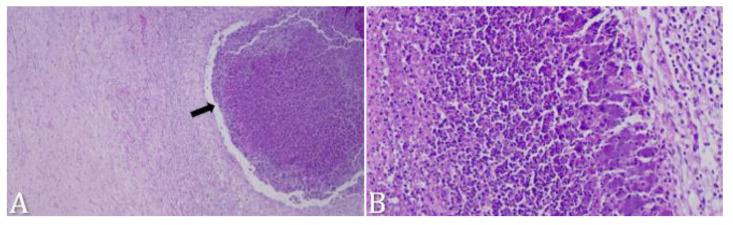 Figure 4
Peer Reviews
No public reviews on file for this paper yet. If you reviewed it on a platform where reviews are public (OpenReview, ICLR, NeurIPS, ICML), you can paste yours below so the community can read it here.
Videos
No videos yet. Explain this paper in a talk, walkthrough, or lecture? Add one.
Taxonomy
TopicsMycobacterium research and diagnosis · Diphtheria, Corynebacterium, and Tetanus · Microbial infections and disease research