Non-Invasive Raman Classification Comparison with pXRF of Monochrome and Related Qing Porcelains: Lead-Rich-, Lead-Poor-, and Alkali-Based Glazes
Philippe Colomban, Xavier Gallet, Gulsu Simsek Franci, Nicolas Fournery, Béatrice Quette

TL;DR
This study compares Raman and XRF techniques to analyze Qing Dynasty porcelain glazes, revealing insights into their composition and authenticity.
Contribution
The study provides new Raman spectral signatures for glazes, useful for non-invasive classification and detecting counterfeit artifacts.
Findings
Raman spectroscopy is more reliable than pXRF for comparing lead content in porcelain glazes.
Turquoise glazes unexpectedly contain low lead levels, possibly to enhance gloss.
Distinct glaze types include lead-rich, lead-poor-alkali, lead-doped alkali, and alkali-based compositions.
Abstract
Chinese porcelain with an optically clear colored glaze, imported to Europe from the Kangxi period (1662–1722, Qing Dynasty) onwards was highly collected by the French Elite of the 18th century. The bright colors with a clear, shiny glaze were unlike anything produced in Europe at that time. The colors of enamelled artifacts (on biscuits or already glazed porcelain) can be fully monochrome or consist of associations of large monochromatic areas with or without application of gilding. Non-invasive portable XRF and mobile Raman analyses have previously shown their effectiveness in the characterization of (colored) glassy silicates. In this study, we compare the Raman signatures of twenty-one Chinese artifacts fully—or with major monochrome area (sancai)—decorated with blue, turquoise (or celectian blue), honey-yellow, green, eggplant, and red color. Different types of glazes are…
Click any figure to enlarge with its caption.
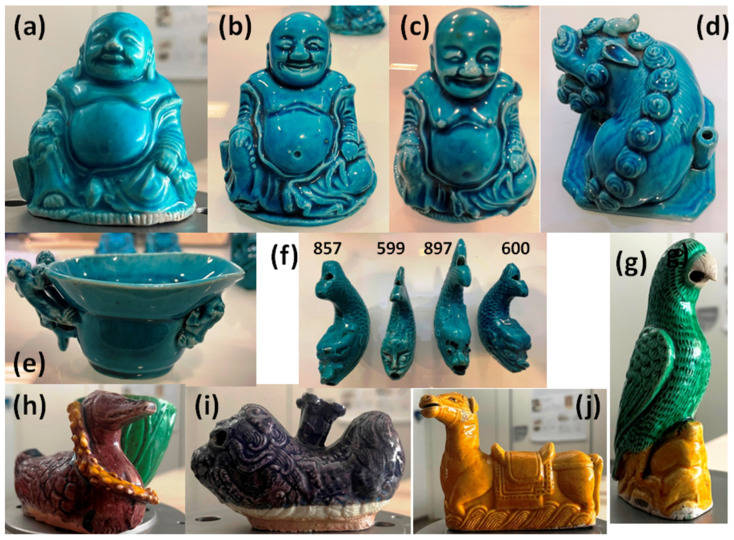 Figure 1
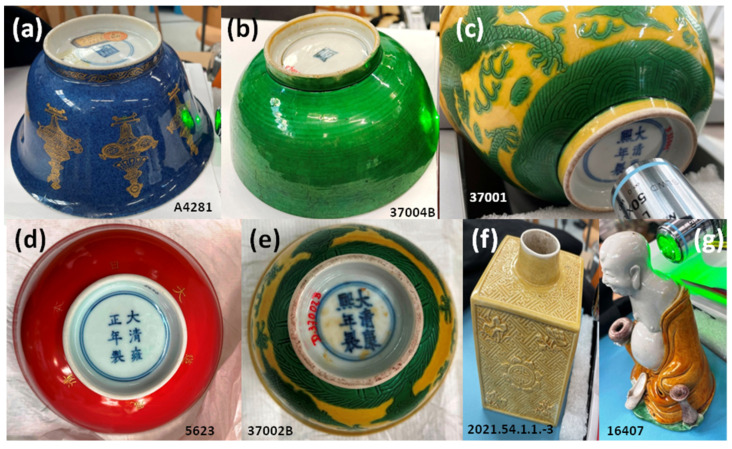 Figure 2
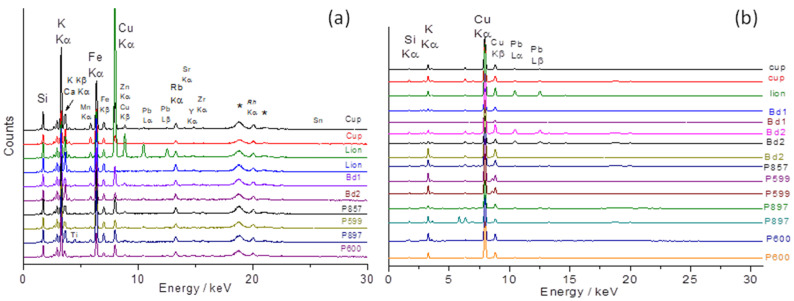 Figure 3
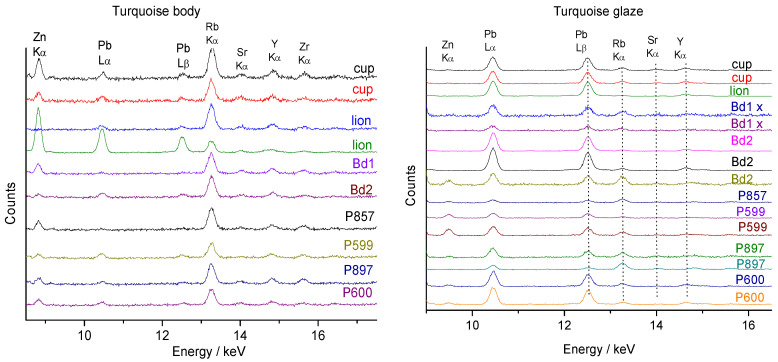 Figure 4
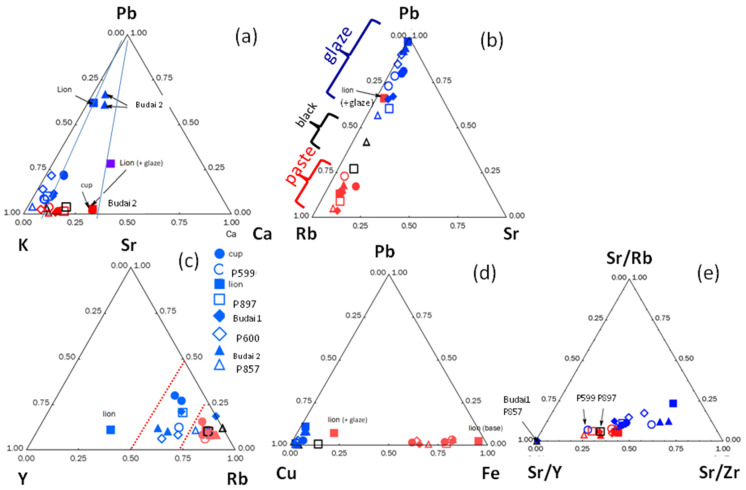 Figure 5
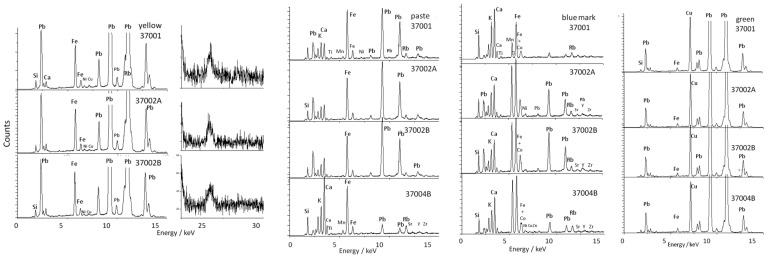 Figure 6
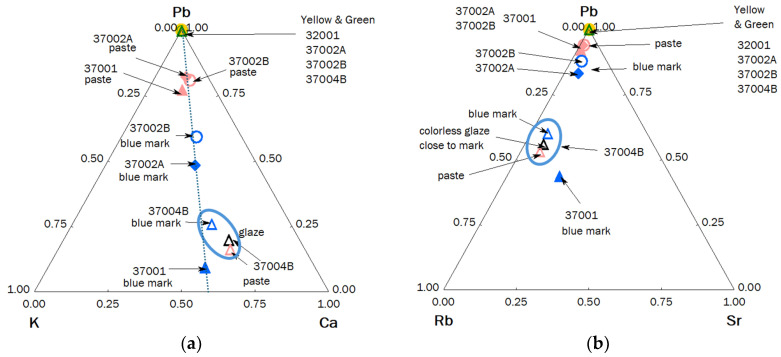 Figure 7
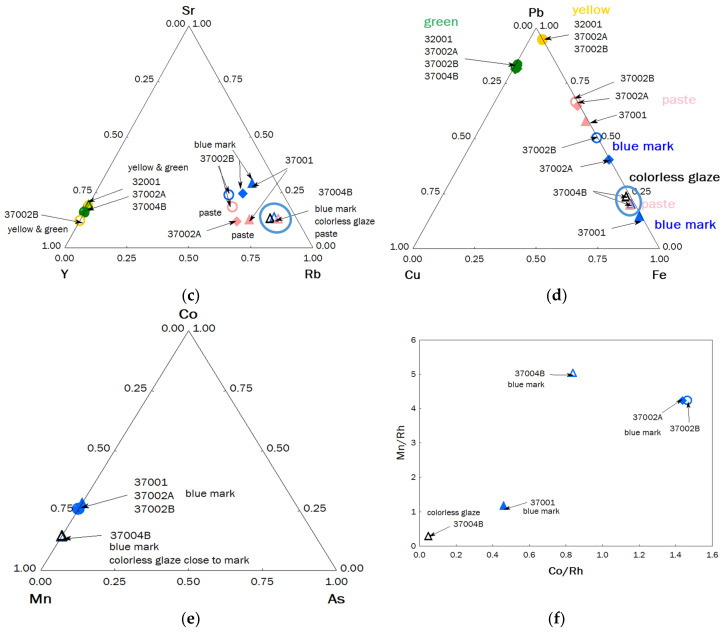 Figure 8
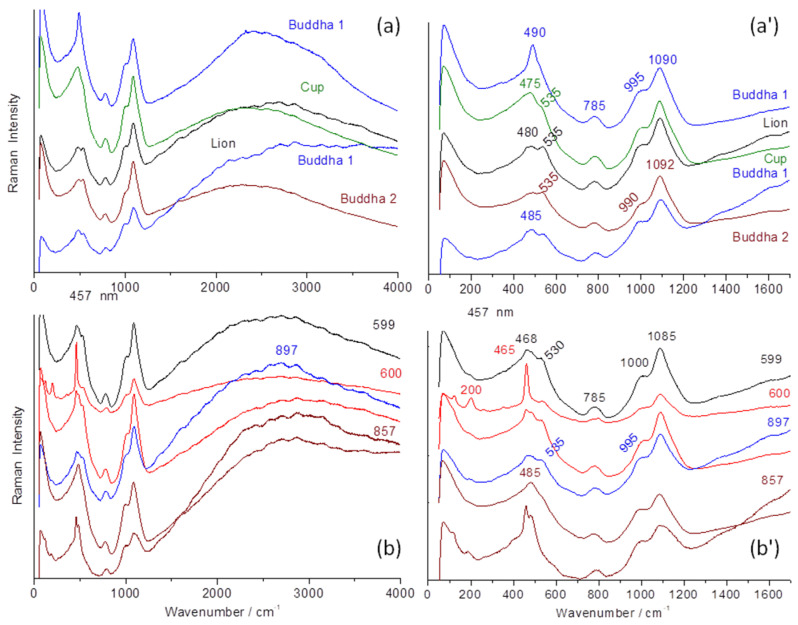 Figure 9
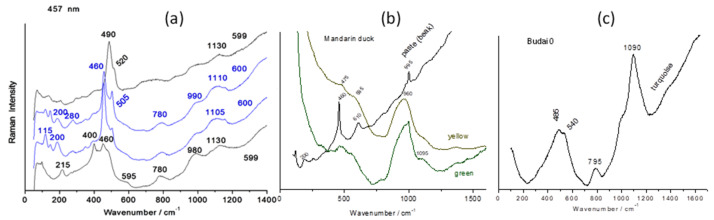 Figure 10
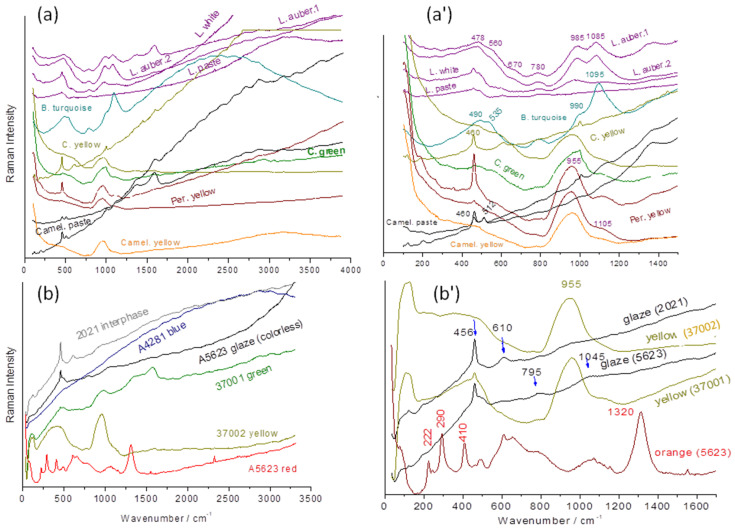 Figure 11
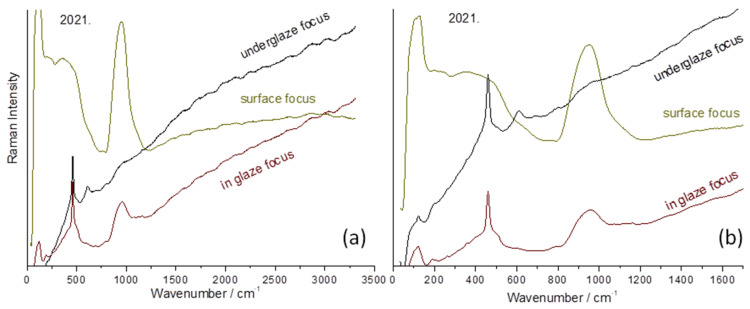 Figure 12
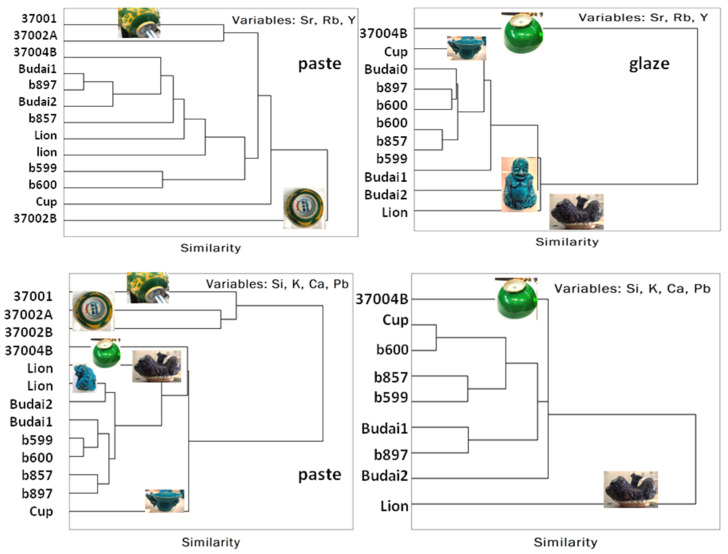 Figure 13
 Figure 14
 Figure 15
 Figure 16
 Figure 17
 Figure 18
 Figure 19
 Figure 20
 Figure 21
 Figure 22
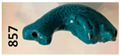 Figure 23
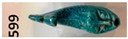 Figure 24
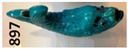 Figure 25
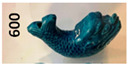 Figure 26
 Figure 27
 Figure 28
 Figure 29
 Figure 30
 Figure 31
 Figure 32
 Figure 33
 Figure 34
Peer Reviews
No public reviews on file for this paper yet. If you reviewed it on a platform where reviews are public (OpenReview, ICLR, NeurIPS, ICML), you can paste yours below so the community can read it here.
Videos
No videos yet. Explain this paper in a talk, walkthrough, or lecture? Add one.
Taxonomy
TopicsCultural Heritage Materials Analysis · Building materials and conservation · Conservation Techniques and Studies