Development of Polymerase Chain Reaction–High-Resolution Melt Assay for Waterborne Pathogens Legionella pneumophila, Vibrio parahaemolyticus, and Camplobacter jejuni
Shannon M. Carr, Kelly M. Elkins

TL;DR
This study developed a PCR-based method to quickly detect and identify three waterborne pathogens, Legionella pneumophila, Vibrio parahaemolyticus, and Campylobacter jejuni, using high-resolution melt analysis.
Contribution
The novel contribution is the design of specific PCR primers enabling rapid and accurate detection of three waterborne pathogens in a multiplexed assay.
Findings
The L. pneumophila primer set was specific and did not cross-react with 21 other species.
The method was successfully multiplexed to detect L. pneumophila, V. parahaemolyticus, and C. jejuni simultaneously.
Each pathogen had a distinct melting temperature, allowing for clear differentiation in HRM analysis.
Abstract
Legionella pneumophila is the waterborne pathogen primarily responsible for causing both Pontiac Fever and Legionnaire’s Disease in humans. L. pneumophila is transmitted via aerosolized water droplets. The purpose of this study was to design and test primers to allow for rapid polymerase chain reaction (PCR) melt detection and identification of this infectious agent in cases of clinical or emergency response detection. New PCR primers were designed for this species of bacteria; the primer set was purchased from IDT and the target bacterial DNA was purchased from ATCC. The L. pneumophila primers targeted the macrophage infectivity potentiator gene (mip), which inhibits macrophage phagocytosis. The primers were tested for specificity, repeatability, and sensitivity using PCR–high-resolution melt (HRM) assays. The primer set was found to be specific to the designated bacteria and did not…
Genes, proteins, chemicals, diseases, species, mutations and cell lines named across the full text — each resolved to its canonical identifier and authoritative record.
Click any figure to enlarge with its caption.
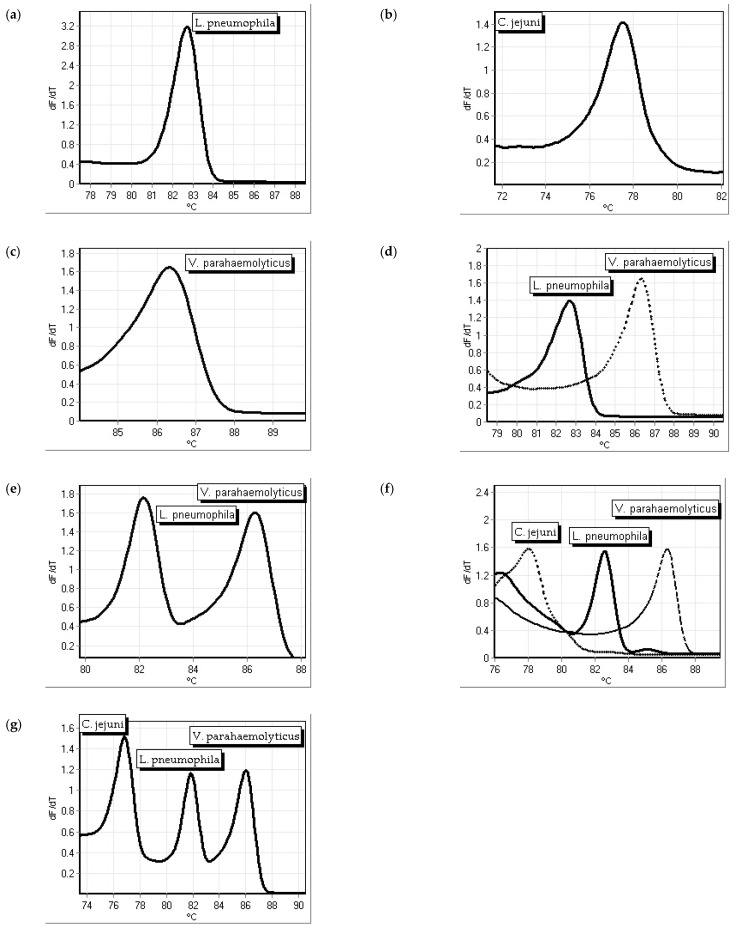 Figure 1
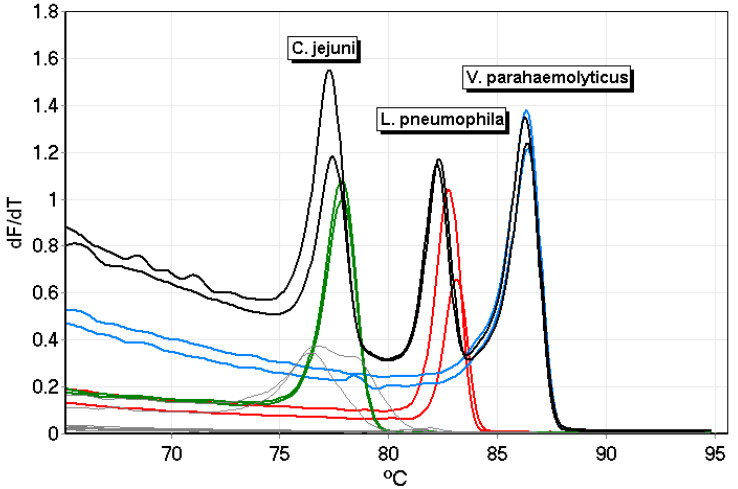 Figure 2
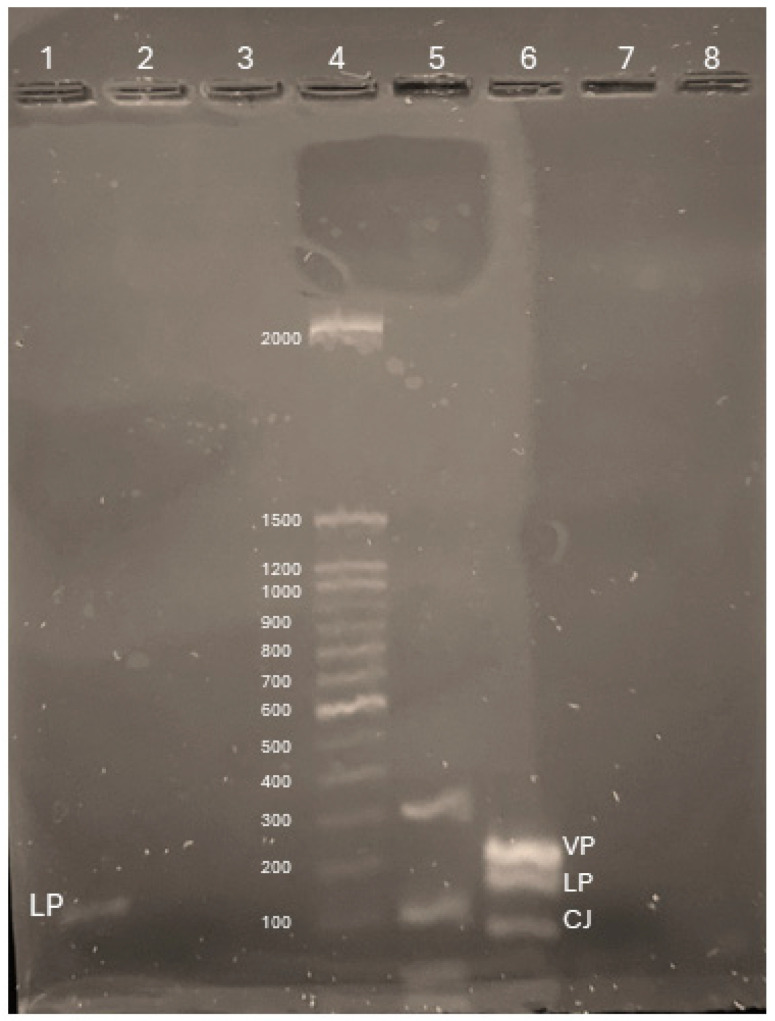 Figure 3
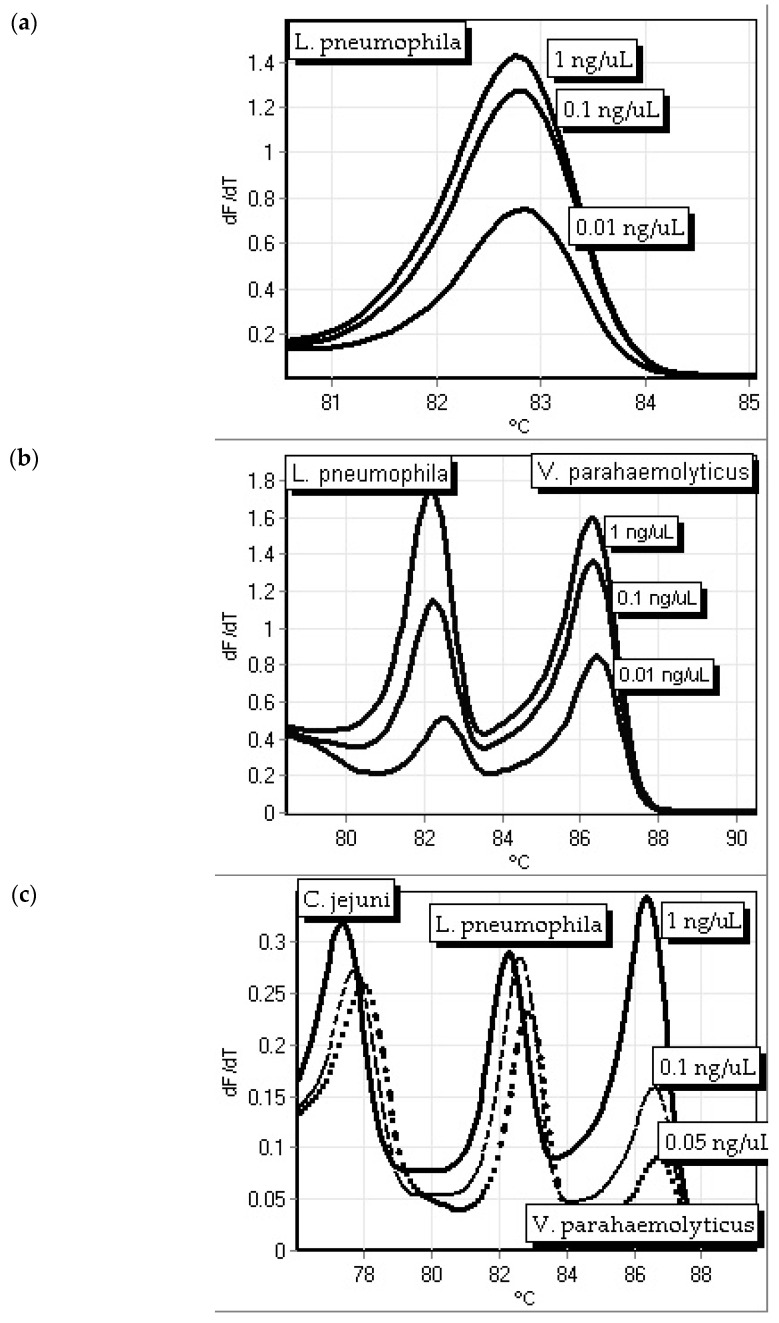 Figure 4
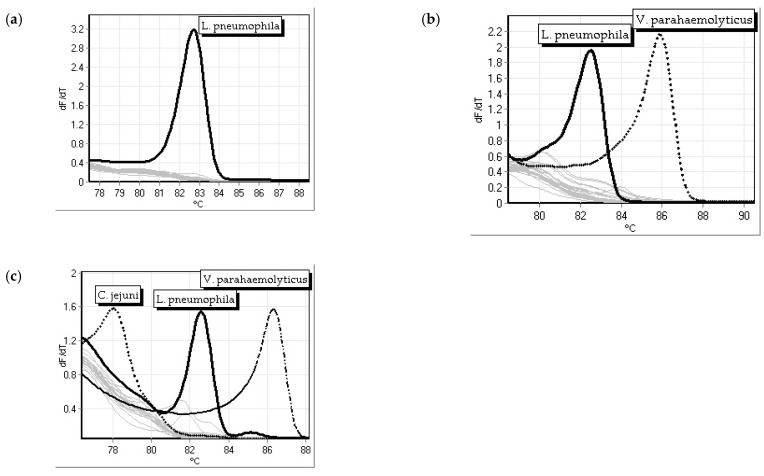 Figure 5
Peer Reviews
No public reviews on file for this paper yet. If you reviewed it on a platform where reviews are public (OpenReview, ICLR, NeurIPS, ICML), you can paste yours below so the community can read it here.
Videos
No videos yet. Explain this paper in a talk, walkthrough, or lecture? Add one.
Taxonomy
TopicsLegionella and Acanthamoeba research · Vibrio bacteria research studies · Biosensors and Analytical Detection