Configurational Isomerism in Bimetallic Decametalates
Aleksandar Kondinski

TL;DR
Researchers developed a computational method to identify and analyze configurational isomers in bimetallic decametalates, revealing stability trends and structural insights.
Contribution
A novel computational algorithm was developed to explore configurational isomerism in bimetallic decametalates, revealing experimentally relevant structures.
Findings
The algorithm identified 318 unique configurational isomers for bimetallic decametalates.
DFT predictions align with empirical stability trends in mixed molybdenum–vanadium systems.
Two-electron reduction stabilizes specific isomers via metal–metal bonding in dimolybdenum-substituted systems.
Abstract
In this work, we report on the development of a computational algorithm that explores the configurational isomer space of bimetallic decametalates with general formula MxM10−x′O28q. For x being a natural number in the range of 0 to 10, the algorithm identifies 318 unique configurational isomers. The algorithm is used to generate mixed molybdenum(VI)–vanadium(V) systems MoxV10−xO288− for x=0,1,2, and 3 that are of experimental relevance. The application of the density functional theory (DFT) effectively predicts stability trends that correspond well with empirical observations. In dimolybdenum-substituted decavanadate systems, we discover that a two-electron reduction preferentially stabilizes a configurational isomer due to the formation of metal–metal bonding. The particular polyoxometalate structure is of interest for further experimental studies.
Genes, proteins, chemicals, diseases, species, mutations and cell lines named across the full text — each resolved to its canonical identifier and authoritative record.
Click any figure to enlarge with its caption.
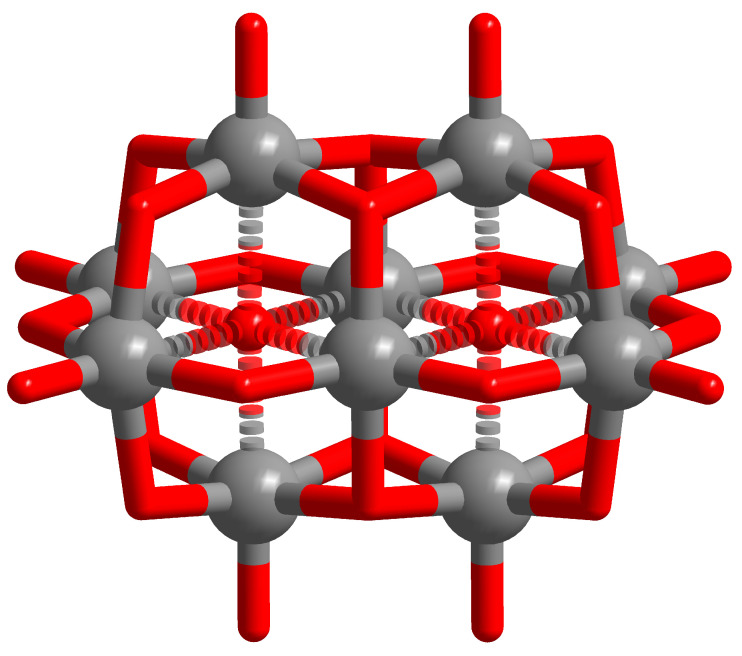 Figure 1
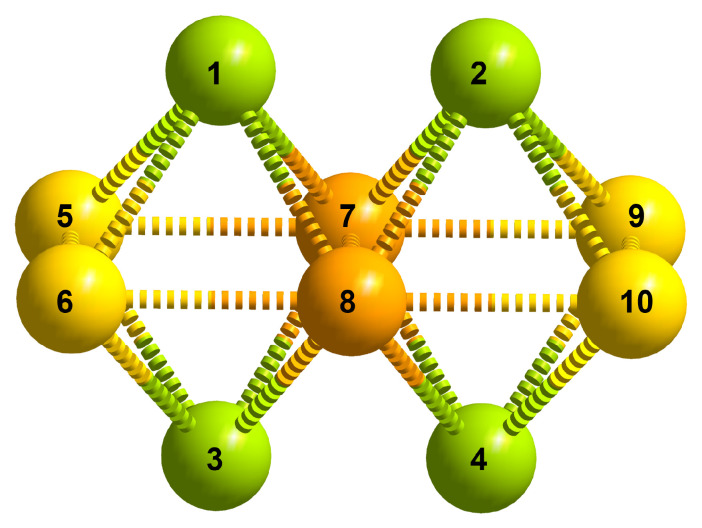 Figure 2
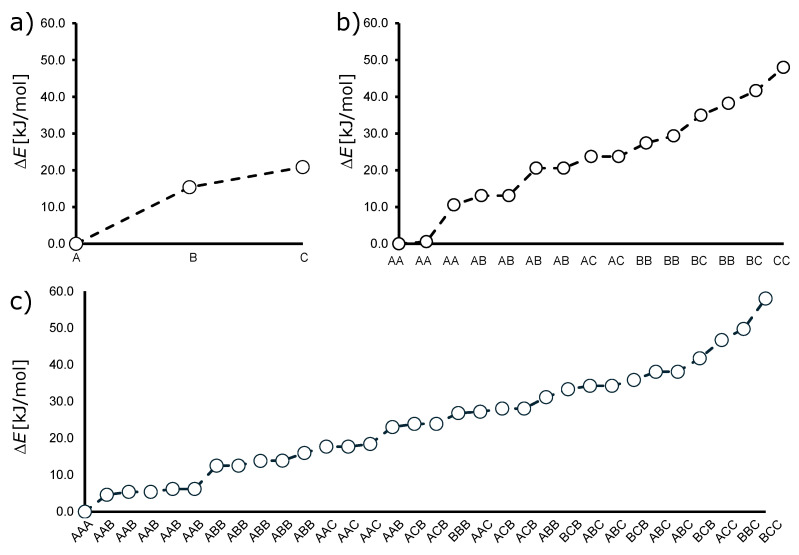 Figure 3
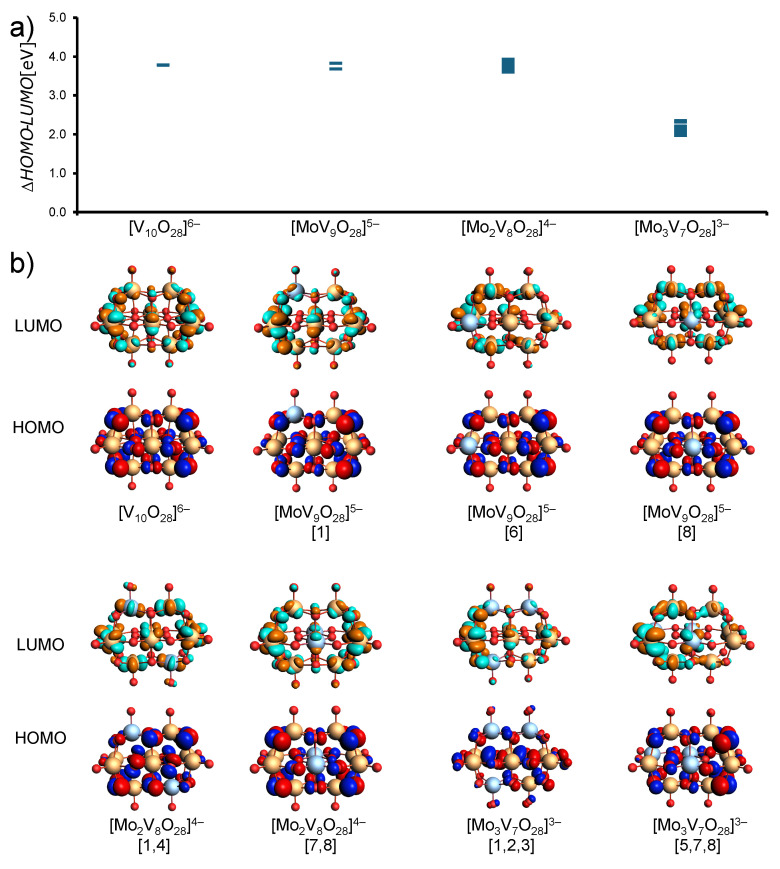 Figure 4
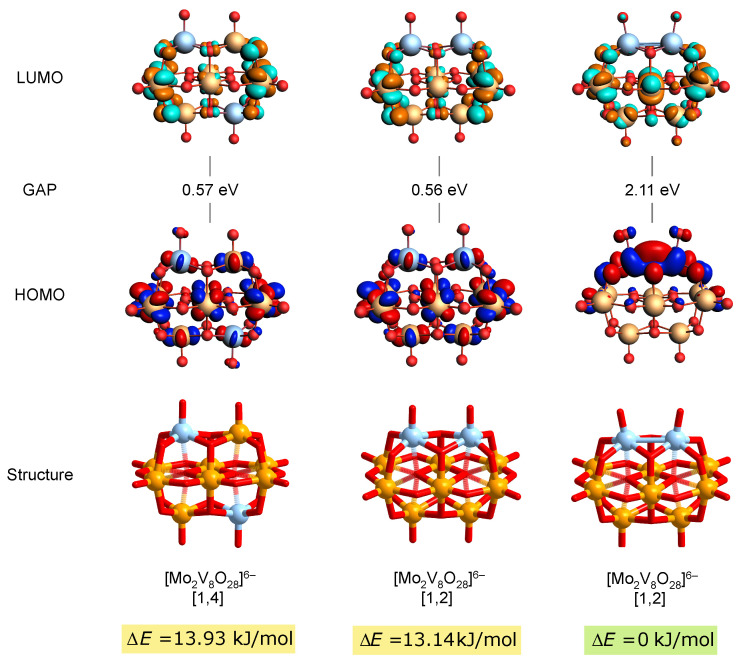 Figure 5
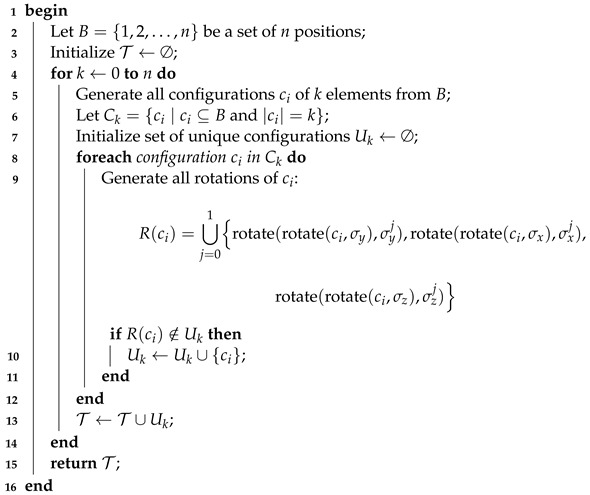 Figure 6
Peer Reviews
No public reviews on file for this paper yet. If you reviewed it on a platform where reviews are public (OpenReview, ICLR, NeurIPS, ICML), you can paste yours below so the community can read it here.
Videos
No videos yet. Explain this paper in a talk, walkthrough, or lecture? Add one.
Taxonomy
TopicsPolyoxometalates: Synthesis and Applications · Catalysis and Oxidation Reactions · Zeolite Catalysis and Synthesis