Characteristics of the Perianthic Endophytic Fungal Communities of the Rare Horticultural Plant Lirianthe delavayi and Their Changes under Artificial Cultivation
Lang Yuan, Tongxing Zhao, Jing Yang, Nannan Wu, Pinzheng Zhang, Hanbo Zhang, Tao Xu

TL;DR
This study explores how artificial cultivation affects the fungal communities in the flowers of a rare plant, Lirianthe delavayi, revealing changes that could increase disease risk and reduce reproductive success.
Contribution
The study is the first to analyze the impact of artificial cultivation on tepal endophytic fungi in a rare horticultural plant using high-throughput sequencing.
Findings
Artificial cultivation introduces new pathogenic fungal genera like Phaeosphaeria and Botryosphaeria, increasing disease risk.
The abundance of Rhodotorula, a fungus linked to plant reproduction, decreases under artificial cultivation.
Cultivation alters fungal metabolic pathways, reducing resistance to pests and reproductive capacity.
Abstract
Flower endophytic fungi play a major role in plant reproduction, stress resistance, and growth and development. However, little is known about how artificial cultivation affects the endophytic fungal community found in the tepals of rare horticultural plants. In this research, we used high-throughput sequencing technology combined with bioinformatics analysis to reveal the endophytic fungal community of tepals in Lirianthe delavayi and the effects of artificial cultivation on the community composition and function of these plants, using tepals of L. delavayi from wild habitat, cultivated campus habitat, and cultivated field habitat as research objects. The results showed that the variety of endophytic fungi in the tepals of L. delavayi was abundant, with a total of 907 Amplicon sequencing variants (ASVs) obtained from all the samples, which were further classified into 4 phyla, 23…
Genes, proteins, chemicals, diseases, species, mutations and cell lines named across the full text — each resolved to its canonical identifier and authoritative record.
Click any figure to enlarge with its caption.
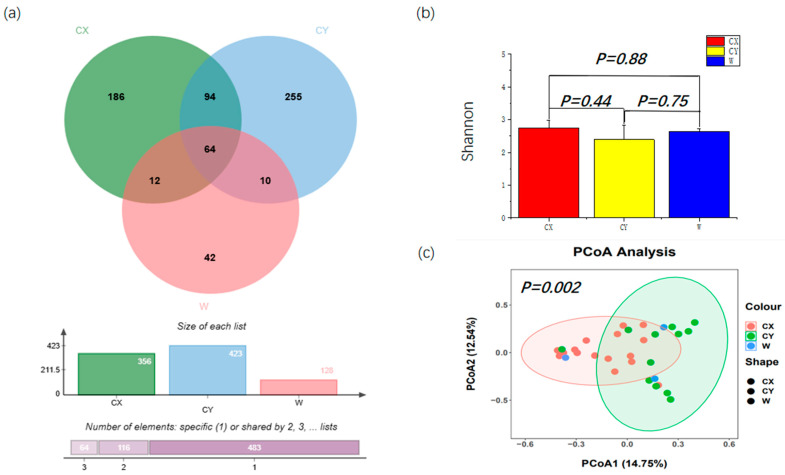 Figure 1
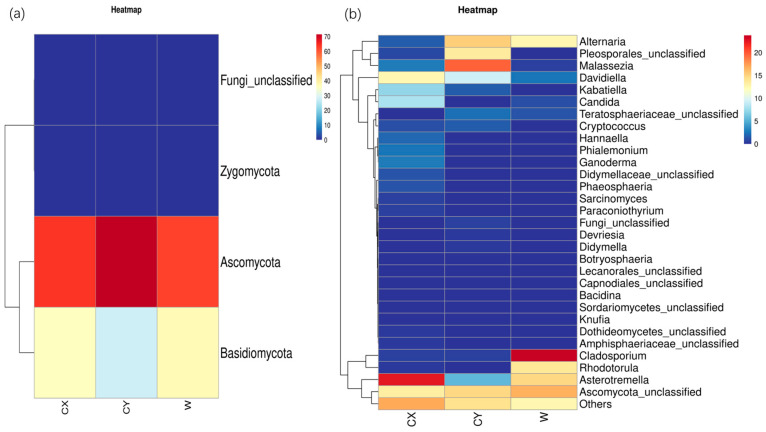 Figure 2
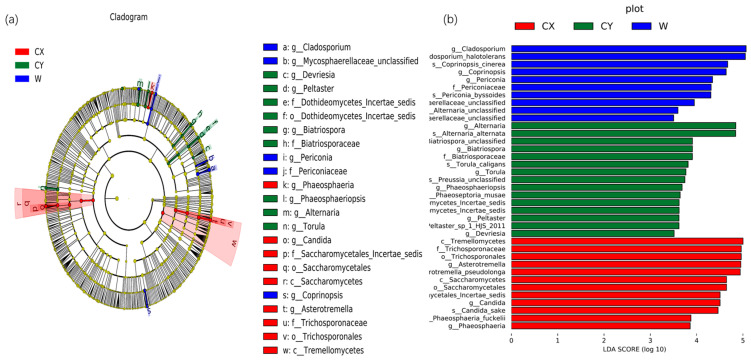 Figure 3
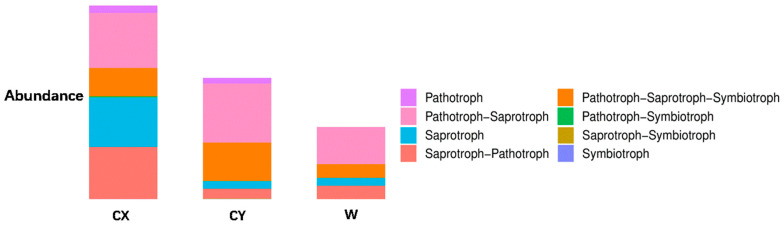 Figure 4
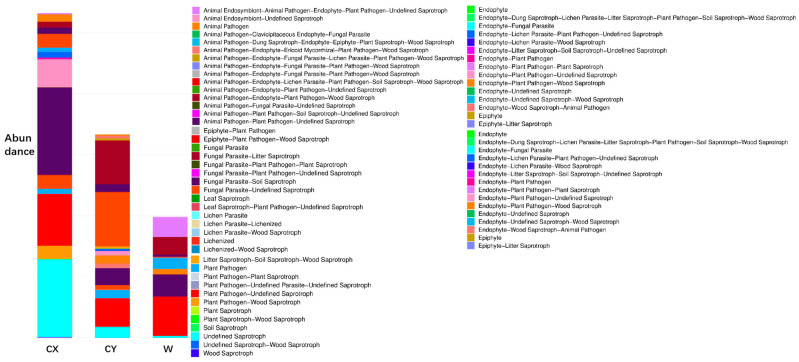 Figure 5
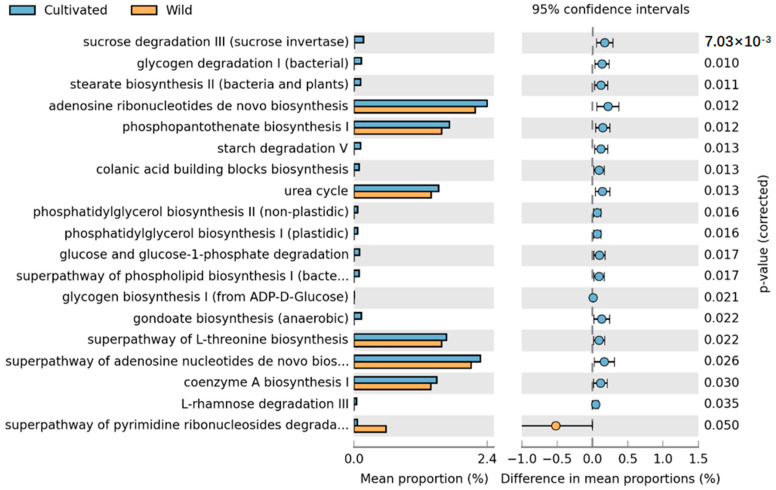 Figure 6
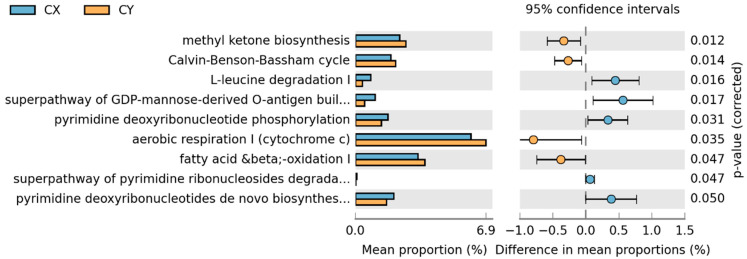 Figure 7
Peer Reviews
No public reviews on file for this paper yet. If you reviewed it on a platform where reviews are public (OpenReview, ICLR, NeurIPS, ICML), you can paste yours below so the community can read it here.
Videos
No videos yet. Explain this paper in a talk, walkthrough, or lecture? Add one.
Taxonomy
TopicsFungal Biology and Applications · Plant Pathogens and Fungal Diseases · Mycorrhizal Fungi and Plant Interactions