The Effect of the Initiator/Activator/Accelerator Ratio on the Degree of Conversion, Film Thickness, Flow, and Cytotoxicity of Dual-Cured Self-Adhesive Resin Cements
Hyun Kyung Moon, Jong-Eun Won, Jae Jun Ryu, Ji Suk Shim

TL;DR
This study examines how adjusting the ratio of initiator, activator, and accelerator in self-adhesive resin cements affects their conversion, thickness, flow, and toxicity.
Contribution
The study introduces a novel approach to improving the degree of conversion in self-adhesive resin cements by varying activator, accelerator, and initiator ratios.
Findings
Activators showed the greatest increase in degree of conversion (DC) followed by accelerators and initiators.
Lower DC values correlated with higher cytotoxicity in resin cements.
Film thickness met ISO standards across all tested formulations.
Abstract
Although self-adhesive resin cements are convenient and less technique-sensitive materials for dental clinicians, they exhibit a lower degree of conversion due to acidic components in their composition. Supplementation of the initiator, accelerator, and activator in self-adhesive resin cements has been suggested to compensate for the lower degree of conversion. This study aimed to evaluate the effects of different combinations of self-curing initiators, self-curing activators, and accelerators on the degree of conversion (DC) of self-adhesive resin cements. A dual-cured self-adhesive resin was prepared using six combinations of initiators, activators, and accelerators. The change in the DC over time was evaluated with and without light curing. The film thickness, flow properties, and cytotoxicity of each formulation were assessed. The results showed that all supplemental components had…
Genes, proteins, chemicals, diseases, species, mutations and cell lines named across the full text — each resolved to its canonical identifier and authoritative record.
Click any figure to enlarge with its caption.
 Figure 1
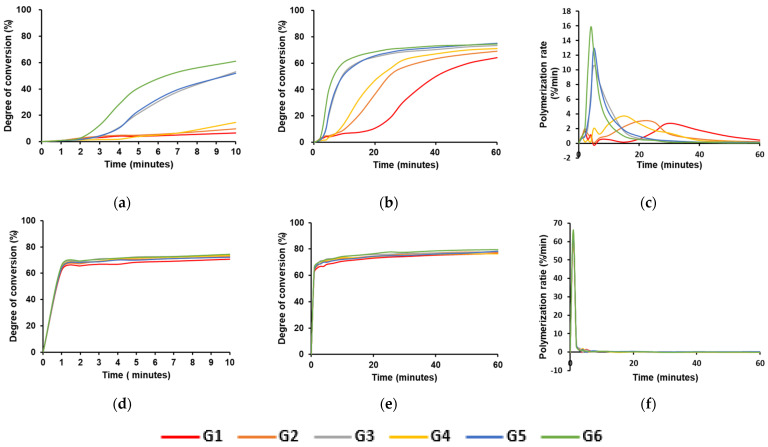 Figure 2
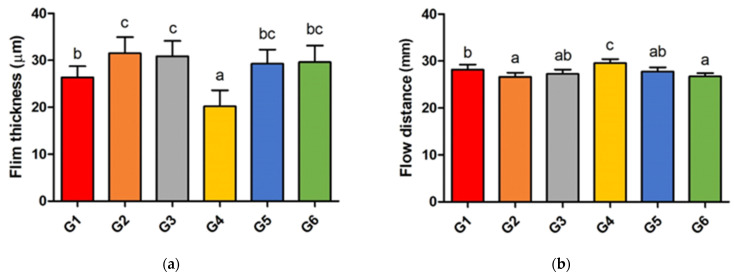 Figure 3
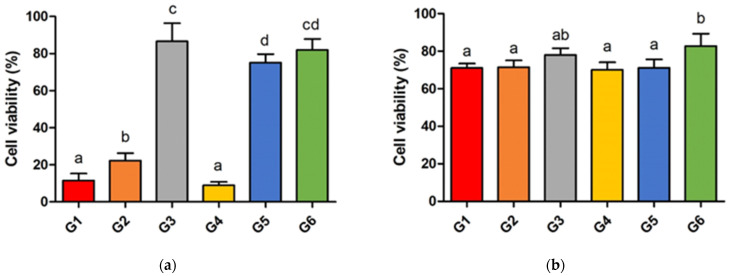 Figure 4
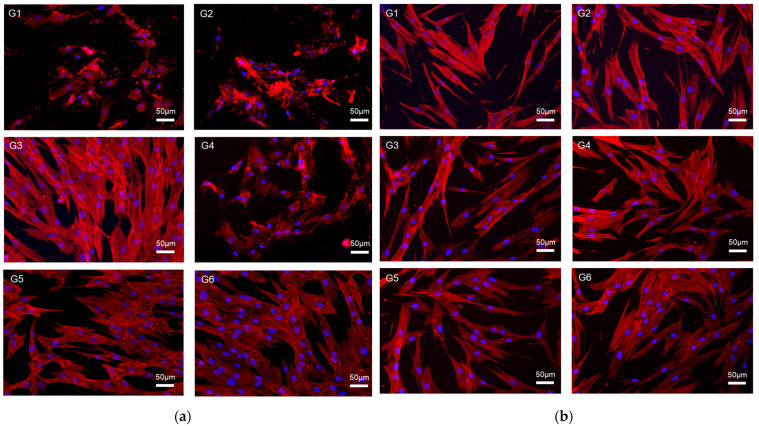 Figure 5
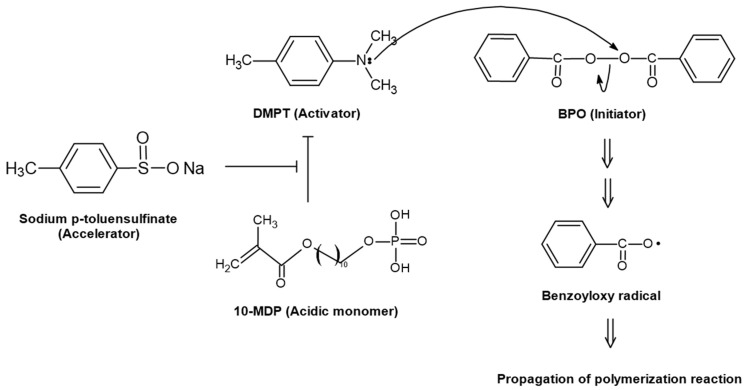 Figure 6
Peer Reviews
No public reviews on file for this paper yet. If you reviewed it on a platform where reviews are public (OpenReview, ICLR, NeurIPS, ICML), you can paste yours below so the community can read it here.
Videos
No videos yet. Explain this paper in a talk, walkthrough, or lecture? Add one.
Taxonomy
TopicsDental materials and restorations · Dental Implant Techniques and Outcomes · Endodontics and Root Canal Treatments