MicroRNAs Associated with IgLON Cell Adhesion Molecule Expression
Marco Salluzzo, Clara Vianello, Francesca Flotta, Roberto Rimondini, Lucia Carboni

TL;DR
This paper explores how microRNAs regulate the IgLON family of cell adhesion molecules, which are involved in neuronal development and cancer.
Contribution
The paper identifies microRNAs as key regulators of IgLON expression in various physiological and pathological contexts.
Findings
MicroRNAs modulate LSAMP in cancer and senescence.
MicroRNAs control OPCML in tumorigenesis.
MicroRNAs are involved in NEGR1's response to ischemic injury.
Abstract
The IgLON family of cell adhesion molecules consists of five members (LSAMP, OPCML, neurotrimin, NEGR1, and IgLON5) discovered as supporters of neuronal development, axon growth and guidance, and synapse formation and maintenance. Tumour suppression properties have recently been emerging based on antiproliferative effects through the modulation of oncogenic pathways. Available evidence endorses a role for non-coding RNAs or microRNAs as relevant controllers of IgLON molecule expression that can impact their critical physiological and pathological roles. Current findings support a function for long non-coding RNAs and microRNAs in the modulation of LSAMP expression in cell senescence, cancer biogenesis, addiction, and pulmonary hypertension. For OPCML, data point to a role for several microRNAs in the control of tumorigenesis. MicroRNAs were detected in neurotrimin-mediated functions in…
Genes, proteins, chemicals, diseases, species, mutations and cell lines named across the full text — each resolved to its canonical identifier and authoritative record.
Click any figure to enlarge with its caption.
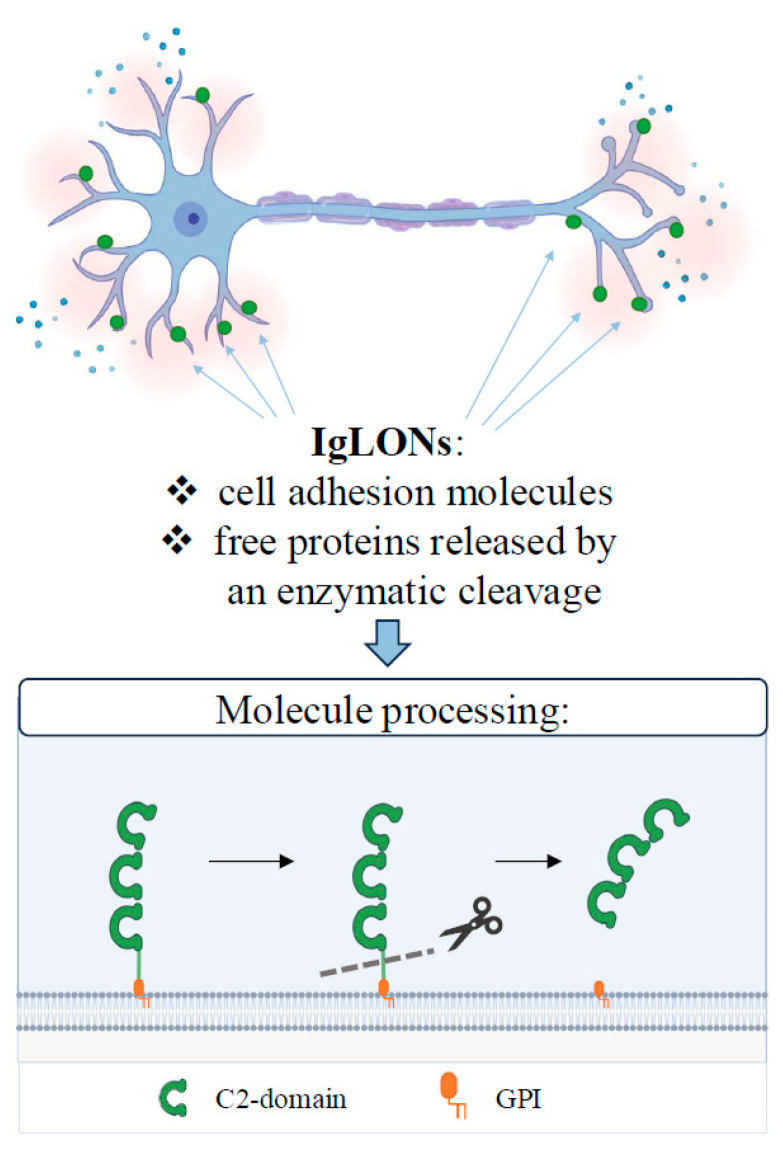 Figure 1
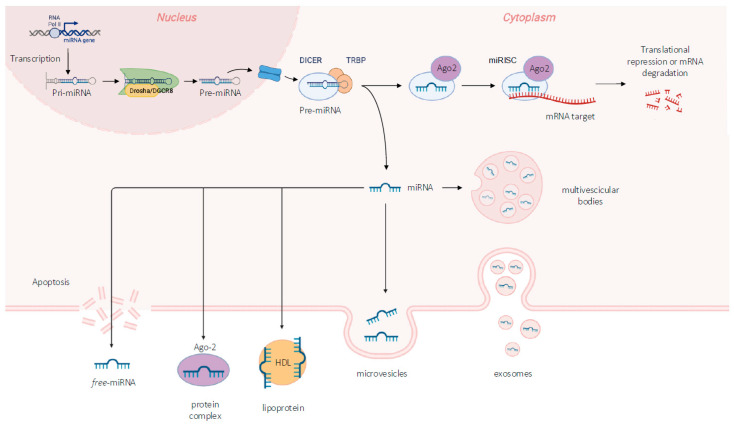 Figure 2
Peer Reviews
No public reviews on file for this paper yet. If you reviewed it on a platform where reviews are public (OpenReview, ICLR, NeurIPS, ICML), you can paste yours below so the community can read it here.
Videos
No videos yet. Explain this paper in a talk, walkthrough, or lecture? Add one.
Taxonomy
TopicsMicroRNA in disease regulation · Cancer-related molecular mechanisms research · Circular RNAs in diseases