Behavior of Correlation Functions in the Dynamics of the Multiparticle Quantum Arnol’d Cat
Giorgio Mantica

TL;DR
This paper explores the behavior of correlation functions in a quantum system inspired by the Arnol’d cat map.
Contribution
The study introduces and compares two correlation functions to analyze quantum-classical correspondence in a multi-particle quantum system.
Findings
The time autocorrelation function of canonical position was analyzed for its dynamical behavior.
Out-of-time correlators of position and momentum were used to probe quantum-classical correspondence.
The system's dynamics were tested using these indicators to understand quantum coherence and decoherence.
Abstract
The multi-particle Arnol’d cat is a generalization of the Hamiltonian system, both classical and quantum, whose period evolution operator is the renowned map that bears its name. It is obtained following the Joos–Zeh prescription for decoherence by adding a number of scattering particles in the configuration space of the cat. Quantization follows swiftly if the Hamiltonian approach, rather than the semiclassical approach, is adopted. The author has studied this system in a series of previous works, focusing on the problem of quantum–classical correspondence. In this paper, the dynamics of this system are tested by two related yet different indicators: the time autocorrelation function of the canonical position and the out-of-time correlator of position and momentum.
Genes, proteins, chemicals, diseases, species, mutations and cell lines named across the full text — each resolved to its canonical identifier and authoritative record.
Click any figure to enlarge with its caption.
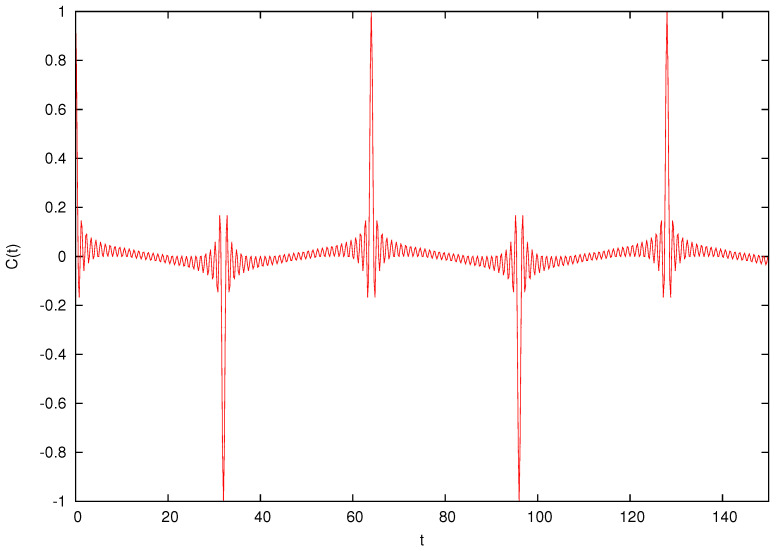 Figure 1
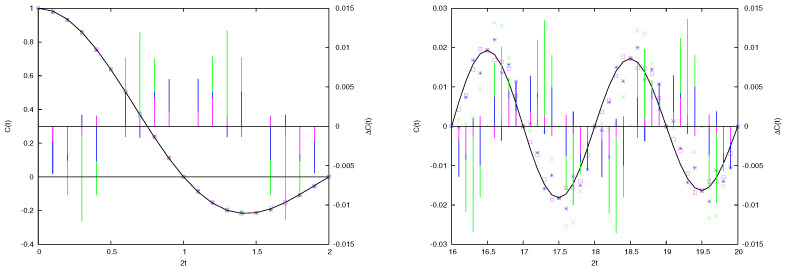 Figure 2
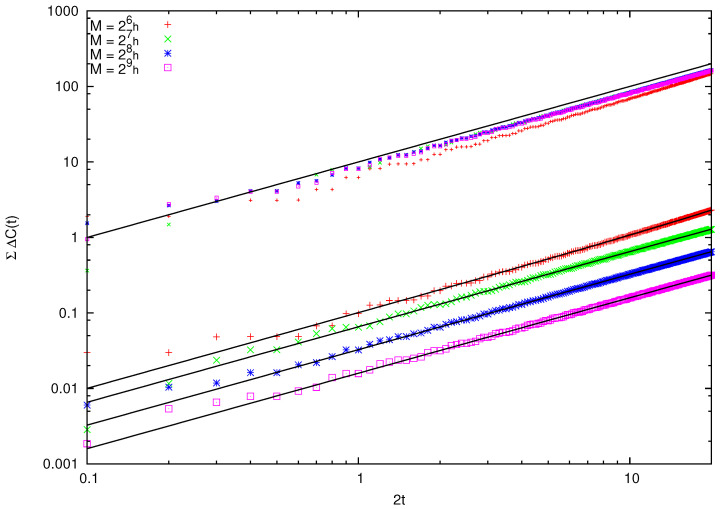 Figure 3
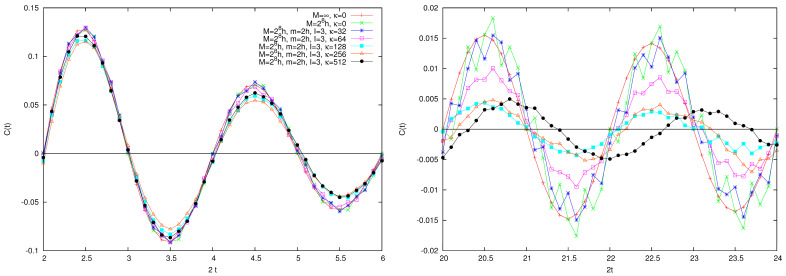 Figure 4
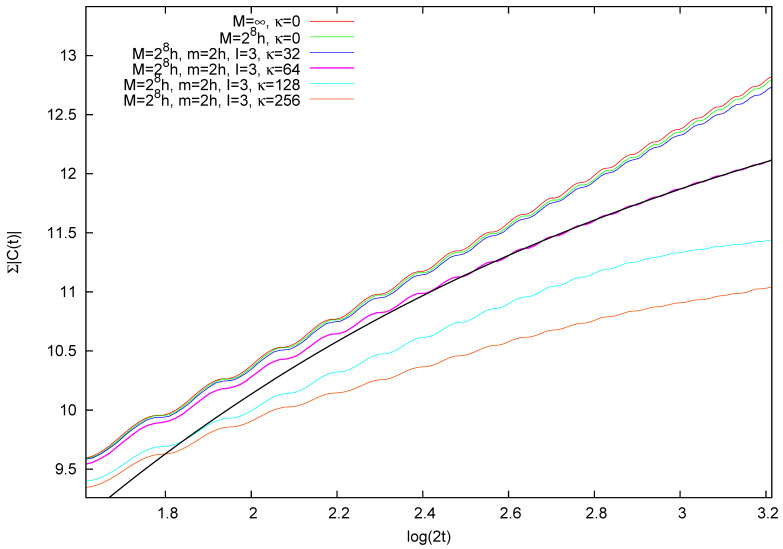 Figure 5
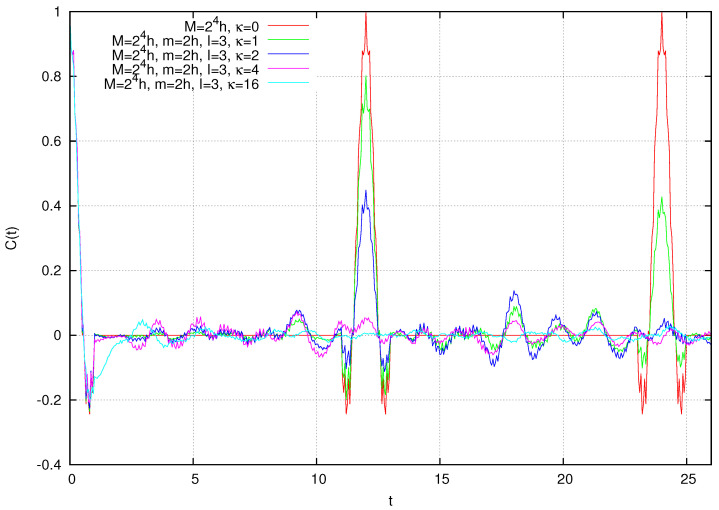 Figure 6
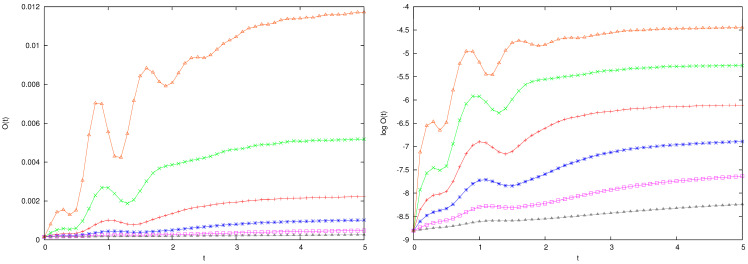 Figure 7
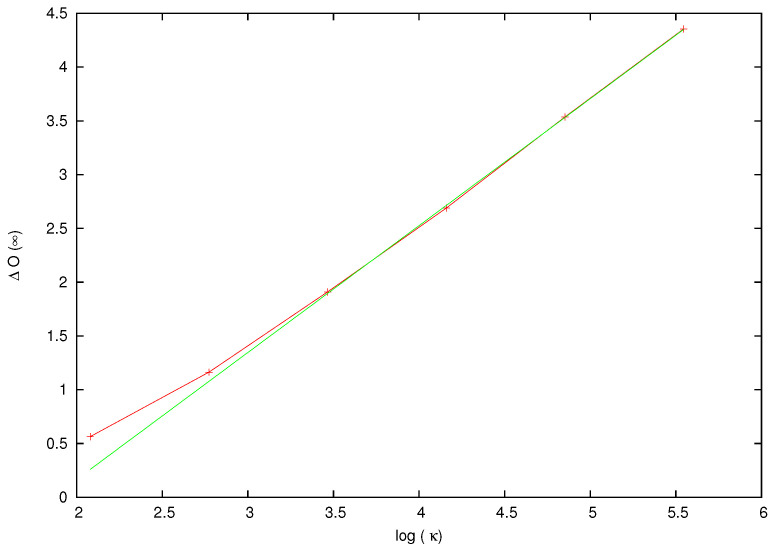 Figure 8
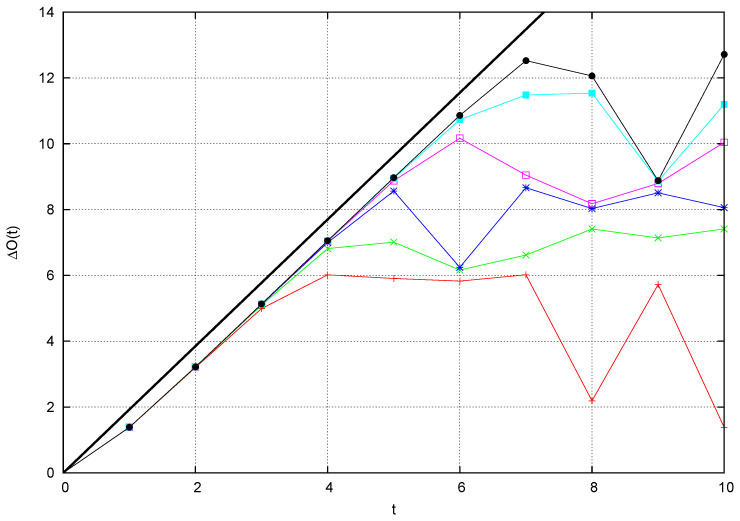 Figure 9
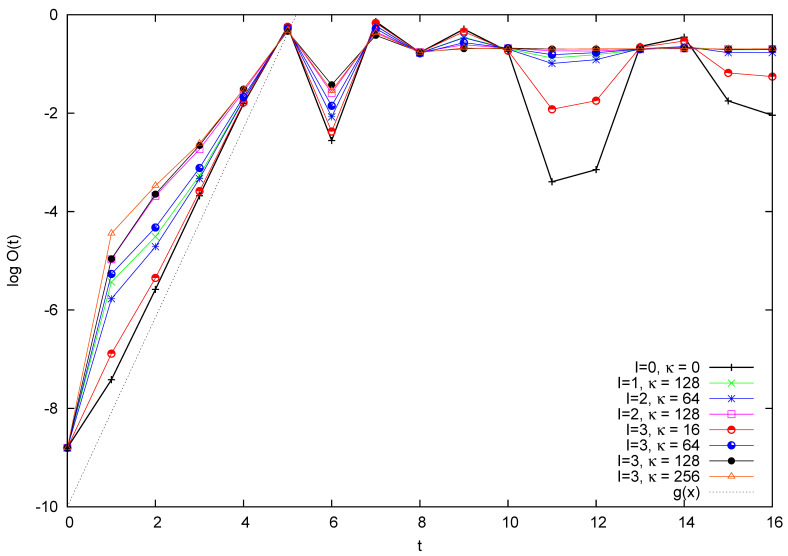 Figure 10
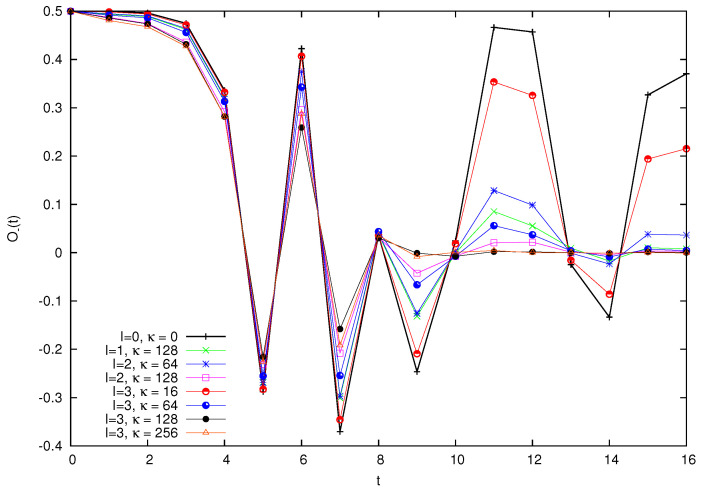 Figure 11
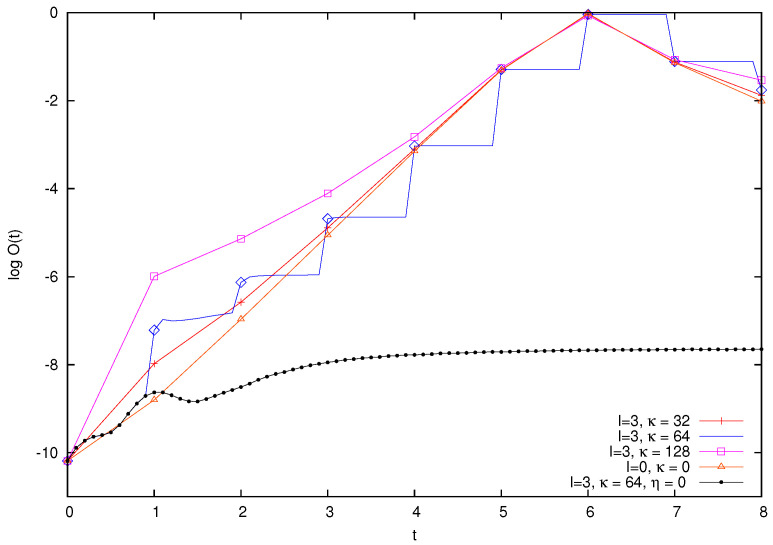 Figure 12
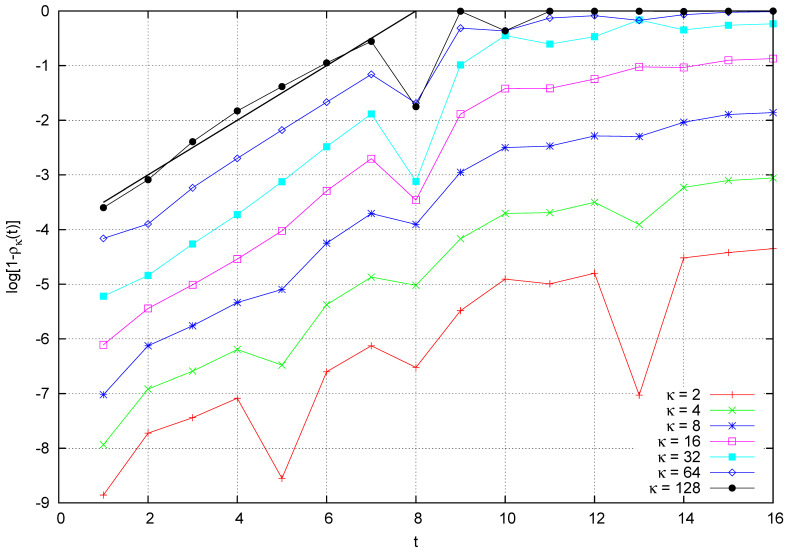 Figure 13
Peer Reviews
No public reviews on file for this paper yet. If you reviewed it on a platform where reviews are public (OpenReview, ICLR, NeurIPS, ICML), you can paste yours below so the community can read it here.
Videos
No videos yet. Explain this paper in a talk, walkthrough, or lecture? Add one.
Taxonomy
TopicsQuantum Mechanics and Applications · Quantum chaos and dynamical systems · Molecular spectroscopy and chirality