Assessing the Volume of the Head of the Mandibular Condyle Using 3T-MRI—A Preliminary Trial
Alessandro Mosca Balma, Davide Cavagnetto, Lorenzo Pavone, Federico Mussano

TL;DR
This study explores using 3T-MRI as a safer alternative to X-ray-based CBCT for measuring mandibular condyle volume in the temporomandibular joint.
Contribution
The study proposes a semiautomatic method for 3D TMJ assessment using high-resolution MRI as a safer alternative to CBCT.
Findings
CBCT showed higher reproducibility compared to 3T-MRI in condylar volume measurements.
3T-MRI had higher standard deviation but results were clinically not significant.
The method shows potential for future AI-driven automatic algorithms despite MRI's current resolution limitations.
Abstract
Due to potentially harmful exposure to X-rays, condylar growth in response to orthodontic treatment is poorly studied. To overcome this limitation, here, the authors have proposed high-resolution MRI as a viable alternative to CBCT for clinical 3D assessment of TMJ. A male subject underwent both MRI and CBCT scans. The obtained three-dimensional reconstructions of the TMJ were segmented and superimposed by a semiautomatic algorithm developed in MATLAB R2022a. The condylar geometries were reconstructed using dedicated software for image segmentation. Two geometrical parameters, i.e., the total volume and surface of the single condyle model, were selected to quantify the intraclass and interclass variability from the mean of each DICOM series (CBCT and MRI). The final comparison between the reference standard model of CBCT and 3T MRI showed that the former was more robust in terms of…
Genes, proteins, chemicals, diseases, species, mutations and cell lines named across the full text — each resolved to its canonical identifier and authoritative record.
Click any figure to enlarge with its caption.
 Figure 1
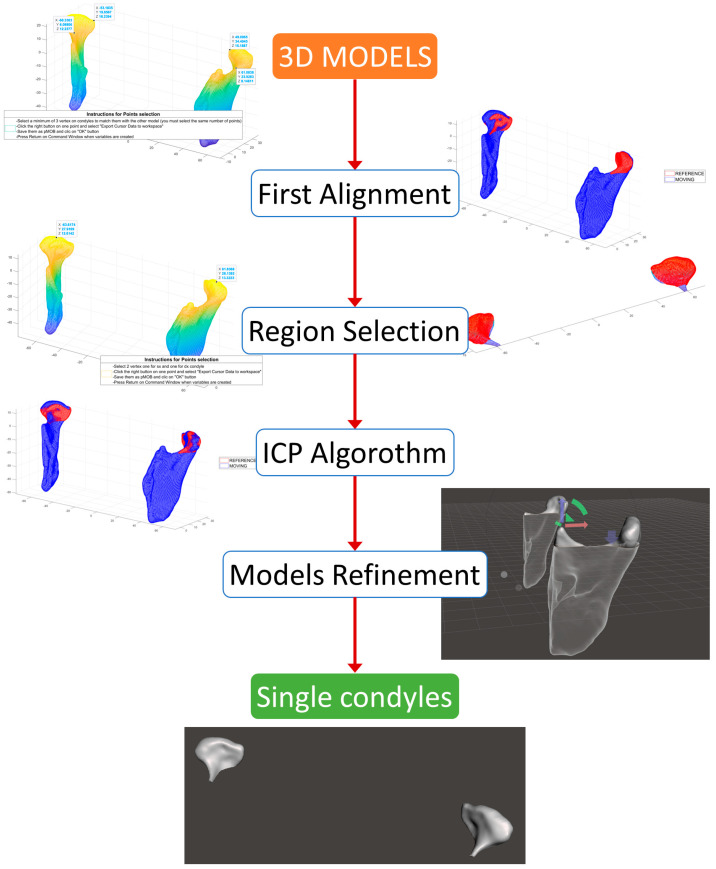 Figure 2
 Figure 3
 Figure 4
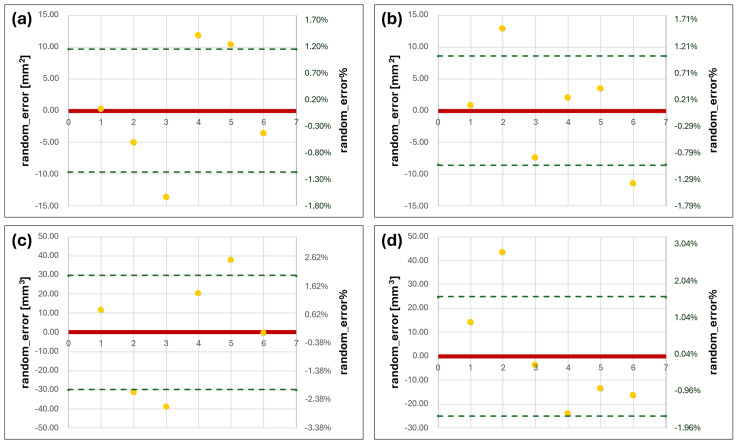 Figure 5
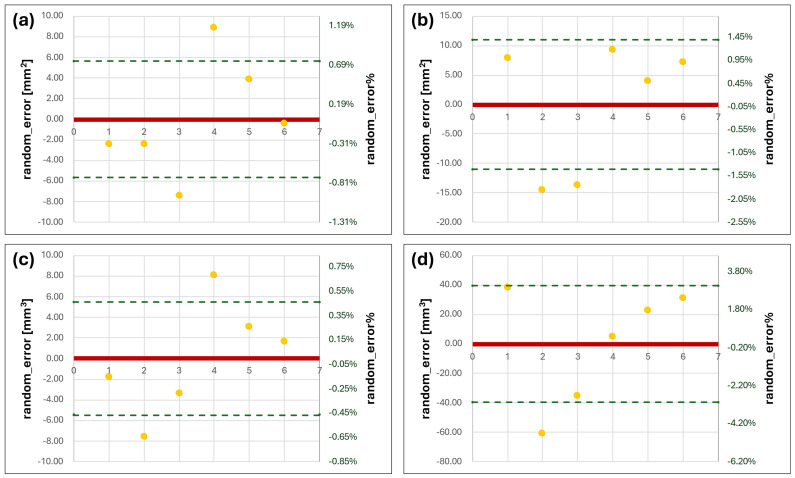 Figure 6
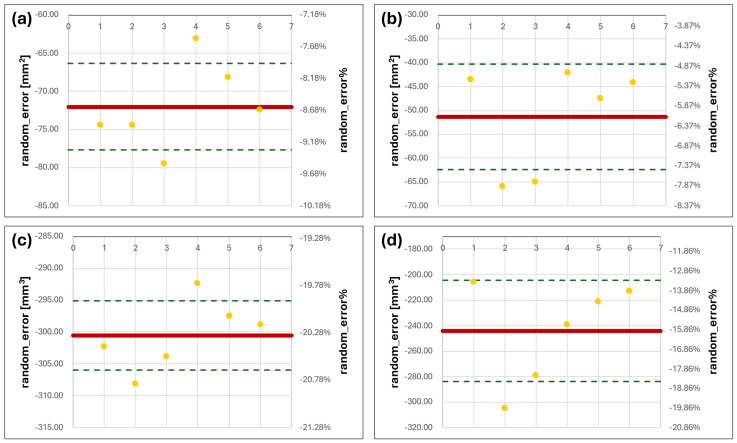 Figure 7
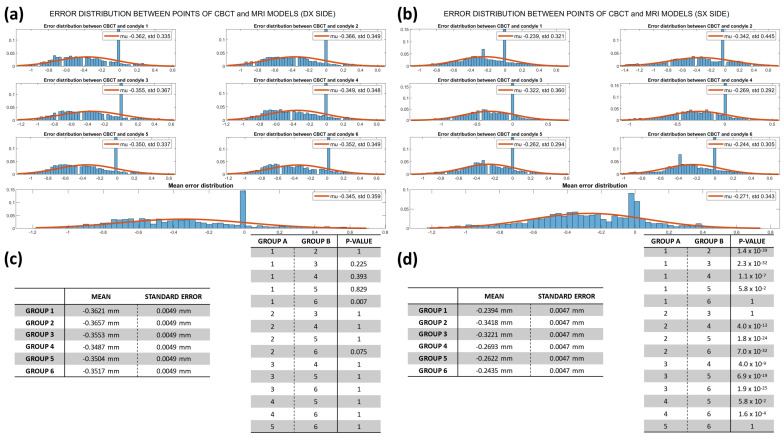 Figure 8
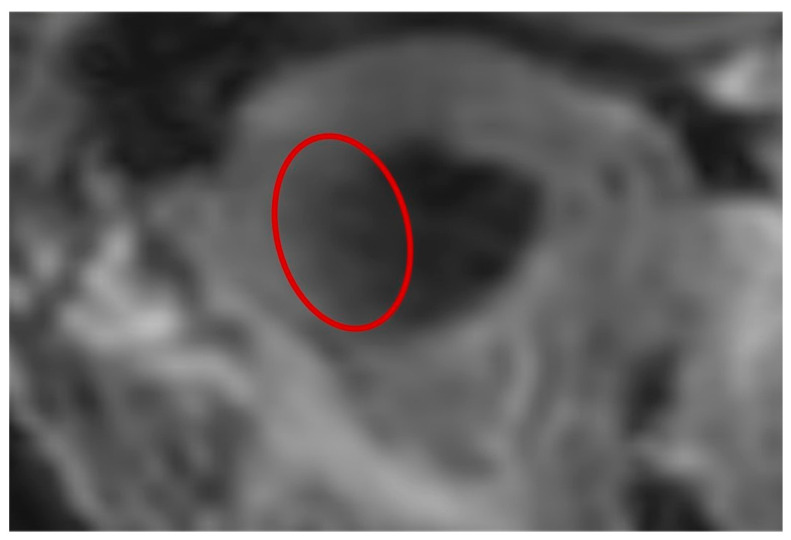 Figure 9
Peer Reviews
No public reviews on file for this paper yet. If you reviewed it on a platform where reviews are public (OpenReview, ICLR, NeurIPS, ICML), you can paste yours below so the community can read it here.
Videos
No videos yet. Explain this paper in a talk, walkthrough, or lecture? Add one.
Taxonomy
TopicsDental Radiography and Imaging · Temporomandibular Joint Disorders · Medical Imaging Techniques and Applications