BMAL1-HIF2α heterodimers contribute to ccRCC
Rebecca M. Mello, Diego Gomez Ceballos, Colby R. Sandate, Daniel Agudelo, Celine Jouffe, Nina Henriette Uhlenhaut, Nicolas H. Thomä, M. Celeste Simon, Katja A. Lamia

TL;DR
This study shows that the BMAL1-HIF2α protein pair plays a key role in kidney cancer growth and drug response.
Contribution
The discovery of BMAL1-HIF2α as a novel heterodimer in ccRCC with implications for drug sensitivity.
Findings
BMAL1 is elevated in ccRCC and regulates HIF2α target genes.
BMAL1 depletion reduces ccRCC growth in culture and xenografts.
BMAL1-HIF2α is more sensitive to HIF2α antagonists than ARNT-HIF2α.
Abstract
Circadian disruption enhances cancer risk, and many tumors exhibit disordered circadian gene expression. We show rhythmic gene expression is unexpectedly robust in clear cell renal cell carcinoma (ccRCC). Furthermore, the clock gene BMAL1 is higher in ccRCC than in healthy kidneys, unlike in other tumor types. BMAL1 is closely related to ARNT, and we show that BMAL1-HIF2α regulates a subset of HIF2α target genes in ccRCC cells. Depletion of BMAL1 reprograms HIF2α chromatin association and target gene expression and reduces ccRCC growth in culture and in xenografts. Analysis of pre-existing data reveals higher BMAL1 in patient-derived xenografts that are sensitive to growth suppression by a HIF2α antagonist (PT2399). We show that BMAL1-HIF2α is more sensitive than ARNT-HIF2α to suppression by PT2399, and increasing BMAL1 sensitizes 786O cells to growth inhibition by PT2399. Together,…
Genes, proteins, chemicals, diseases, species, mutations and cell lines named across the full text — each resolved to its canonical identifier and authoritative record.
Click any figure to enlarge with its caption.
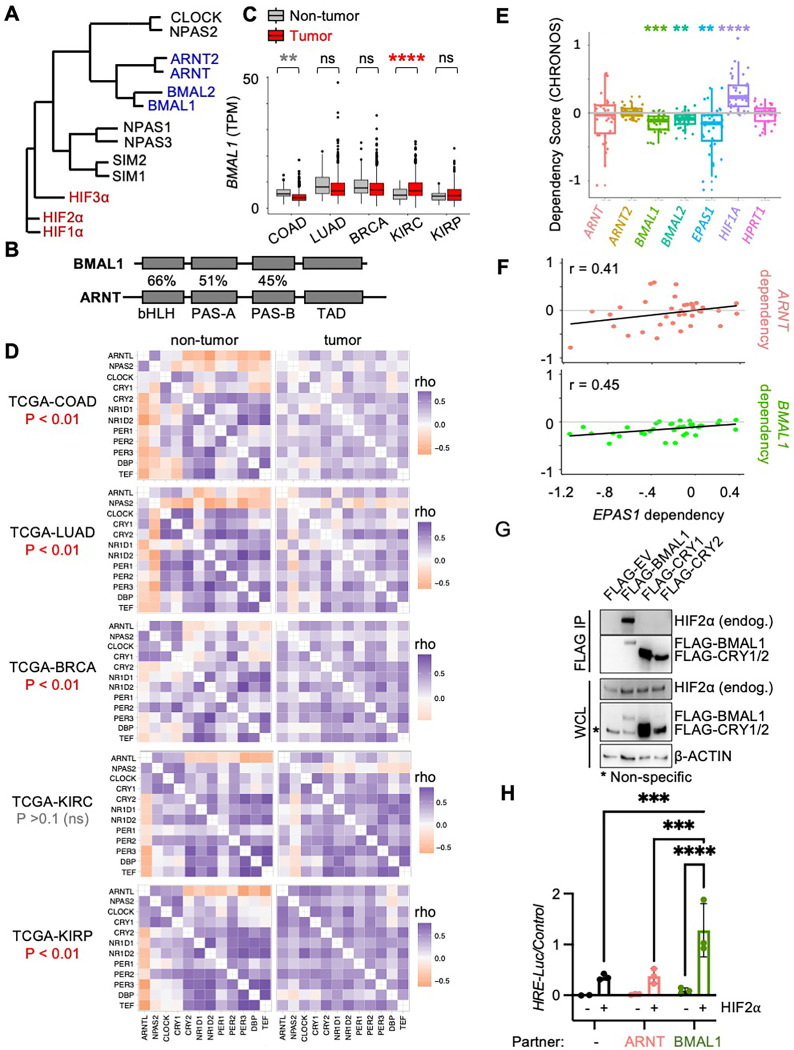 Figure 1
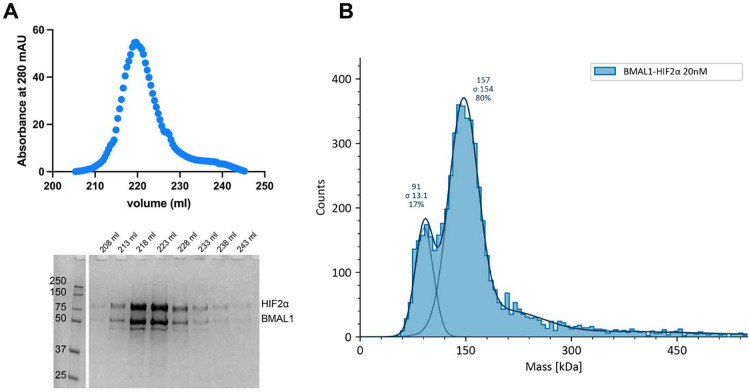 Figure 2
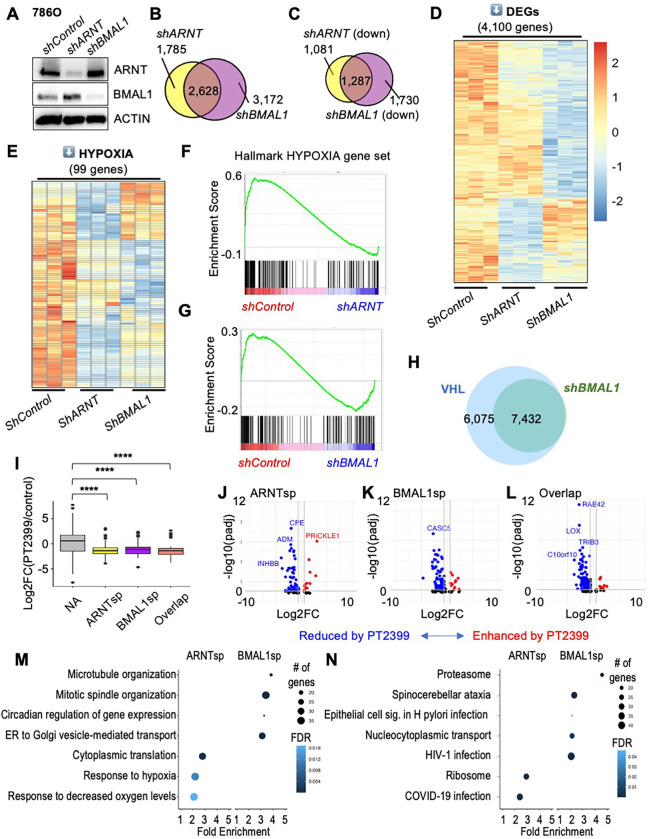 Figure 3
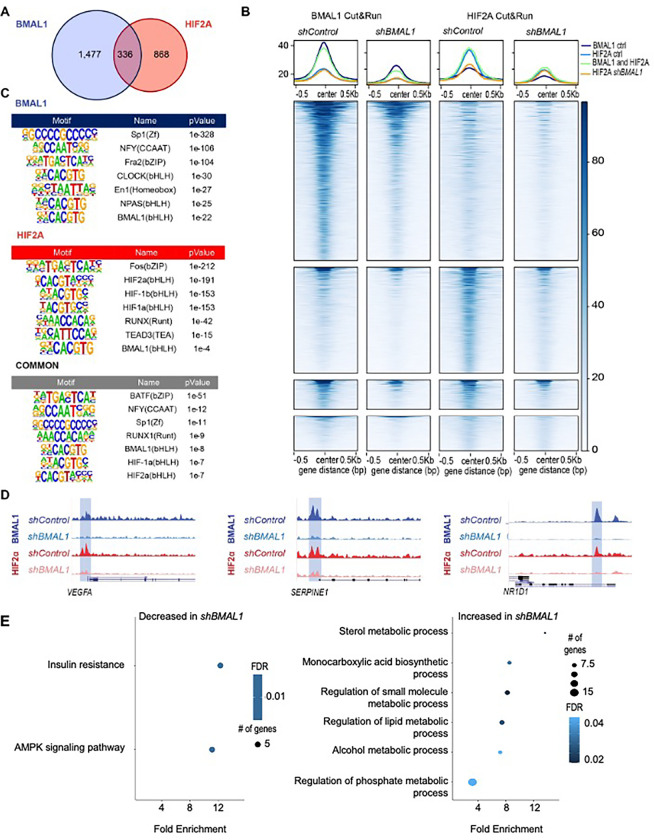 Figure 4
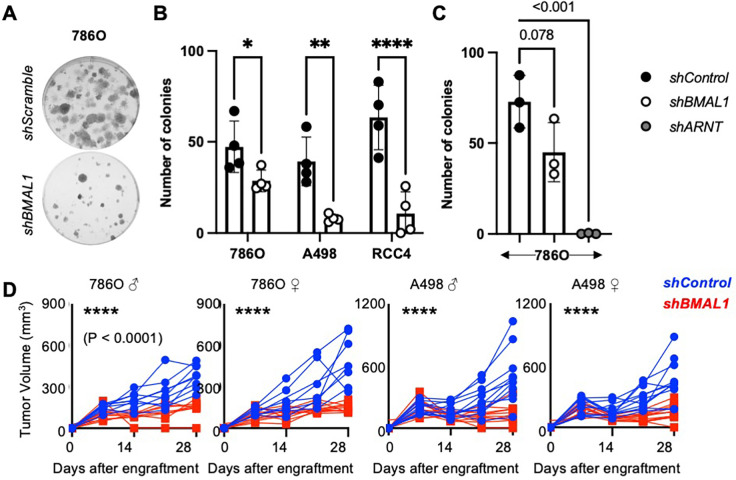 Figure 5
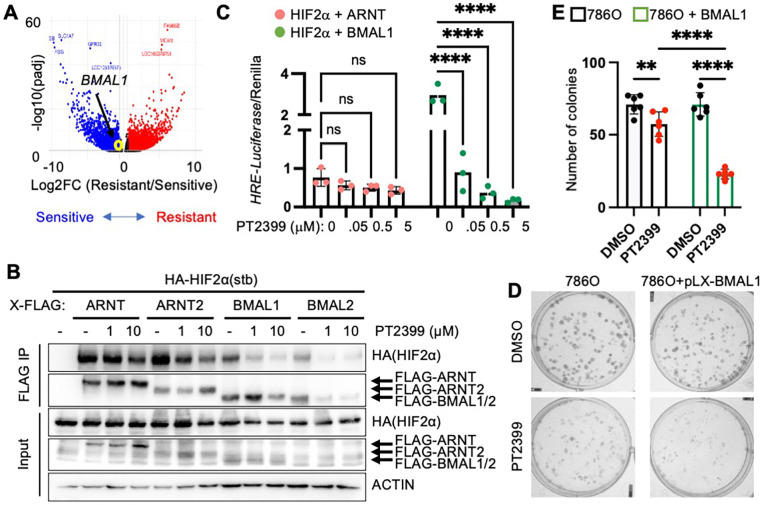 Figure 6
Peer Reviews
No public reviews on file for this paper yet. If you reviewed it on a platform where reviews are public (OpenReview, ICLR, NeurIPS, ICML), you can paste yours below so the community can read it here.
Videos
No videos yet. Explain this paper in a talk, walkthrough, or lecture? Add one.
Taxonomy
TopicsCancer, Hypoxia, and Metabolism · Cancer Research and Treatments · Liver physiology and pathology