Microbial Leakage through Three Different Implant–Abutment Interfaces on Morse Taper Implants In Vitro
Ricardo Faria Ribeiro, Victor Barboza da Mata, Lucas de Oliveira Tomaselli, Anselmo Agostinho Simionato, Emerson de Souza Santos, Adriana Cláudia Lapria Faria, Renata Cristina Silveira Rodrigues, Cássio do Nascimento

TL;DR
This study found that different types of dental implant abutments affect how much bacteria can leak through their interfaces, with some allowing more microbial leakage than others.
Contribution
The study introduces a novel comparison of microbial leakage across different Morse taper implant-abutment interfaces using genome counts.
Findings
CMX U abutments showed the highest microbial leakage, followed by CMX PU, CMX TB, and CMC TB.
Thermomechanical and thermal cycling both significantly influenced microbial leakage.
Abutment type significantly affects both total and individual bacterial leakage.
Abstract
The objective of this study was to evaluate microbial leakage by means of genome counts, through the implant–abutment interface in dental implants with different Morse taper abutments. Fifty-six samples were prepared and divided in four groups: CMC TB (14 Cylindrical Implants–14 TiBase Abutments), CMX TB (14 Conical Implants–14 TiBase Abutments), CMX PU (14 Conical Implants–14 Universal Abutment) and CMX U (14 Tapered Implants–14 UCLA Abutments). Assemblies had their interface submerged in saliva as the contaminant. Samples were subjected either to thermomechanical cycling (2 × 10⁶ mechanical cycles with frequency of 5 Hz and load of 120 N simultaneously with thermal cycles of 5–55 °C) or thermal cycling (5–55 °C). After cycling, the contents from the inner parts of assemblies were collected and analyzed using the Checkerboard DNA–DNA hybridization technique. Significant differences in…
Genes, proteins, chemicals, diseases, species, mutations and cell lines named across the full text — each resolved to its canonical identifier and authoritative record.
Click any figure to enlarge with its caption.
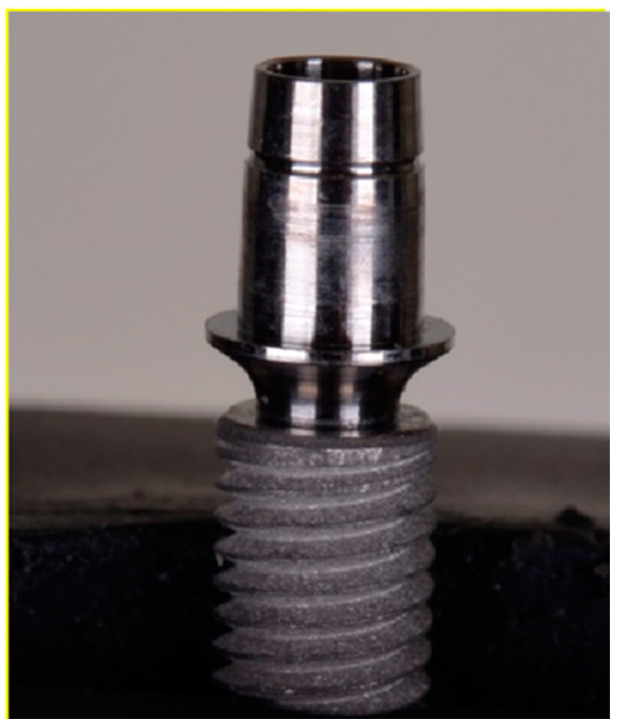 Figure 1
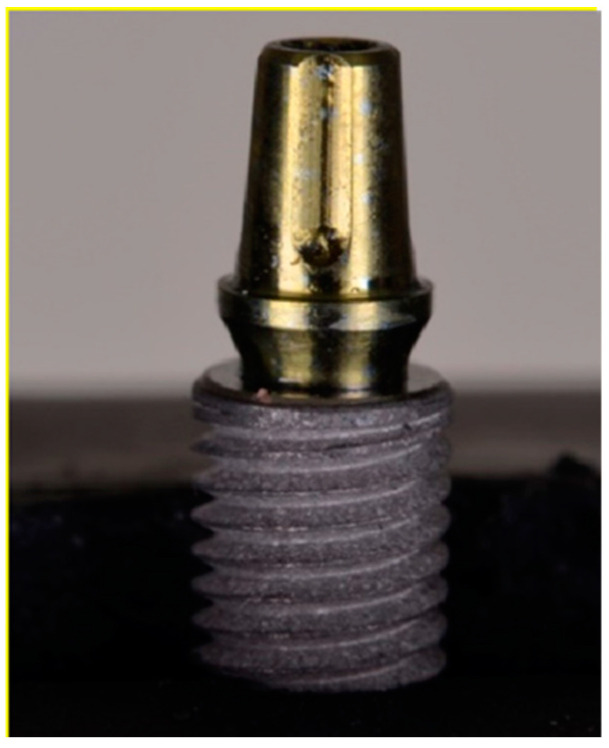 Figure 2
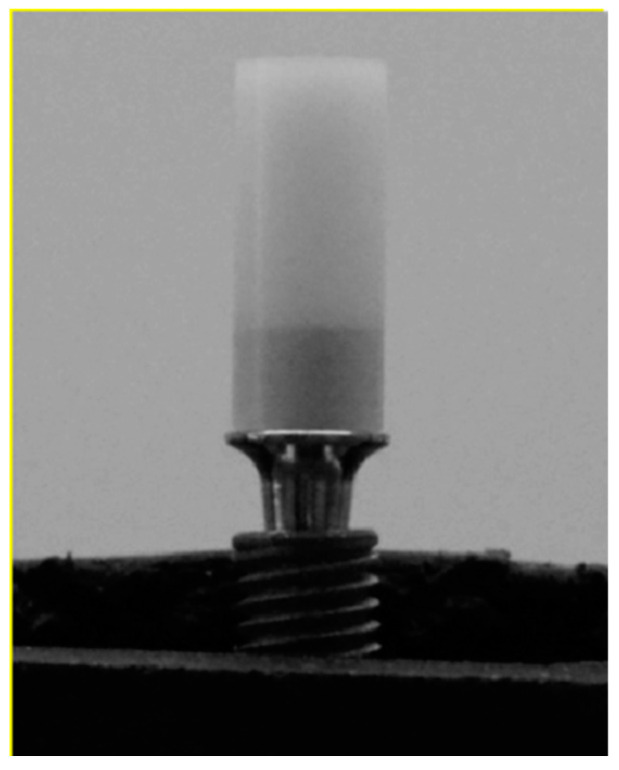 Figure 3
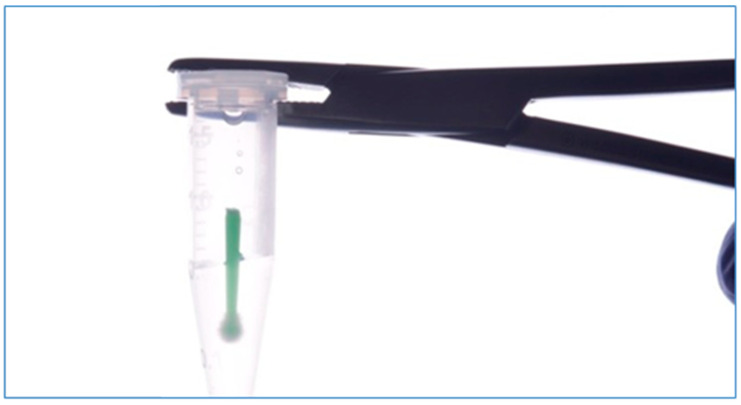 Figure 4
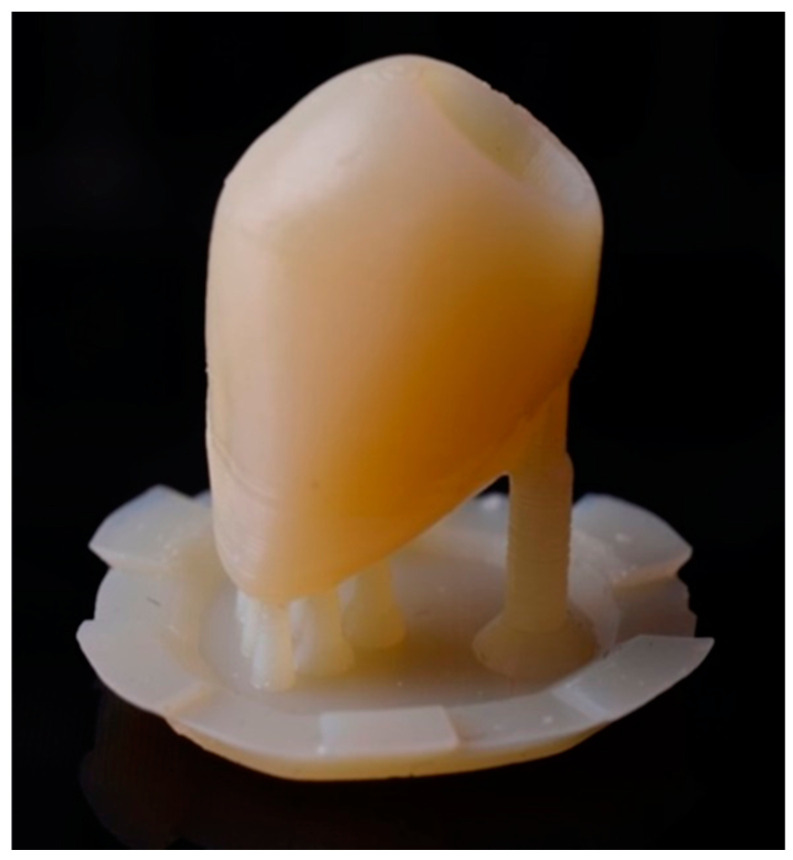 Figure 5
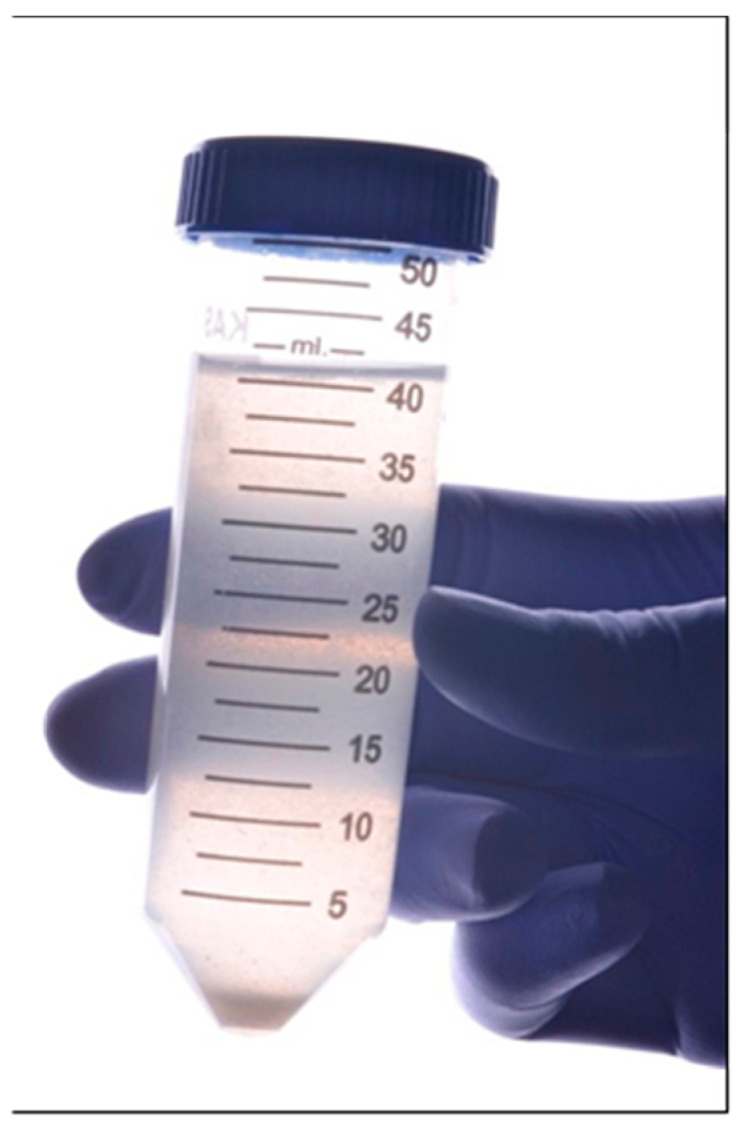 Figure 6
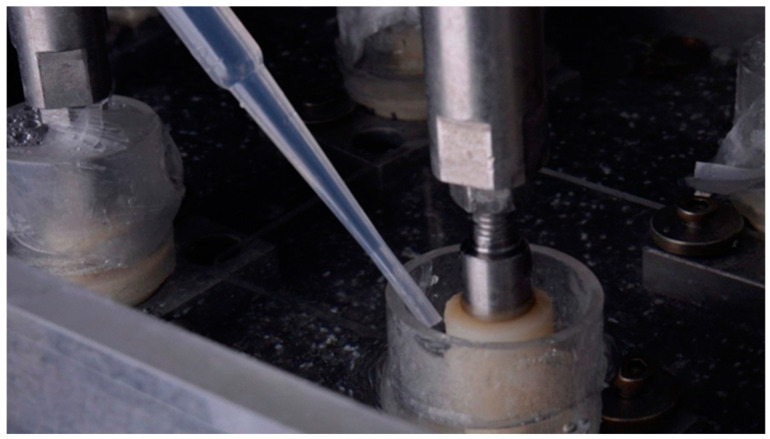 Figure 7
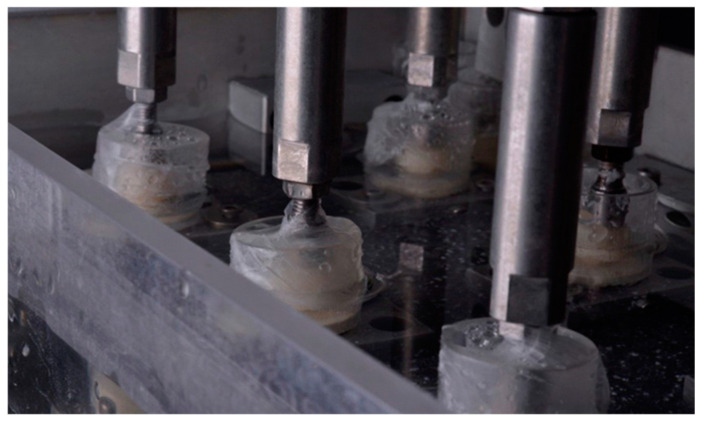 Figure 8
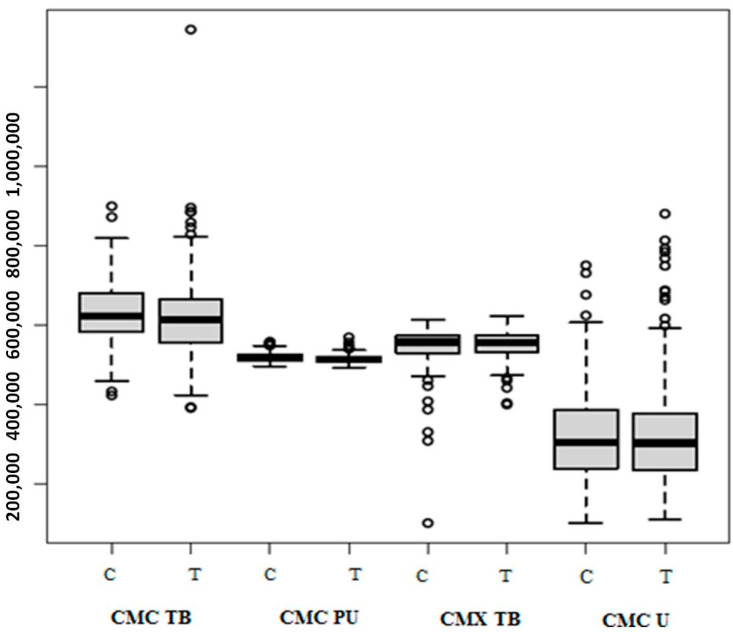 Figure 9
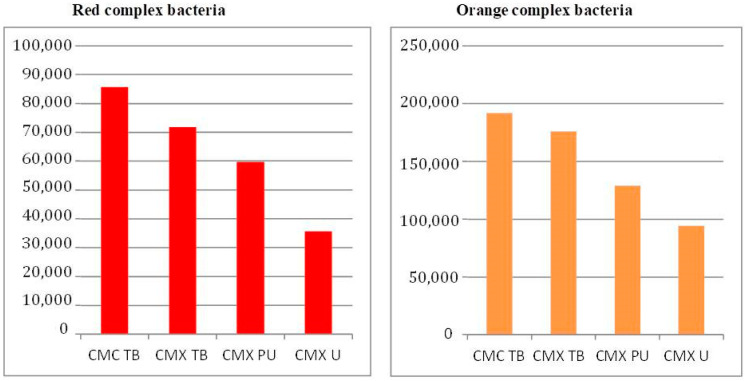 Figure 10
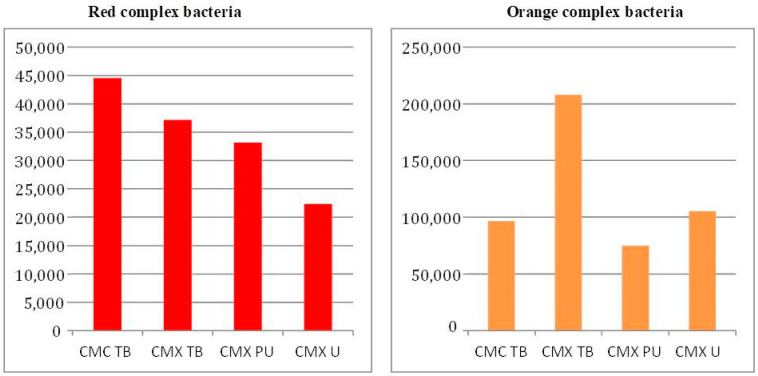 Figure 11
Peer Reviews
No public reviews on file for this paper yet. If you reviewed it on a platform where reviews are public (OpenReview, ICLR, NeurIPS, ICML), you can paste yours below so the community can read it here.
Videos
No videos yet. Explain this paper in a talk, walkthrough, or lecture? Add one.
Taxonomy
TopicsDental Implant Techniques and Outcomes · Bone Tissue Engineering Materials · Oral microbiology and periodontitis research