Adaptive Segmented Aggregation and Rate Assignment Techniques for Flexible-Length Polar Codes
Souradip Saha, Shubham Mahajan, Marc Adrat, Wolfgang Gerstacker

TL;DR
This paper introduces a new method for creating flexible-length polar codes, which are used in 5G networks, by segmenting and aggregating codewords.
Contribution
The novel Adaptive Segmented Aggregation technique allows for arbitrary codeword lengths in polar codes.
Findings
The proposed method divides codewords into segments for independent encoding and decoding.
A rate assignment methodology is developed to meet specific design requirements.
The approach addresses the limitation of fixed codeword lengths in traditional polar codes.
Abstract
Polar codes have garnered a lot of attention from the scientific community, owing to their low-complexity implementation and provable capacity achieving capability. They have been standardized to be used for encoding information on the control channels in 5G wireless networks due to their robustness for short codeword lengths. The conventional approach to generate polar codes is to recursively use 2×2 kernels and polarize channel capacities. This approach however, has a limitation of only having the ability to generate codewords of length Norig=2n form. In order to mitigate this limitation, multiple techniques have been developed, e.g., polarization kernels of larger sizes, multi-kernel polar codes, and downsizing techniques like puncturing or shortening. However, the availability of so many design options and parameters, in turn makes the choice of design parameters quite challenging.…
Genes, proteins, chemicals, diseases, species, mutations and cell lines named across the full text — each resolved to its canonical identifier and authoritative record.
Click any figure to enlarge with its caption.
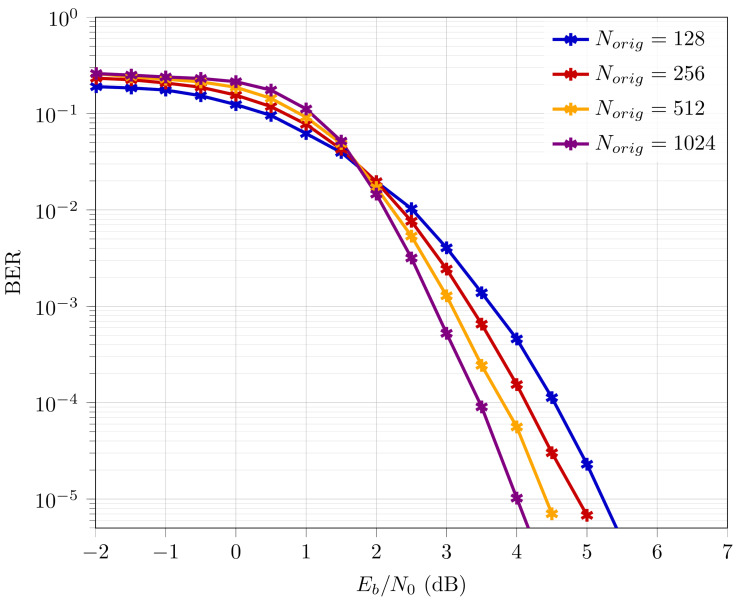 Figure 1
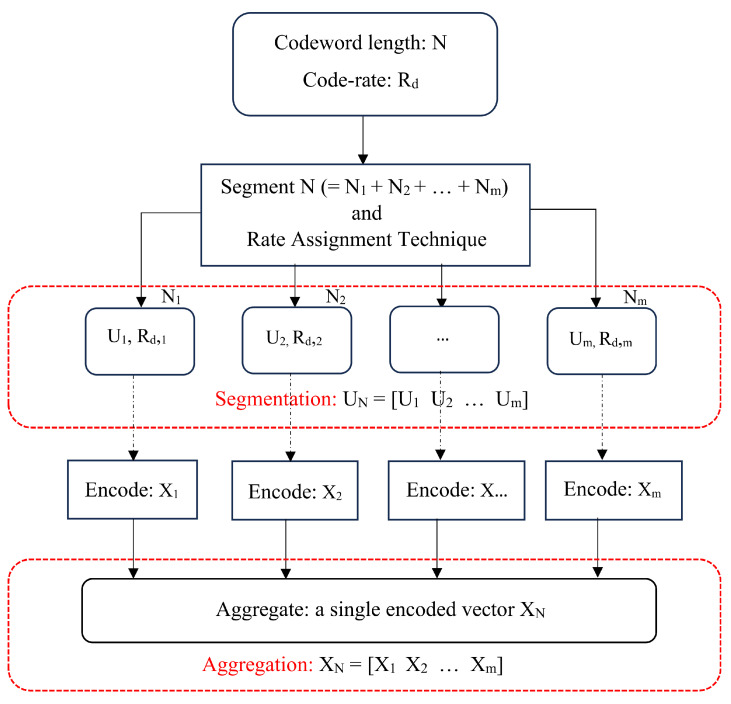 Figure 2
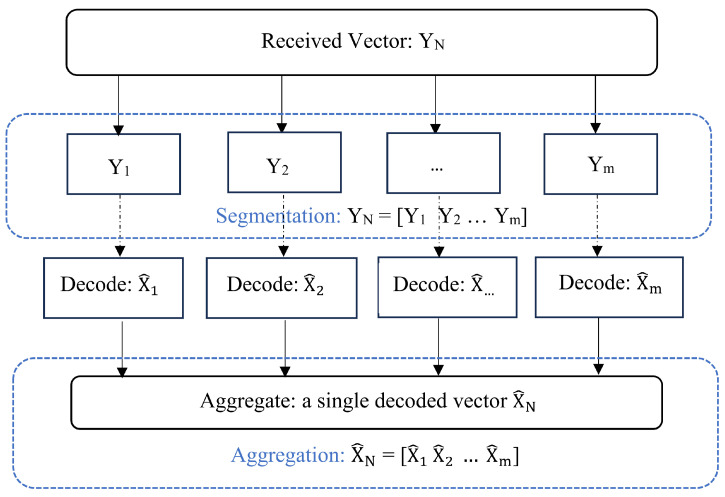 Figure 3
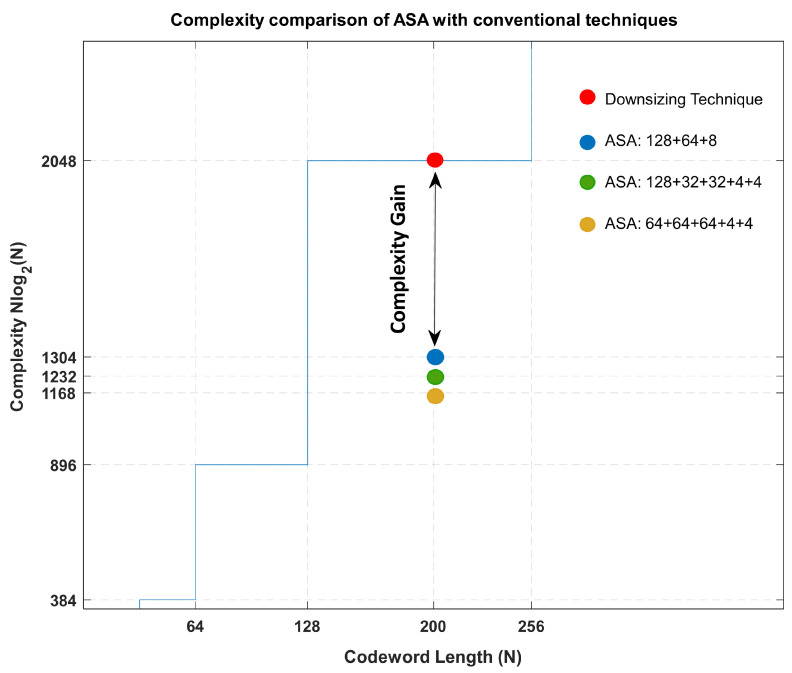 Figure 4
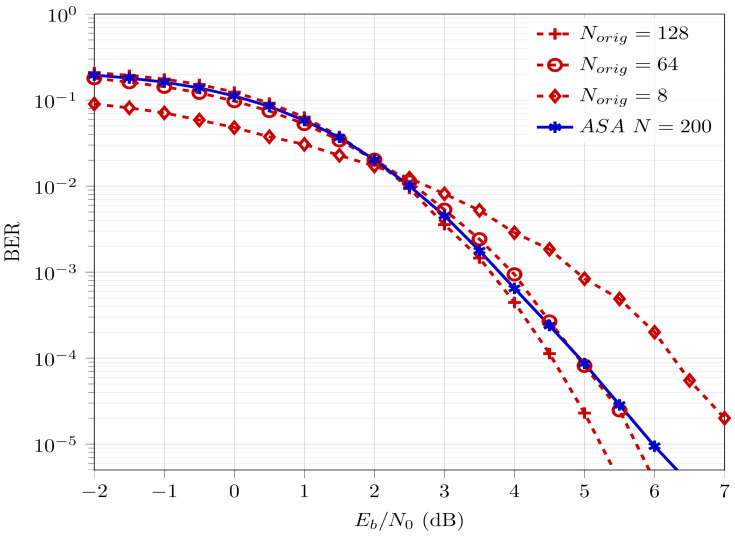 Figure 5
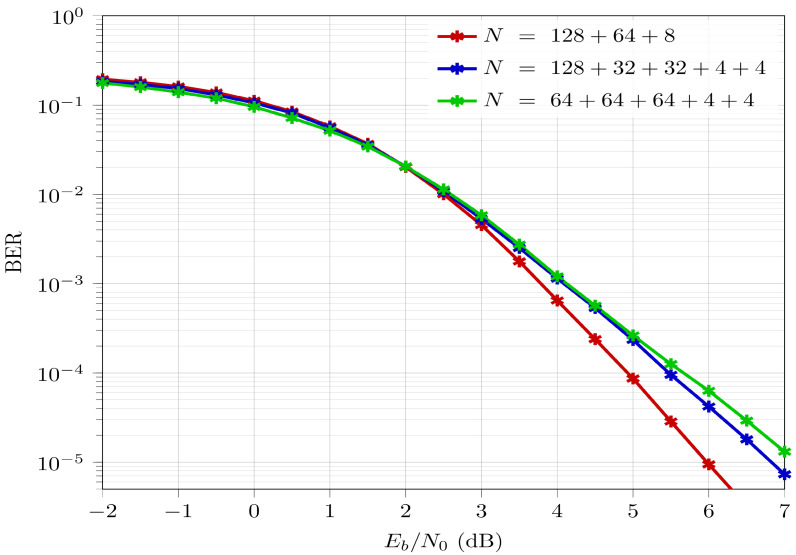 Figure 6
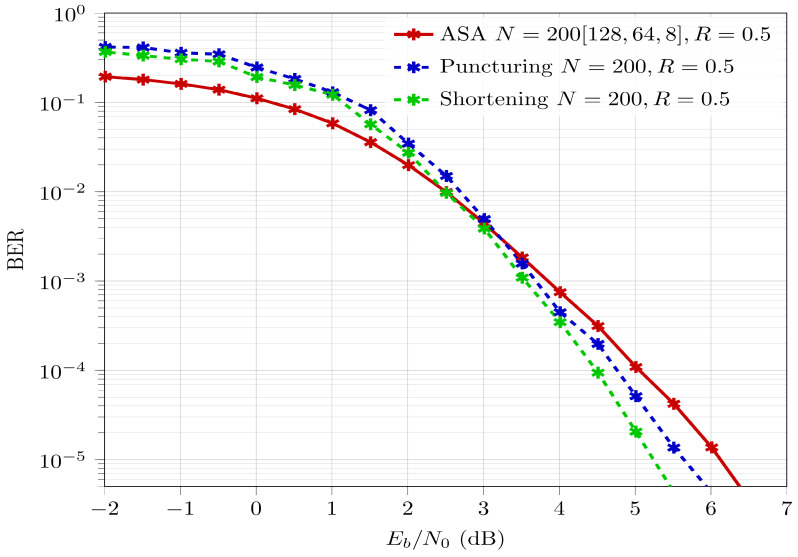 Figure 7
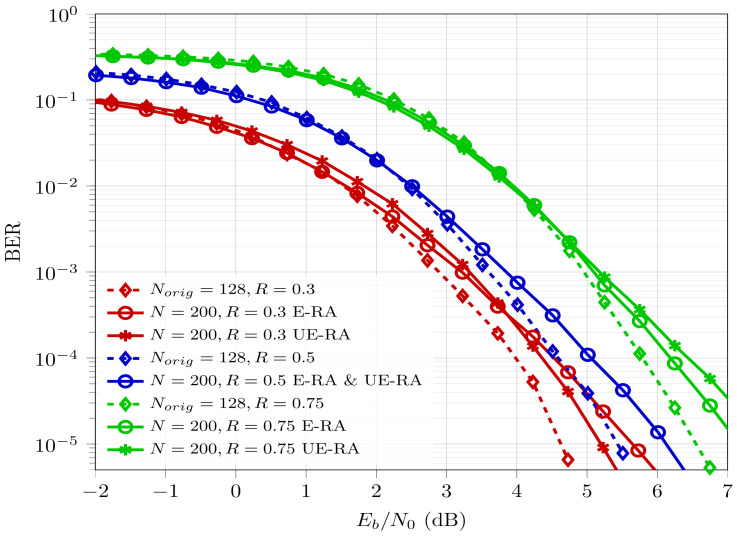 Figure 8
Peer Reviews
No public reviews on file for this paper yet. If you reviewed it on a platform where reviews are public (OpenReview, ICLR, NeurIPS, ICML), you can paste yours below so the community can read it here.
Videos
No videos yet. Explain this paper in a talk, walkthrough, or lecture? Add one.
Taxonomy
TopicsError Correcting Code Techniques · DNA and Biological Computing · Advanced Wireless Communication Techniques