Identification and Spatiotemporal Expression of a Putative New GABA Receptor Subunit in the Human Body Louse Pediculus humanus humanus
Omar Hashim, Berthine Toubaté, Claude L. Charvet, Aimun A. E. Ahmed, Cédric Neveu, Isabelle Dimier-Poisson, Françoise Debierre-Grockiego, Catherine Dupuy

TL;DR
Researchers discovered a new GABA receptor subunit in human body lice, which may help in developing better insecticides.
Contribution
Identification of a novel GABA receptor subunit, HoCas, in Pediculus humanus humanus and its phylogenetic classification into a new clade.
Findings
HoCas is a new GABA receptor subunit in human body lice, conserved across arthropods.
HoCas gene is ancestral but has been lost in some insect orders.
HoCas shows higher expression levels across all developmental stages and tissues in human body lice.
Abstract
The human louse (Pediculus humanus) is an obligatory blood feeding ectoparasite with two ecotypes: the human body louse (Pediculus humanus humanus), a competent vector of several bacterial pathogens, and the human head louse (Pediculus humanus capitis), responsible for pediculosis and affecting millions of people around the globe. GABA (γ-aminobutyric acid) receptors, members of the cys-loop ligand gated ion channel superfamily, are among the main pharmacological targets for insecticides. In insects, there are four subunits of GABA receptors: resistant-to-dieldrin (RDL), glycin-like receptor of drosophila (GRD), ligand-gated chloride channel homologue3 (LCCH3), and 8916 are well described and form distinct phylogenetic clades revealing orthologous relationships. Our previous studies in the human body louse confirmed that subunits Phh-RDL, Phh-GRD, and Phh-LCCH3 are well clustered in…
Genes, proteins, chemicals, diseases, species, mutations and cell lines named across the full text — each resolved to its canonical identifier and authoritative record.
Click any figure to enlarge with its caption.
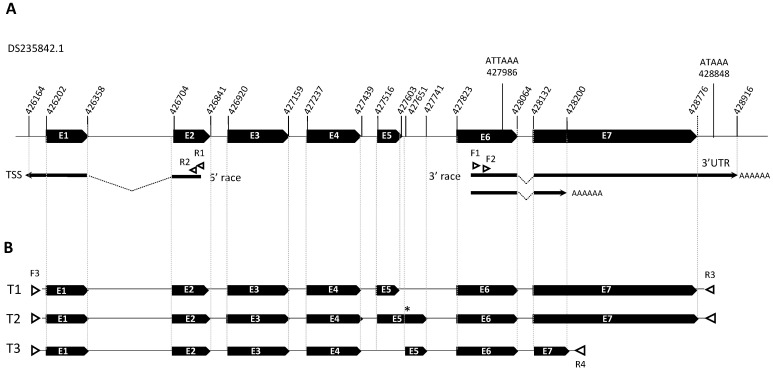 Figure 1
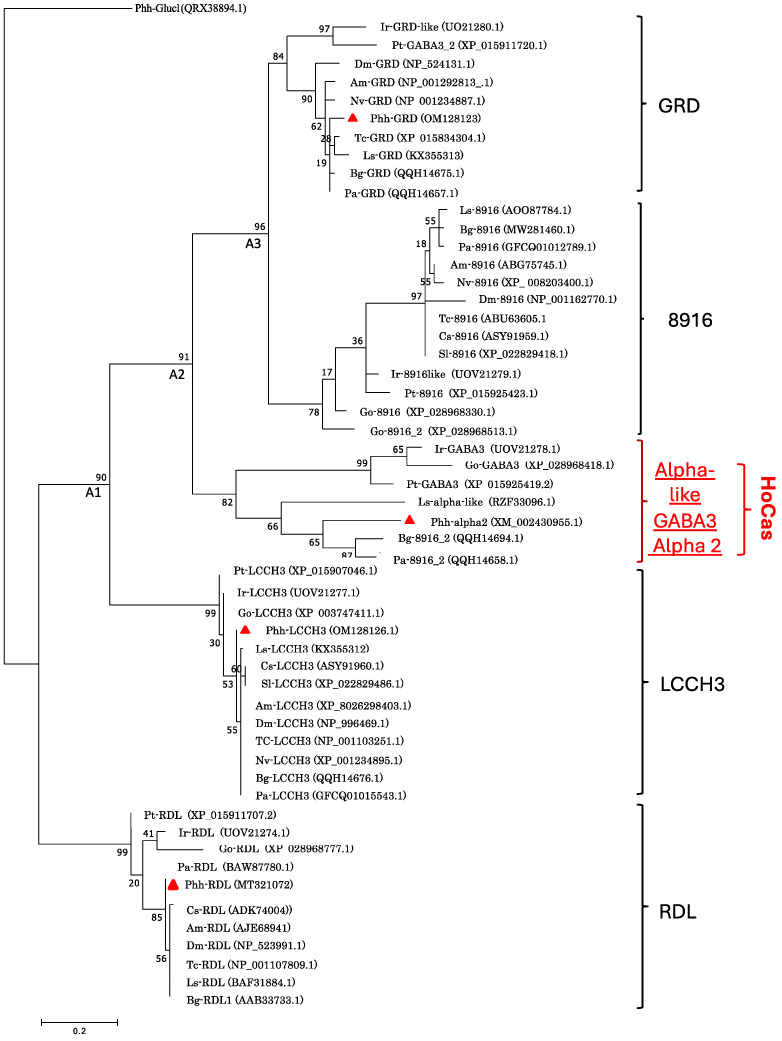 Figure 2
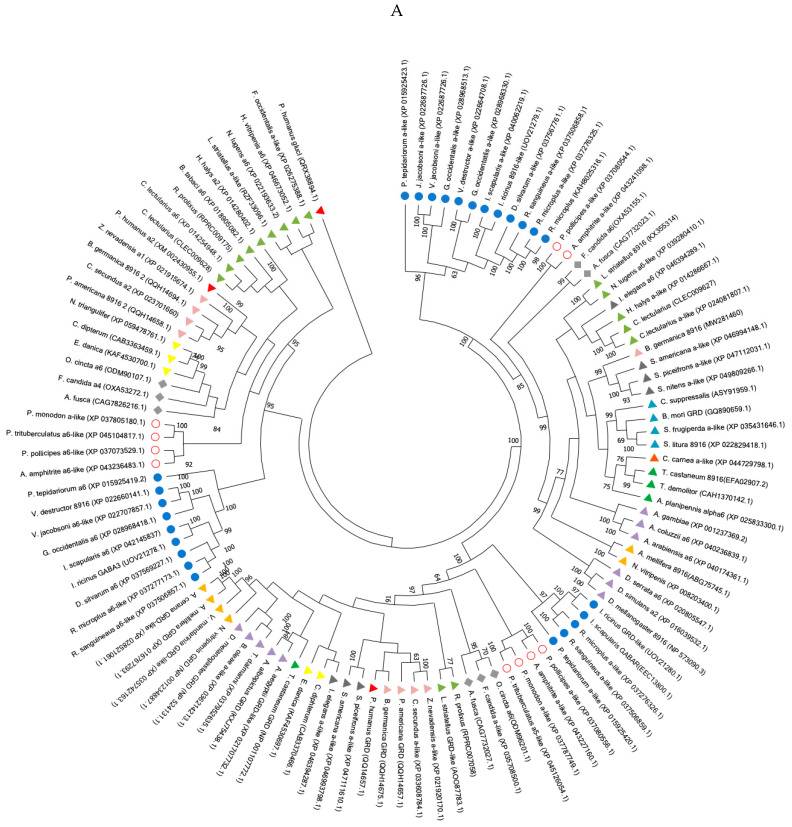 Figure 3
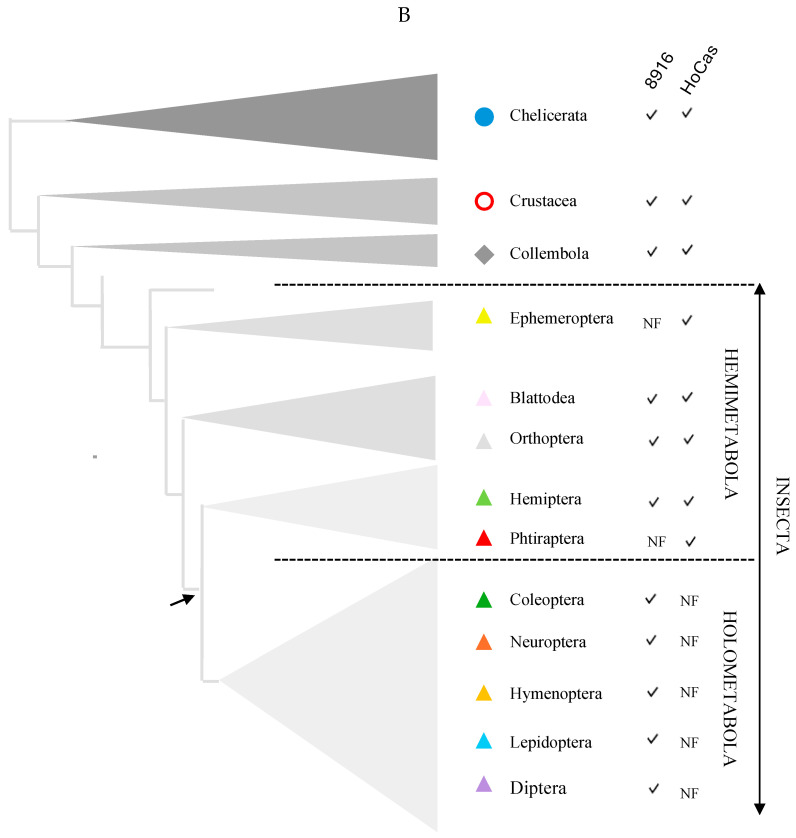 Figure 4
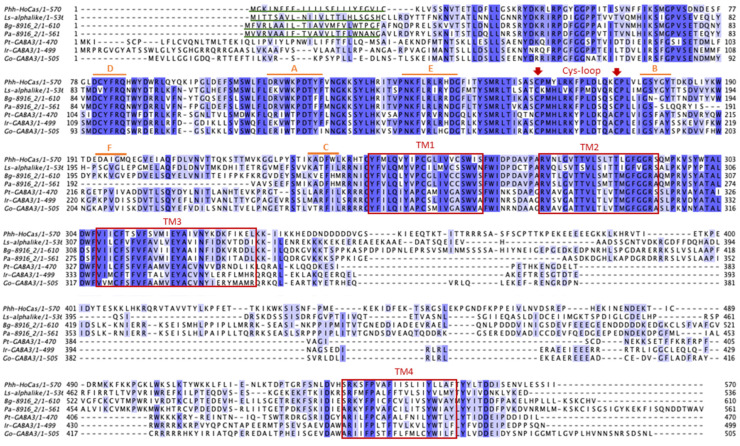 Figure 5
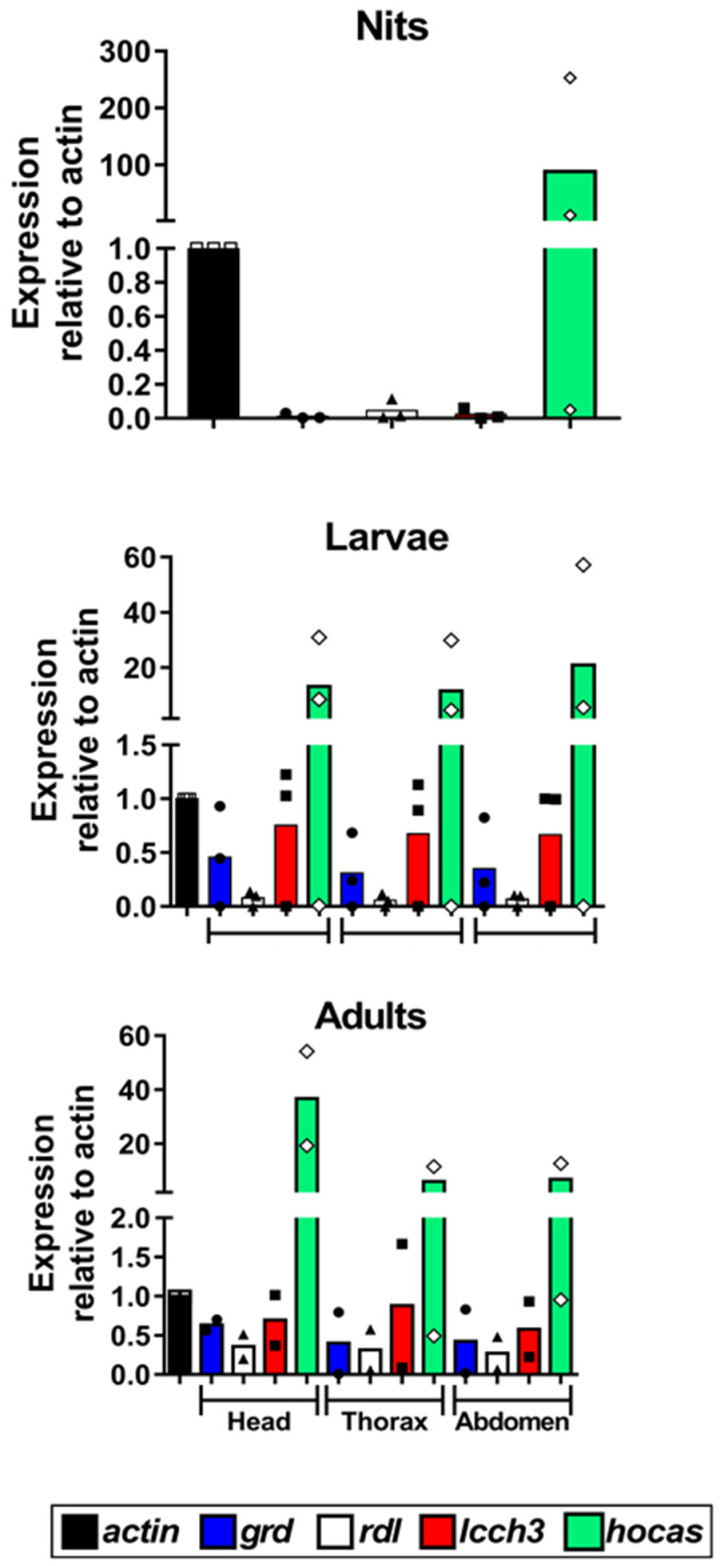 Figure 6
Peer Reviews
No public reviews on file for this paper yet. If you reviewed it on a platform where reviews are public (OpenReview, ICLR, NeurIPS, ICML), you can paste yours below so the community can read it here.
Videos
No videos yet. Explain this paper in a talk, walkthrough, or lecture? Add one.
Taxonomy
TopicsInsect and Pesticide Research · Dermatological diseases and infestations · Insect-Plant Interactions and Control