Reduction in Xenogeneic Epitopes on Porcine Endothelial Cells by Periodate Oxidation
Jonas Thom, Nathalie Roters, Slavica Schuemann, Birgit Andrée, Falk F. R. Buettner, Andres Hilfiker, Tobias Goecke, Robert Ramm

TL;DR
This paper explores using periodate oxidation to reduce immune-triggering sugars on pig cells for safer human xenotransplantation.
Contribution
A chemical method using sodium periodate is proposed to reduce xeno-reactive glycan epitopes on porcine cells.
Findings
Periodate oxidation reduced αGal epitope binding and human antibody reactivity on porcine endothelial cells.
Cell viability was preserved when using 2 mM NaIO4 at 4°C for 60 minutes.
Oxidation was effective under both static and flow conditions without affecting cell survival.
Abstract
Background: Patterns of humoral immune responses represent a major hurdle in terms of pig-to-human xenotransplantation approaches. The best-known xenogeneic glycan antigens present in pigs are the αGal (Galili antigen) and the non-human sialic acid Neu5Gc. As there are further differences between porcine and human cellular surface glycosylation, a much broader range of glycan epitopes with xeno-reactive relevance can be anticipated. Therefore, we set out to chemically modify porcine cellular surface glycans in a global approach by applying sodium periodate (NaIO4) oxidation. Methods: Porcine endothelial cells were exposed to oxidation with 1 to 5 mM NaIO4 for different time periods at 37 °C or 4 °C and under static or dynamic conditions. The impact on cellular survival was determined by applying live/dead assays. Oxidation of αGal-epitopes was assessed by fluorescence microscopy-based…
Genes, proteins, chemicals, diseases, species, mutations and cell lines named across the full text — each resolved to its canonical identifier and authoritative record.
Click any figure to enlarge with its caption.
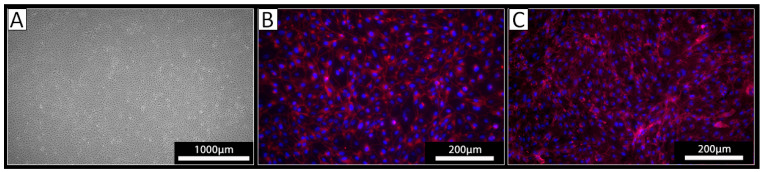 Figure 1
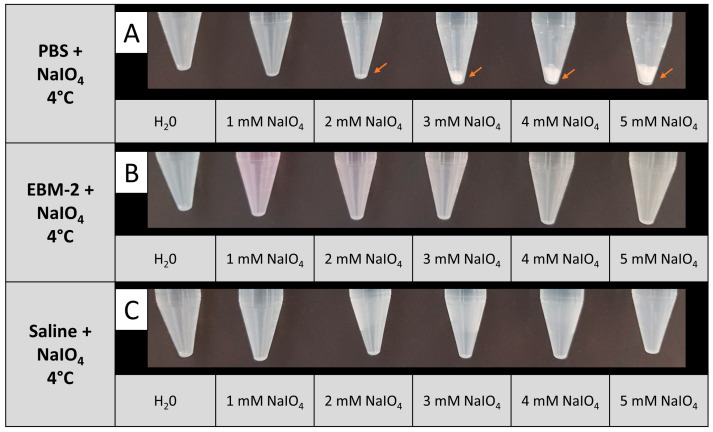 Figure 2
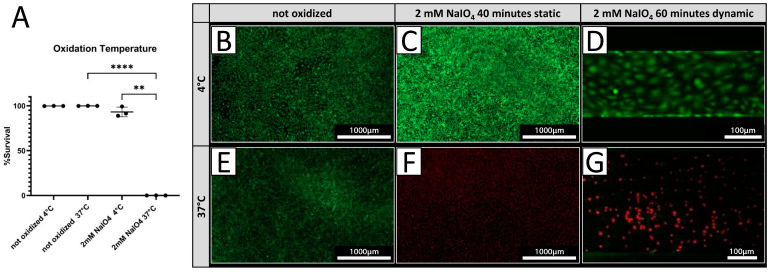 Figure 3
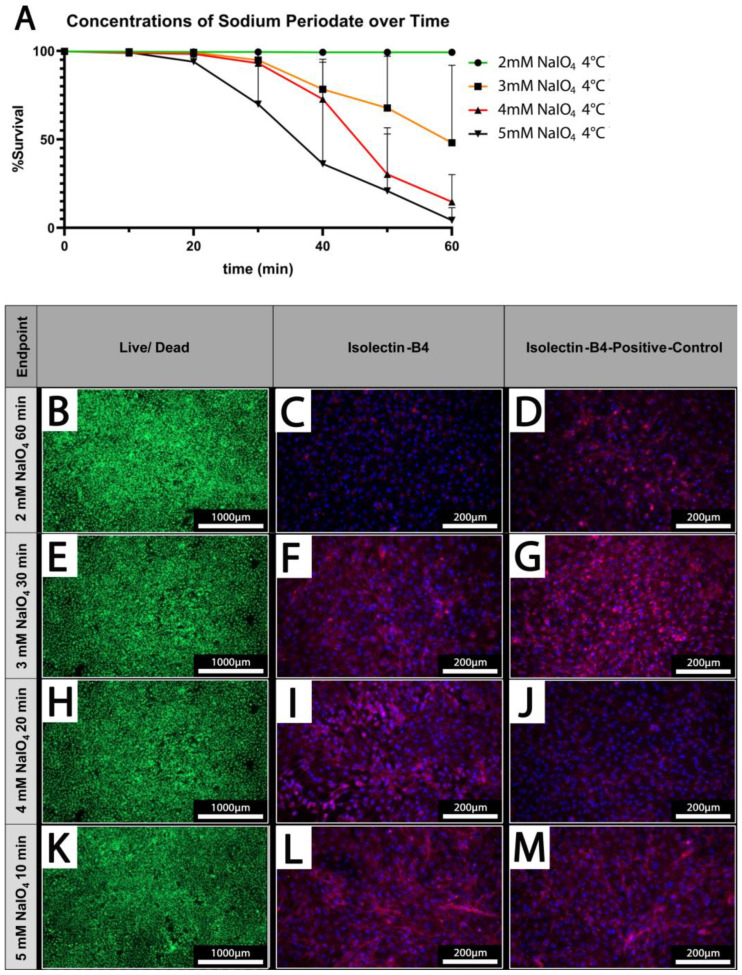 Figure 4
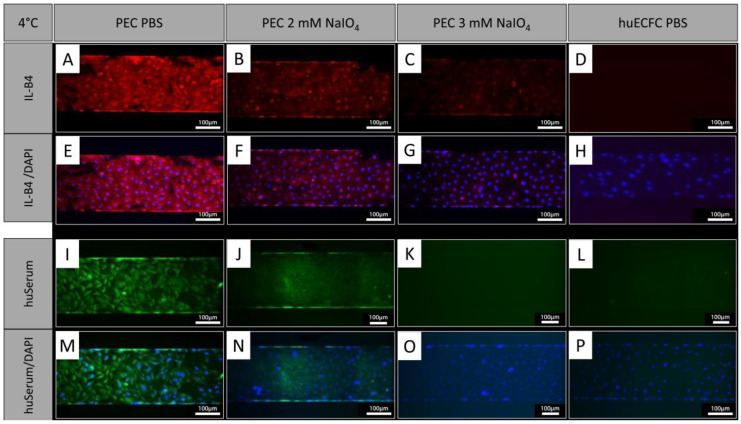 Figure 5
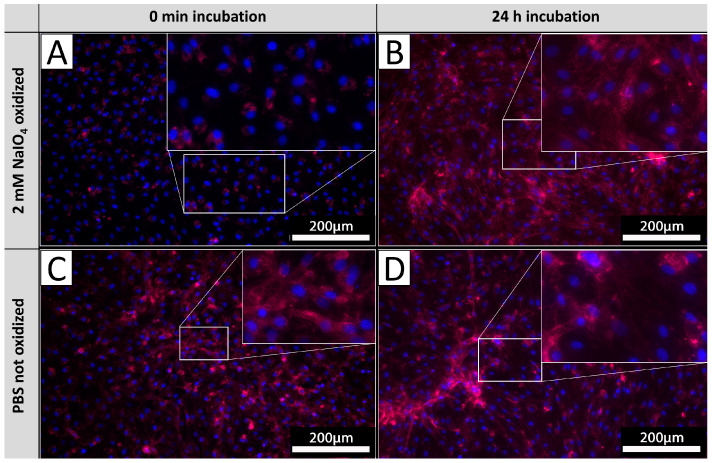 Figure 6
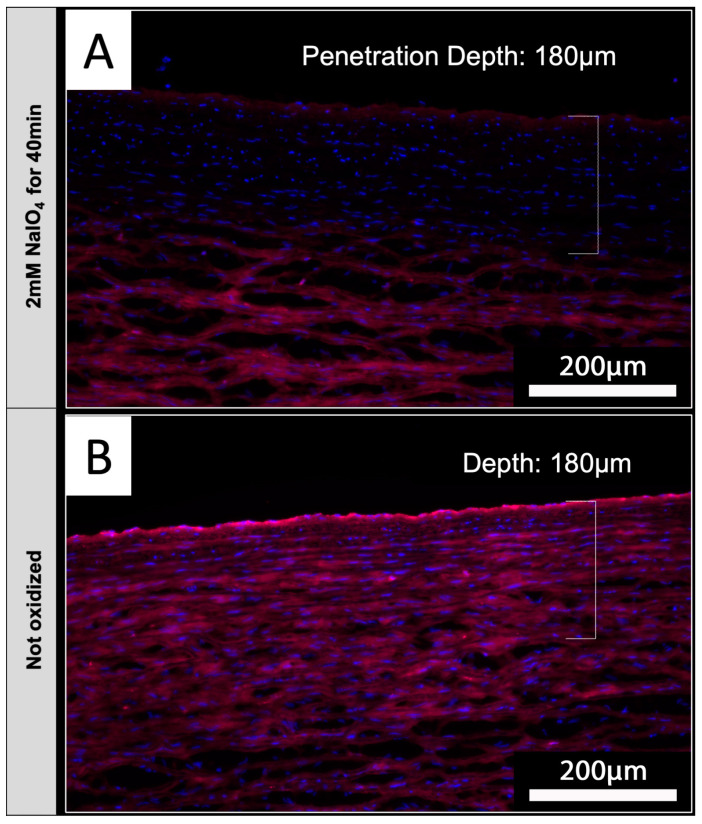 Figure 7
Peer Reviews
No public reviews on file for this paper yet. If you reviewed it on a platform where reviews are public (OpenReview, ICLR, NeurIPS, ICML), you can paste yours below so the community can read it here.
Videos
No videos yet. Explain this paper in a talk, walkthrough, or lecture? Add one.
Taxonomy
TopicsXenotransplantation and immune response · Organ Transplantation Techniques and Outcomes · Animal Genetics and Reproduction