Neuroimaging of Vermiform Giant Arachnoid Granulations in Children
Oswaldo A. Guevara Tirado, Livja Mertiri, Stephen F. Kralik, Nilesh K. Desai, Thierry A. G. M. Huisman, Maarten H. Lequin, Huy (Brandon) D. Tran

TL;DR
This paper discusses two cases of vermiform giant arachnoid granulations in children, highlighting their imaging features and diagnostic challenges.
Contribution
The novelty lies in presenting and analyzing vermiform giant arachnoid granulations in children, emphasizing their unique imaging characteristics and diagnostic difficulties.
Findings
Vermiform giant arachnoid granulations can mimic other neurological pathologies like dural sinus thrombosis or brain tumors.
Imaging characteristics of vermiform GAGs were identified to aid in accurate diagnosis and prevent misdiagnosis.
Abstract
Arachnoid granulations (AGs) are generally benign structures within the subarachnoid space that extend into the dural sinuses and calvarial bone. They can present in a variety of sizes but are termed ‘giant’ arachnoid granulations (GAGs) when they are larger than 1 cm in diameter or take up a significant portion of the dural sinus’ lumen. Vermiform giant arachnoid granulations are a specific type of GAG that are known for their worm-like appearance. Specifically, these vermiform GAGs can be challenging to diagnose as they can mimic other pathologies like dural sinus thrombosis, sinus cavernomas, or brain tumors. In this case series, we present two cases of vermiform giant arachnoid granulations, discuss their imaging characteristics and highlight the diagnostic challenges to improve identification and prevent misdiagnoses.
Genes, proteins, chemicals, diseases, species, mutations and cell lines named across the full text — each resolved to its canonical identifier and authoritative record.
Click any figure to enlarge with its caption.
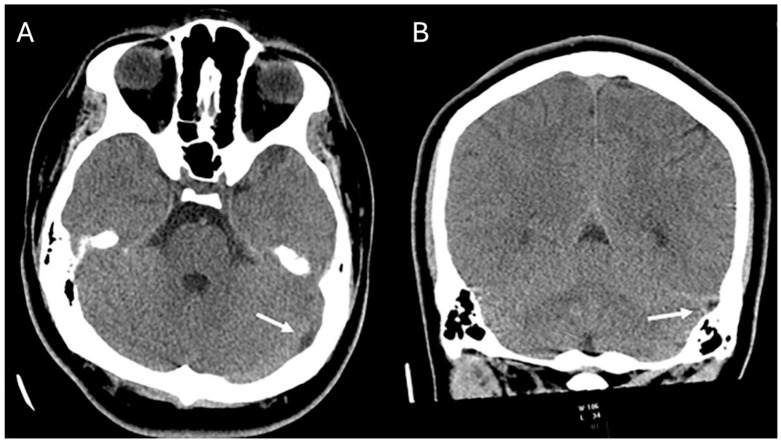 Figure 1
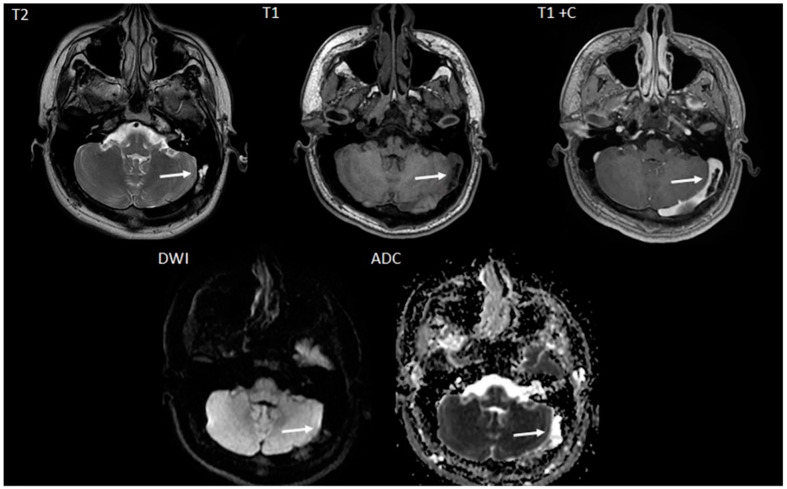 Figure 2
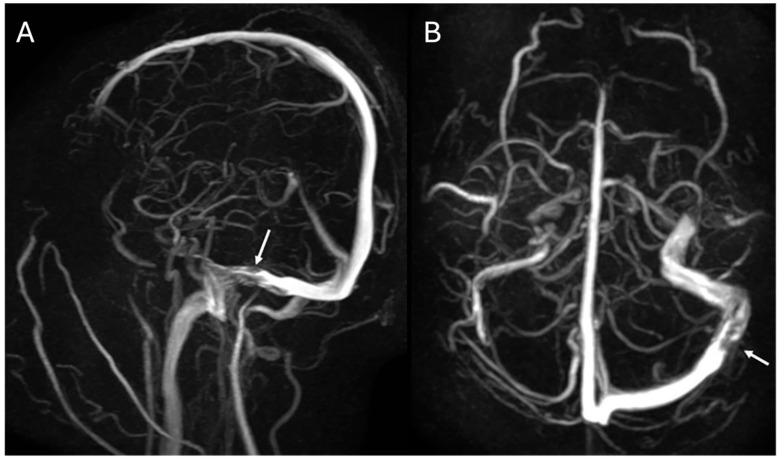 Figure 3
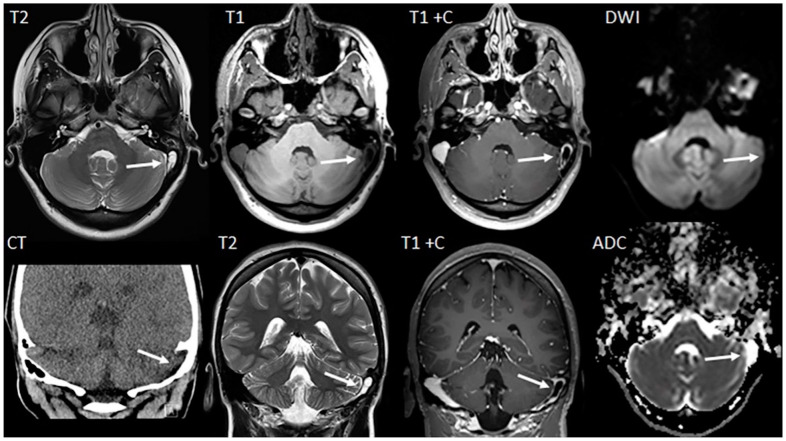 Figure 4
Peer Reviews
No public reviews on file for this paper yet. If you reviewed it on a platform where reviews are public (OpenReview, ICLR, NeurIPS, ICML), you can paste yours below so the community can read it here.
Videos
No videos yet. Explain this paper in a talk, walkthrough, or lecture? Add one.
Taxonomy
TopicsCerebrospinal fluid and hydrocephalus · Fetal and Pediatric Neurological Disorders · Spinal Dysraphism and Malformations