Modified Rosi–Cahill technique after left extended colectomy for splenic flexure advanced tumors
J. J. Segura-Sampedro, J. Cañete-Gómez, A. Craus-Miguel

TL;DR
This paper introduces a modified surgical technique to improve outcomes and quality of life for patients with advanced splenic flexure colon cancer.
Contribution
A modified Rosi–Cahill technique is proposed to avoid complications and improve postoperative quality of life after left extended colectomy.
Findings
The modified Rosi–Cahill technique reduces small bowel bacterial overgrowth and improves stool consistency.
The technique avoids mesenteric windows and torsion of ileocolic vessels, which are potential pitfalls in other procedures.
A video demonstrates the proper execution of the modified Rosi–Cahill technique and highlights potential surgical pitfalls.
Abstract
Advanced splenic flexure tumors are uncommon and have a higher risk of relapse. To ensure that the resection includes the entire area of lymphatic drainage with a complete mesocolic excision (CME), a left extended colectomy is needed. In peritoneal carcinomatosis, there is often extensive involvement of the sigma and splenic flexure of the colon. In many instances, total colectomies are chosen for these patients, even when a significant portion of the colon could be preserved. The potential impact on quality of life after splenic flexure colon resection is discussed, as well as the importance of anatomical knowledge and expertise in performing this type of surgery. Overall, this work presents a modified technique that aims to improve the outcomes and quality of life for patients with splenic flexure colon cancer. Creating a tension-free anastomosis after extended left-sided colorectal…
Genes, proteins, chemicals, diseases, species, mutations and cell lines named across the full text — each resolved to its canonical identifier and authoritative record.
Click any figure to enlarge with its caption.
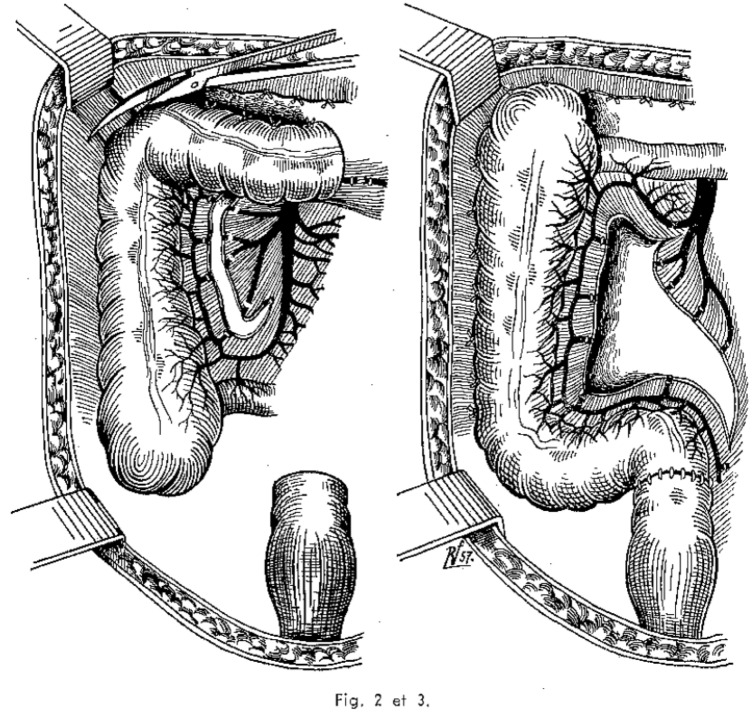 Figure 1
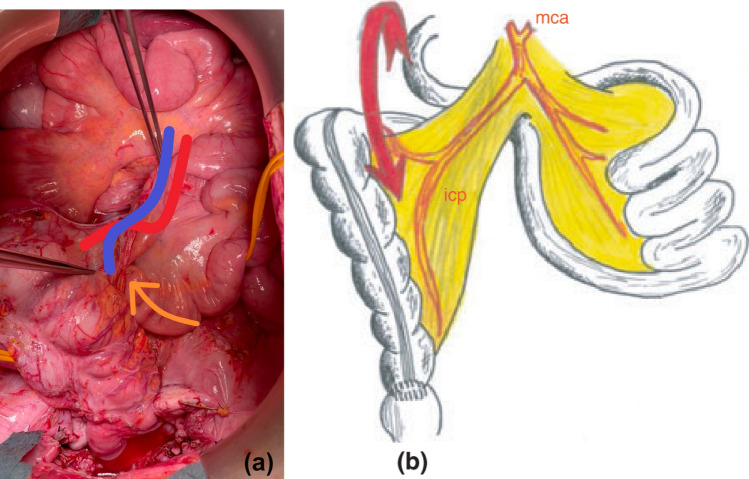 Figure 2
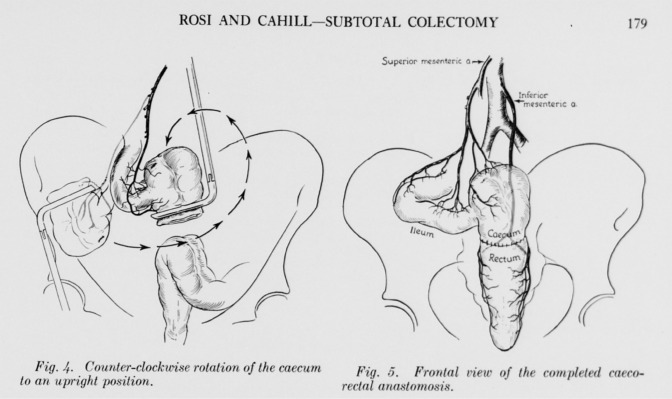 Figure 3
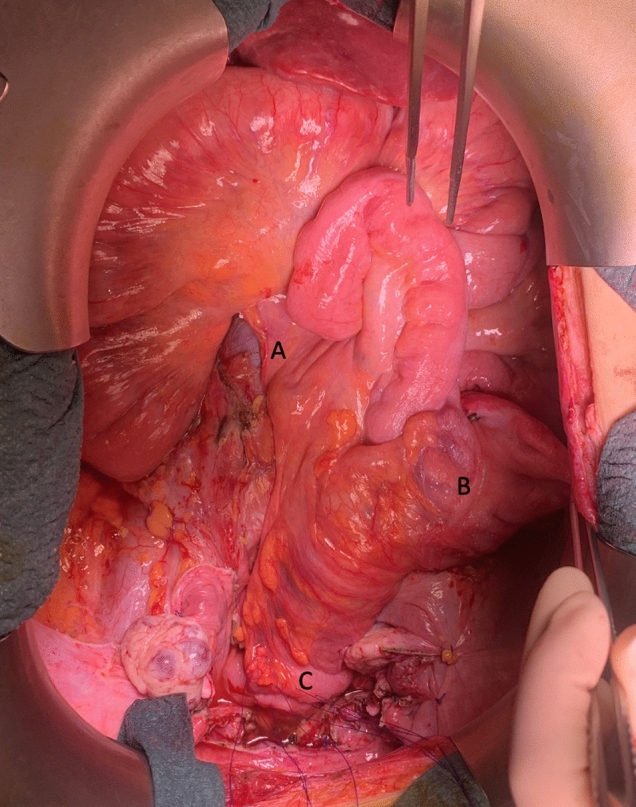 Figure 4
Peer Reviews
No public reviews on file for this paper yet. If you reviewed it on a platform where reviews are public (OpenReview, ICLR, NeurIPS, ICML), you can paste yours below so the community can read it here.
Videos
No videos yet. Explain this paper in a talk, walkthrough, or lecture? Add one.
Taxonomy
TopicsColorectal Cancer Surgical Treatments · Intraperitoneal and Appendiceal Malignancies · Gastric Cancer Management and Outcomes