GWAS-based polygenic risk scoring for predicting cerebral artery dissection in the Chinese population
Shufan Zhang, Dongliang Zhu, Zhengyu Wu, Shilin Yang, Yuanzeng Liu, Xiaocui Kang, Xingdong Chen, Zhu Zhu, Qiang Dong, Chen Suo, Xiang Han

TL;DR
This study identifies genetic risk factors for cerebral artery dissection in the Chinese population and develops a highly accurate prediction model using polygenic risk scores.
Contribution
The study provides the first GWAS-based polygenic risk score for predicting cerebral artery dissection in the Chinese population.
Findings
Thirteen genome-wide significant SNPs were identified, with ten annotated to functional genes.
A polygenic risk score model achieved 99% and 95% accuracy in training and validation tests, respectively.
The identified genes are involved in 20 important GO terms related to biological processes and molecular functions.
Abstract
Cerebral artery dissection (CeAD) is a rare but serious disease. Genetic risk assessment for CeAD is lacking in Chinese population. We performed genome-wide association study (GWAS) and computed polygenic risk score (PRS) to explore genetic susceptibility factors and prediction model of CeAD based on patients in Huashan Hospital. A total of 210 CeAD patients and 280 controls were enrolled from June 2017 to September 2022 in Department of Neurology, Huashan Hospital, Fudan University. We performed GWAS to identify genetic variants associated with CeAD in 140 CeAD patients and 210 control individuals according to a case and control 1:1.5 design rule in the training dataset, while the other 70 patients with CeAD and 70 controls were used as validation. Then Kyoto Encyclopedia of Genes and Genomes (KEGG) pathway and Gene Ontology (GO) enrichment analyses were utilized to identify the…
Genes, proteins, chemicals, diseases, species, mutations and cell lines named across the full text — each resolved to its canonical identifier and authoritative record.
Click any figure to enlarge with its caption.
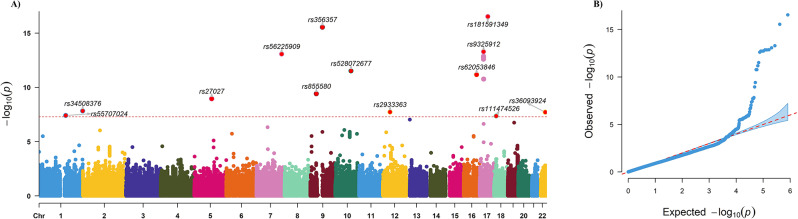 Figure 1
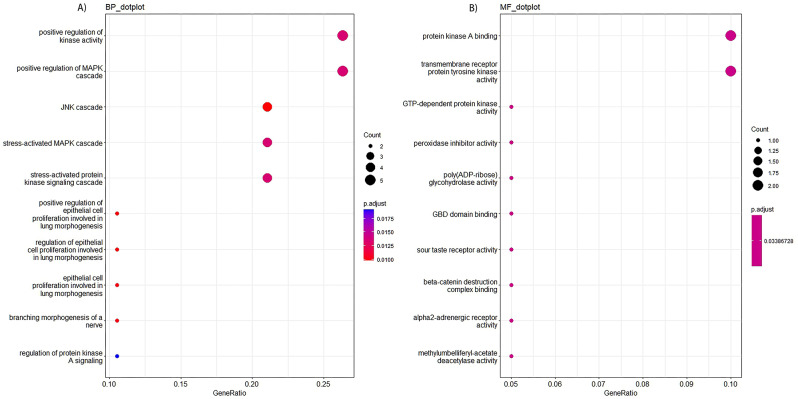 Figure 2
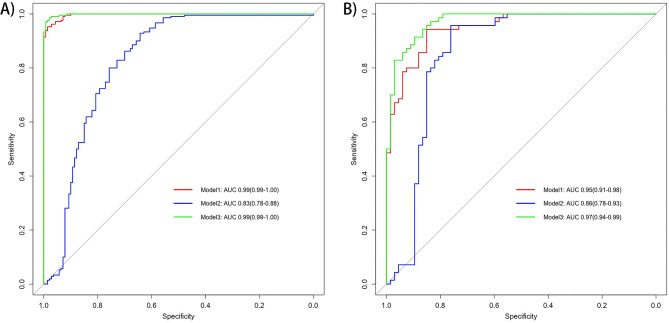 Figure 3
Peer Reviews
No public reviews on file for this paper yet. If you reviewed it on a platform where reviews are public (OpenReview, ICLR, NeurIPS, ICML), you can paste yours below so the community can read it here.
Videos
No videos yet. Explain this paper in a talk, walkthrough, or lecture? Add one.
Taxonomy
TopicsAortic Disease and Treatment Approaches · Moyamoya disease diagnosis and treatment · Aortic aneurysm repair treatments