Distinguishing Physiological Ureter Uptake From an Involved Lymph Node in Staging Prostate-Specific Membrane Antigen (PSMA) Scans: Implications for Radiation Planning
Lauren Ching, Matthew Bourne, Tim Kearney, Karbi Choudhury, Alan L Zwart, Malika T Danner, Simeng Suy, Giuseppe Esposito, Sean Collins

TL;DR
This paper discusses how PSMA scans can mistakenly identify normal ureter activity as cancerous lymph nodes, which can lead to unnecessary radiation treatment in prostate cancer patients.
Contribution
The paper highlights the diagnostic challenge of distinguishing physiological ureter uptake from malignant lymph nodes in PSMA imaging for prostate cancer.
Findings
PSMA scans can misinterpret normal ureter activity as lymph node metastases.
Accurate interpretation of PSMA uptake patterns is crucial to avoid unnecessary radiation.
A second imaging modality like CT urogram can clarify ambiguous PSMA findings.
Abstract
Prostate-specific membrane antigen (PSMA) imaging has become a mainstay diagnostic tool in staging unfavorable primary prostate cancer (PC) and identifying sites of recurrence in previously treated PC. One of the biggest pitfalls of PSMA imaging is rapid radionucleotide excretion in the urine via the kidneys, ureters, and bladder. The positron-emission tomography (PET) images obtained show increased radiotracer activity in these structures, which can occlude or even mimic true malignant disease. We describe the diagnostic challenges encountered in differentiating benign versus malignant disease with PSMA scans. A 78-year-old male presented to our outpatient radiation oncology office with high-risk prostate cancer. His medical history was significant for ulcerative colitis (UC). Magnetic resonance imaging (MRI) revealed an enlarged prostate and a Prostate Imaging Reporting and Data…
Genes, proteins, chemicals, diseases, species, mutations and cell lines named across the full text — each resolved to its canonical identifier and authoritative record.
Click any figure to enlarge with its caption.
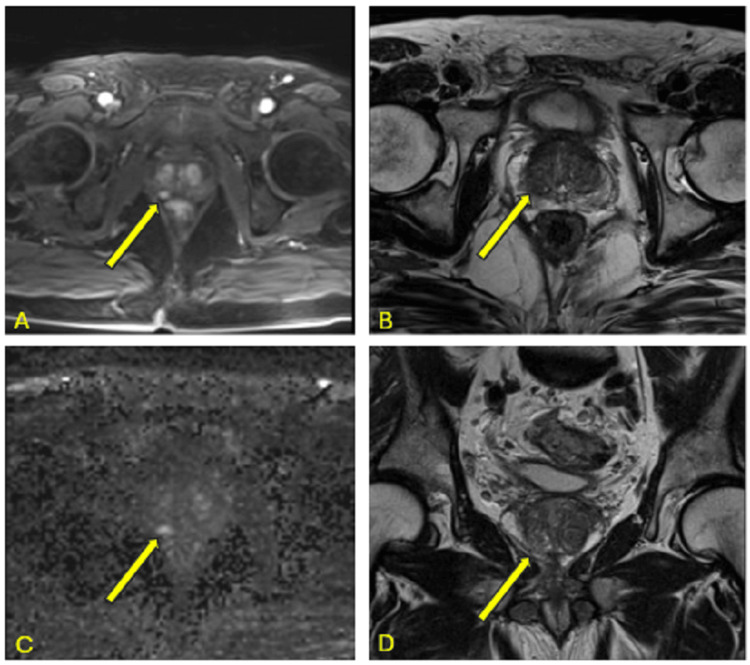 Figure 1
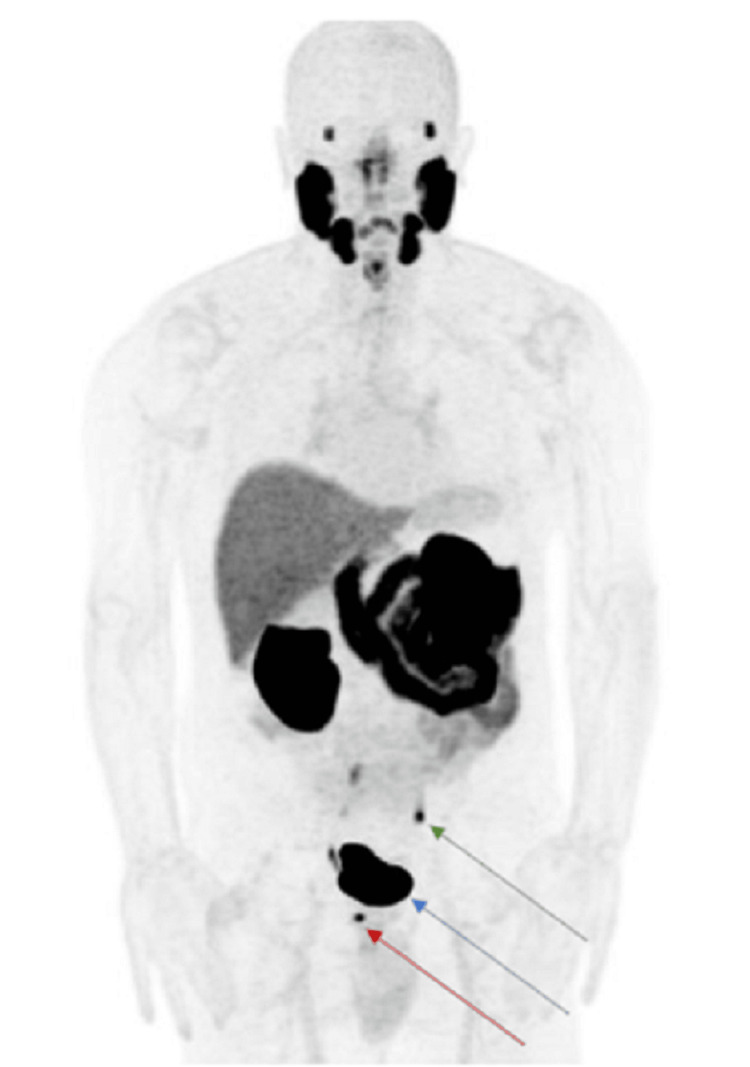 Figure 2
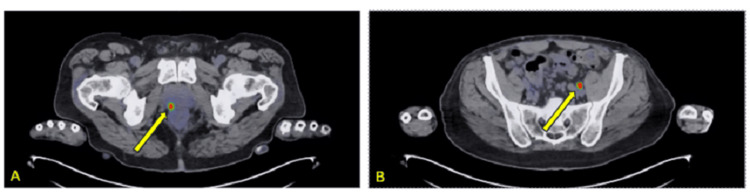 Figure 3
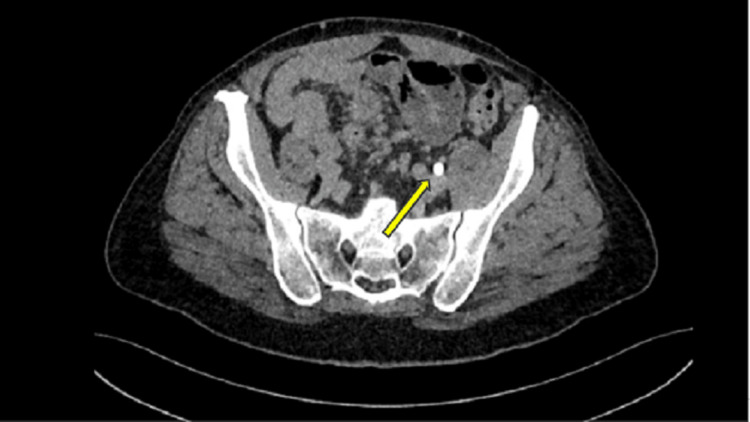 Figure 4
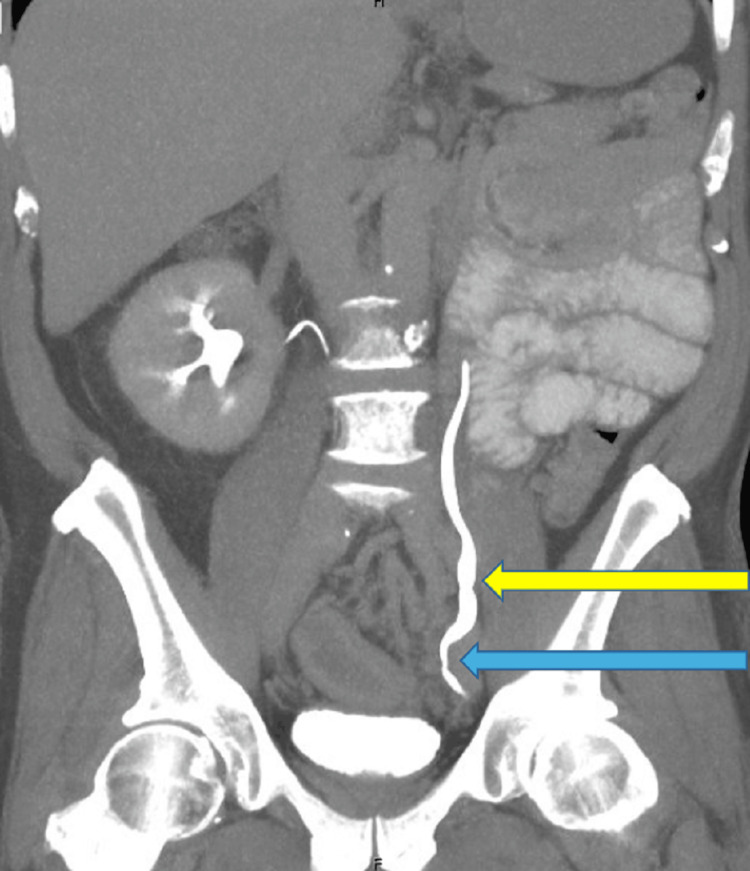 Figure 5
Peer Reviews
No public reviews on file for this paper yet. If you reviewed it on a platform where reviews are public (OpenReview, ICLR, NeurIPS, ICML), you can paste yours below so the community can read it here.
Videos
No videos yet. Explain this paper in a talk, walkthrough, or lecture? Add one.
Taxonomy
TopicsProstate Cancer Diagnosis and Treatment · Prostate Cancer Treatment and Research · Urological Disorders and Treatments