N α -acetyl-L-ornithine deacetylase from Escherichia coli and a ninhydrin-based assay to enable inhibitor identification
Emma H. Kelley, Jerzy Osipiuk, Malgorzata Korbas, Michael Endres, Alayna Bland, Victoria Ehrman, Andrzej Joachimiak, Kenneth W. Olsen, Daniel P. Becker

TL;DR
Researchers developed a new assay to identify inhibitors of a bacterial enzyme, ArgE, and found captopril and phenylboronic acids as potential antibiotic candidates.
Contribution
A novel ninhydrin-based assay for ArgE was developed, enabling inhibitor screening and leading to the discovery of new inhibitors.
Findings
Captopril inhibits ArgE with an IC50 of 58.7 μM and Ki of 37.1 ± 0.85 μM.
Phenylboronic acid derivatives, including 4-(diethylamino)phenylboronic acid, were identified as ArgE inhibitors.
X-ray crystal structures of E. coli ArgE (mono-Zn and di-Zn) were reported for the first time.
Abstract
Bacteria are becoming increasingly resistant to antibiotics, therefore there is an urgent need for new classes of antibiotics to fight antibiotic resistance. Mammals do not express N ɑ -acetyl-L-ornithine deacetylase (ArgE), an enzyme that is critical for bacterial survival and growth, thus ArgE represents a promising new antibiotic drug target, as inhibitors would not suffer from mechanism-based toxicity. A new ninhydrin-based assay was designed and validated that included the synthesis of the substrate analog N 5, N 5-di-methyl N α-acetyl-L-ornithine (kcat/Km = 7.32 ± 0.94 × 10⁴ M−1s−1). This new assay enabled the screening of potential inhibitors that absorb in the UV region, and thus is superior to the established 214 nm assay. Using this new ninhydrin-based assay, captopril was confirmed as an ArgE inhibitor (IC50 = 58.7 μM; Ki = 37.1 ± 0.85 μM), and a number of phenylboronic acid…
Genes, proteins, chemicals, diseases, species, mutations and cell lines named across the full text — each resolved to its canonical identifier and authoritative record.
Click any figure to enlarge with its caption.
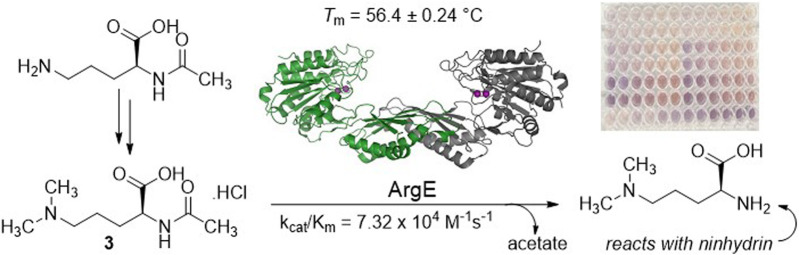 Figure 1
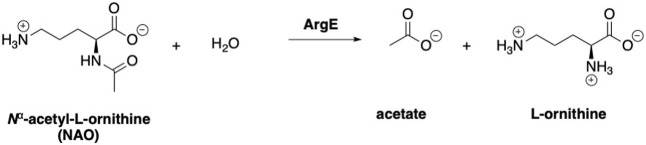 Figure 2
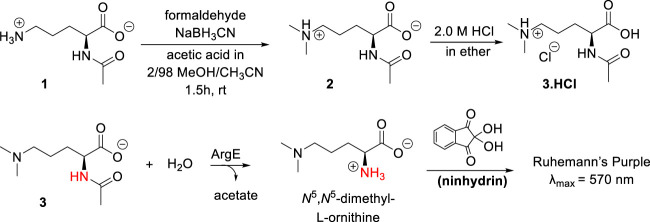 Figure 3
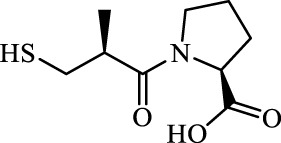 Figure 4
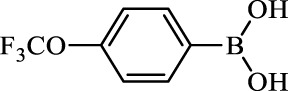 Figure 5
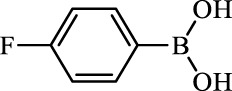 Figure 6
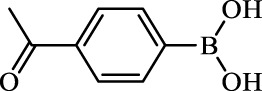 Figure 7
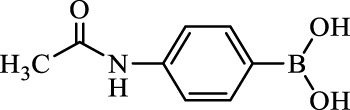 Figure 8
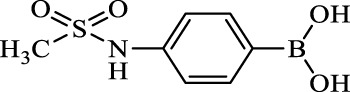 Figure 9
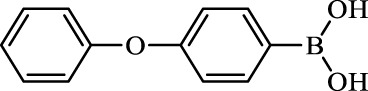 Figure 10
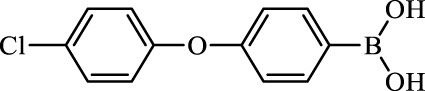 Figure 11
 Figure 12
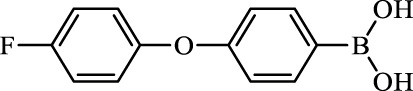 Figure 13
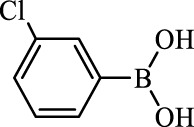 Figure 14
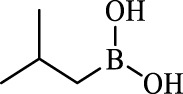 Figure 15
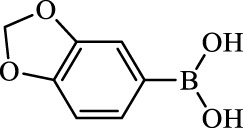 Figure 16
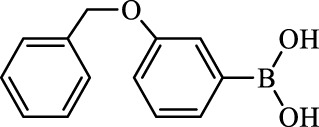 Figure 17
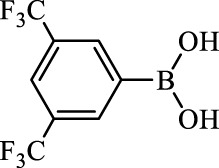 Figure 18
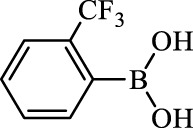 Figure 19
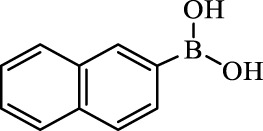 Figure 20
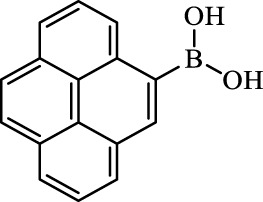 Figure 21
 Figure 22
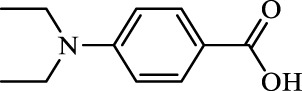 Figure 23
 Figure 24
 Figure 25
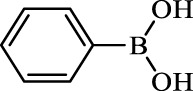 Figure 26
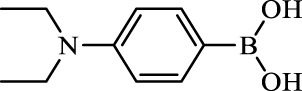 Figure 27
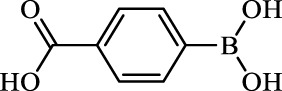 Figure 28
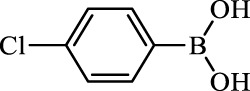 Figure 29
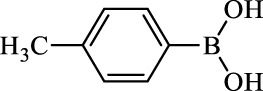 Figure 30
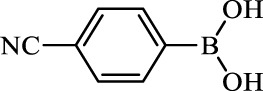 Figure 31
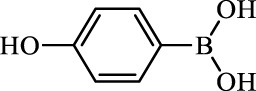 Figure 32
 Figure 33
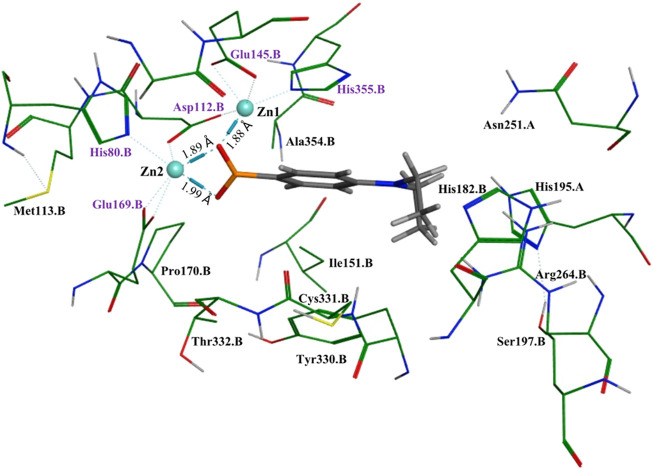 Figure 34
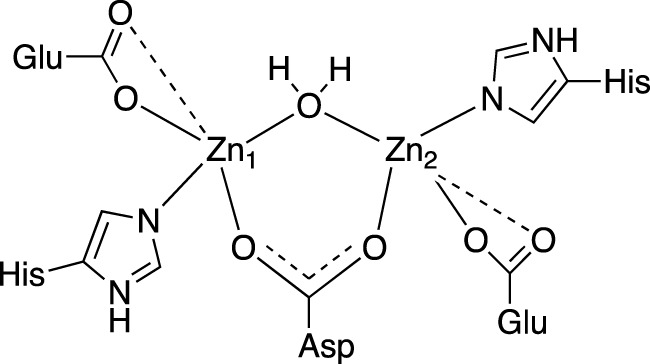 Figure 35
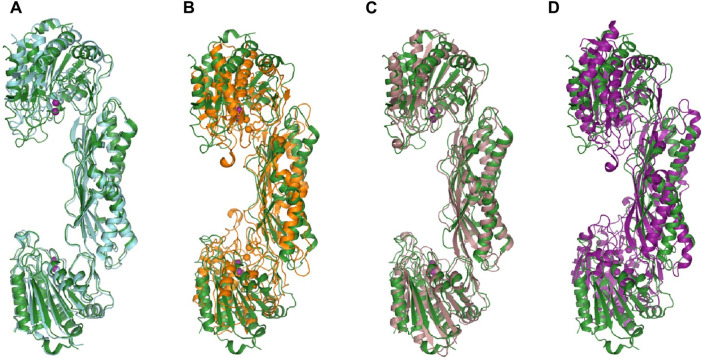 Figure 36
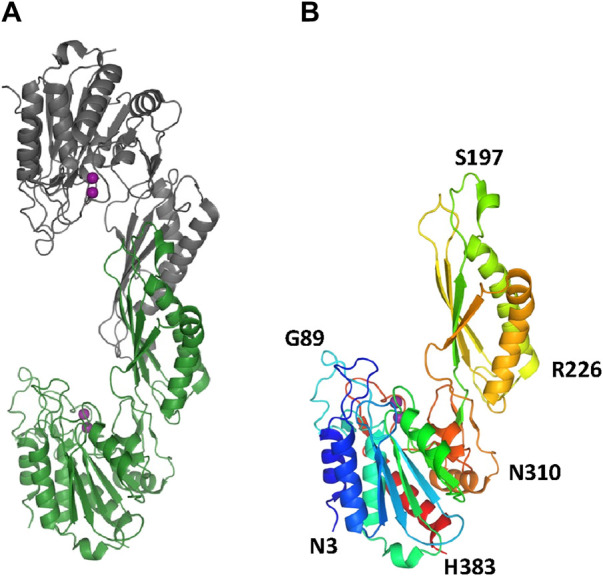 Figure 37
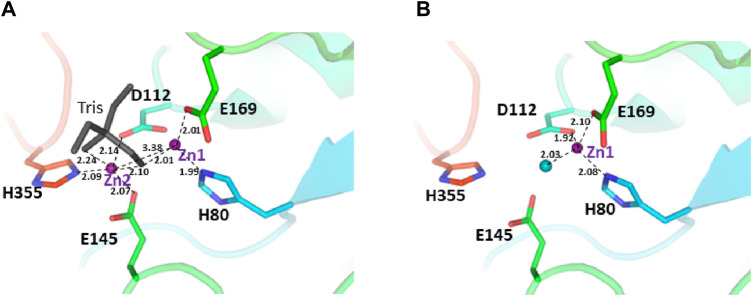 Figure 38
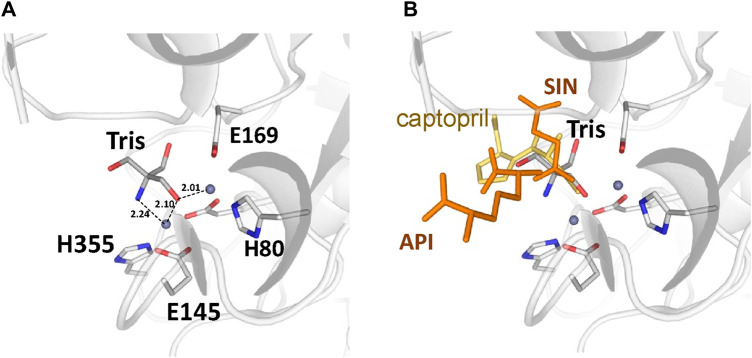 Figure 39
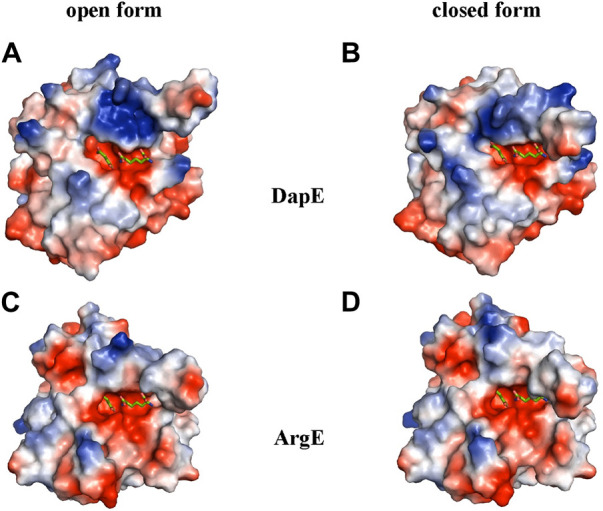 Figure 40
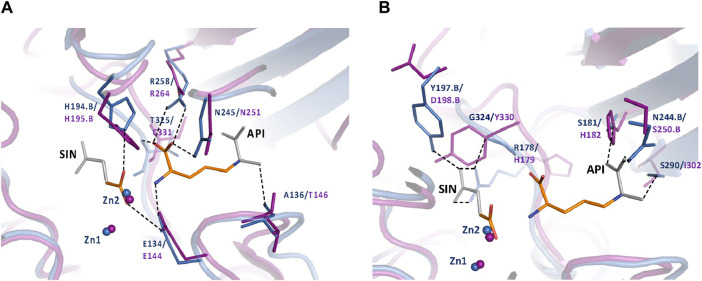 Figure 41
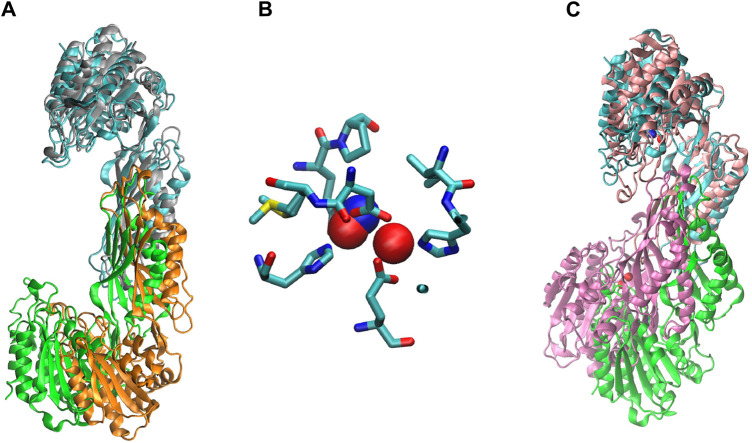 Figure 42
Peer Reviews
No public reviews on file for this paper yet. If you reviewed it on a platform where reviews are public (OpenReview, ICLR, NeurIPS, ICML), you can paste yours below so the community can read it here.
Videos
No videos yet. Explain this paper in a talk, walkthrough, or lecture? Add one.
Taxonomy
TopicsPolyamine Metabolism and Applications · Enzyme Structure and Function · Amino Acid Enzymes and Metabolism