Effects of different concentrations of reversine to enhance conversion of dedifferentiated fat cells into mature cardiomyocytes
Budi Baktijasa Dharmadjati, Djanggan Sargowo, Budi Susetyo Pikir, Yudi Her Oktaviono, Oryza Sativa, Kandita Arjani, Ricardo Adrian Nugraha, Francesco Galli, Ricardo Adrian Nugraha

TL;DR
This study explores how different amounts of a drug called reversine affect the transformation of fat cells into heart muscle cells, finding that 10 nM reversine is most effective.
Contribution
The study identifies 10 nM reversine as the optimal concentration for enhancing DFAT cell differentiation into cardiomyocytes.
Findings
10 nM reversine significantly increased Flk-1 expression compared to the control group.
GATA4 expression decreased significantly from day 7 to day 21, while cTnT expression increased significantly during the same period.
Higher cTnT expression indicates enhanced differentiation of DFAT cells into mature cardiomyocytes at 10 nM reversine.
Abstract
Background: There is an essential need for cardiomyocyte regeneration among patients with heart failure. Transplantation of dedifferentiated fat (DFAT) cells may lead to an improvement of cardiomyocyte regeneration among heart failure patients. We believe that DFAT cells are promising candidate cell sources for cardiac regeneration. However, the pathway underlying how DFAT cells of the adipose lineage differentiate into mature cardiomyocytes isn’t fully understood. Methods: We conducted an experimental laboratory study on isolated DFAT cells from adipose tissue of healthy adults. Then, we treated cells with different concentrations of reversine (10, 20 and 40 nM), and performed RNA extraction and cDNA synthesis. Next, we used a ceiling culture method based on the buoyancy properties of mature lipid-filled adipocytes. Stemness expression (Octamer-binding transcription factor 4 [Oct4],…
Genes, proteins, chemicals, diseases, species, mutations and cell lines named across the full text — each resolved to its canonical identifier and authoritative record.
Click any figure to enlarge with its caption.
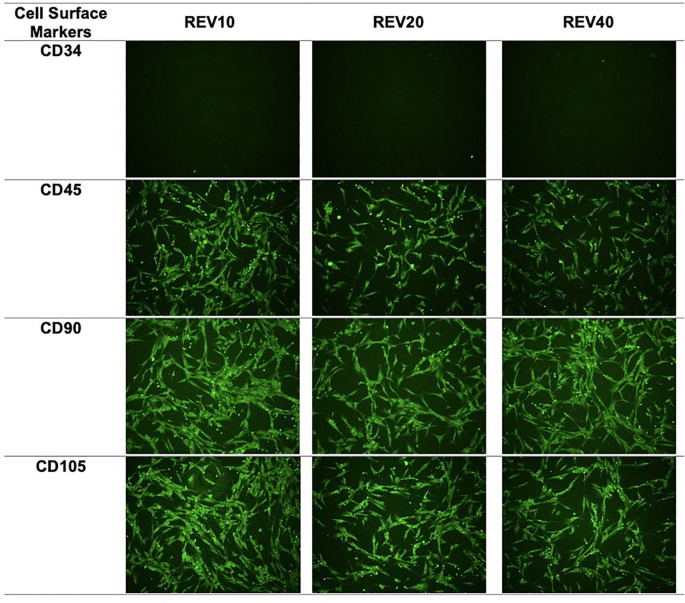 Figure 1
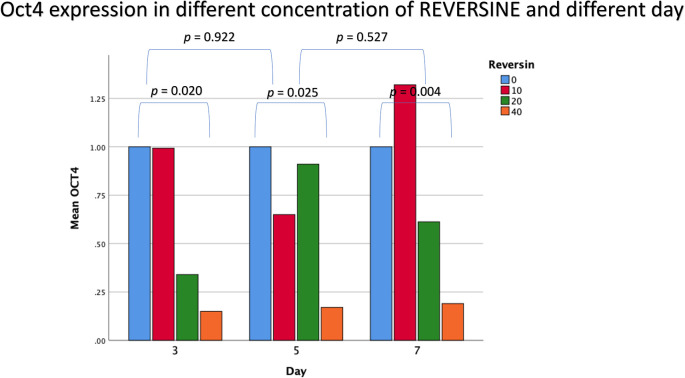 Figure 2
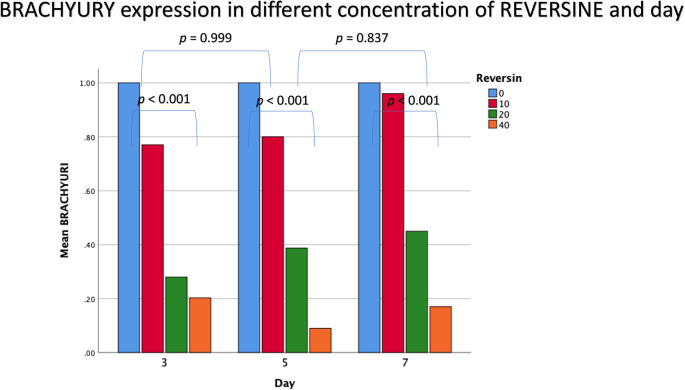 Figure 3
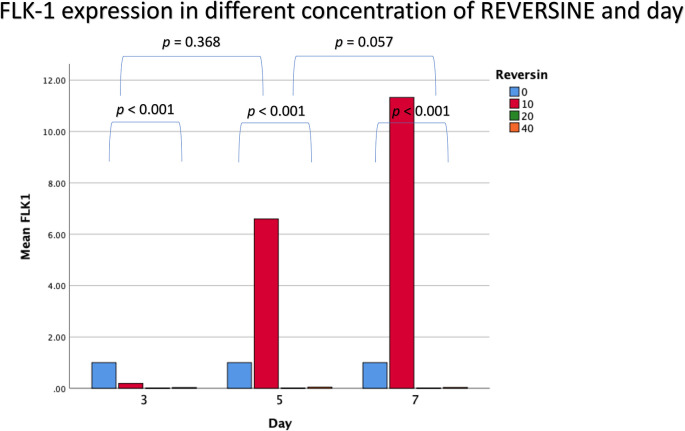 Figure 4
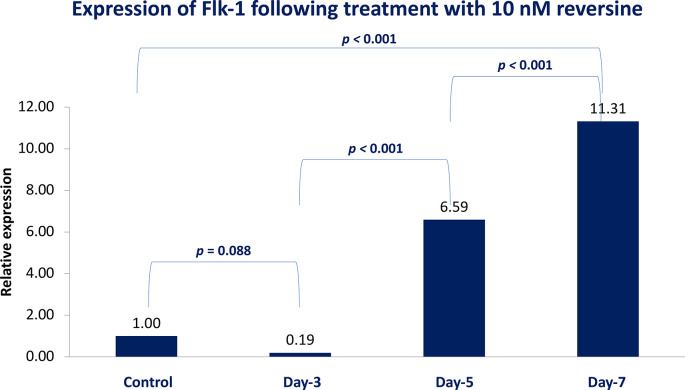 Figure 5
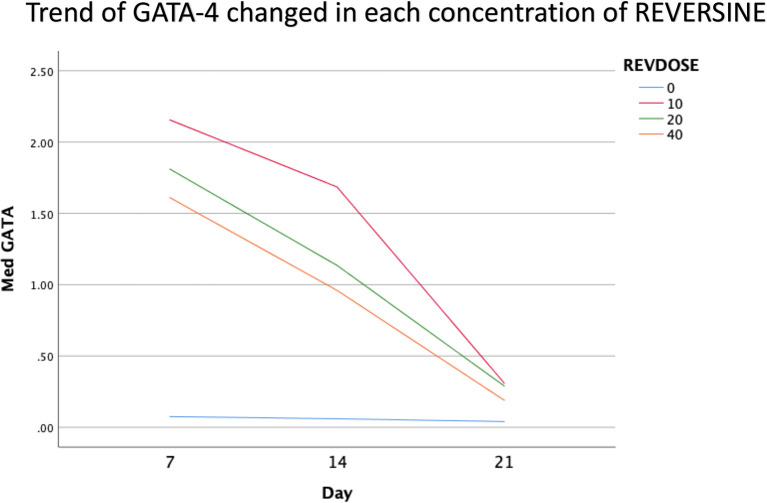 Figure 6
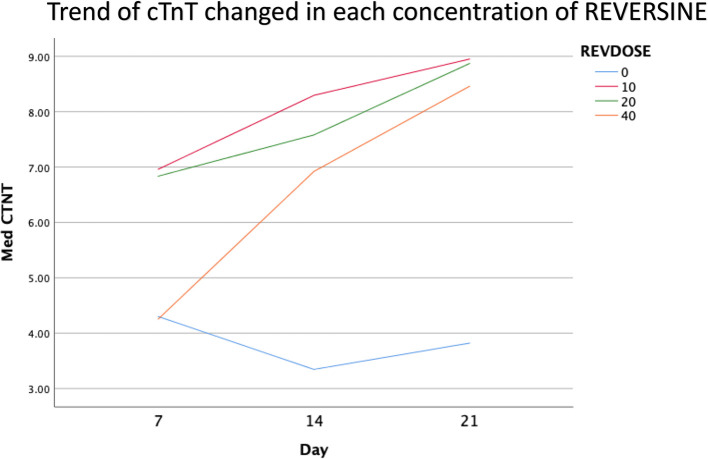 Figure 7
 Figure 8
Peer Reviews
No public reviews on file for this paper yet. If you reviewed it on a platform where reviews are public (OpenReview, ICLR, NeurIPS, ICML), you can paste yours below so the community can read it here.
Videos
No videos yet. Explain this paper in a talk, walkthrough, or lecture? Add one.
Taxonomy
TopicsRNA Interference and Gene Delivery · Mesenchymal stem cell research · Electrospun Nanofibers in Biomedical Applications