Clinicopathologic characteristics and survival analysis of primary large B-cell lymphoma of the central nervous system
起帆 许, 容 沈, 一格 沈, 怡文 曹, 樱 钱, 彭鹏 许, 澍 程, 黎 王, 维莅 赵

TL;DR
This study analyzed 70 patients with primary central nervous system large B-cell lymphoma to understand their clinical features, treatment responses, and survival outcomes.
Contribution
The study provides updated survival data and identifies effective consolidation therapies and prognostic factors for PCNSLBCL.
Findings
70% of patients achieved complete remission after first-line treatment.
Auto-HSCT reduced relapse rates, and oral small-molecule maintenance improved progression-free survival.
MSKCC score 3 was an independent poor prognostic factor for overall survival.
Abstract
回顾性分析原发中枢神经系统大B细胞淋巴瘤(PCNSLBCL)患者的临床、病理特征、疗效、生存和预后情况。 回顾性分析上海交通大学医学院附属瑞金医院自2010年10月至2022年11月收治的70例PCNSLBCL患者的临床和病理资料,采用Kaplan-Meier法及Log-rank检验进行生存分析以及Cox比例风险模型进行预后分析。 70例PCNSLBCL患者接受一线诱导治疗后49例(70.0%)评价为完全缓解(CR),4例(5.7%)评价为部分缓解,客观缓解率为75.7%。2年无进展生存(PFS)率55.8%,中位PFS期为35.9个月;2年总生存(OS)率79.1%,中位OS期未达到。一线诱导CR后,接受auto-HSCT的患者累积复发率(CIR)低于未接受任何巩固治疗的患者(P=0.032);口服小分子药物维持的患者2年PFS率为84.4%,中位PFS期为79.5个月,无巩固治疗患者2年PFS率为54.4%,中位PFS期为35.9个月,差异有统计学意义(P=0.038)。多因素分析显示纪念斯隆-凯特琳肿瘤中心(MSKCC)预后评分3类是影响PCNSLBCL患者OS的独立预后不良因素(HR=3.127,95% CI 1.057~9.253,P=0.039)。 一线诱导治疗CR的PCNSLBCL患者接受auto-HSCT巩固治疗可降低CIR,口服小分子药物维持治疗可延长PFS期。MSKCC预后评分3类与PCNSLBCL患者较差的OS相关。
Genes, proteins, chemicals, diseases, species, mutations and cell lines named across the full text — each resolved to its canonical identifier and authoritative record.
Click any figure to enlarge with its caption.
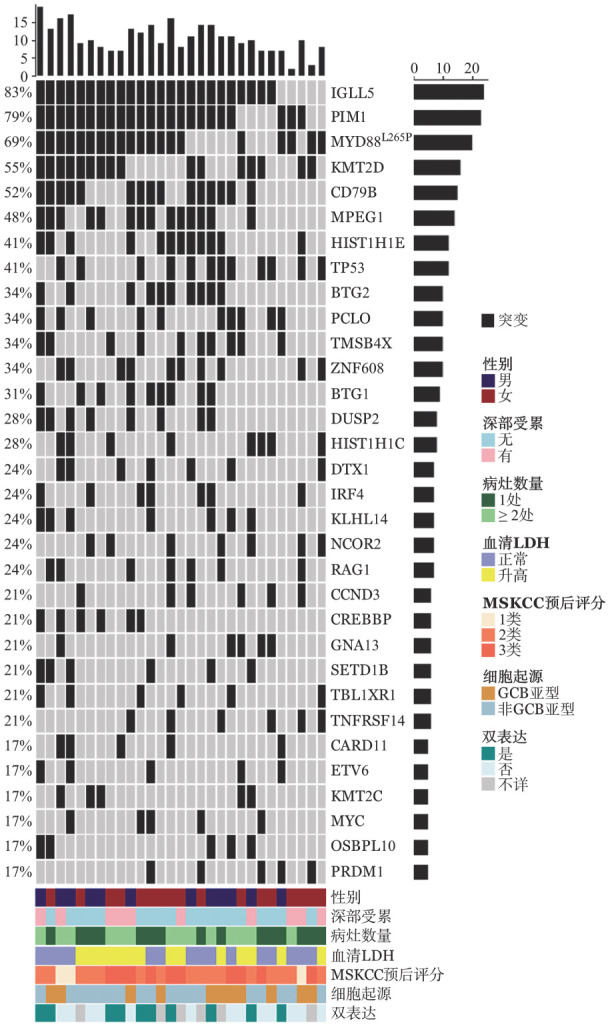 Figure 1
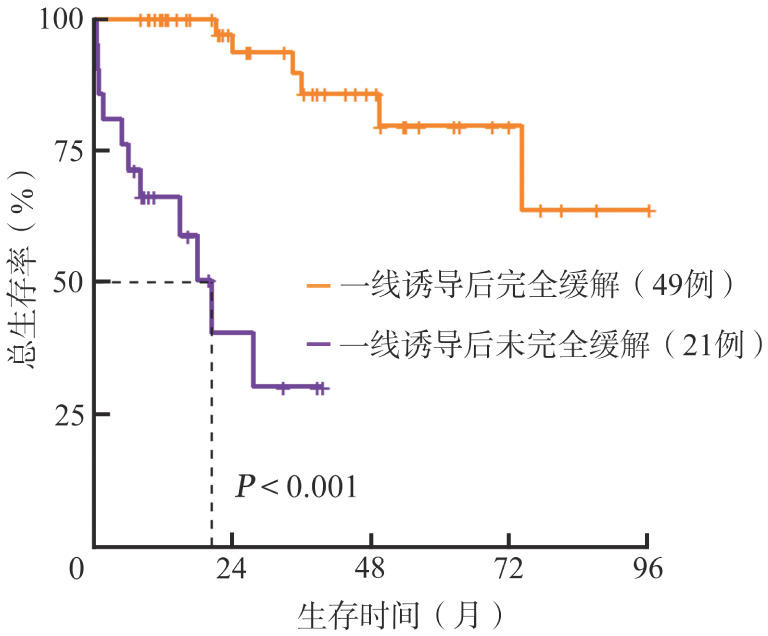 Figure 2
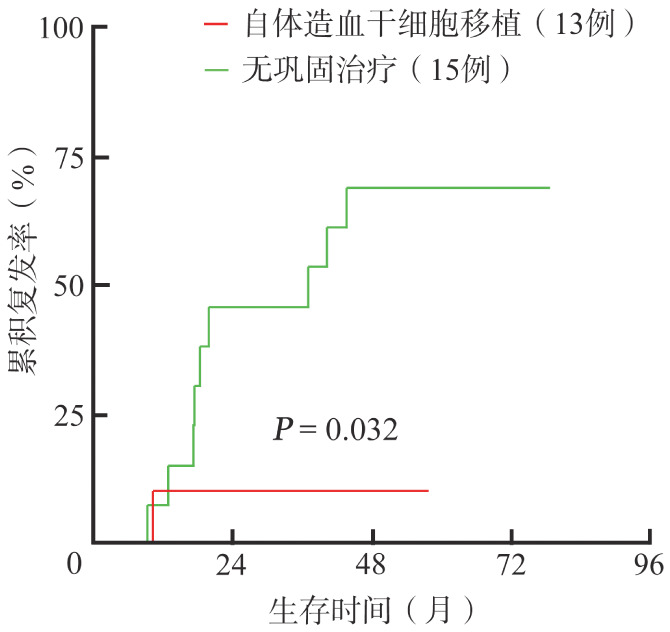 Figure 3
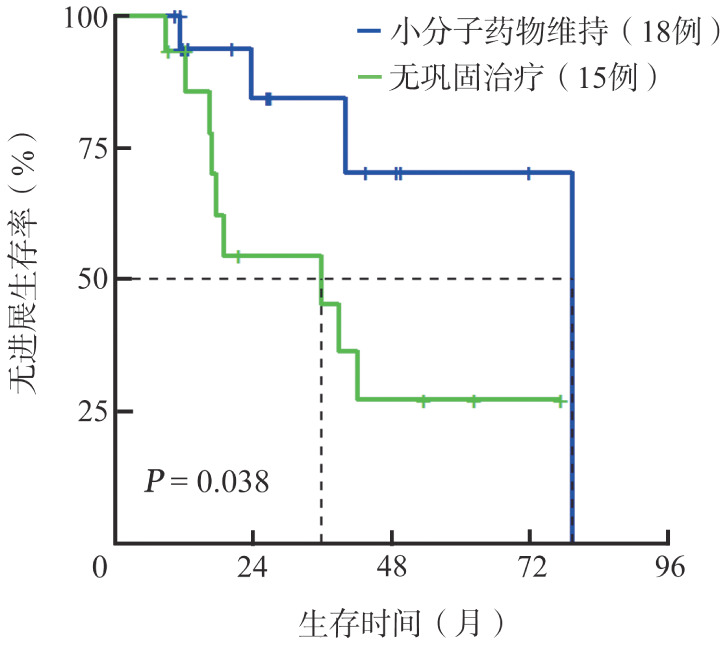 Figure 4
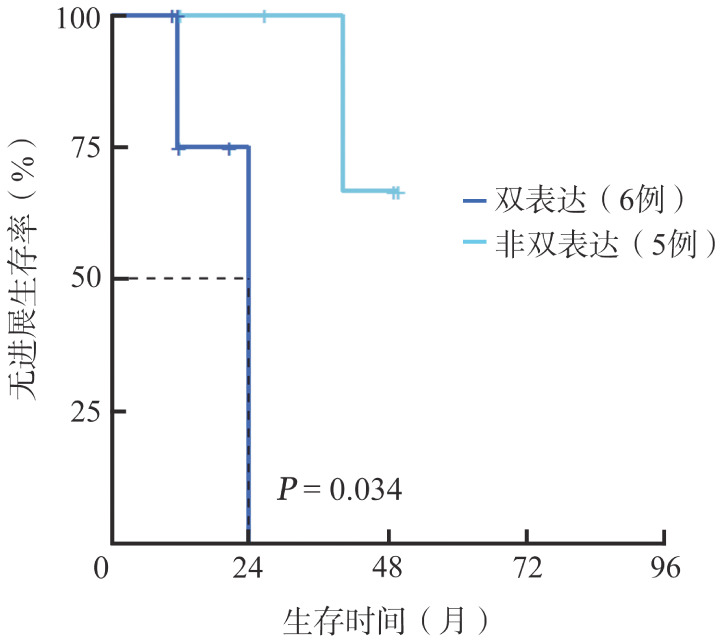 Figure 5
Peer Reviews
No public reviews on file for this paper yet. If you reviewed it on a platform where reviews are public (OpenReview, ICLR, NeurIPS, ICML), you can paste yours below so the community can read it here.
Videos
No videos yet. Explain this paper in a talk, walkthrough, or lecture? Add one.
Taxonomy
TopicsCNS Lymphoma Diagnosis and Treatment