Placental ACE2 Expression: A Possible Pathogenetic Mechanism for Infantile Hemangiomas
Aurora De Marco, Gerardo Cazzato, Rosalba Maggialetti, Giuseppe Ingravallo, Margherita Fanelli, Antonella Vimercati, Ettore Cicinelli, Nicola Laforgia, Iria Neri, Ernesto Bonifazi, Domenico Bonamonte

TL;DR
This study suggests that reduced placental ACE2 expression may be linked to the development of infantile hemangiomas, possibly due to impaired fetal perfusion.
Contribution
The novel contribution is the identification of placental ACE2 hypoexpression as a potential pathogenetic mechanism for infantile hemangiomas.
Findings
Placental ACE2 expression was significantly lower in mothers of infants with hemangiomas compared to controls.
Lower ACE2 expression correlated with reduced placental weight and increased subclinical chorioamnionitis in the study group.
ACE2 hypoexpression was associated with significantly lower placental weight compared to moderate or high ACE2 expression.
Abstract
ACE2 is a mono-carboxypeptidase with remarkable vasculo-protective properties, and its expression in the human placenta plays a central role in blood pressure homeostasis and fetal perfusion. Therefore, an alteration in the placental expression of ACE2 could be responsible for reduced placental perfusion and infantile hemangioma (IH) development. Study placentae were collected from patients affected by IHs who were referred to our Dermatology Clinic from 2016 to 2022, while control placentae were randomly collected while matching cases for gestational age. Immunohistochemical investigations were performed with a recombinant anti-ACE2 rabbit monoclonal antibody. A total of 47 placentae were examined, including 20 study placentae and 27 control ones. The mean placental weight was significantly lower in the study group (380.6 g vs. 502.3 g; p = 0.005), while subclinical chorioamnionitis…
Genes, proteins, chemicals, diseases, species, mutations and cell lines named across the full text — each resolved to its canonical identifier and authoritative record.
Click any figure to enlarge with its caption.
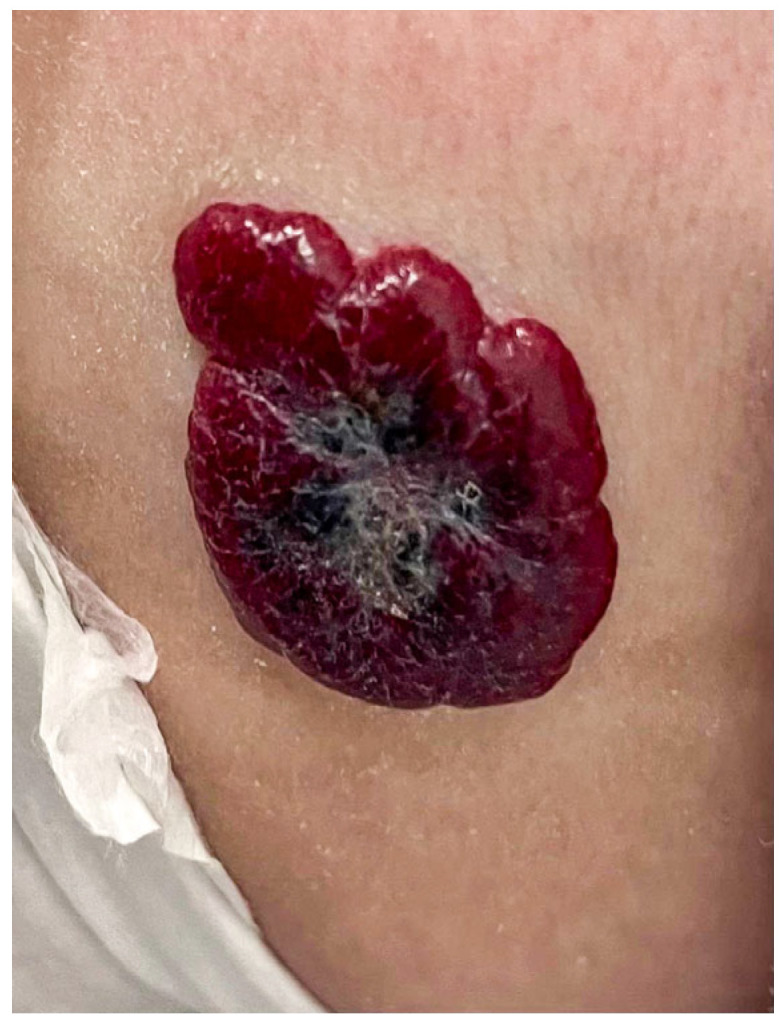 Figure 1
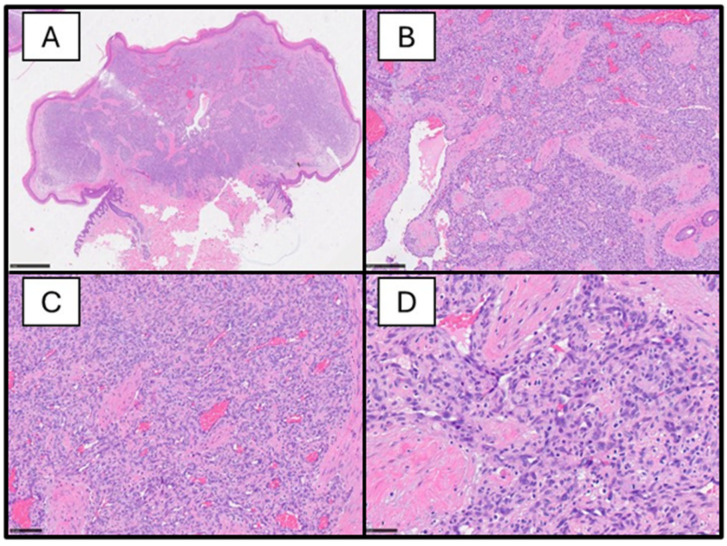 Figure 2
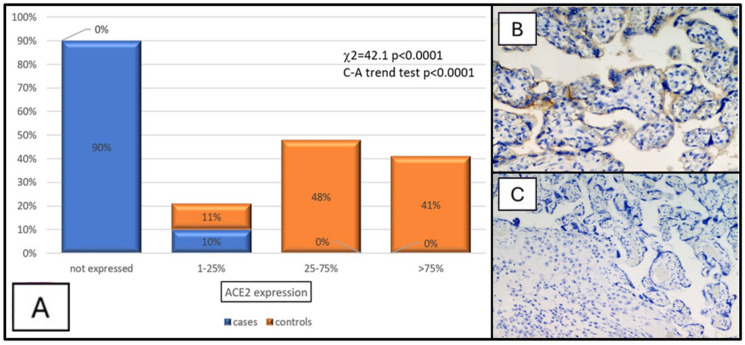 Figure 3
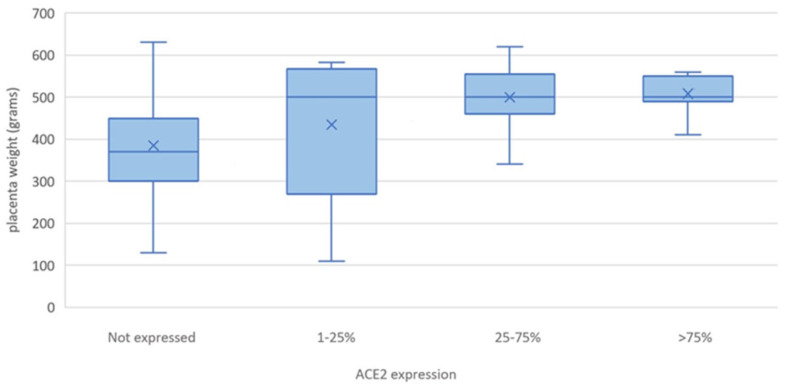 Figure 4
Peer Reviews
No public reviews on file for this paper yet. If you reviewed it on a platform where reviews are public (OpenReview, ICLR, NeurIPS, ICML), you can paste yours below so the community can read it here.
Videos
No videos yet. Explain this paper in a talk, walkthrough, or lecture? Add one.
Taxonomy
TopicsPregnancy and preeclampsia studies · Vascular Malformations and Hemangiomas · Gestational Trophoblastic Disease Studies