Integrated Analysis of Transcriptome Profiles and lncRNA–miRNA–mRNA Competing Endogenous RNA Regulatory Network to Identify Biological Functional Effects of Genes and Pathways Associated with Johne’s Disease in Dairy Cattle
Farzad Ghafouri, Vahid Dehghanian Reyhan, Mostafa Sadeghi, Seyed Reza Miraei-Ashtiani, John P. Kastelic, Herman W. Barkema, Masoud Shirali

TL;DR
This study identifies key genes and RNA networks involved in immune responses to Johne’s disease in dairy cattle, offering new insights into the disease’s molecular mechanisms.
Contribution
The study introduces a novel integration of transcriptome data and ceRNA networks to uncover molecular regulation in Johne’s disease.
Findings
Identified 21 hub genes and 28 lncRNAs, 42 miRNAs, and 370 mRNAs involved in MAP infection response.
Detected eight subnets with regulatory RNAs and enriched immune-related pathways like NF-kappa B and T cell activation.
Provided insights into phenotypic differences in JD pathogenicity through transcriptome and ceRNA analysis.
Abstract
Paratuberculosis or Johne’s disease (JD), a chronic granulomatous gastroenteritis caused by Mycobacterium avium subsp. paratuberculosis (MAP), causes huge economic losses and reduces animal welfare in dairy cattle herds worldwide. At present, molecular mechanisms and biological functions involved in immune responses to MAP infection of dairy cattle are not clearly understood. Our purpose was to integrate transcriptomic profiles and competing endogenous RNA (ceRNA) network analyses to identify key messenger RNAs (mRNAs) and regulatory RNAs involved in molecular regulation of peripheral blood mononuclear cells (PBMCs) for MAP infection in dairy cattle. In total, 28 lncRNAs, 42 miRNAs, and 370 mRNAs were identified by integrating gene ontology (GO) and Kyoto Encyclopedia of Genes and Genomes (KEGG) enrichment analyses. In this regard, we identified 21 hub genes (CCL20, CCL5, CD40, CSF2,…
Genes, proteins, chemicals, diseases, species, mutations and cell lines named across the full text — each resolved to its canonical identifier and authoritative record.
Click any figure to enlarge with its caption.
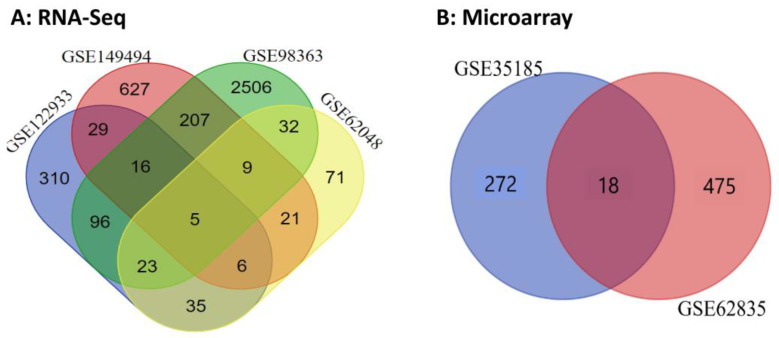 Figure 1
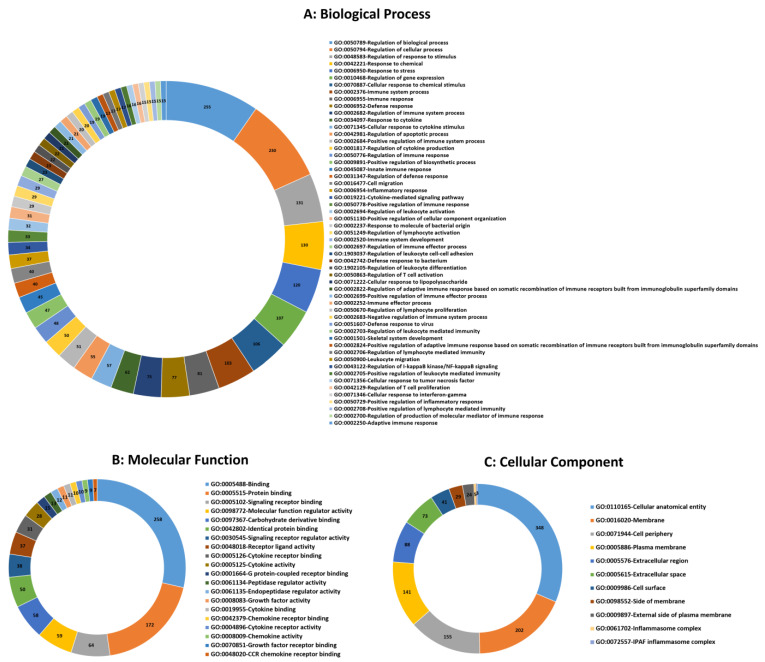 Figure 2
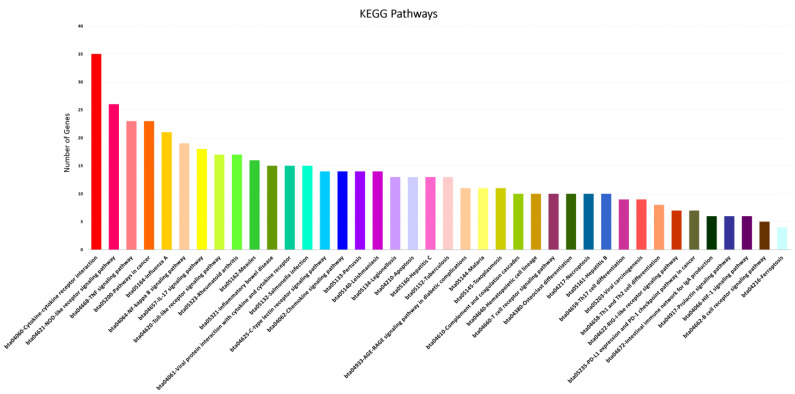 Figure 3
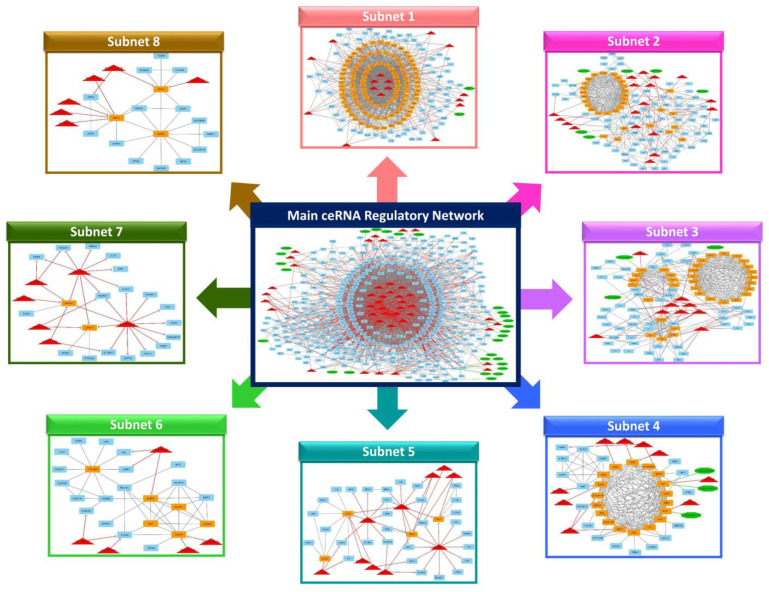 Figure 4
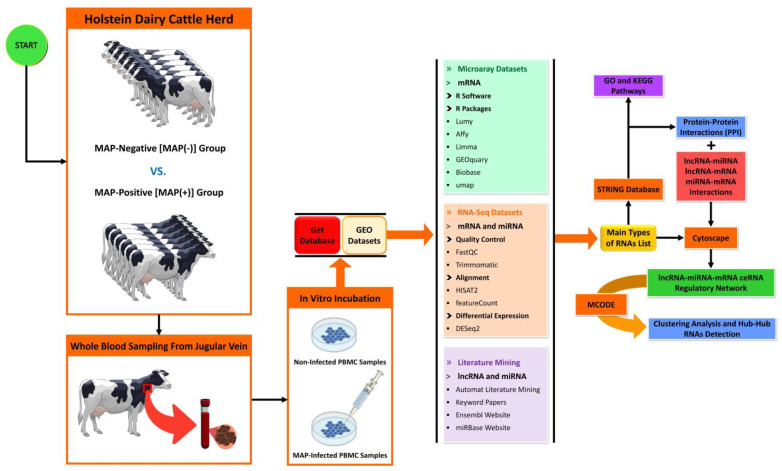 Figure 5
Peer Reviews
No public reviews on file for this paper yet. If you reviewed it on a platform where reviews are public (OpenReview, ICLR, NeurIPS, ICML), you can paste yours below so the community can read it here.
Videos
No videos yet. Explain this paper in a talk, walkthrough, or lecture? Add one.
Taxonomy
TopicsMycobacterium research and diagnosis · Cancer-related molecular mechanisms research · Ginseng Biological Effects and Applications