Systemic Effects of Photoactivated 5,10,15,20-tetrakis(N-methylpyridinium-3-yl) Porphyrin on Healthy Drosophila melanogaster
Ana Filošević Vujnović, Sara Čabrijan, Martina Mušković, Nela Malatesti, Rozi Andretić Waldowski

TL;DR
This study examines how a porphyrin compound affects fruit flies, showing it disrupts redox balance and behavior.
Contribution
The study introduces a new photosensitizer and explores its systemic effects in Drosophila, revealing redox disruption and behavioral impacts.
Findings
TMPyP3 accumulates more in neuronal than non-neuronal tissues in Drosophila.
Photoactivated TMPyP3 increases hydrogen peroxide in head extracts and reduces climbing ability.
TMPyP3 alters redox regulation and behavioral outcomes in fruit flies.
Abstract
Porphyrins are frequently employed in photodynamic therapy (PDT), a non-invasive technique primarily utilized to treat subcutaneous cancers, as photosensitizing agents (PAs). The development of a new PA with improved tissue selectivity and efficacy is crucial for expanding the application of PDT for the management of diverse cancers. We investigated the systemic effects of 5,10,15,20-tetrakis(N-methylpyridinium-3-yl)-porphyrin (TMPyP3) using Drosophila melanogaster adult males. We established the oral administration schedule and demonstrated that TMPyP3 was absorbed and stored higher in neuronal than in non-neuronal extracts. Twenty-four hours after oral TMPyP3 photoactivation, the quantity of hydrogen peroxide (H2O2) increased, but exclusively in the head extracts. Regardless of photoactivation, TMPyP3 resulted in a reduced concentration of H2O2 after 7 days, and this was linked with a…
Genes, proteins, chemicals, diseases, species, mutations and cell lines named across the full text — each resolved to its canonical identifier and authoritative record.
Click any figure to enlarge with its caption.
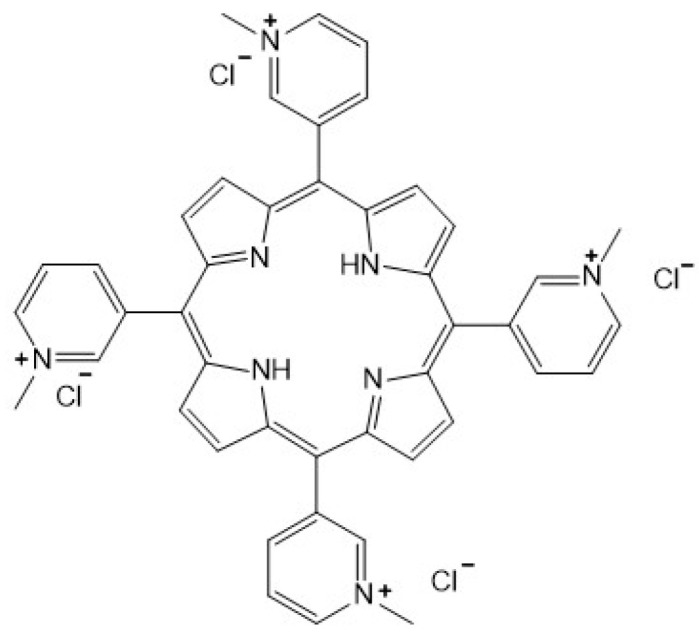 Figure 1
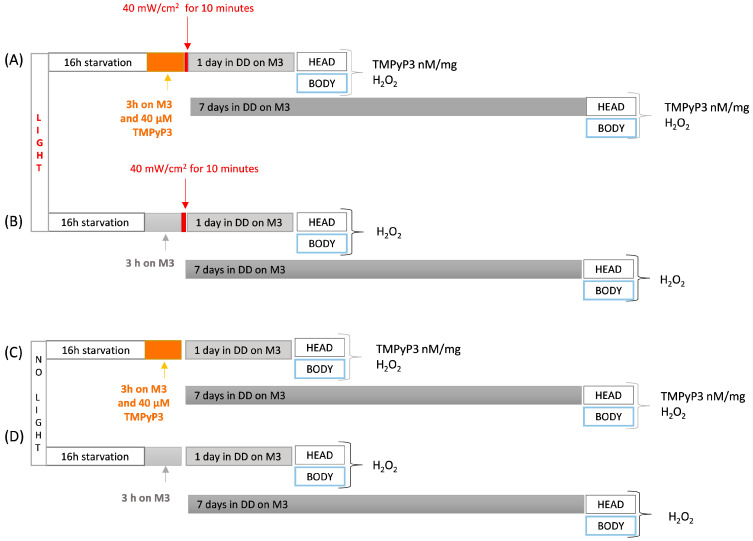 Figure 2
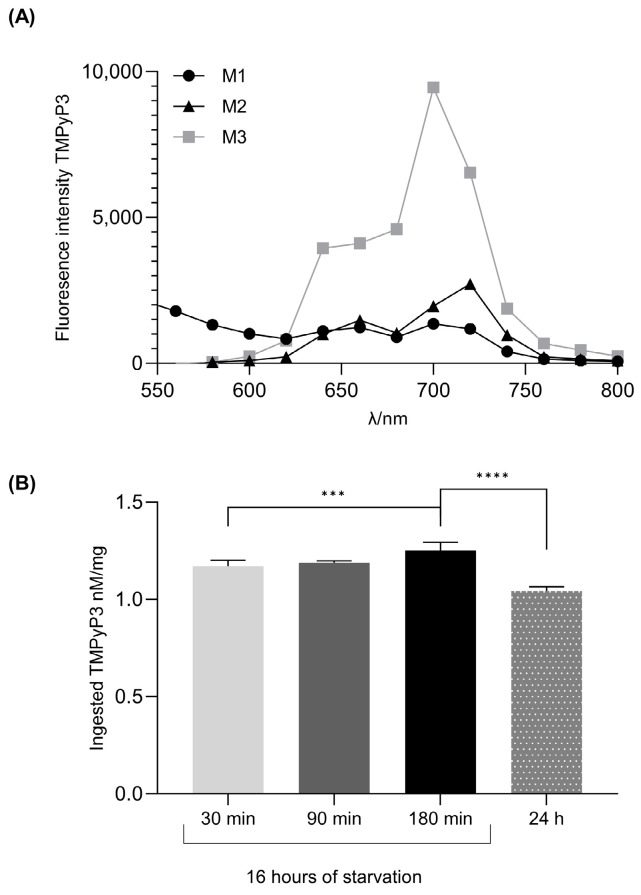 Figure 3
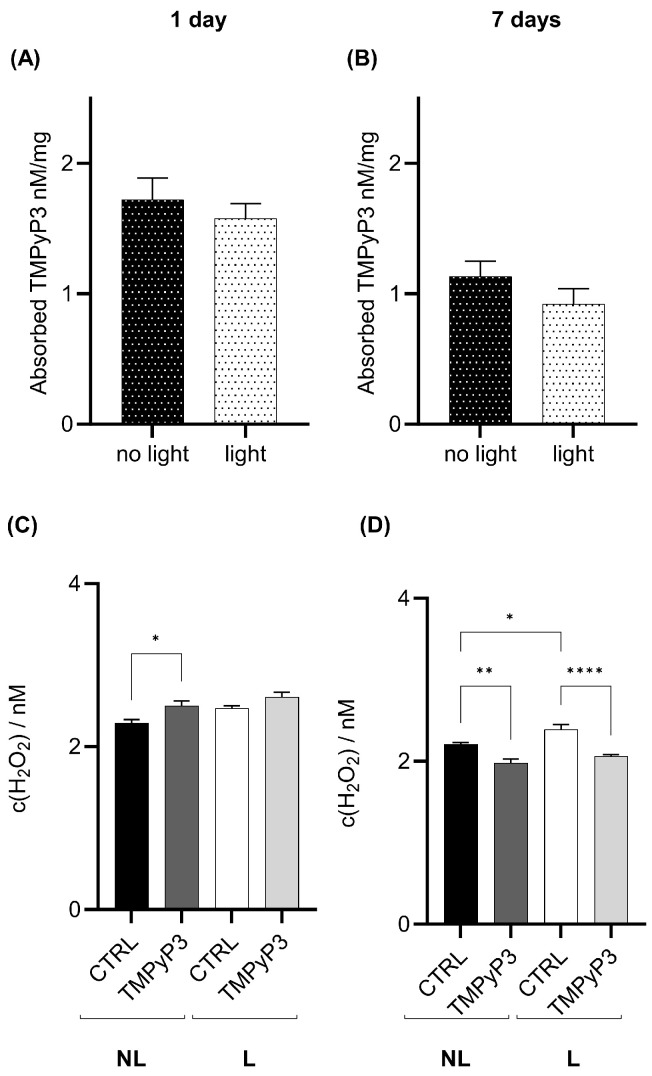 Figure 4
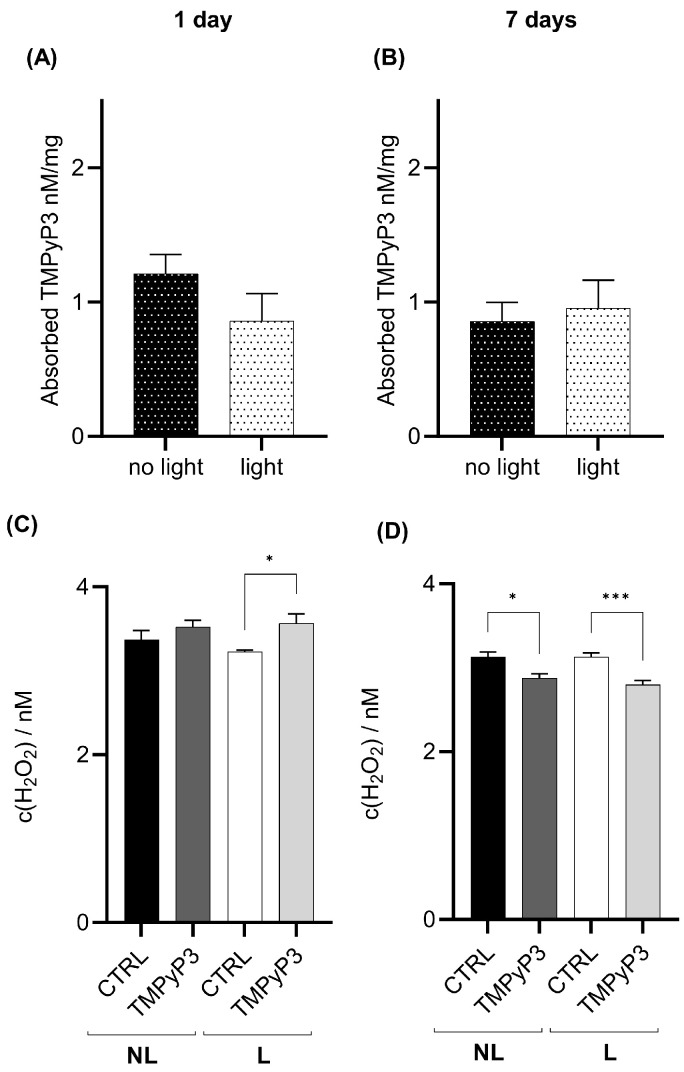 Figure 5
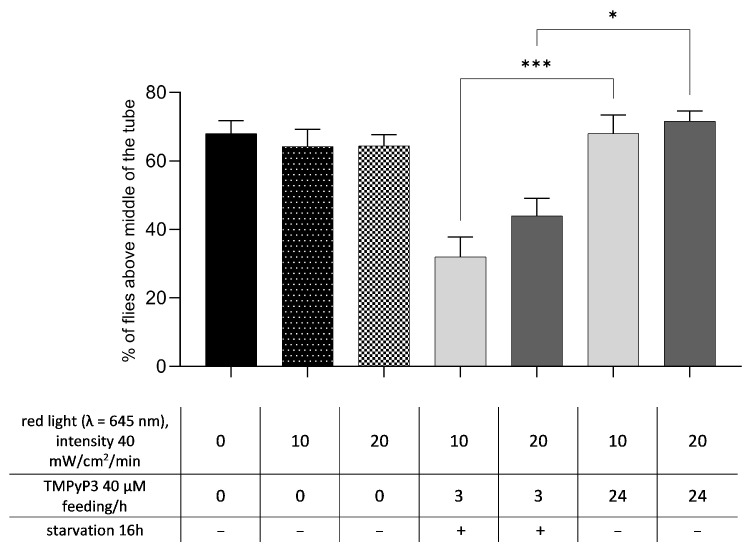 Figure 6
Peer Reviews
No public reviews on file for this paper yet. If you reviewed it on a platform where reviews are public (OpenReview, ICLR, NeurIPS, ICML), you can paste yours below so the community can read it here.
Videos
No videos yet. Explain this paper in a talk, walkthrough, or lecture? Add one.
Taxonomy
TopicsPhotodynamic Therapy Research Studies · Porphyrin and Phthalocyanine Chemistry · Nanoplatforms for cancer theranostics