Adverse Events during Prone Positioning of Patients with COVID-19 during a Surge in Hospitalizations—Results of an Observational Study
Nataša Radovanović, Mateja Krajnc, Mario Gorenjak, Alenka Strdin Košir, Andrej Markota

TL;DR
This study found that prone positioning in hospitalized COVID-19 patients was linked to many adverse events, including pressure ulcers and tube removals, with body weight and positioning duration as key factors.
Contribution
The study identifies body weight and prone positioning duration as risk factors for adverse events during a hospital surge, highlighting challenges in critical care during pandemics.
Findings
118 catheter and tube removals occurred in 66 out of 100 patients during prone positioning.
184 pressure ulcers were observed in 79 patients, most commonly on the anterior face and thorax.
Body weight and cumulative prone positioning duration were independently associated with adverse events.
Abstract
This study aimed to determine the prevalence of adverse events in mechanically ventilated adults with COVID-19 who have undergone prone positioning. A total of 100 patients were included retrospectively; 60% were males, the mean age was 64.8 ± 9.1 years, and hospital mortality was 47%. In all, we recorded 118 removals of catheters and tubes in 66 patients; 29.6% were removals of a nasogastric tube, 18.6% of an arterial line, 14.4% of a urinary catheter, and 12.7% of a central venous catheter. Reintubation or repositioning of a tracheotomy tube was required in 19 patients (16.1%), and cardiopulmonary resuscitation in 2 patients (1.7%). We recorded a total of 184 pressure ulcers in 79 patients (on anterior face in 38.5%, anterior thorax in 23.3% and any extremity anteriorly in 15.2%). We observed that body weight (p = 0.021; β = 0.09 (CI95: 0.01–0.17)) and the cumulative duration of prone…
Genes, proteins, chemicals, diseases, species, mutations and cell lines named across the full text — each resolved to its canonical identifier and authoritative record.
Click any figure to enlarge with its caption.
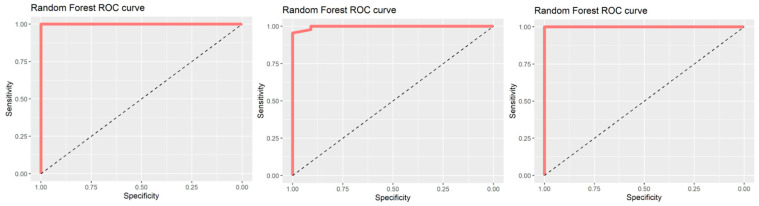 Figure 1
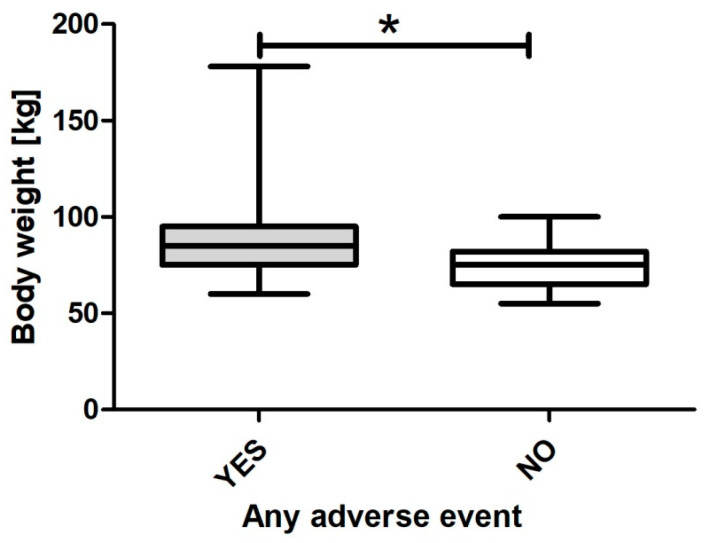 Figure 2
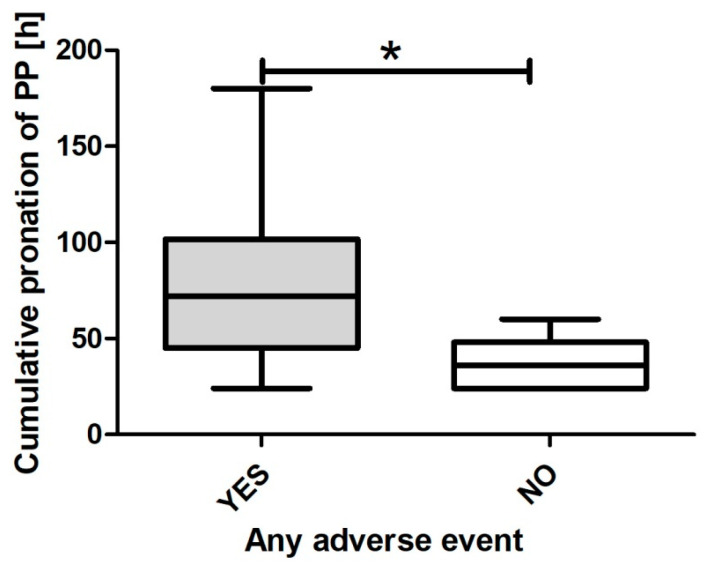 Figure 3
Peer Reviews
No public reviews on file for this paper yet. If you reviewed it on a platform where reviews are public (OpenReview, ICLR, NeurIPS, ICML), you can paste yours below so the community can read it here.
Videos
No videos yet. Explain this paper in a talk, walkthrough, or lecture? Add one.
Taxonomy
TopicsRespiratory Support and Mechanisms · Cardiac Arrest and Resuscitation · Pneumothorax, Barotrauma, Emphysema