Expression of Transposable Elements throughout the Fasciola hepatica Trematode Life Cycle
Elizaveta K. Skalon, Nick V. Panyushev, Olga I. Podgornaya, Anastasia R. Smolyaninova, Anna I. Solovyeva

TL;DR
This study explores how transposable elements, once seen as genomic parasites, may regulate the life cycle of the liver fluke Fasciola hepatica.
Contribution
The study reveals stage-specific transposable element expression patterns and their potential regulatory roles in trematode life cycle transitions.
Findings
Transposable element transcription peaks during egg and metacercariae stages of Fasciola hepatica.
Some transposable elements show homology with long non-coding RNAs and have potential transcription factor binding sites.
Transposable element activity is highest in early life stages, suggesting roles in developmental regulation.
Abstract
Background: Transposable elements (TEs) are major components of eukaryotic genomes. The extensive body of evidence suggests that although they were once considered “genomic parasites”, transposons and their transcripts perform specific functions, such as regulation of early embryo development. Understanding the role of TEs in such parasites as trematodes is becoming critically important. Fasciola hepatica, a parasite affecting humans and livestock, undergoes a complex life cycle in diverse environments and hosts, and knowledge about its life cycle regulation is scarce so far. Methods: We summarized the data regarding the repetitive elements in F. hepatica and conducted bulk RNA-seq analysis across its life cycle stages. TE expression profiles were analyzed, focusing on differential expression and potential homology with previously described long non-coding RNAs (lncRNAs). Results:…
Genes, proteins, chemicals, diseases, species, mutations and cell lines named across the full text — each resolved to its canonical identifier and authoritative record.
Click any figure to enlarge with its caption.
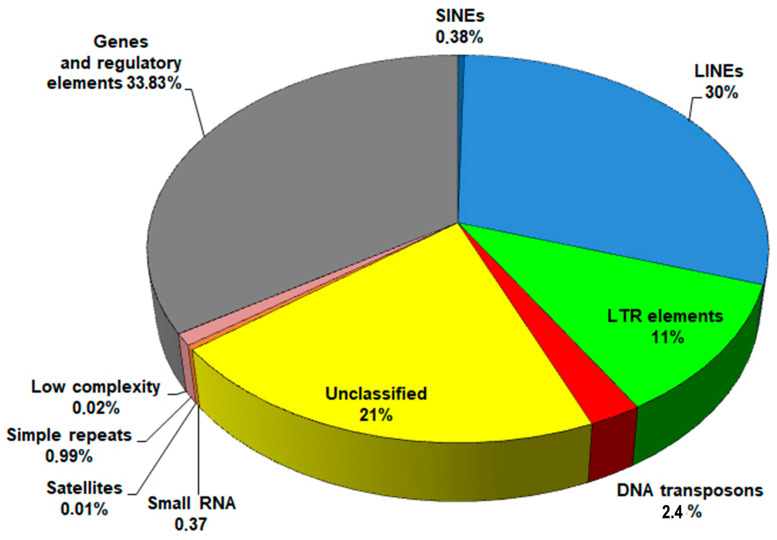 Figure 1
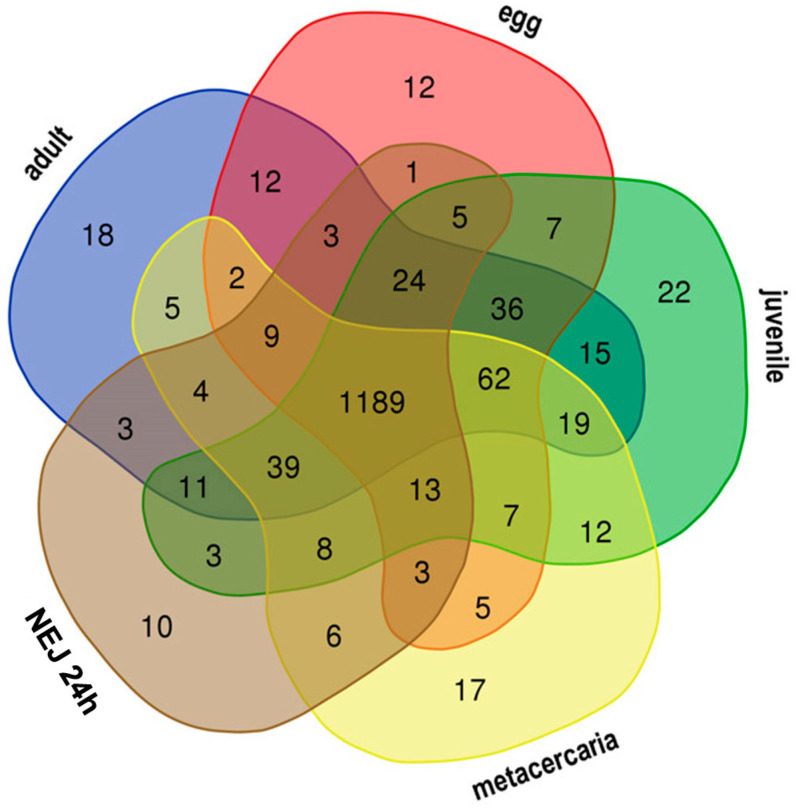 Figure 2
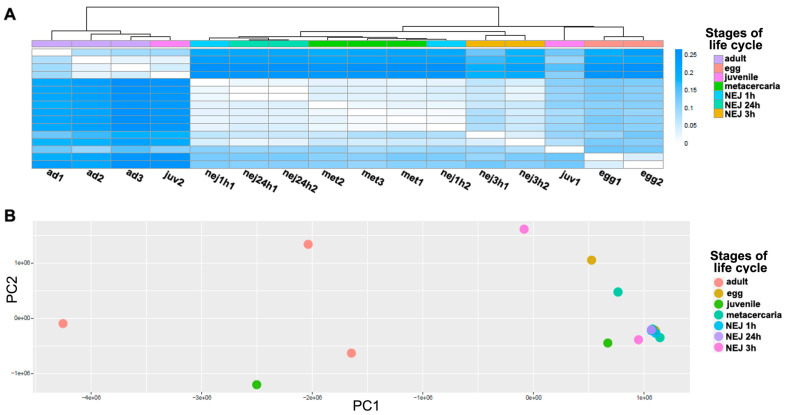 Figure 3
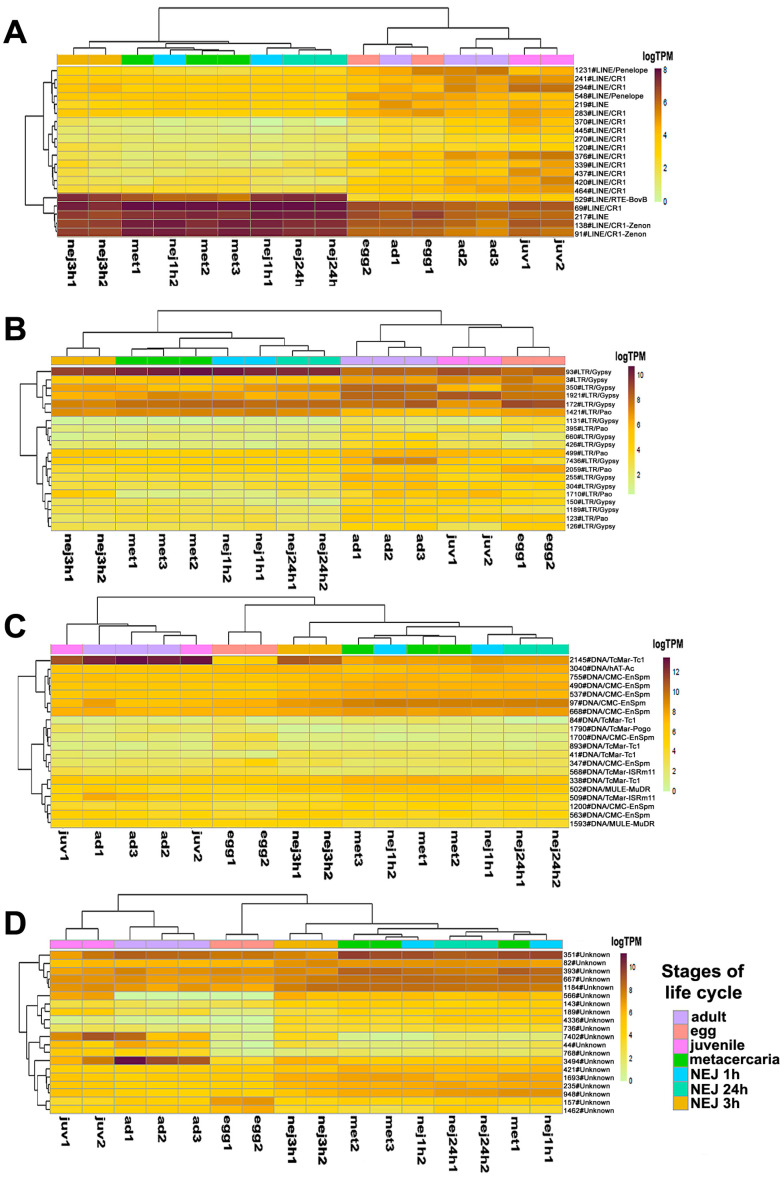 Figure 4
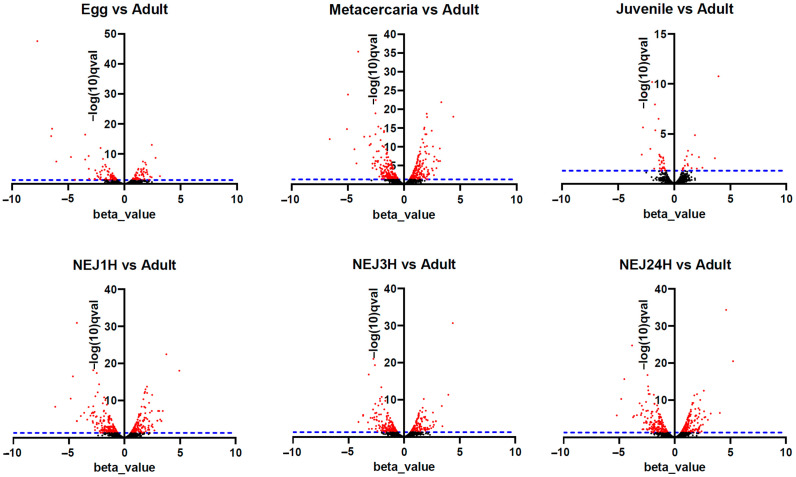 Figure 5
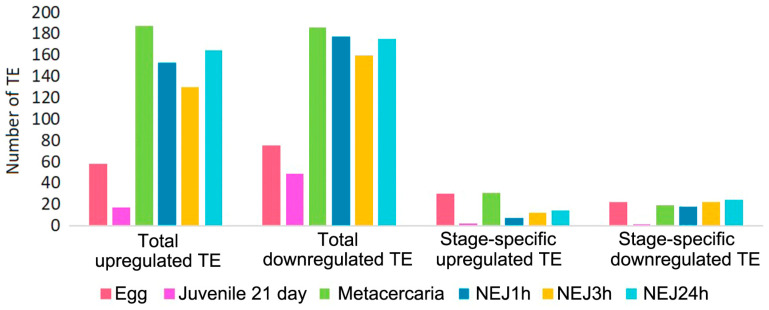 Figure 6
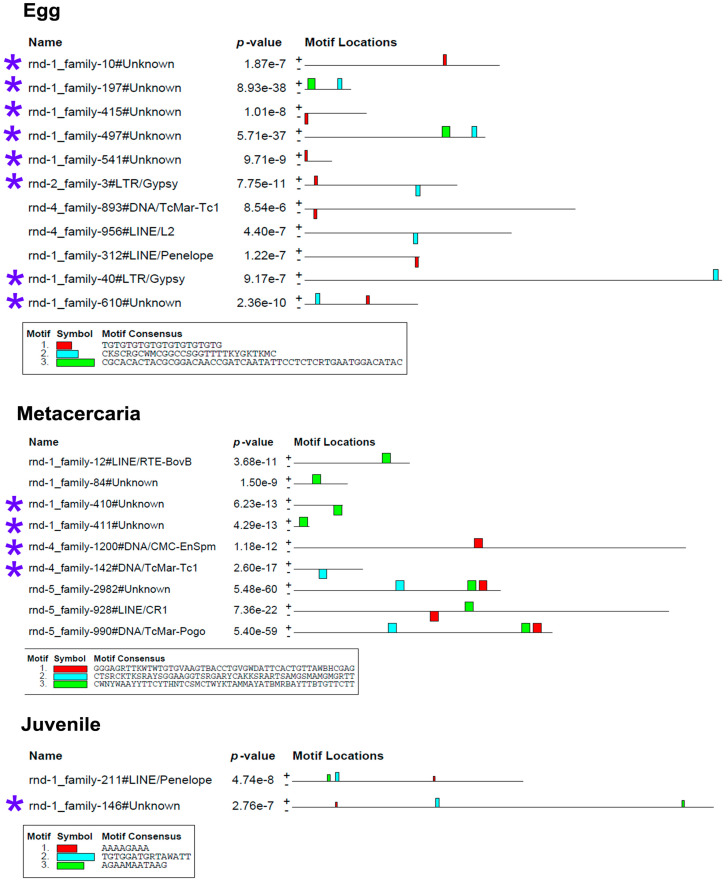 Figure 7
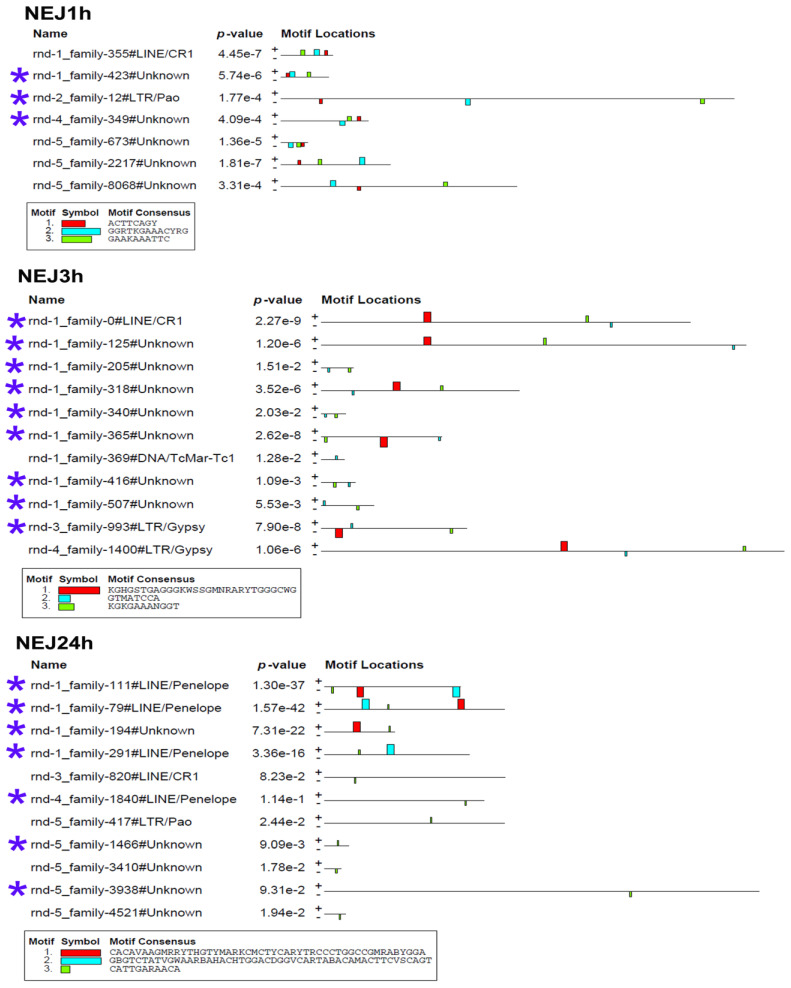 Figure 8
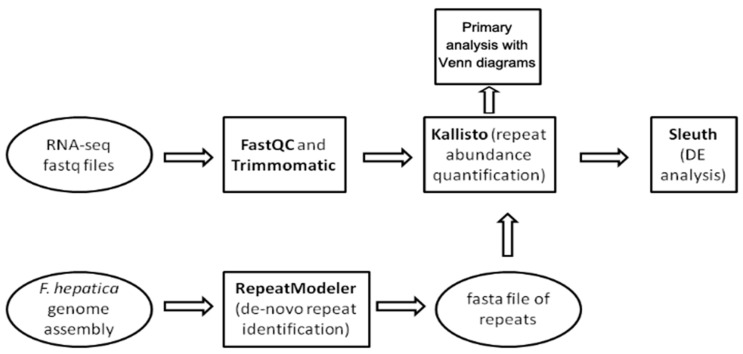 Figure 9
Peer Reviews
No public reviews on file for this paper yet. If you reviewed it on a platform where reviews are public (OpenReview, ICLR, NeurIPS, ICML), you can paste yours below so the community can read it here.
Videos
No videos yet. Explain this paper in a talk, walkthrough, or lecture? Add one.
Taxonomy
TopicsHelminth infection and control · Parasites and Host Interactions · Nematode management and characterization studies