Inhibition of Sphingosine Kinase 1 Reduces Sphingosine-1-Phosphate and Exacerbates Amyloid-Beta-Induced Neuronal Cell Death in Mixed-Glial-Cell Culture
Tomoki Minamihata, Katsura Takano-Kawabe, Mitsuaki Moriyama

TL;DR
Reducing sphingosine kinase 1 activity worsens amyloid-beta-induced neuronal death by increasing inflammation and oxidative stress in glial cells.
Contribution
This study reveals a novel role of sphingosine-1-phosphate metabolism in modulating glial cell function and neurodegeneration in Alzheimer's disease.
Findings
PF-543 treatment reduced sphingosine-1-phosphate levels in glial cells.
Inhibition of SK1 increased nitric oxide and reactive oxygen species production in astrocytes.
Lower S1P levels decreased microglial amyloid-beta uptake and increased neuronal injury.
Abstract
In Alzheimer’s disease (AD) pathology, the accumulation of amyloid-beta (Aβ), a main component of senile plaques, activates glial cells and causes neuroinflammation. Excessive neuroinflammation results in neuronal dropouts and finally produces the symptoms of AD. Recent studies suggest that disorder in sphingosine-1-phosphate (S1P) metabolism, especially the decreased expression of sphingosine kinase (SK)1, followed by the reduction in the amount of S1P, can be a promotive factor in AD onset. Thus, we explored the possibility that dysregulated S1P metabolism affects AD through the altered function in glial cells. We evaluated the effect of PF-543, a pharmacological inhibitor of SK1, on the inflammatory responses by lipopolysaccharide (LPS)-activated glial cells, microglia, and astrocytes. The treatment with PF-543 decreased the intracellular S1P content in glial cells. The PF-543…
Genes, proteins, chemicals, diseases, species, mutations and cell lines named across the full text — each resolved to its canonical identifier and authoritative record.
Click any figure to enlarge with its caption.
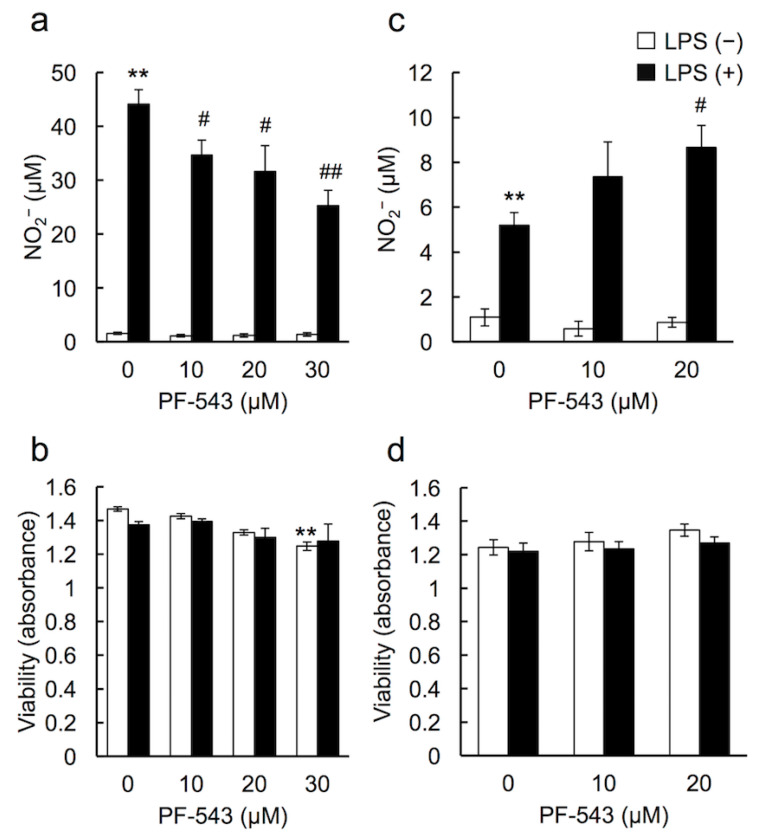 Figure 1
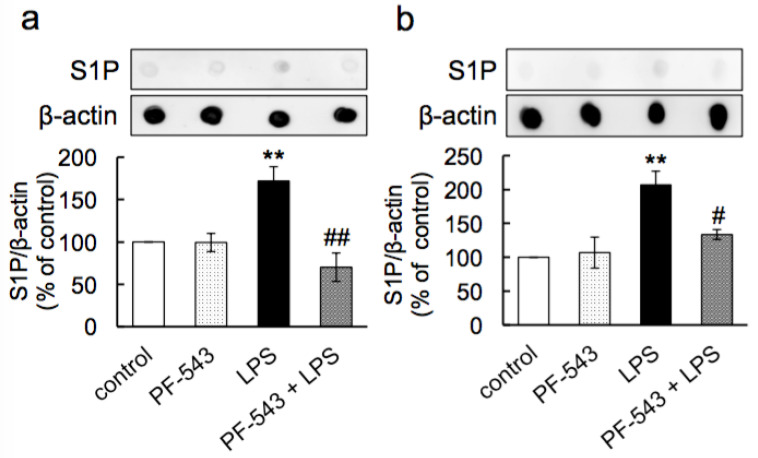 Figure 2
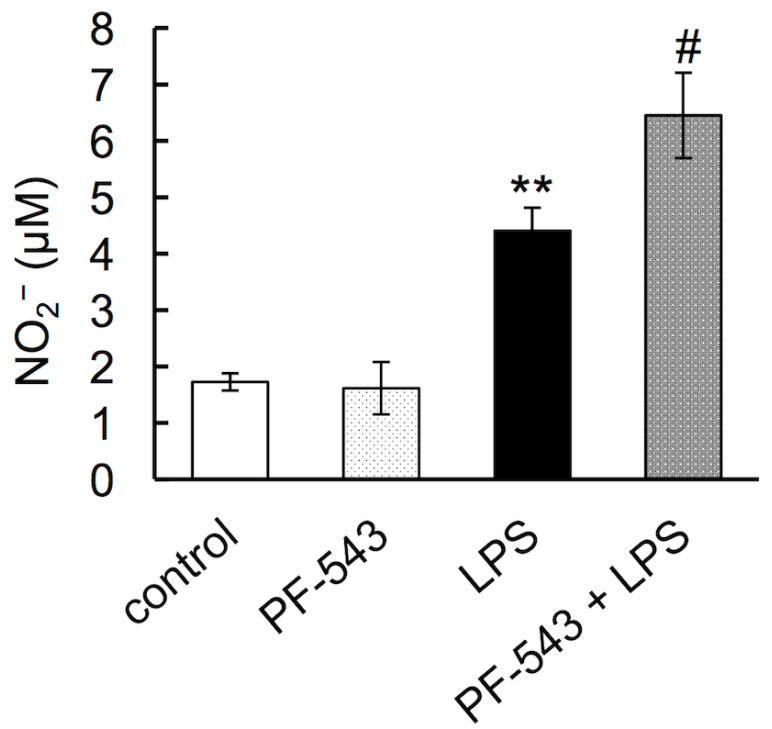 Figure 3
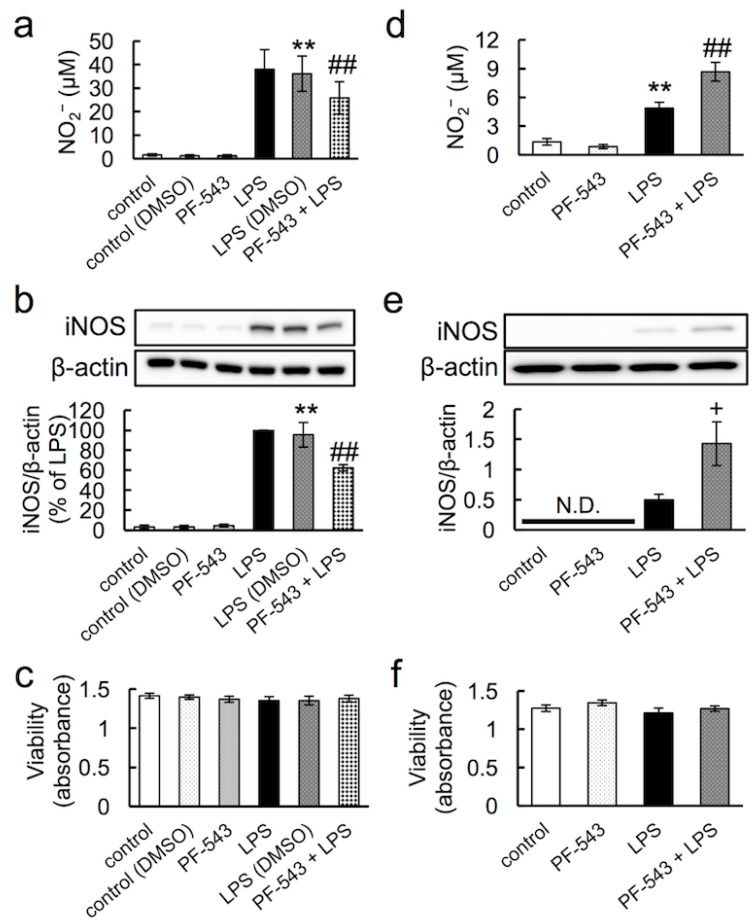 Figure 4
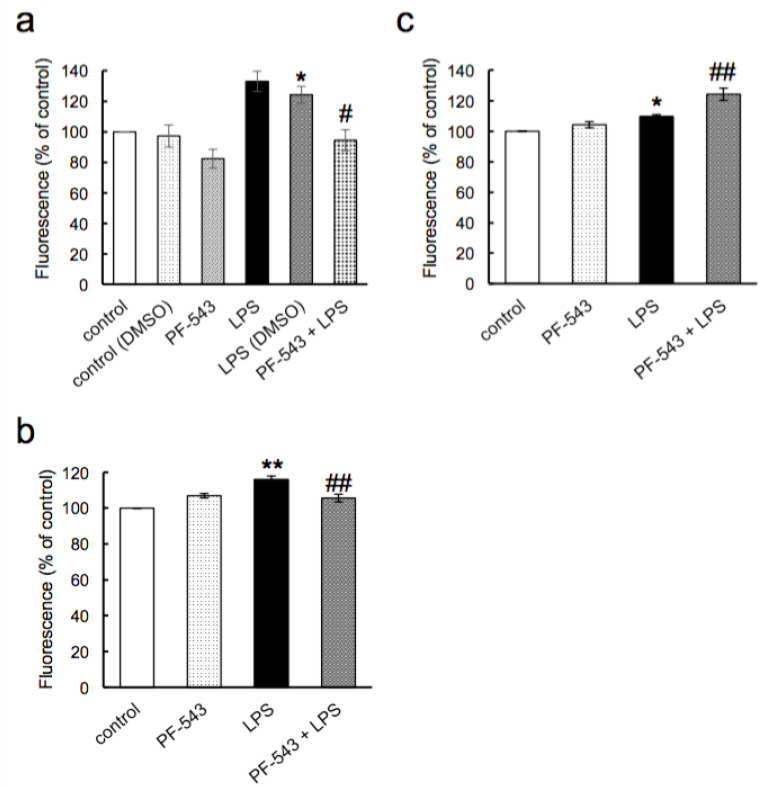 Figure 5
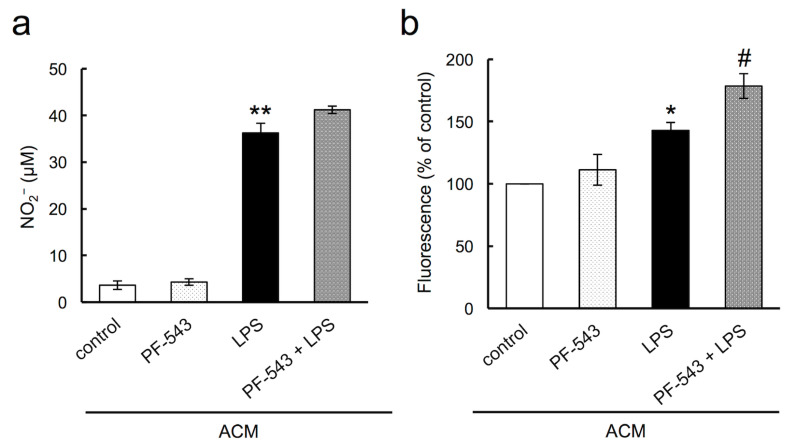 Figure 6
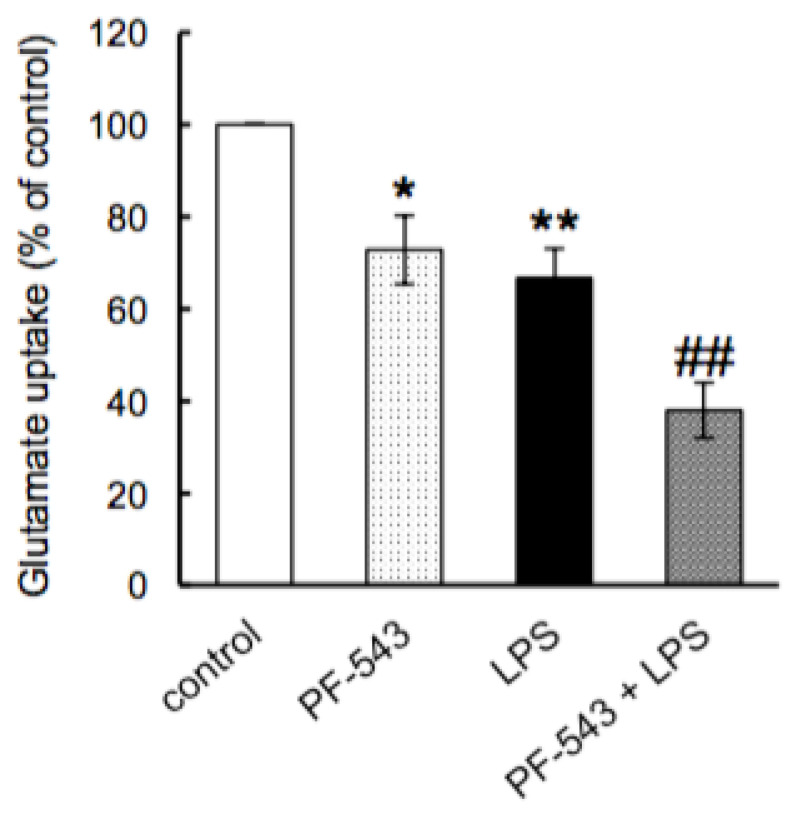 Figure 7
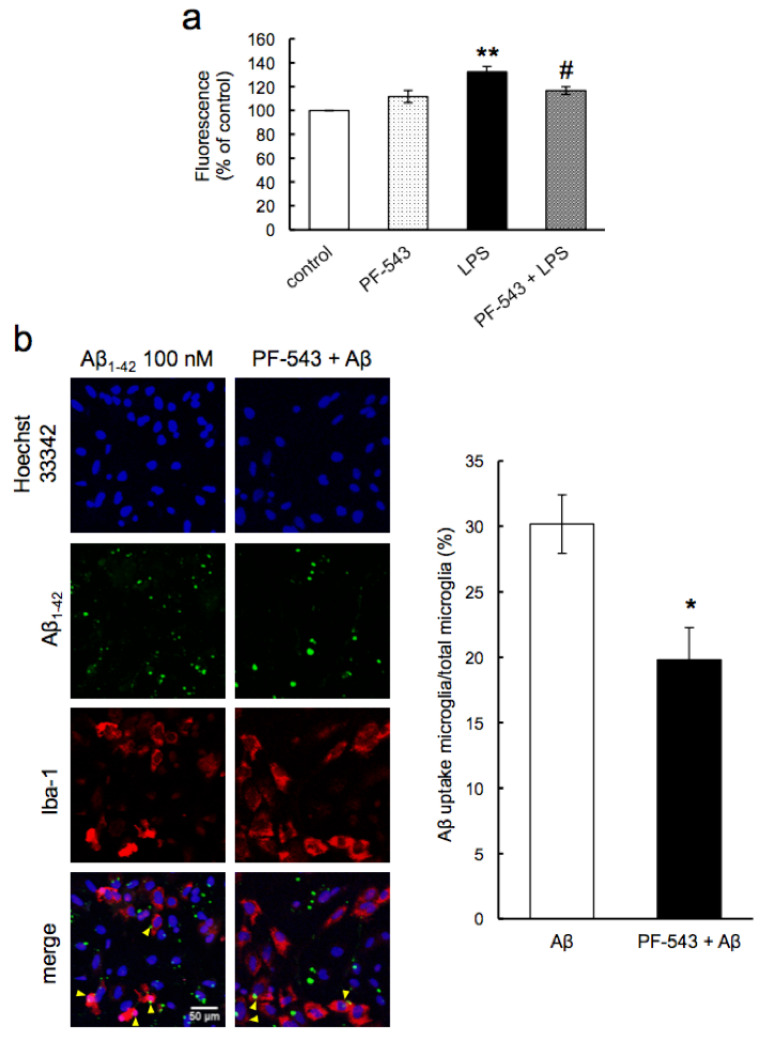 Figure 8
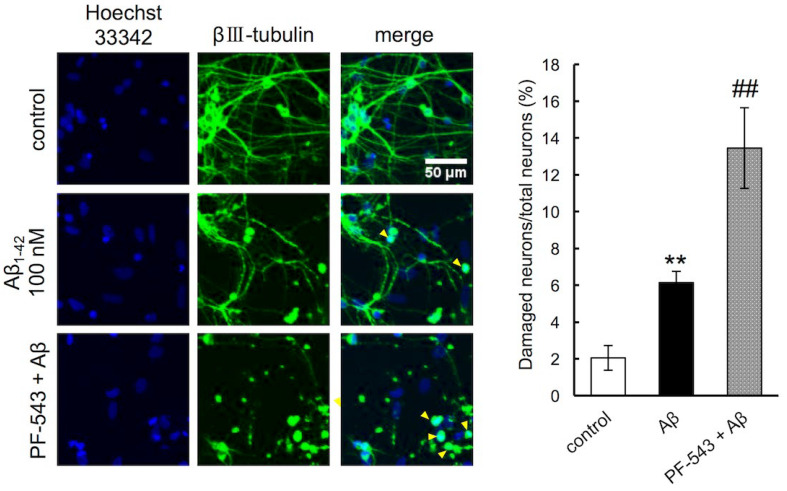 Figure 9
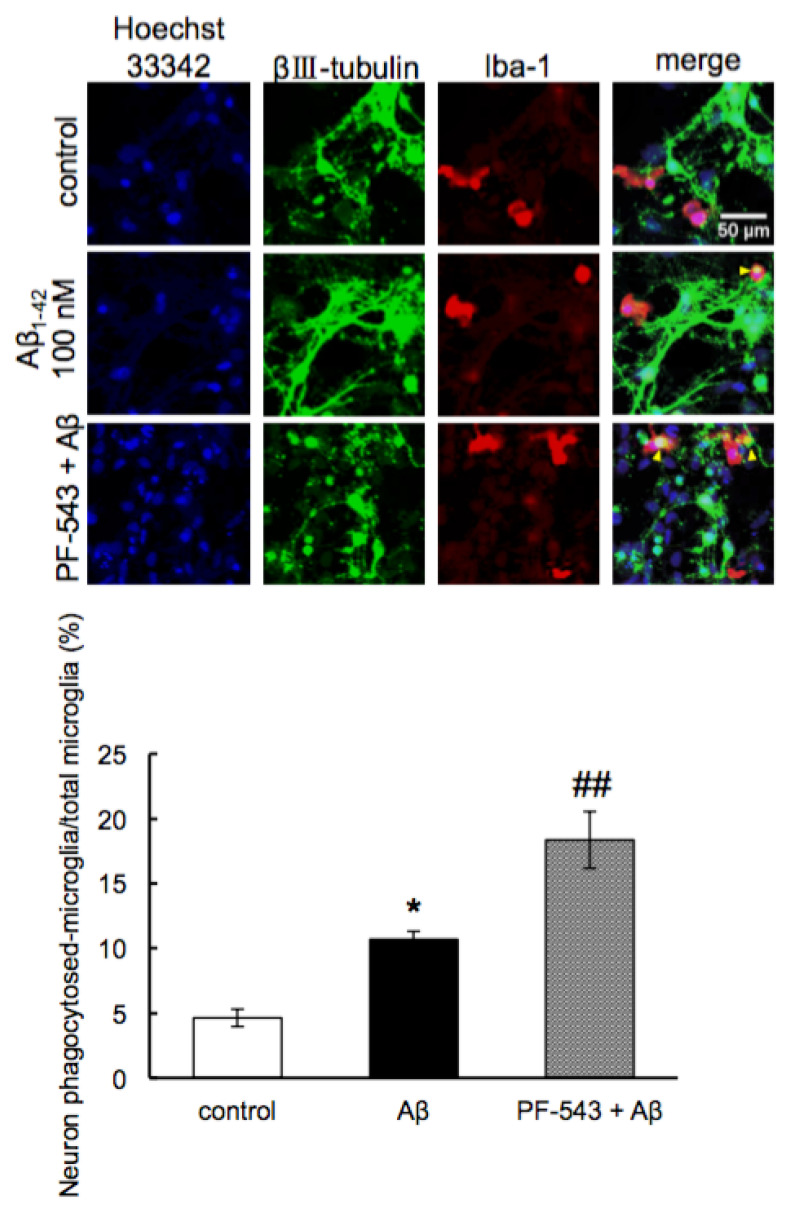 Figure 10
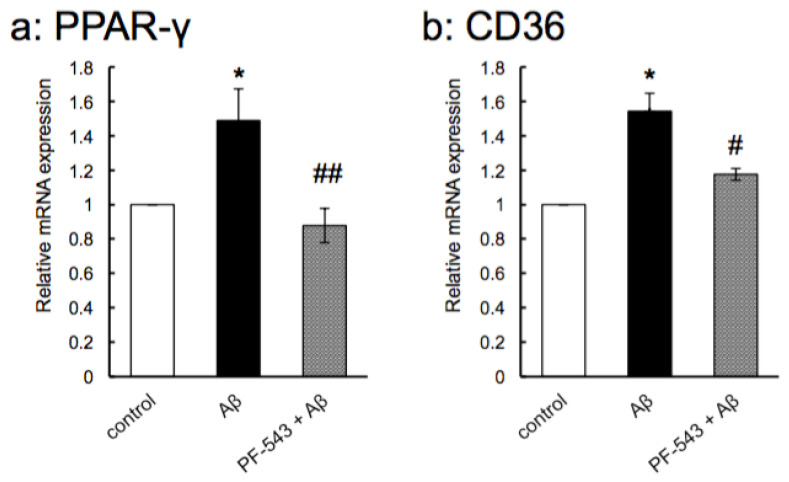 Figure 11
 Figure 12
Peer Reviews
No public reviews on file for this paper yet. If you reviewed it on a platform where reviews are public (OpenReview, ICLR, NeurIPS, ICML), you can paste yours below so the community can read it here.
Videos
No videos yet. Explain this paper in a talk, walkthrough, or lecture? Add one.
Taxonomy
TopicsNuclear Materials and Properties · Nuclear reactor physics and engineering · Fusion materials and technologies