Revealing detrimental effects of various DC electrical energy conditions on different multidrug resistant bacteria: a comprehensive study
Mamdouh M. Shawki, Hadeel S. El-Shall, Maisa E. Moustafa, Kamal Y. S. Atay, Amel G. Elsheredy, Marwa M. Eltarahony

TL;DR
This study shows that direct current electricity can effectively reduce multidrug-resistant bacteria by damaging their cells and decreasing antibiotic resistance.
Contribution
The study demonstrates the dose-dependent effectiveness of DC energy in reducing MDR bacteria and impairing their antibiotic resistance.
Findings
Exposure to 140 J of DC energy reduced bacterial counts by over 78% in Gram-negative bacteria and 47–73% in Gram-positive bacteria.
DC treatment impaired antibiotic resistance of the tested strains by more than 64.2%.
Electric energy caused cell wall deterioration and loss of membrane integrity, as indicated by protein and enzyme activity changes.
Abstract
The arbitrary discharge of contaminated wastes, especially that encompass multidrug resistant microbes (MDR), would broaden the circle of epidemic diseases such as COVID-19, which in turn deteriorate definitely the whole socioeconomics. Therefore, the employment of electrical stimulation techniques such as direct current (DC) with low energy considers being effective tool to impede spontaneous changes in microbial genetic makeup, which increases the prevalence of MDR phenomenon. Herein, the influence of different electric energies generated by DC electric field, volts and time on MDR-bacteria that are categorized among the highly ranked nosocomial pathogens, was scrutinized. Wherein, Pseudomonas aeruginosa, Escherichia coli, Staphylococcus aureus and Enterococcus faecalis were examined as paradigms of Gram-negative and Gram-positive pathogens. The results declared the significant…
Genes, proteins, chemicals, diseases, species, mutations and cell lines named across the full text — each resolved to its canonical identifier and authoritative record.
Click any figure to enlarge with its caption.
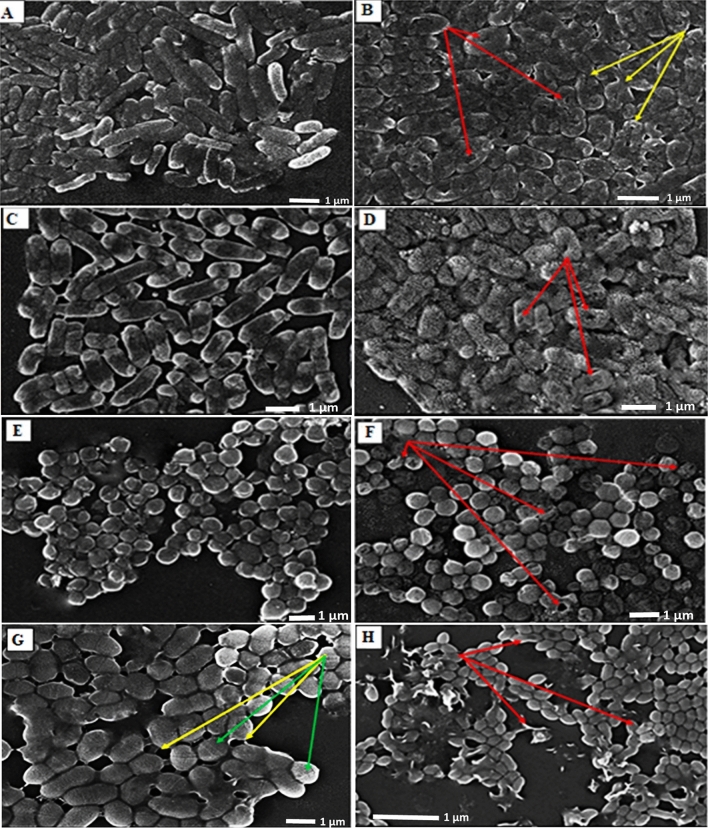 Figure 10
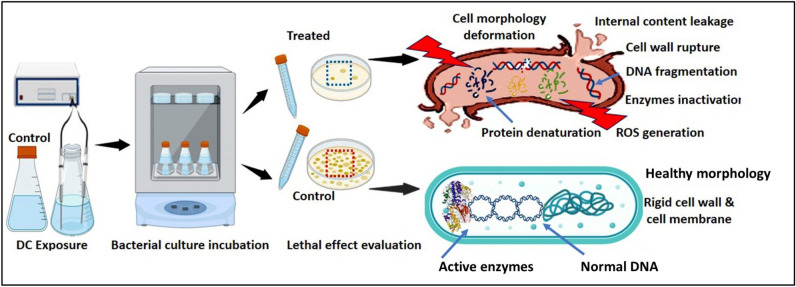 Figure 11
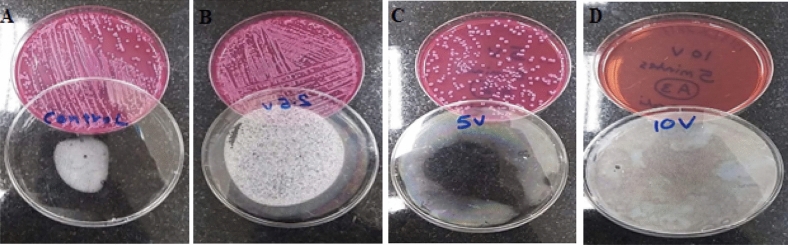 Figure 1
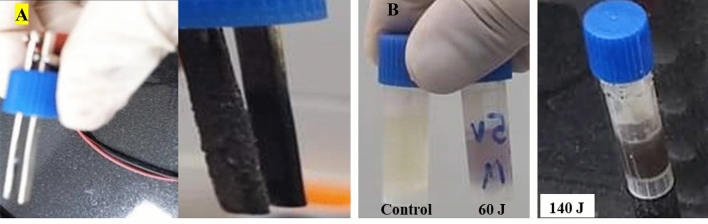 Figure 2
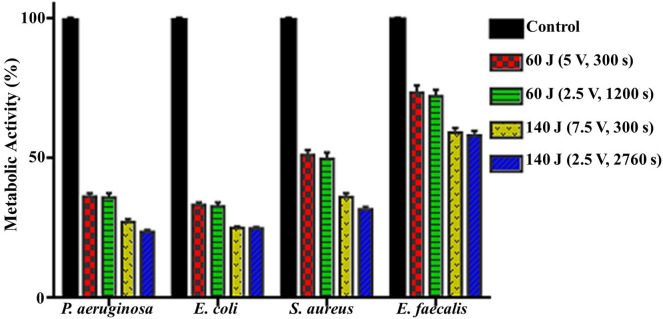 Figure 3
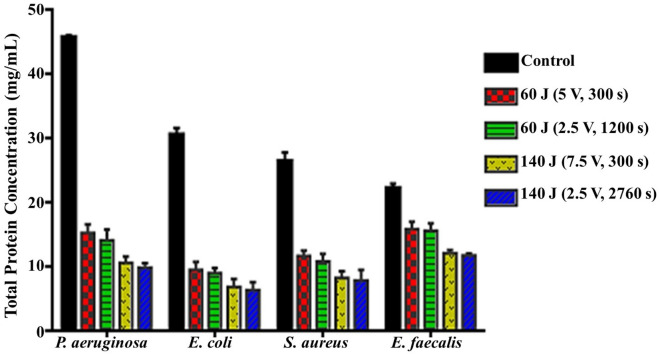 Figure 4
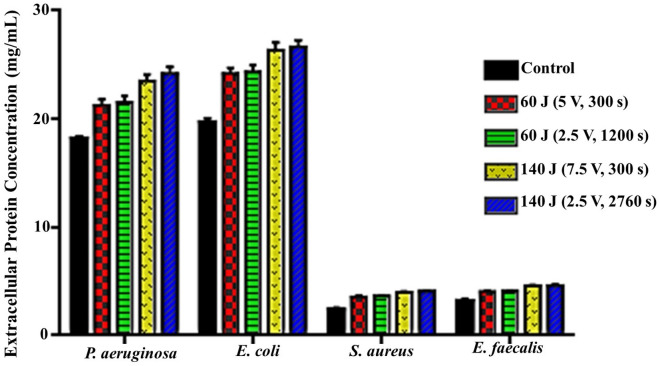 Figure 5
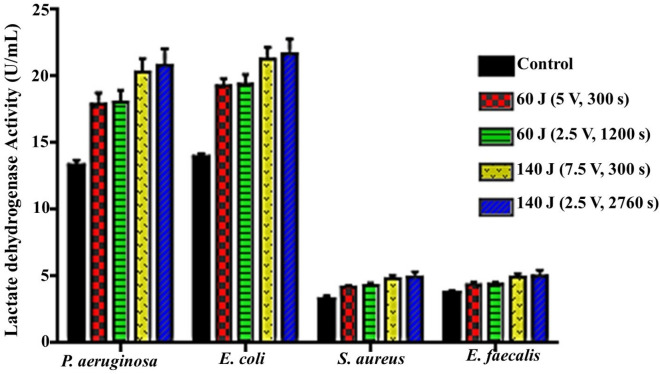 Figure 6
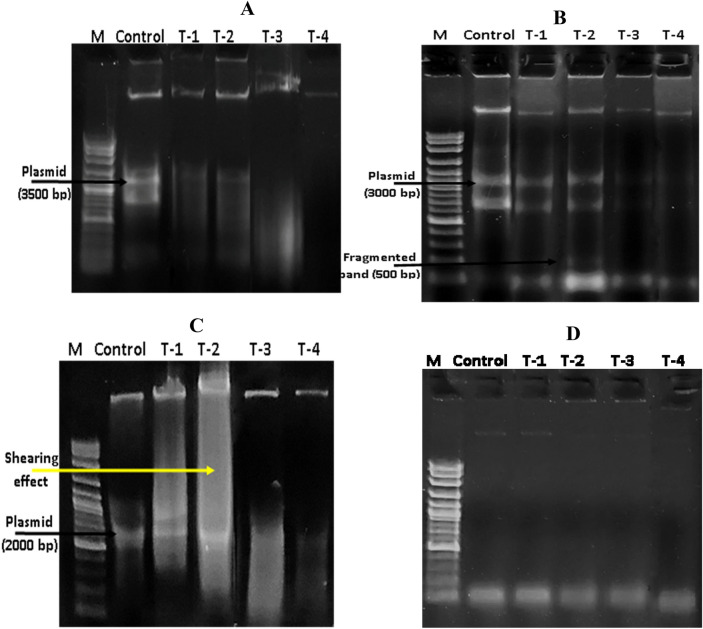 Figure 7
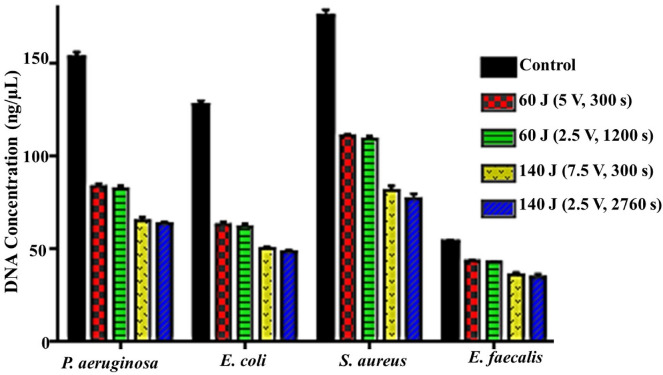 Figure 8
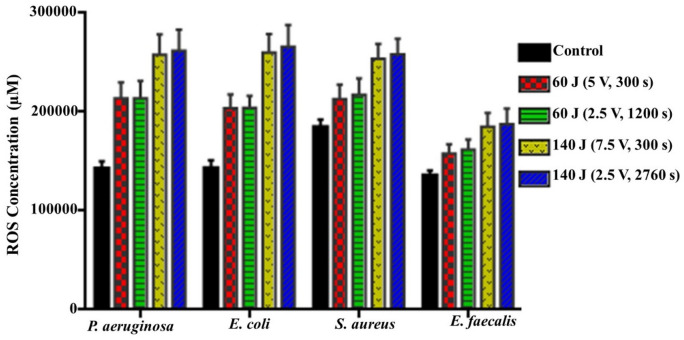 Figure 9
Peer Reviews
No public reviews on file for this paper yet. If you reviewed it on a platform where reviews are public (OpenReview, ICLR, NeurIPS, ICML), you can paste yours below so the community can read it here.
Videos
No videos yet. Explain this paper in a talk, walkthrough, or lecture? Add one.
Taxonomy
TopicsLinguistics and language evolution · Medieval Literature and History