Atrioventricular Ring Tachycardias: Atypical Fast-Slow Atrioventricular Nodal Reentrant Tachycardia and Atrial Tachycardia Share a Common Arrhythmogenic Substrate—A Unifying Proposal
Yoshiaki Kaneko, Shuntaro Tamura, Takashi Kobari, Hiroshi Hasegawa, Tadashi Nakajima, Hideki Ishii

TL;DR
This paper proposes a new classification for certain heart rhythm disorders, suggesting they share a common heart tissue structure.
Contribution
The paper introduces the term 'AV ring tachycardia' to unify different types of tachycardias with a shared arrhythmogenic substrate.
Findings
Variants of slow pathway and atypical AV nodal reentrant tachycardia extend beyond Koch’s triangle.
Superior-type fast-slow AVNRT mimics adenosine-sensitive atrial tachycardia and can be treated via ablation.
Recent research suggests adult hearts have AV ring tissue around annuli, forming a common arrhythmogenic substrate.
Abstract
Our understanding of the variants of slow pathway (SP) and associated atypical atrioventricular (AV) nodal reentrant tachycardia (NRT) is still growing. We have identified variants extending outside Koch’s triangle along the tricuspid annulus, including superior, superoanterior and inferolateral right atrial SP and associated atypical, fast-slow AVNRT. We review the history of each variant, their electrophysiological characteristics and related atypical AVNRT, and their treatment by catheter ablation. We focused our efforts on organizing the published information, as well as some unpublished, reliable data, and show the pitfalls of electrophysiological observations, along with keys to the diagnosis of atypical AVNRT. The superior-type of fast-slow AVNRT mimics adenosine-sensitive atrial tachycardia originating near the AV node and can be successfully treated by ablation of a…
Genes, proteins, chemicals, diseases, species, mutations and cell lines named across the full text — each resolved to its canonical identifier and authoritative record.
Click any figure to enlarge with its caption.
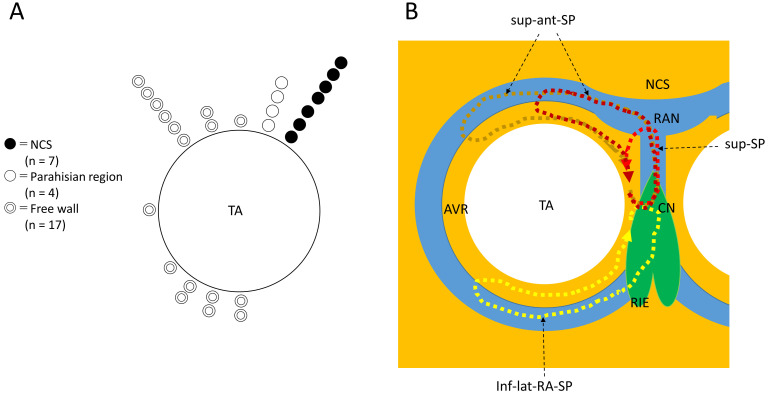 Figure 1
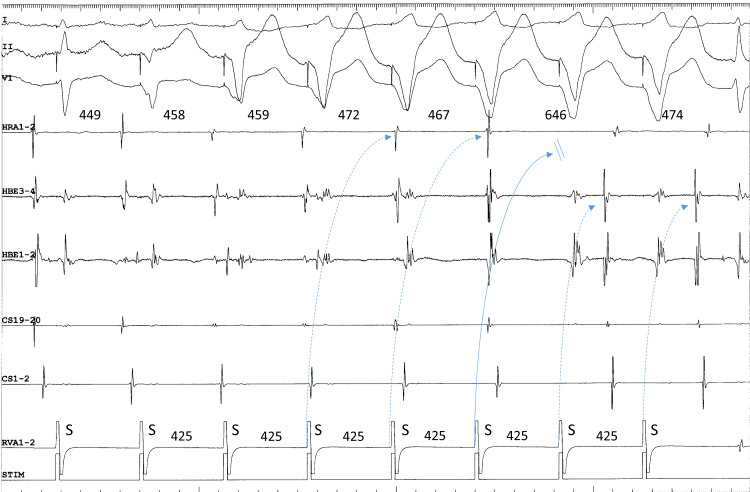 Figure 2
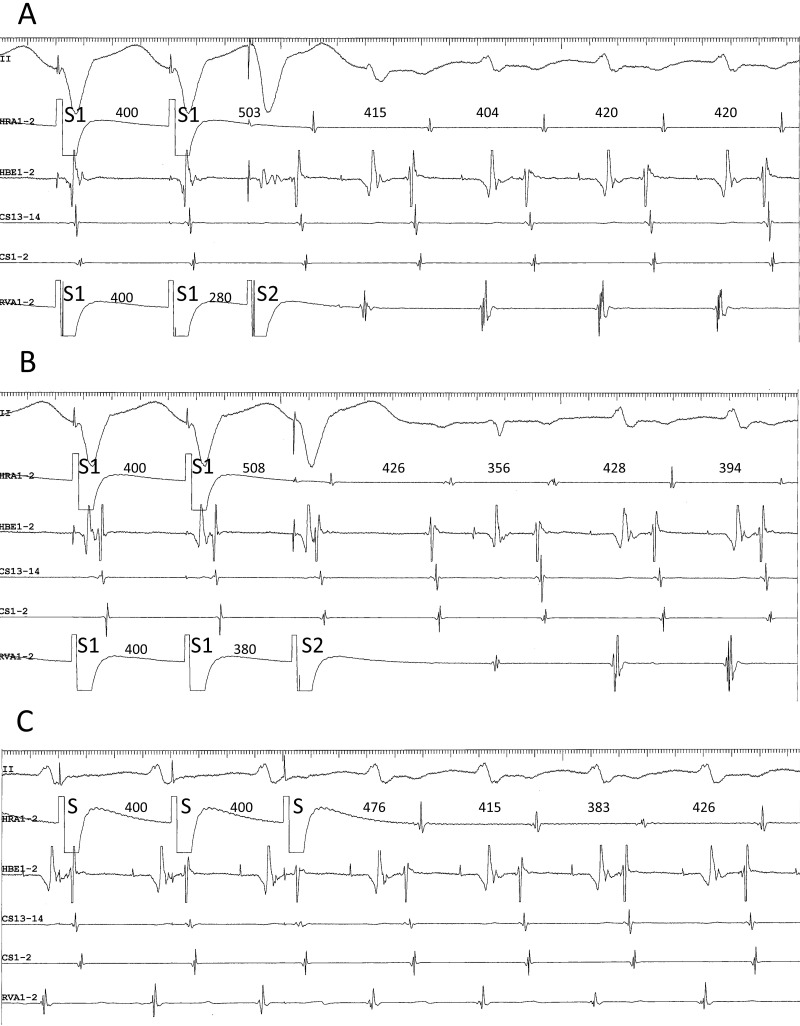 Figure 3
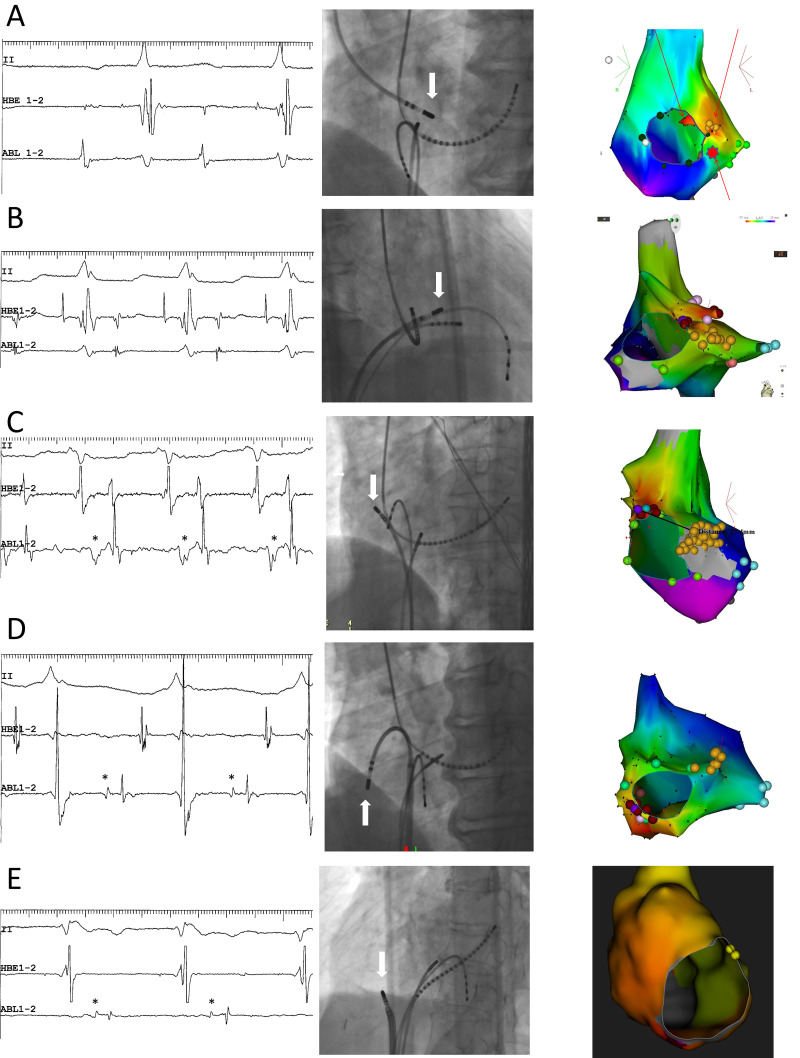 Figure 4
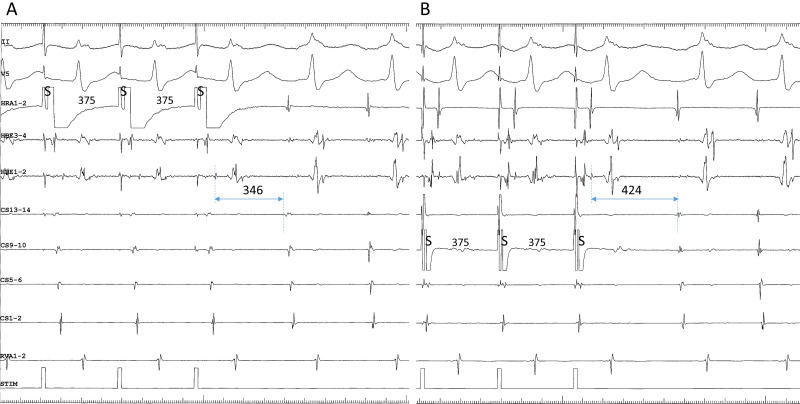 Figure 5
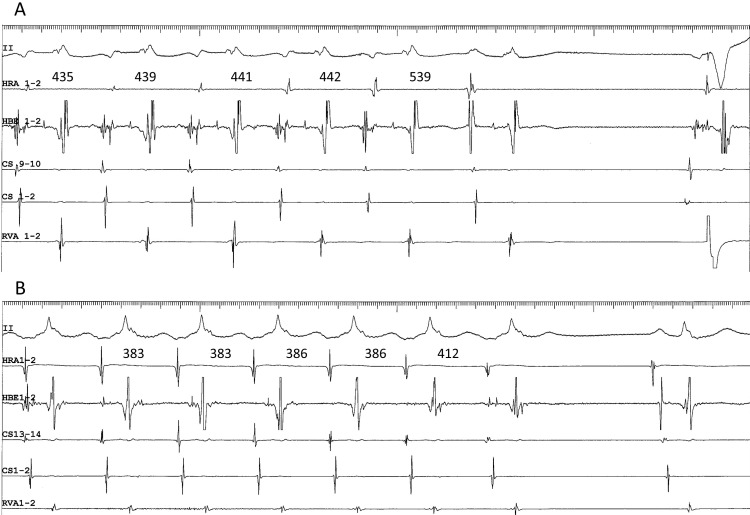 Figure 6
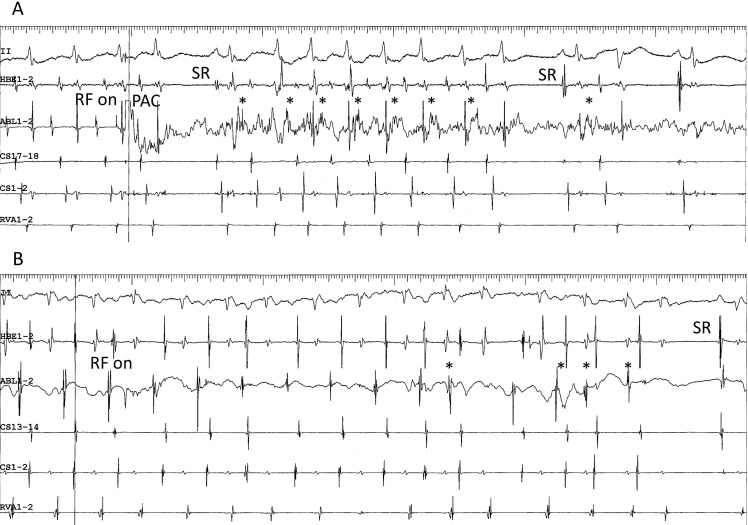 Figure 7
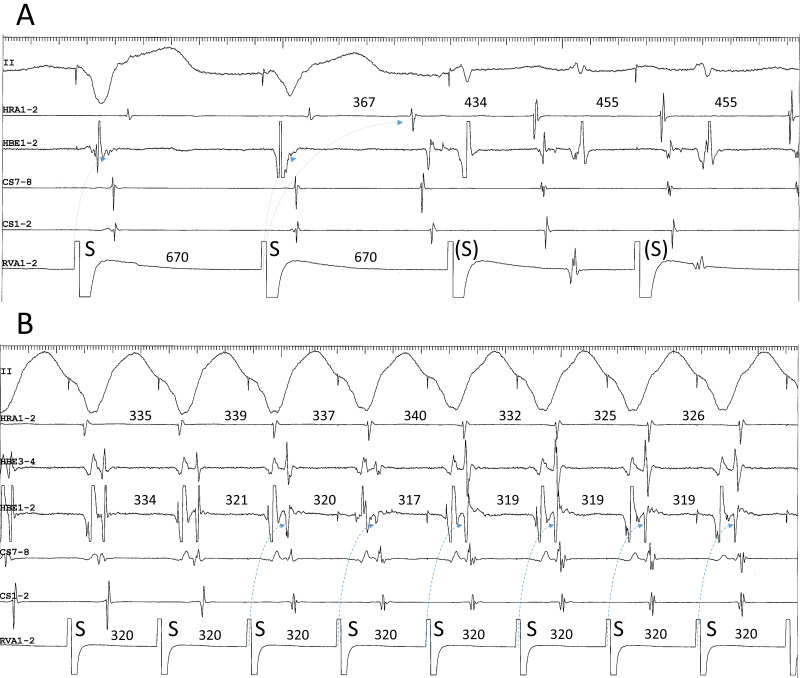 Figure 8
Peer Reviews
No public reviews on file for this paper yet. If you reviewed it on a platform where reviews are public (OpenReview, ICLR, NeurIPS, ICML), you can paste yours below so the community can read it here.
Videos
No videos yet. Explain this paper in a talk, walkthrough, or lecture? Add one.
Taxonomy
TopicsPsychological Treatments and Disorders