Establishment of a Risk Scoring Model for Perioperative Unex-Plained Shock during Percutaneous Coronary Intervention for the Treatment of Chronic Total Occlusion
Zichao Cheng, Hongyu Peng, Wen Jian, Yanci Liu, Haiwei Li, Songyuan He, Yingkai Li, Yuchao Zhang, Yuchen Shi, Jinghua Liu

TL;DR
This study identifies risk factors for unexpected shock during a heart procedure called CTO PCI and creates a model to predict it.
Contribution
A novel risk-scoring model is developed to predict unexplained perioperative shock during CTO PCI procedures.
Findings
Unexplained shock occurred in 4.8% of patients undergoing CTO PCI.
The risk model achieved an unbiased C-index of 0.859, indicating strong predictive accuracy.
Key predictors included baseline systolic pressure, heart rate, hemoglobin, procedure duration, J-CTO score, and retrograde approach use.
Abstract
Several complications can contribute to the risk of shock during the chronic total occlusion (CTO) percutaneous coronary intervention (PCI) procedure. However, some patients that develop shock do not exhibit any apparent complications, and few studies to date have discussed the risk of unexplained perioperative shock in patients undergoing CTO PCI. Accordingly, this study was designed with the goal of defining perioperative risk factors linked to the odds of unexplained shock during CTO PCI. In total, this study analyzed data from 924 patients that underwent CTO PCI without any in-hospital complications from January 2016–August 2021. Cardiologists collected data pertaining to patient clinical characteristics, laboratory findings, angiographic findings, and procedural characteristics. Patients were separated into two groups based upon whether or not they experienced…
Genes, proteins, chemicals, diseases, species, mutations and cell lines named across the full text — each resolved to its canonical identifier and authoritative record.
Click any figure to enlarge with its caption.
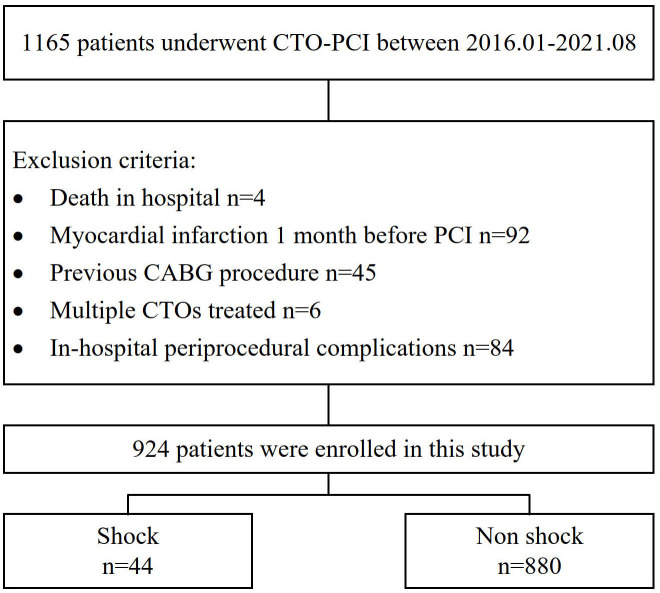 Fig. 1
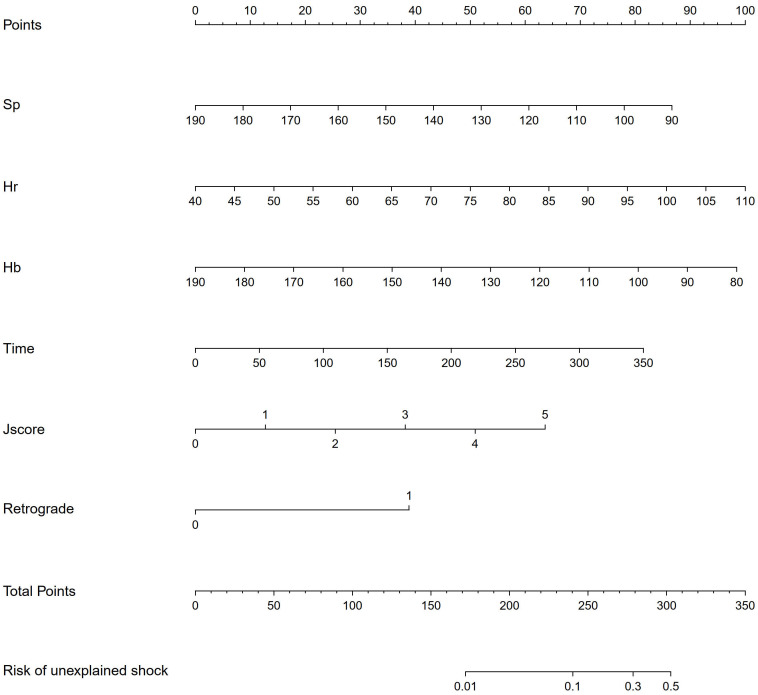 Fig. 2
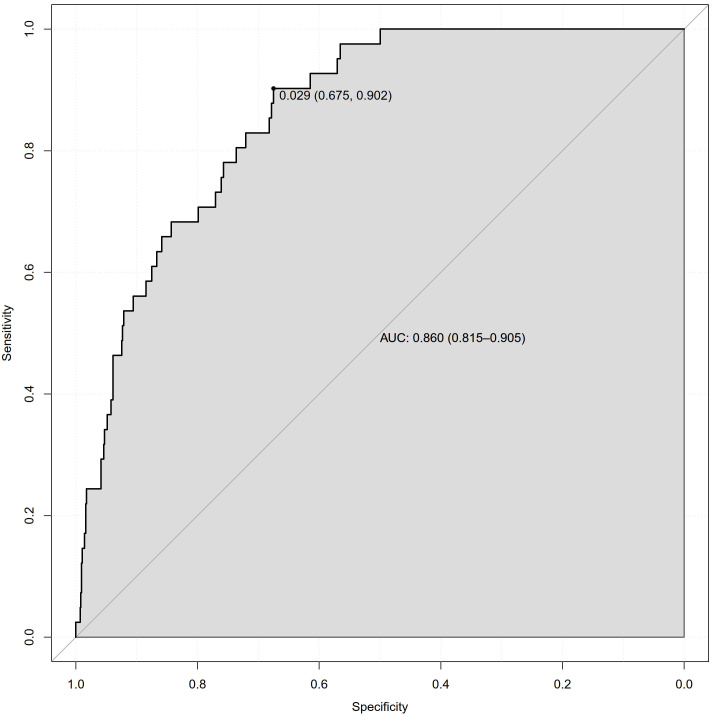 Fig. 3
| Complication | n = 84 |
| No-reflow or slow-flow | n = 2 |
| Arrhythmia requiring treatment | n = 4 |
| Coronary perforation | n = 14 |
| Donor vessel injury | n = 8 |
| Acute thrombosis | n = 2 |
| Vascular access complications | n = 18 |
| Major bleeding* | n = 48 |
| Vascular access complications & bleeding | n = 6 |
| Variable | Overall | Shock | ||
| (n = 924) | Yes (n = 44) | No (n = 880) | ||
| Gender (Female) | 168 (18.4%) | 9 (20.0%) | 159 (18.3%) | 0.689 |
| Age, y | 58.4 | 56.8 | 58.5 | 0.264 |
| BMI, kg/ | 26.4 | 25.3 | 26.5 | 0.049 |
| Baseline systolic pressure, mmHg | 127.9 | 122.8 | 128.1 | 0.029 |
| Baseline diastolic pressure, mmHg | 72.6 | 70.8 | 72.7 | 0.268 |
| Baseline heart rate, /min | 71.9 | 76.1 | 71.7 | 0.022 |
| Hypertension | 636 (69.1%) | 28 (63.6%) | 608 (69.1%) | 0.446 |
| Diabetes mellitus | 326 (35.3%) | 11 (25.0%) | 315 (35.8%) | 0.144 |
| Dyslipidemia | 766 (82.9%) | 34 (77.3%) | 732 (83.2%) | 0.310 |
| Prior stroke | 40 (4.3%) | 0 (0%) | 40 (4.5%) | 0.148 |
| Atrial fibrillation | 10 (1.1%) | 2 (4.5%) | 8 (0.9%) | 0.078 |
| Prior myocardial infarction | 246 (26.6%) | 15 (34.1%) | 231 (26.2%) | 0.251 |
| Prior PCI | 452 (48.9%) | 28 (63.6%) | 424 (48.2%) | 0.045 |
| Current tobacco use | 367 (39.7%) | 16 (36.4%) | 351 (39.9%) | 0.641 |
|
| ||||
| Ejection fraction | 60.1 | 60.3 | 60.1 | 0.586 |
| Ejection fraction | 29 (3.1%) | 0 (0%) | 29 (3.3%) | 0.392 |
| Ejection fraction | 92 (10.0%) | 3 (6.8%) | 89 (10.1%) | 0.609 |
| LVEDD | 49.0 | 48.2 | 49.0 | 0.648 |
| LVESD | 32.8 | 32.8 | 32.8 | 0.263 |
| Ventricular aneurysm | 42 (4.5%) | 0 (0%) | 42 (4.8%) | 0.260 |
| Valvular regurgitation (moderate-severe) | 42 (4.5%) | 5 (11.4%) | 37 (4.2%) | 0.044 |
|
| ||||
| Aspirin | 924 (100%) | 44 (100%) | 880 (100%) | - |
| Clopidogrel | 679 (73.9%) | 30 (68.2%) | 649 (73.7%) | 0.414 |
| Ticagrelor | 245 (26.5%) | 14 (31.8%) | 231 (26.3%) | 0.414 |
| ACEI/ARB | 436 (47.2%) | 17 (38.6%) | 419 (47.6%) | 0.244 |
| 599 (64.8%) | 33 (75.0%) | 566 (63.2%) | 0.148 | |
| Nitrates | 713 (77.2%) | 35 (79.5%) | 678 (77.0%) | 0.700 |
| Calcium channel blocker | 274 (29.7%) | 12 (27.3%) | 262 (29.8%) | 0.723 |
| Loop diuretics | 108 (11.7%) | 5 (11.4%) | 103 (11.7%) | 0.945 |
| Statin | 898 (97.2%) | 44 (100%) | 854 (97.0%) | 0.247 |
| Aldosterone receptor antagonist | 58 (6.3%) | 4 (9.1%) | 54 (6.1%) | 0.350 |
| Oral anticoagulants | 12 (1.3%) | 2 (4.5%) | 10 (1.1%) | 0.108 |
| Low molecular heparin | 123 (13.3%) | 7 (15.9%) | 116 (13.2%) | 0.603 |
| Variable | Overall | Shock | ||
| (n = 924) | Yes (n = 44) | No (n = 880) | ||
| WBC, | 6.9 | 6.8 | 6.9 | 0.319 |
| Baseline RBC, | 4.6 | 4.4 | 4.6 | 0.021 |
| Post operation RBC, | 4.4 | 3.9 | 4.4 | 0.000 |
| Baseline Hb, g/L | 140.5 | 135.8 | 140.8 | 0.030 |
| Post operation Hb, g/L | 132.4 | 120.0 | 133.2 | 0.000 |
| 8.0 | 15.6 | 7.6 | 0.000 | |
| PLT, 109/L | 217.9 | 217.0 | 217.9 | 0.736 |
| Creatinine, mg/mL | 0.83 | 0.81 | 0.84 | 0.646 |
| TC, mmol/L | 4.5 | 10.4 | 4.3 | 0.485 |
| TG, mmol/L | 1.8 | 1.5 | 1.8 | 0.050 |
| HDL-C, mmol/L | 1.0 | 0.9 | 1.0 | 0.357 |
| LDL-C, mmol/L | 2.2 | 2.0 | 2.2 | 0.040 |
| Hs-CRP, mg/L | 3.4 | 1.8 | 3.5 | 0.168 |
| D-dimer, ng/mL | 129.0 | 120.9 | 129.4 | 0.294 |
| BNP, pg/mL | 100.8 | 86.6 | 101.6 | 0.472 |
| Variable | Overall | Shock | ||
| (n = 924) | Yes (n = 44) | No (n = 880) | ||
| Procedure time, minute | 91.2 | 144.4 | 88.6 | 0.000 |
|
| ||||
| Left dominant | 56 (6.1%) | 1 (2.3%) | 55 (6.3%) | 0.512 |
| Right dominant | 753 (81.5%) | 39 (88.6%) | 714 (81.1%) | 0.211 |
| Codominant | 115 (12.4%) | 4 (9.4%) | 111 (12.6%) | 0.490 |
| Multivessel lesions | 702 (76.0%) | 34 (77.3%) | 668 (75.9%) | 0.836 |
| Multiple CTO lesions | 59 (6.4%) | 1 (2.3%) | 58 (6.6%) | 0.355 |
| ISR CTO | 86 (9.3%) | 6 (13.6%) | 80 (9.1%) | 0.289 |
|
| ||||
| LAD | 374 (40.5%) | 18 (40.9%) | 356 (40.5%) | 0.952 |
| LCX | 143 (15.1%) | 1 (1.4%) | 142 (16.1%) | 0.013 |
| RCA | 392 (42.4%) | 25 (56.8%) | 367 (41.7%) | 0.048 |
| Side branch at proximal cap | 448 (48.5%) | 24 (54.5%) | 424 (48.2%) | 0.410 |
| Distal cap at bifurcation | 241 (26.1%) | 19 (43.2%) | 222 (25.2%) | 0.008 |
| Proximal segment target | 343 (37.1%) | 23 (52.3%) | 320 (36.4%) | 0.033 |
| Blunt/no stump | 666 (72.1%) | 37 (84.1%) | 624 (70.7%) | 0.069 |
| Moderate/severe tortuosity | 291 (31.5%) | 19 (43.2%) | 272 (30.9%) | 0.087 |
| CTO Length | 648 (70.1%) | 38 (86.4%) | 610 (69.4%) | 0.016 |
| Moderate/severe calcification | 72 (7.8%) | 4 (9.4%) | 68 (7.8%) | 0.770 |
| Prior CTO PCI attempt | 79 (8.5%) | 11 (25.0%) | 68 (7.8%) | 0.001 |
| No interventional collaterals | 48 (5.2%) | 0 (0%) | 48 (5.5%) | 0.162 |
| Bad distal landing zone | 30 (3.2%) | 1 (1.4%) | 29 (3.2%) | 1.000 |
| J-CTO score | 1.9 | 2.5 | 1.9 | 0.000 |
| J-CTO score | 631 (68.3%) | 36 (81.8%) | 595 (67.6%) | 0.048 |
| Use of femoral access | 447 (48.4%) | 30 (68.2%) | 417 (47.4%) | 0.007 |
| Retrograde approach | 136 (14.7%) | 25 (56.8%) | 111 (12.6%) | 0.000 |
| Knuckle technique | 29 (3.1%) | 4 (9.4%) | 25 (2.8%) | 0.044 |
| Externalization technique | 69 (7.5%) | 16 (36.4%) | 53 (6.0%) | 0.000 |
| Reverse-CART technique | 16 (1.7%) | 1 (1.4%) | 15 (1.7%) | 0.545 |
| ADR(Stingray) technique | 11 (1.2%) | 1 (1.4%) | 10 (1.1%) | 0.417 |
| Procedural success | 789 (85.4%) | 39 (88.6%) | 750 (85.2%) | 0.532 |
| Variable | Univariable analysis | Stepwise logistic regression | ||||
| Shock | No shock | Odds ratio | 95% CI | |||
| (n = 44) | (n = 880) | |||||
| BMI, kg/ | 25.3 | 26.5 | 0.049 | |||
| Baseline systolic pressure, mmHg | 122.8 | 128.1 | 0.029 | 0.968 | 0.945–0.991 | 0.007 |
| Baseline heart rate, /min | 76.1 | 71.7 | 0.022 | 1.055 | 1.020–1.091 | 0.002 |
| Baseline Hb, g/L | 135.8 | 140.8 | 0.030 | 0.970 | 0.947–0.994 | 0.015 |
| LDL-C, mmol/L | 2.0 | 2.2 | 0.040 | |||
| Distal cap at bifurcation | 19 (43.2%) | 222 (25.2%) | 0.008 | |||
| Proximal segment target | 23 (52.3%) | 320 (36.4%) | 0.033 | |||
| Prior PCI | 28 (63.6%) | 424 (48.2%) | 0.045 | |||
| Valvular regurgitation (moderate-severe) | 5 (11.4%) | 37 (4.2%) | 0.044 | |||
| Procedure time, minute | 144.4 | 88.6 | 0.000 | 1.008 | 1.002–1.015 | 0.008 |
| J-CTO score | 2.5 | 1.9 | 0.000 | 1.521 | 1.021–2.267 | 0.039 |
| Use of femoral access | 30 (68.2%) | 417 (47.4%) | 0.007 | |||
| Knuckle technique | 4 (9.4%) | 25 (2.8%) | 0.044 | |||
| Retrograde approach | 25 (56.8%) | 111 (12.6%) | 0.000 | 3.252 | 1.426–7.415 | 0.005 |
| LCX target | 1 (1.4%) | 142 (16.1%) | 0.013 | |||
| RCA target | 25 (56.8%) | 367 (41.7%) | 0.048 | |||
| Variable | Odds Ratio | 95% CI | |
| Baseline systolic pressure (per + 10 mmHg) | 0.721 | 0.568–0.915 | 0.007 |
| Baseline heart rate (per + 10 /min) | 1.704 | 1.219–2.381 | 0.002 |
| Baseline Hb (per + 10 g/L) | 0.741 | 0.583–0.943 | 0.015 |
| Procedure time (per + 30 mins) | 1.286 | 1.069–1.548 | 0.008 |
| J-CTO score (per + 1 point) | 1.521 | 1.021–2.267 | 0.039 |
| Use of retrograde approach | 3.252 | 1.426–7.415 | 0.005 |
Peer Reviews
No public reviews on file for this paper yet. If you reviewed it on a platform where reviews are public (OpenReview, ICLR, NeurIPS, ICML), you can paste yours below so the community can read it here.
Videos
No videos yet. Explain this paper in a talk, walkthrough, or lecture? Add one.
Taxonomy
TopicsCoronary Interventions and Diagnostics · Antiplatelet Therapy and Cardiovascular Diseases · Acute Myocardial Infarction Research
1. Introduction
Several new techniques and pieces of equipment have been developed over the past 10 years to overcome to complexities inherent to the chronic total occlusion (CTO) percutaneous coronary intervention (PCI) procedure, thereby improving operative success rates [1, 2]. When successful, CTO PCI can contribute to the alleviation of patient symptoms and prolonged survival [3, 4]. However, the utility of the CTO PCI procedure is limited by the potential for serious complications that can negatively impact patient prognosis [5, 6]. In severe cases, patients may exhibit cardiac or non-cardiac complications that can contribute to the incidence of hypotension and potentially circulatory shock [7]. Despite these risks, hypotension and shock are often not included in lists of procedure-related complications in published studies [2] and scoring systems. In clinical settings, a subset of patients who experience shock do not exhibit any serious CTO PCI complications, and shock can even occur in a subset of patients who undergo successful CTO PCI treatment, necessitating the prolonged use of vasoactive drugs to maintain appropriate blood pressure. No reports to data have described this form of unexplained perioperative shock associated with the CTO PCI procedure. As such, this retrospective study was designed to survey the incidence of unexplained CTO PCI-related shock and to identify associated risk factors.
2. Methods
2.1 Patient Population
This retrospective analysis incorporated data from 1165 consecutive patients that underwent the CTO PCI procedure in Beijing Anzhen Hospital, Capital Medical University from January 2016 to August 2021. Of these patients, 924 were ultimately included in this study based on defined inclusion/exclusion criteria. These patients were separated into two groups based upon they did or did not develop perioperative shock (n = 44 and n = 880, respectively). The study flowchart is shown in Fig. 1, while in-hospital periprocedural complications are detailed in Table 1. The Institutional Review Board of our center approved this study. All CTO PCI procedures were performed by an experienced team of cardiologists.
Flow chart of this study.
2.2 Definitions
Shock was defined as systolic blood pressure (SBP) 90 mmHg for 30 min or the need for supportive intervention to maintain SBP 90 mmHg with evidence of end-organ damage [8]. CTO PCI and related complications were defined based on the 2021 ARC CTO definition [9]. Specifically, CTO was defined as an occlusive coronary lesion with a TIMI (thrombolysis in myocardial infarction) grade of 0 for a minimum of 3 months. Occlusion duration was estimated in-clinic based on patient history of myocardial infarction (MI) in the region of the target vessel, initial angina onset, or comparisons with previous angiograms [9].
CTO PCI technical success was defined by achieving a TIMI grade 2 with antegrade flow in all 2.5-mm distal branches and with 30% residual stenosis of the target CTO lesion upon procedural completion [9]. Procedural success was defined by both technical success and the absence of any in-hospital major adverse cardiovascular events (MACEs, including MI, clinically necessary target vessel revascularization [TVR], or death) [9]. Major bleeding was defined as a 3.0 g/dL decrease in hemoglobin levels or the need for the transfusion of 3 U of whole blood, as per CTO-ARC Consensus recommendations [10]. Operative duration was defined as the time from successful puncture to the completion of the final angiographic evaluation.
2.3 Statistical Analysis
Categorical variables are reported as percentages and were compared via Fisher’s exact test or Pearson chi-square tests, whereas continuous variables are reported as means standard deviation and were compared via Wilcoxon rank-sum tests or t-tests. Independent predictors of unexplained shock risk were predicted through univariate and multivariate logistic regression analyses. A nomogram was constructed based on identified predictors, with the calibration and discriminatory ability of this model being assessed using 1000 bootstrap replicates based on the sample size as used for the final model. Data are reported in the form of odds ratios (ORs) with 95% confidence intervals (CIs). All data were analyzed using SPSS 25.0 (IBM Corp., Chicago, IL, USA.) and R Studio (Version: 4.1.2, Boston, MA, USA), with a two-sided *p * 0.05 as the threshold of significance.
3. Results
3.1 Baseline Patient Characteristics
The majority of patients included in this study were male and of Asian ethnicity. Of these patients 69.1% had hypertension, 48.9% had undergone prior PCI, and 35.6% were diabetic. The mean ejection fraction for these patients was 60.1% 9.1%. Relative to those patients that did not experience shock while undergoing CTO PCI, those patients that did experience shock were more likely to exhibit a lower BMI (p = 0.049), a lower baseline SBP (p = 0.029), a faster baseline heart rate (p = 0.022), to have undergone prior PCI (p = 0.045), and to suffer from moderate-to-severe valvular regurgitation (p = 0.044). For further details regarding patient characteristics, see Table 2.
3.2 Laboratory Examinations
Relative to patients that did not experience shock, those that did experience
shock exhibited lower baseline RBC levels (4.4 0.5 vs. 4.6 0.5,
p = 0.021), postoperative RBC levels (3.9 0.6 vs. 4.4
0.5, *p * 0.001), baseline Hb levels (135.8 14.4 vs. 140.8
14.8, p = 0.030), and postoperative Hb levels (120.0
17.6 vs. 133.2 15.7, *p * 0.001). In the overall patient
cohort, the mean decrease in Hb levels ( Hb) was 8.0 8.7 g/L,
while this decrease was greater among patients that experienced shock (15.6
8.6 vs. 7.6 8.5, *p * 0.001). LDL-C levels were also
significantly lower among patients in the shock group (2.0 1.0 vs. 2.2
0.9, p = 0.040). For further details regarding patient
laboratory findings, see Table 3.
3.3 Angiographic and Procedural Characteristics
Patient angiographic and procedural characteristics are summarized in Table 4. The average operative duration was higher among patients that experienced shock relative to patients that did not (144.4 62.2 vs. 88.6 48.8, *p * 0.001). With respect to CTO target vessels, patients in the shock group exhibited lower LCX ratios (1 [1.4%] vs. 142 [16.1%], p = 0.013), while no differences were observed for other vessels. Patients in the shock group exhibited more complex anatomical features on CTO angiography, and presented with higher rates of distal cap at bifurcation (19 [43.2%] vs. 222 [25.2%], p = 0.008), proximal segment target (23 [52.3%] vs. 320 [36.4%], p = 0.033), CTO length 20 mm (38 [86.4%] vs. 610 [69.4%], p = 0.016), prior attempt (11 [25.0%] vs. 68 [7.8%], p = 0.001, and J-CTO score (2.5 1.0 vs. 1.9 1.1, *p * 0.001). With respect to the CTO PCI operative procedures employed, femoral access (30 [68.2%] vs. 417 [47.4%], p = 0.007), a retrograde approach (25 [56.8%] vs. 111 [12.6%], *p * 0.001), the knuckle technique (4 [9.4%] vs. 25 [2.8%], p = 0.044), and the externalization technique (16 [36.4%] vs. 53 [6.0%], *p * 0.001) were more likely to be employed in the shock group relative to among patients that did not experience shock.
3.4 Risk Scoring Model Development
A multivariate stepwise logistic regression analysis identified six independent predictors of unexplained shock (Table 5), including baseline SBP (OR 0.968, 95% CI: 0.945–0.991), baseline heart rate (OR 1.055, 95% CI: 1.020–1.091), baseline Hb levels (OR 0.970, 95% CI: 0.947–0.994), operative duration (OR 1.008, 95% CI: 1.002–1.015), J-CTO score (OR 1.521, 95% CI: 1.021–2.267), and use of retrograde approach (OR 3.252, 95% CI: 1.426–7.415). Correspondnig adjusted odds ratios are shown in Table 6.
These perioperative predictors were then used to design a nomogram capable of quantifying a given individual’s risk of experiencing unexplained shock (Fig. 2). ROC curves for the final model are shown in Fig. 3, with discrimination having been assessed based on an unbiased C-index estimate of 0.859.
Nomogram predicting the risk of unexplained shock based on dependent factors identified from multivariate logistic regression. Sp, systolic pressure, mmHg (baseline); Hr, heart rate, /min (baseline); HB, hemoglobin, g/L (baseline); Time, Procedure time, minute.
ROC curve based on predicted probabilities obtained from the model. AUC, area-under-the-curve; ROC, receiver operating characteristic.
4. Discussion
Unexplained shock is a potential CTO PCI procedural complication that has been the focus of insufficient study to date. The results of this study indicate that unexplained shock affected ~4.8% of CTO PCI patients, in addition to revealing 6 simple clinical indicators can be used to predict unexplained shock risk. This study is the first to our knowledge to have developed a model for the prediction of unexplained shock during CTO PCI, and these findings may be invaluable for future procedural planning efforts.
In a prior meta-analysis, a 3.1% pooled complication rate was reported for 18,061 cases [2], while a 2.8% complication rate was reported for 1569 hybrid CTO procedures in the PROGRESS registry [11]. The unexplained shock incidence rate for the 924 cases in this study (4.8%) was in line with the CTO complication rates reported previously [2]. This emphasizes the need for CTO operators to take this complication into consideration, given that shock-related data have not been reported for large CTO-related clinical studies such as the OPEN CTO study [12], EXPLORE study [13], and the EuroCTO study [14].
Shock is a clinical state wherein patients exhibit circulatory failure resulting in insufficient cellular oxygen utilization [15]. Shock is diagnosed based on a combination of hemodynamic, biochemical, and clinical findings [15]. Hypotension, which is common in the context of CTO PCI and can arise in response to many different factors, precedes shock [16, 17]. Certain causes of hypotension such as allergic reactions, vasovagal syndrome, guide interference with the aortic valve, or deep guide engagement can be alleviated through basic investigation and appropriate intervention [17]. Severe shock, however, is often caused by complications, and the differential diagnosis for complication-related shock is complex. Hypovolemic shock can arise due to access site complications and bleeding, while coronary complications such as donor vessel injury or perforation can exhibit a sudden and severe onset. When complication-related hypotension develops, it is vital that the underlying complications be rapidly treated to prevent progression to shock [18]. Most such complications are the result of the use of particular intraoperative procedures and techniques. Many different factors can contribute to the incidence of complications, and PROGRESS CTO complications scores offer value in the prediction of CTO PCI procedure-related complications [11]. Many patients suffering from shock, however, do not exhibit any apparent serious complications, with these cases being designated as instances of unexplained shock. Few studies to date have mentioned unexplained or complication-related shock when discussing CTO PCI-related procedural outcomes. As these two forms of shock may be driven by distinct underlying mechanisms, further efforts to differentiate between the two are warranted.
When comparing the two patient groups in this study, significant differences in base-line SBP, heart rate, BMI, and prior PCI were observed. The association between BP control and long-term PCI patient prognosis remains a matter of controversy [19]. However, prior evidence has revealed a link between lower BP at admission and in-hospital prognosis. Shiraish et al. [20] studied a population of Japanese acute MI patients undergoing PCI, and found an SBP 105 mmHg to be linked to a higher risk of in-hospital PCI patient mortality. Analyses of the INVEST study [21] supported a potential J-shaped relationship between SBP and MACE rates, while both SBP 125 mmHg on admission and heart rate 90 bpm are important risk factors associated with the incidence of cardiogenic shock during post-STEMI hospitalization as per the ORBI risk score [22]. Here, decreased BP and high heart rate were both significantly related to the risk of unexplained shock. Several factors may explain these findings. For one, more rapid heart rate on admission is indicative of reduced cardiac reserve [23], such that patients may be less capable of compensating for blood loss or ischemia. In addition, decreased BP on admission may be linked to impaired cardiac function and hypovolemia [24]. While lower body weight has previously been linked to an increased risk of bleeding for individuals from Asian populations [25], BMI failed to offer value in the prediction of unexplained shock in the present study cohort. This may be attributable to the fact that most blood loss in these patients was CTO PCI procedure-related, rather than complication-induced.
As CTO PCI necessitates the utilization of large sheaths and is associated with
a high frequency of dual access, it is associated with a high risk of blood loss
[26]. Procedure-associated blood loss may represent an important cause of
unexplained shock incidence. Here, all cases exhibited a mean decrease in
hemoglobin levels of ~8 g/L (140.5 14.8 to 132.4
16.1), and these decreases were more pronounced in the shock group (140.8
14.8 to 133.2 15.7). Such procedure-related blood loss is in part
attributable to more frequent instrument exchanges from the Y-connector, and
strategies including retrograde wire externalization further exacerbate this risk
[27].
The risk of ischemia is higher for the CTO PCI procedure as compared to conventional PCI [16], in part owing to the use of additional contrast agents and a guiding catheter with a larger diameter. Certain techniques including retrograde PCI can contribute to donor artery or collateral channel ischemia [17]. While these events may not result in serious complications, they do decrease cardiac output. The extent to which these is- chemic risks are impacted following CTO opening remains to be established.
Several studies have identified severe cardiac insufficiency or low LV function (LVEF 30%) as important criteria for high-risk PCI [28]. However, all patients in the present study exhibited an ejection fraction of 40%, potentially owing to the patient selection criteria and adequate OMT therapy employed herein.
J-CTO scores are correlated with CTO complexity, with CTOs exhibiting a J-CTO score 2 being associated with a higher risk of necessitating more complex antegrade techniques and retrograde crossing techniques [29]. Many studies have reported the retrograde approach to be predictive of procedure-related complications [6, 11, 30, 31]. While this retrograde technique is often necessary to ensure high rates of technical success, it is highly complex and associated with the potential for complications including donor vessel ischemia, donor vessel injury, or collateral injury. Moreover, the retrograde approach necessitates a longer target activated clotting time (ACT, 350 s), elevating the potential risk of bleeding. Minimizing the procedure duration when possible is a core tenant of the CTO PCI approach [32], but these complex techniques inevitably prolong the operation time, thereby extending the duration of bleeding and ischemia.
Overall, these findings suggest that a combination of ischemia and blood loss due to a variety of reasons can contribute to the incidence of unexplained shock among patients undergoing the CTO PCI procedure. While these patients may not experience complications in the traditional sense that are directly related to procedural success, efforts to mitigate CTO PCI-related blood loss and ischemia may protect against the incidence of unexplained shock. The risk scoring system developed herein has the potential to aid clinicians performing the CTO PCI procedure by enabling appropriate preoperative planning, arrangement, and strategy adjustment as necessary. The risk of shock for high-risk patients can be mitigated by reducing the operative duration to the greatest extent possible, employing retrograde techniques, and allowing more skilled operators to perform the procedure.
5. Limitations
There are some limitations to this analysis. For one, this was a single-center retrospective study, and the results may thus not be representative of findings for other centers or operators. In addition, the mechanisms underlying unexplained shock were not clarified through this study, and further efforts to delineate these mechanisms may be critical to the treatment or prevention of this potentially serious clinical outcome. Moreover, these results do not offer any insight regarding long-term patient prognosis. Accordingly, we plan to perform future studies examining the mechanisms governing the incidence of unexplained shock and the long-term prognosis of these patients.
6. Conclusions
In summary, these results suggest that baseline systolic pressure, baseline heart rate, baseline hemoglobin levels, operative duration, J-CTO score, and the use of a retrograde approach can be used to predict the incidence of non-complication-related shock in patients undergoing CTO PCI procedures. These findings can be used to facilitate the preoperative evaluation of high-risk patients and corresponding strategy adjustment efforts.
The reference list from the paper itself. Each links out to its DOI / PubMed record.
- 1Christopoulos G Karmpaliotis D Alaswad K Yeh RW Jaffer FA Wyman RM et al Application and outcomes of a hybrid approach to chronic total occlusion percutaneous coronary intervention in a contemporary multicenter US registry International Journal of Cardiology 20151982222282618919310.1016/j.ijcard.2015.06.093PMC 4554818 · doi ↗ · pubmed ↗
- 2Patel VG Brayton KM Tamayo A Mogabgab O Michael TT Lo N et al Angiographic Success and Procedural Complications in Patients Undergoing Percutaneous Coronary Chronic Total Occlusion Interventions: a weighted meta-analysis of 18,061 patients from 65 studies JACC: Cardiovascular Interventions 201361281362335281710.1016/j.jcin.2012.10.011 · doi ↗ · pubmed ↗
- 3Azzalini L Vo M Dens J Agostoni P Myths to Debunk to Improve Management, Referral, and Outcomes in Patients with Chronic Total Occlusion of an Epicardial Coronary Artery The American Journal of Cardiology 2015116177417802643451010.1016/j.amjcard.2015.08.050 · doi ↗ · pubmed ↗
- 4Tajti P Burke MN Karmpaliotis D Alaswad K Werner GS Azzalini L et al Update in the Percutaneous Management of Coronary Chronic Total Occlusions JACC: Cardiovascular Interventions 2018116156252955008810.1016/j.jcin.2017.10.052 · doi ↗ · pubmed ↗
- 5Guan C Yang W Song L Chen J Qian J Wu F et al Association of Acute Procedural Results with Long-Term Outcomes after CTO PCI JACC: Cardiovascular Interventions 2021142782883354153910.1016/j.jcin.2020.10.003 · doi ↗ · pubmed ↗
- 6Riley RF Sapontis J Kirtane AJ Karmpaliotis D Kalra S Jones PG et al Prevalence, predictors, and health status implications of periprocedural compli- cations during coronary chronic total occlusion angioplasty Euro Intervention 201814 e 1199 e 12062980882110.4244/EIJ-D-17-00976 · doi ↗ · pubmed ↗
- 7Brilakis E Chapter 12-Complications. Manual of Chronic Total Occlusion Interventions Academic Press USA 2018367439
- 8Vahdatpour C Collins D Goldberg S Cardiogenic Shock Journal of the American Heart Association 20198 e 0119913094763010.1161/JAHA.119.011991 PMC 6507212 · doi ↗ · pubmed ↗