USP13 ameliorates nonalcoholic fatty liver disease through inhibiting the activation of TAK1
Min Tang, Han Cao, Yunqin Ma, Shuangshuang Yao, Xiaohui Wei, Yijiong Tan, Fang liu, Yongde Peng, Nengguang Fan

TL;DR
USP13 helps reduce nonalcoholic fatty liver disease by blocking TAK1 activation, which could lead to new treatments.
Contribution
Identifies USP13 as a novel regulator of NAFLD through inhibition of TAK1 activation.
Findings
USP13 overexpression reduces lipid accumulation and inflammation in NAFLD models.
USP13 inhibits TAK1 ubiquitination and phosphorylation, dampening inflammation and enhancing insulin signaling.
Targeting the USP13-TAK1 axis shows therapeutic potential for NAFLD treatment.
Abstract
The molecular mechanisms underlying nonalcoholic fatty liver disease (NAFLD) remain to be fully elucidated. Ubiquitin specific protease 13 (USP13) is a critical participant in inflammation-related signaling pathways, which are linked to NAFLD. Herein, the roles of USP13 in NAFLD and the underlying mechanisms were investigated. L02 cells and mouse primary hepatocytes were subjected to free fatty acid (FFA) to establish an in vitro model reflective of NAFLD. To prepare in vivo model of NAFLD, mice fed a high-fat diet (HFD) for 16 weeks and leptin-deficient (ob/ob) mice were used. USP13 overexpression and knockout (KO) strategies were employed to study the function of USP13 in NAFLD in mice. The expression of USP13 was markedly decreased in both in vitro and in vivo models of NAFLD. USP13 overexpression evidently inhibited lipid accumulation and inflammation in FFA-treated L02 cells in…
Genes, proteins, chemicals, diseases, species, mutations and cell lines named across the full text — each resolved to its canonical identifier and authoritative record.
Click any figure to enlarge with its caption.
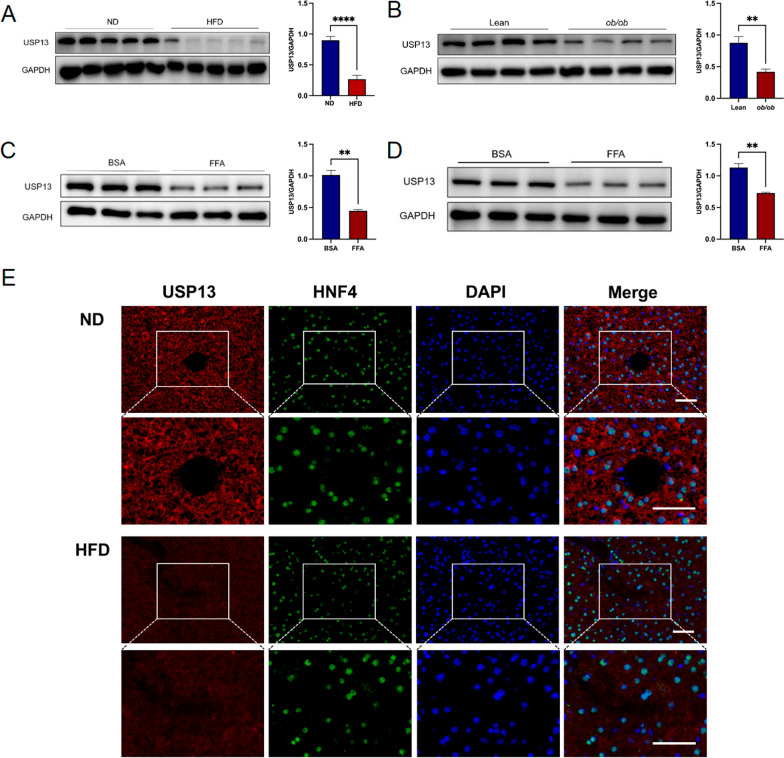 Figure 1
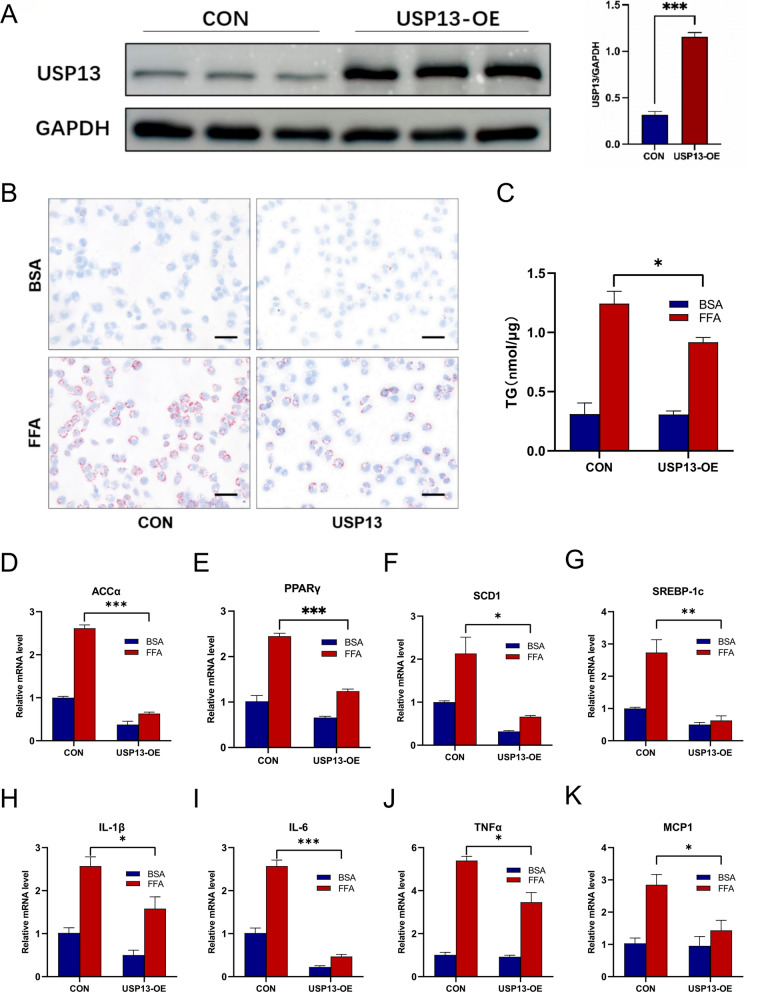 Figure 2
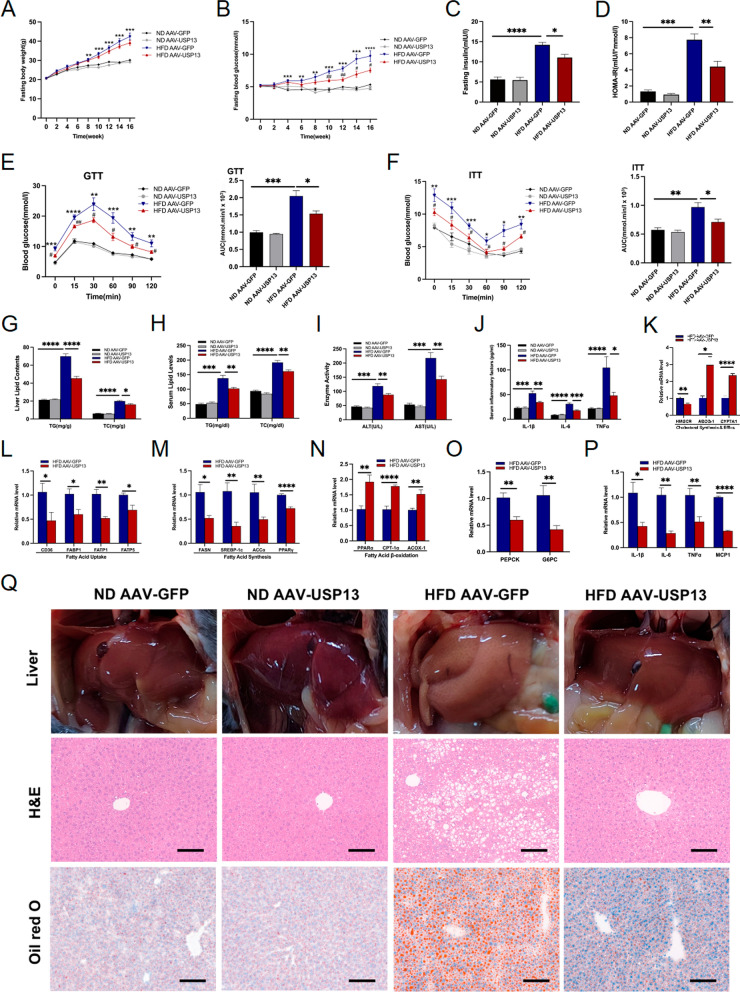 Figure 3
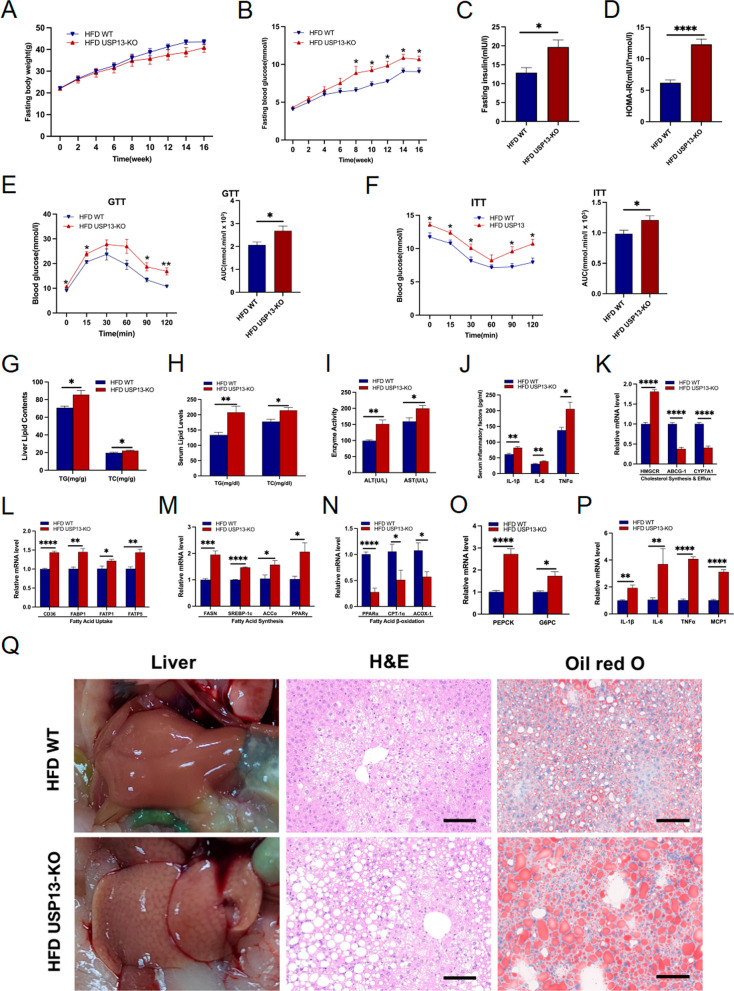 Figure 4
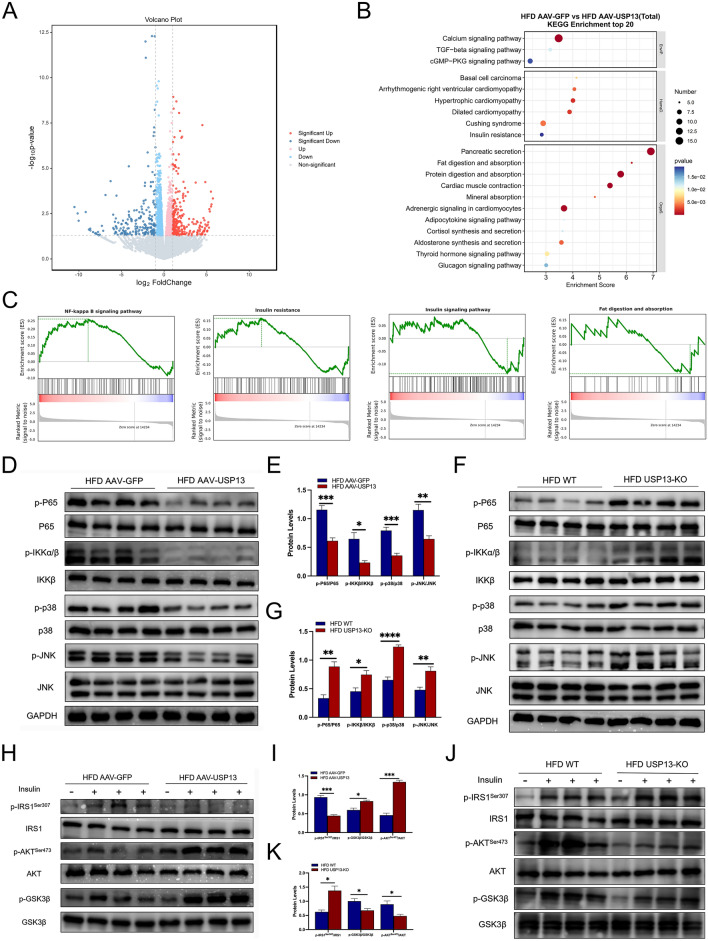 Figure 5
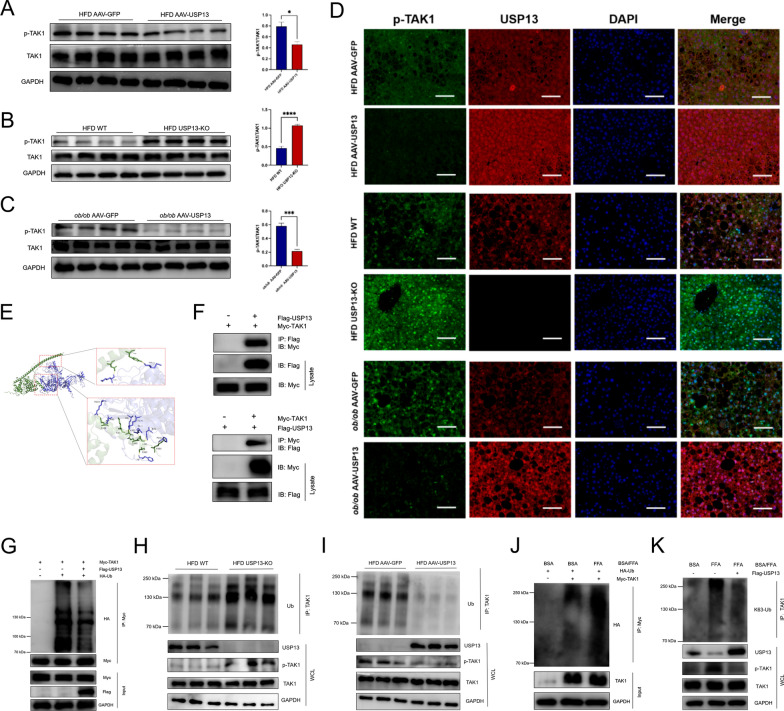 Figure 6
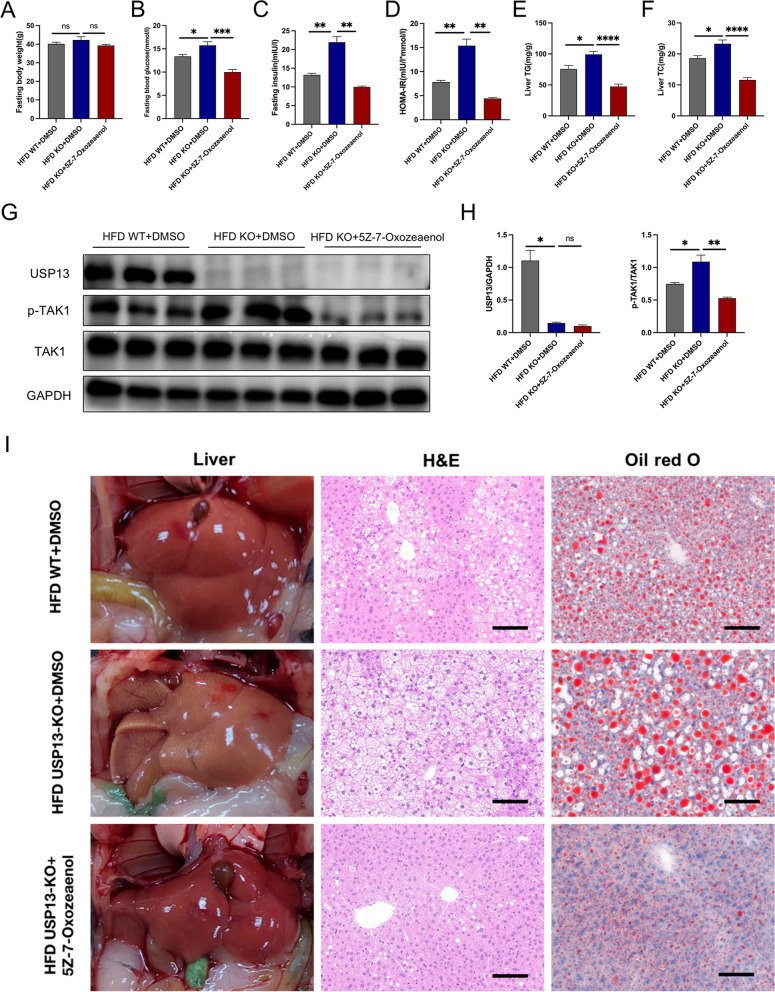 Figure 7
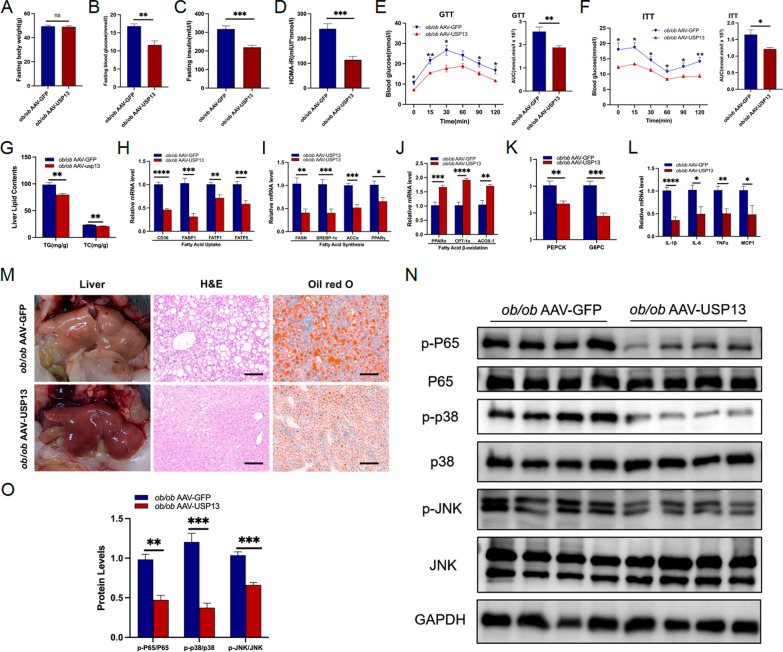 Figure 8
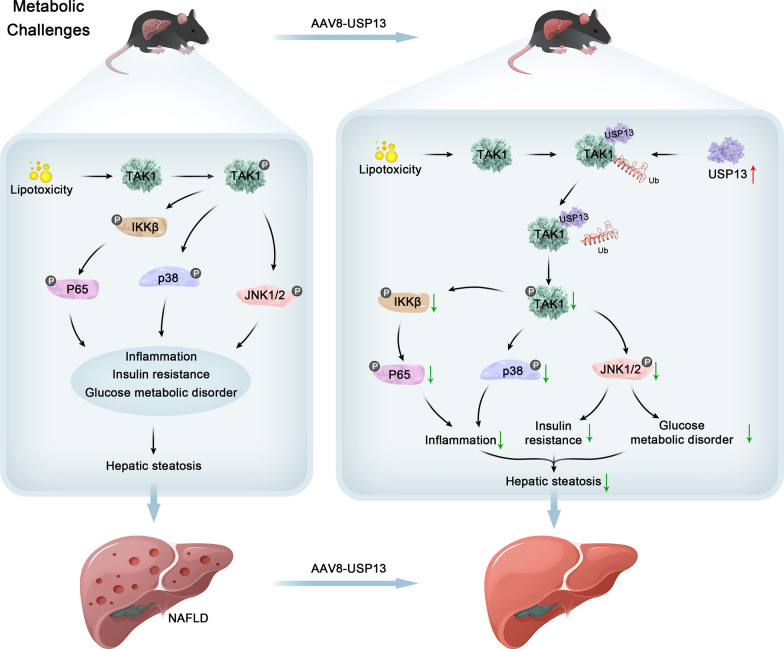 Figure 9
Peer Reviews
No public reviews on file for this paper yet. If you reviewed it on a platform where reviews are public (OpenReview, ICLR, NeurIPS, ICML), you can paste yours below so the community can read it here.
Videos
No videos yet. Explain this paper in a talk, walkthrough, or lecture? Add one.
Taxonomy
TopicsAdvanced Machining and Optimization Techniques · Hydrogen embrittlement and corrosion behaviors in metals · Advanced machining processes and optimization