Comparisons of developmental processes of air-breathing organs among terrestrial isopods (Crustacea, Oniscidea): implications for their evolutionary origins
Naoto Inui, Toru Miura

TL;DR
This study compares how different air-breathing organs develop in three species of land-dwelling crustaceans to understand their evolutionary origins.
Contribution
The study reveals distinct developmental processes behind two types of air-breathing structures in terrestrial isopods, suggesting different evolutionary mechanisms.
Findings
Uncovered lungs in Nagurus okinawaensis develop from epithelium and cuticle around the hemolymph sinus in post-manca stages.
Dorsal respiratory fields in Alloniscus balssi form from lateral protrusions of ventral epithelium immediately after hatching.
Pleopods in Armadilloniscus cf. ellipticus develop thickened cuticle and hemolymph sinus without specialized morphogenesis.
Abstract
The acquisition of air-breathing organs is one of the key innovations for terrestrialization in animals. Terrestrial isopods, a crustacean lineage, can be interesting models to study the evolution of respiratory organs, as they exhibit varieties of air-breathing structures according to their habitats. However, the evolutionary processes and origins of these structures are unclear, due to the lack of information about their developmental processes. To understand the developmental mechanisms, we compared the developmental processes forming different respiratory structures in three isopod species, i.e., ‘uncovered lungs’ in Nagurus okinawaensis (Trachelipodidae), ‘dorsal respiratory fields’ in Alloniscus balssi (Alloniscidae), and pleopods without respiratory structures in Armadilloniscus cf. ellipticus (Detonidae). In N. okinawaensis with uncovered lungs, epithelium and cuticle around…
Genes, proteins, chemicals, diseases, species, mutations and cell lines named across the full text — each resolved to its canonical identifier and authoritative record.
Click any figure to enlarge with its caption.
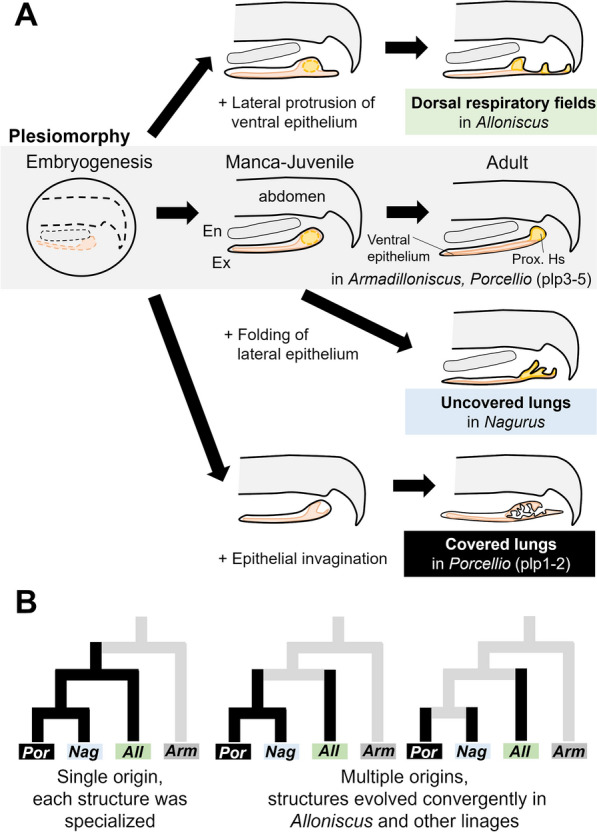 Figure 10
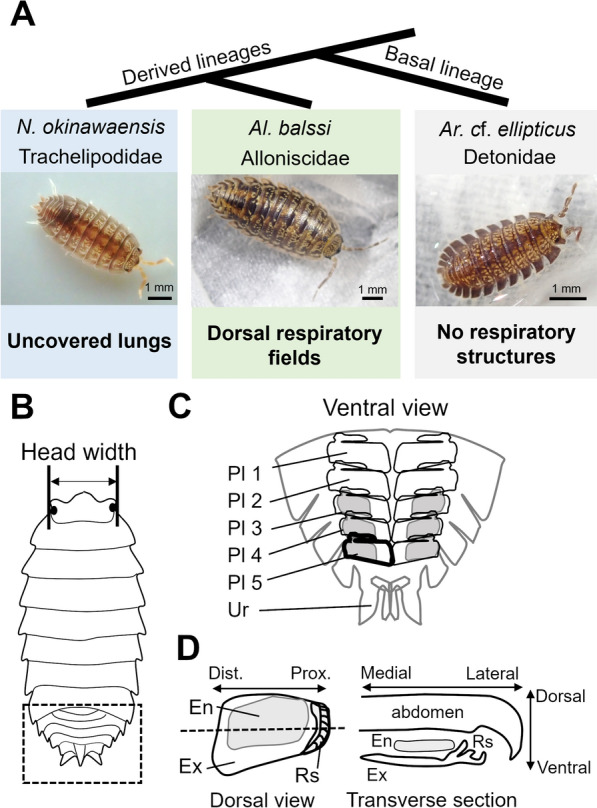 Figure 1
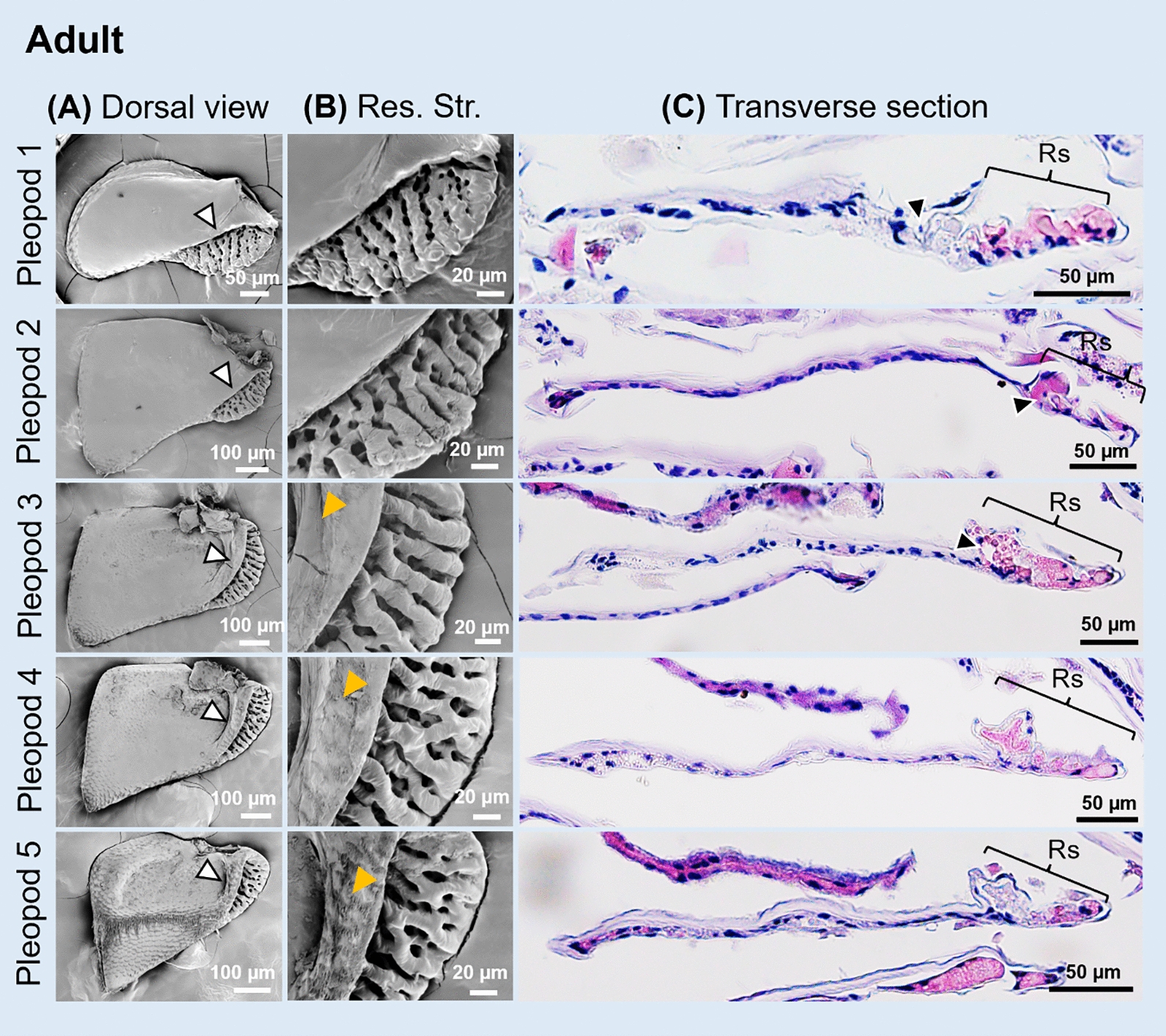 Figure 2
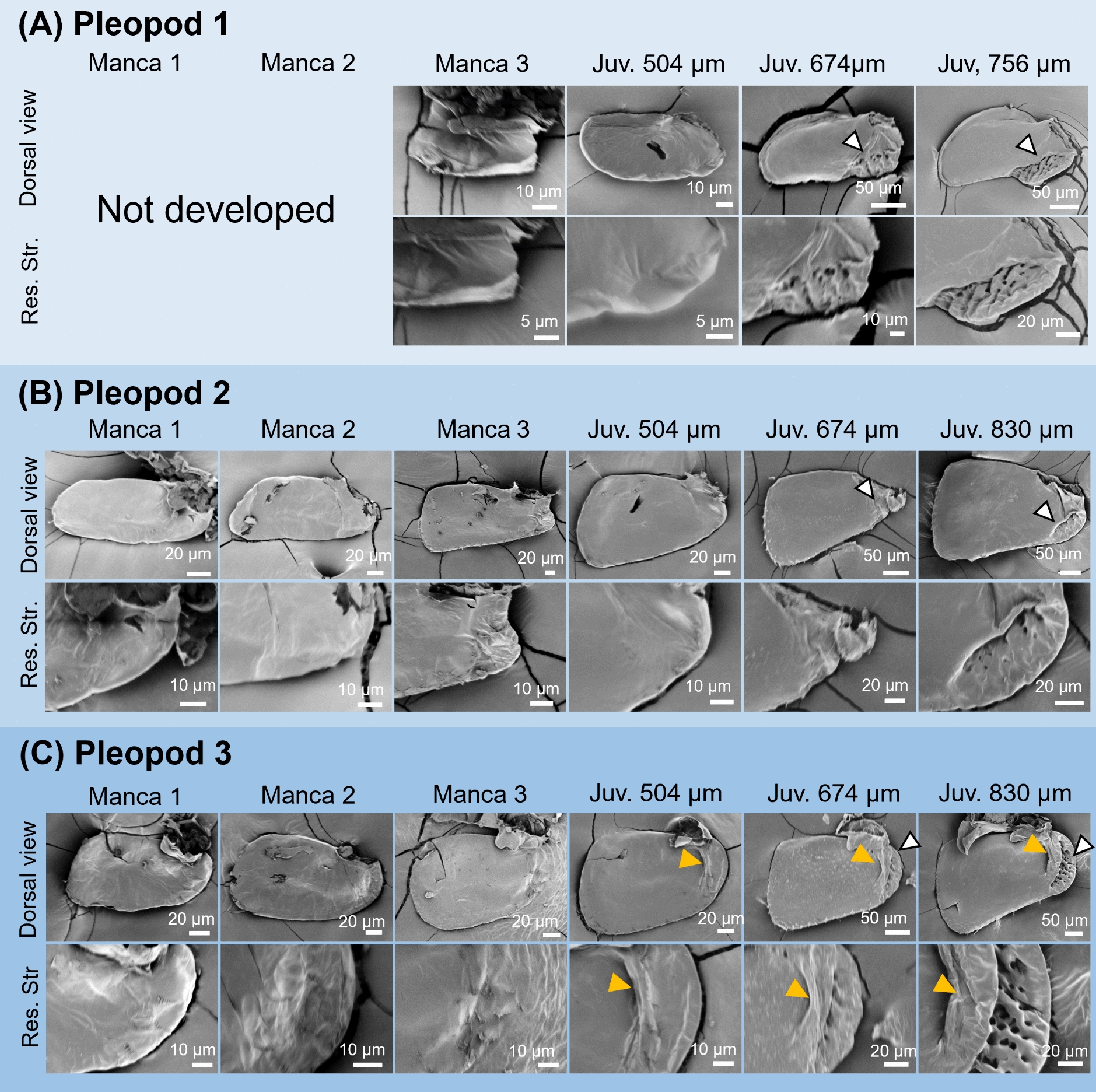 Figure 3
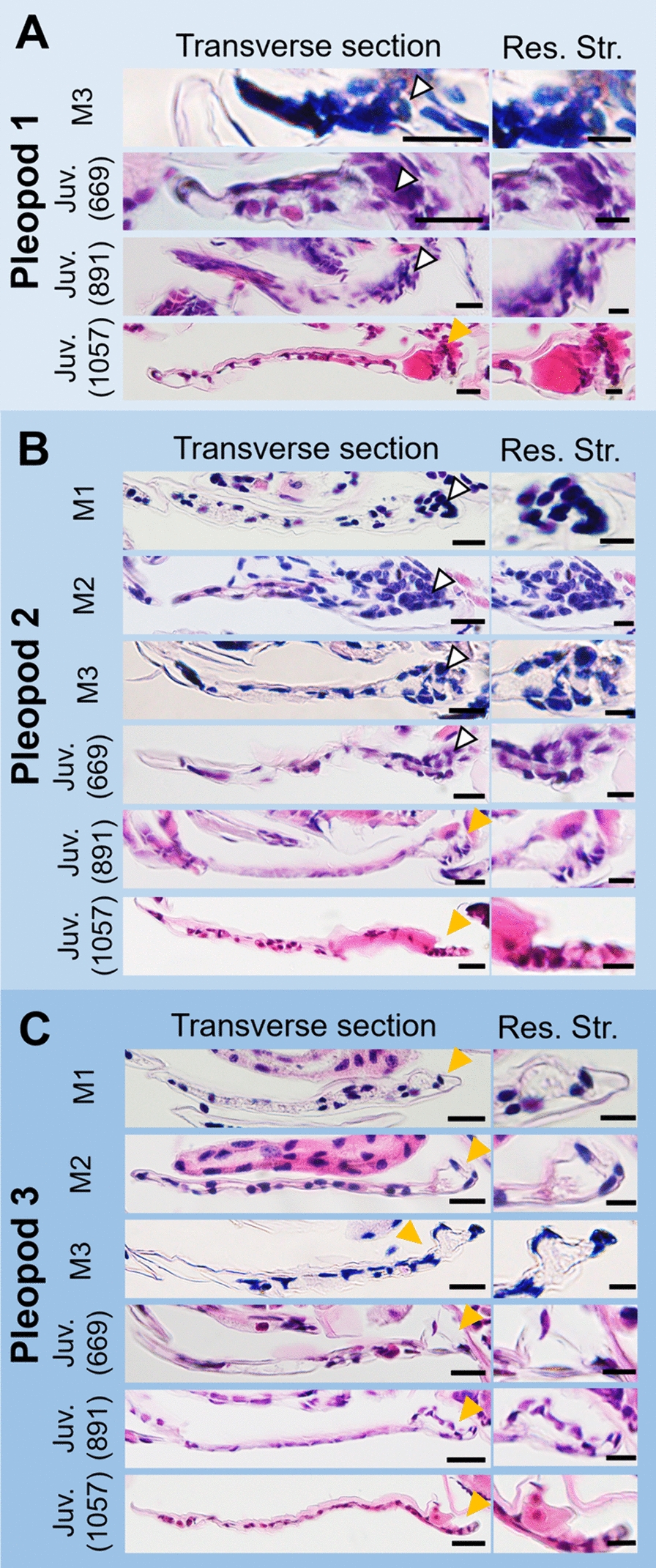 Figure 4
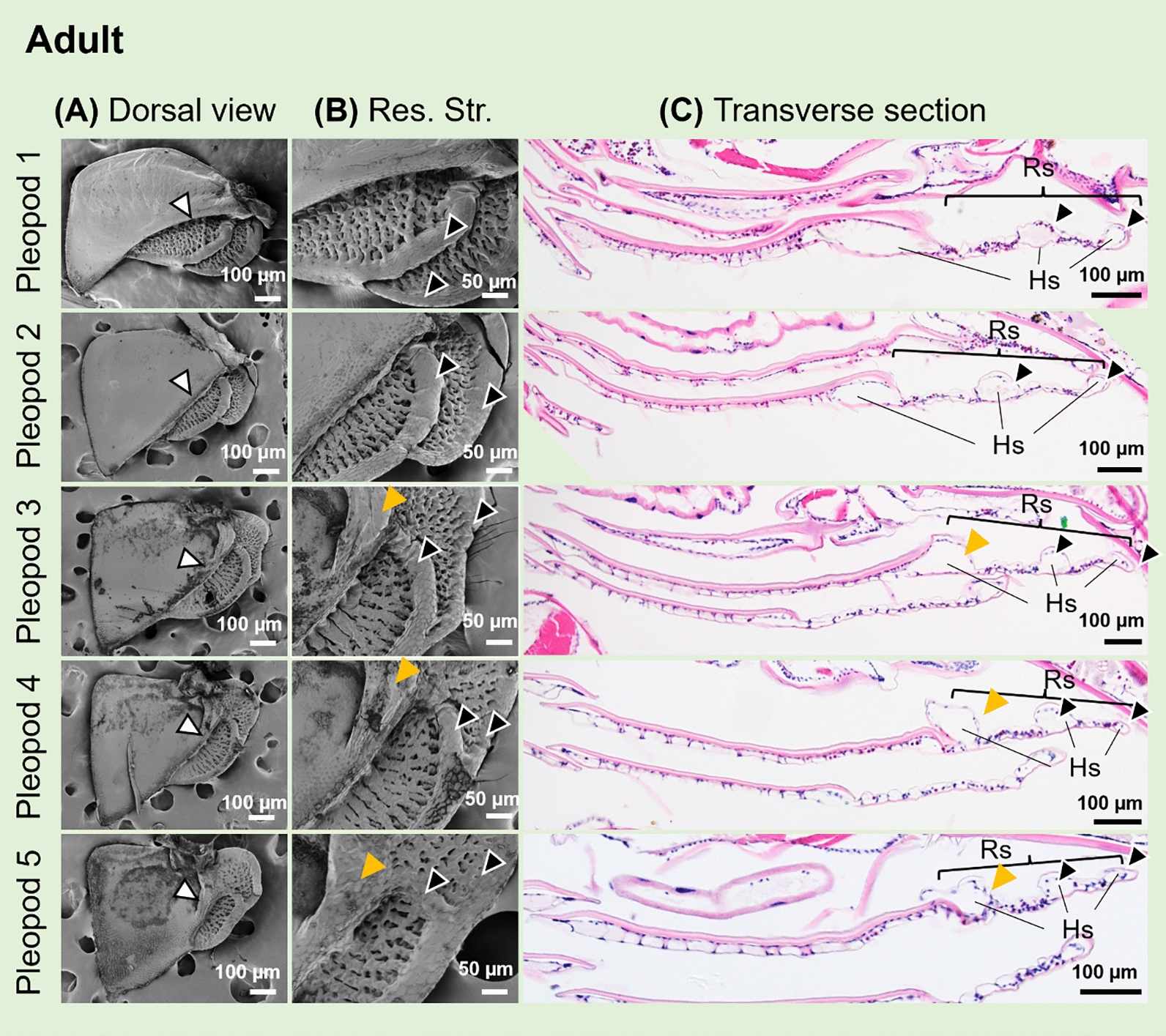 Figure 5
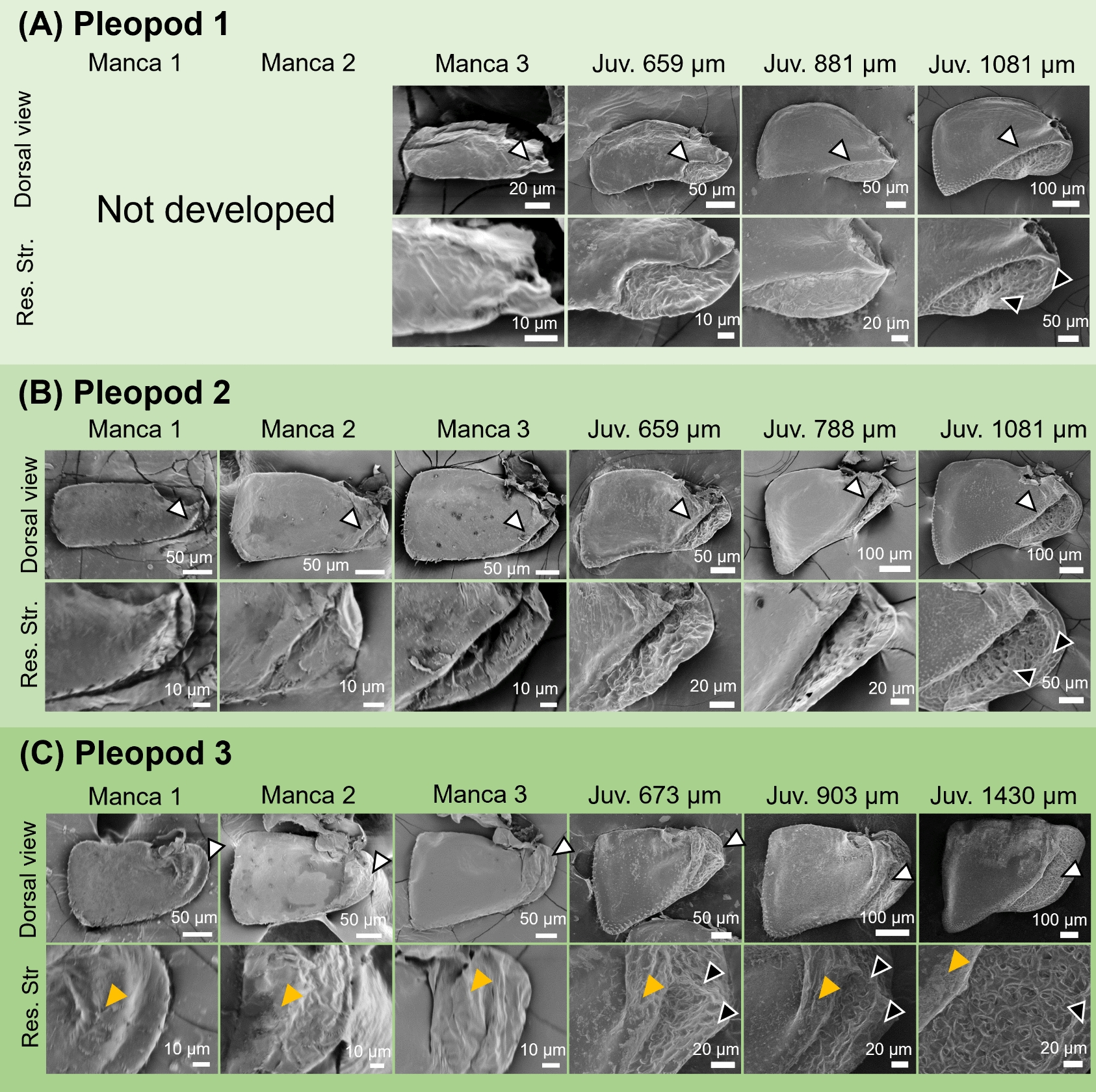 Figure 6
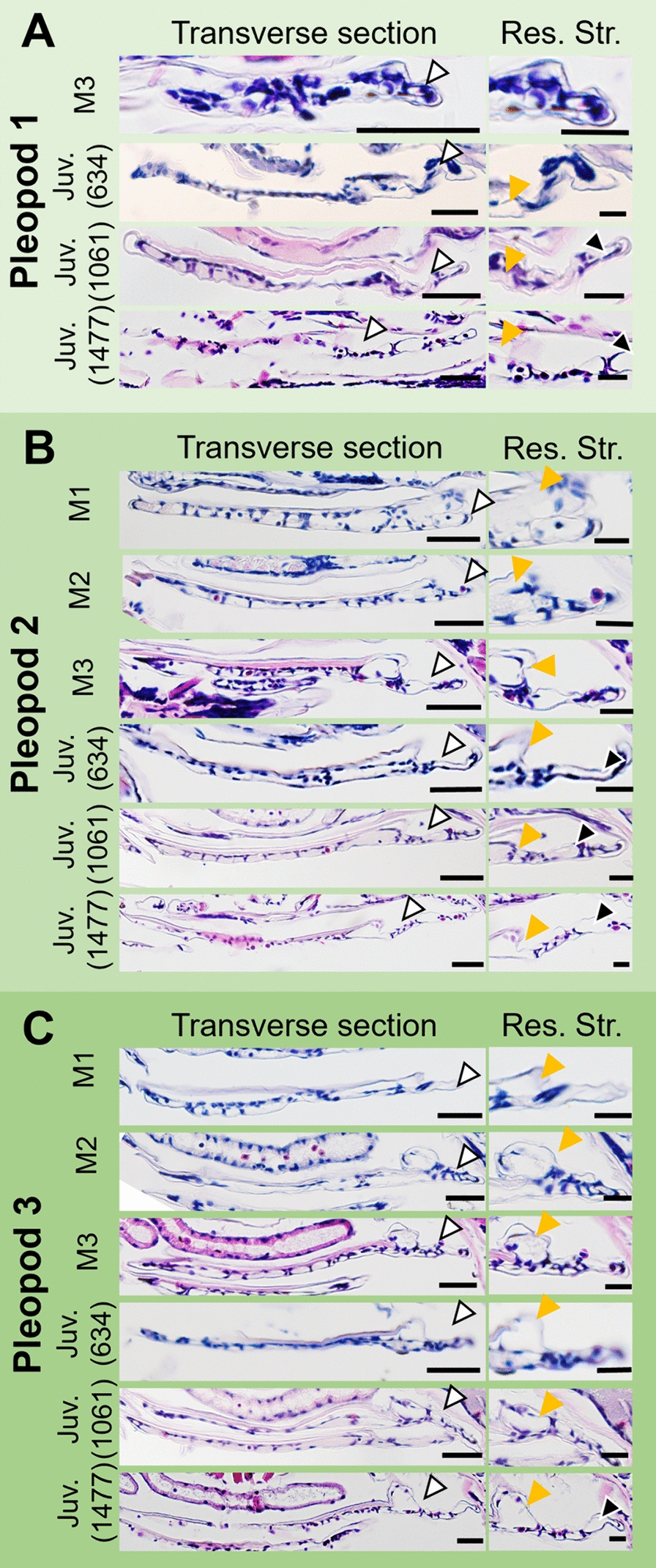 Figure 7
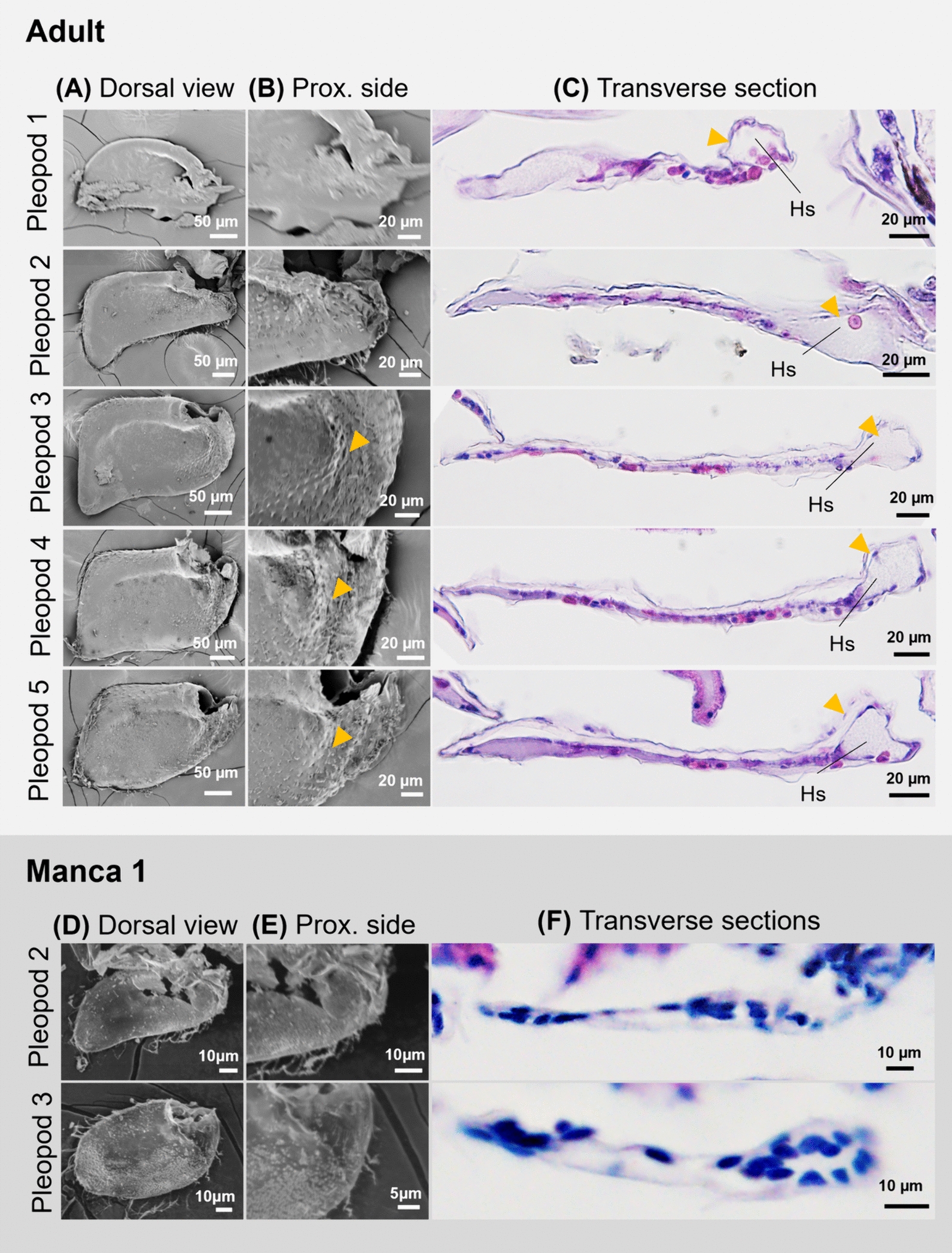 Figure 8
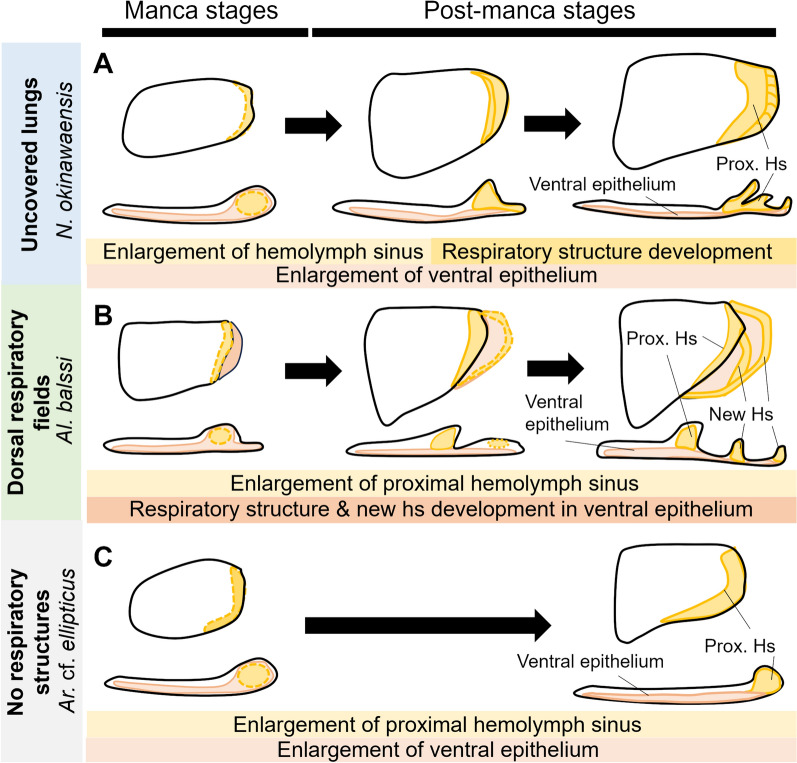 Figure 9
Peer Reviews
No public reviews on file for this paper yet. If you reviewed it on a platform where reviews are public (OpenReview, ICLR, NeurIPS, ICML), you can paste yours below so the community can read it here.
Videos
No videos yet. Explain this paper in a talk, walkthrough, or lecture? Add one.
Taxonomy
TopicsCrustacean biology and ecology · Marine Biology and Ecology Research · Parasite Biology and Host Interactions