Metastatic Gastric Adenocarcinoma in the Inguinal Hernia Sac Diagnosed Radiologically: A Case Report
Ahmed Said Çil, İbrahim Üntan

TL;DR
A rare case of metastatic gastric cancer spreading to the inguinal hernia sac is reported, diagnosed using radiological methods.
Contribution
This case report highlights a rare occurrence of macroscopic tumor implants in the hernia sac following gastric adenocarcinoma.
Findings
Macroscopic tumor implants were found in the hernia sac and scrotum of a patient with a history of gastric adenocarcinoma.
Malignant ascites likely facilitated the spread of cancer cells to the hernia sac.
Radiological imaging was key in diagnosing the tumor implants in this rare clinical scenario.
Abstract
Macroscopic tumor implants in the hernia sac are a very rare condition. They occur as a result of the implantation of malignant cells in the malignant ascites from the inguinal canal to the hernia sac. In this case report, we share the clinical and radiological findings of the macroscopic tumoral implants in the hernia sac at the level of the inguinal canal and scrotum in a male patient aged 65 years with a history of total gastrectomy for gastric adenocarcinoma and developing malignant ascites six months after the surgery.
Genes, proteins, chemicals, diseases, species, mutations and cell lines named across the full text — each resolved to its canonical identifier and authoritative record.
Click any figure to enlarge with its caption.
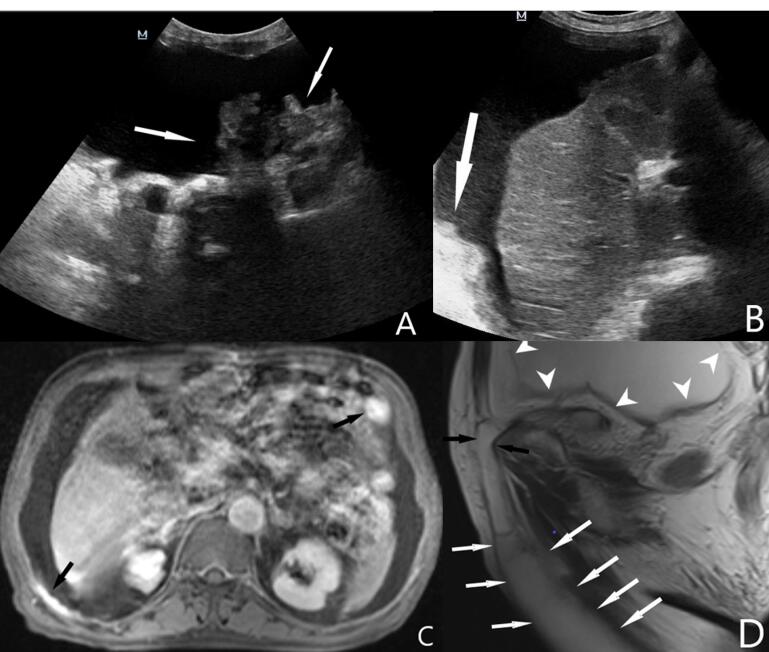 Figure 1
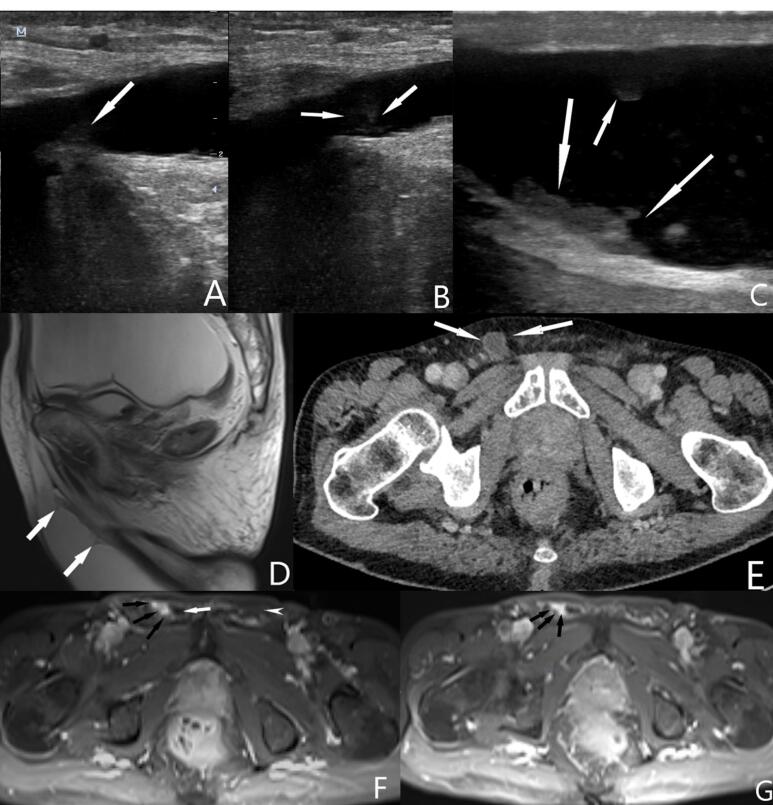 Figure 2
Peer Reviews
No public reviews on file for this paper yet. If you reviewed it on a platform where reviews are public (OpenReview, ICLR, NeurIPS, ICML), you can paste yours below so the community can read it here.
Videos
No videos yet. Explain this paper in a talk, walkthrough, or lecture? Add one.
Taxonomy
TopicsSarcoma Diagnosis and Treatment · Hernia repair and management · Cancer Diagnosis and Treatment